



For pet owners who consider their rats integral members of the family, the seasonal dilemma of travel often presents a significant challenge. Finding qualified, knowledgeable pet sitters for exotic animals like rats can be arduous, and the prospect of leaving them behind frequently leads to owner anxiety. However, recent trends in small-animal husbandry suggest that, with meticulous planning and strict adherence to safety protocols, road travel with pet rats is not only feasible but can be a rewarding experience that strengthens the human-animal bond.
The Logistics of Small Mammal Transit
Unlike domestic dogs or cats, rats are highly sensitive to changes in their environment, temperature fluctuations, and vibrations. According to avian and exotic animal veterinary guidelines, these animals rely heavily on stable, predictable habitats to maintain their physiological health. When transitioning to a travel-ready lifestyle, owners must first conduct "acclimatization trials."

Chronologically, the process begins weeks before a scheduled departure. Experts recommend introducing the animal to short-duration travel environments, such as 15-to-30-minute car rides, to monitor for signs of distress or motion sickness. Data collected from long-term owners, such as Brandi Saxton of It’s A Rat’s World, indicates that using soft-sided bonding pouches during these early stages can help mitigate anxiety by providing a secure, familiar-smelling space. This incremental exposure allows the rat to associate the vehicle with safety rather than stress.
Infrastructure: Selecting the Optimal Travel Habitat
The primary concern during any transit is the structural integrity and climate-controlled capacity of the travel cage. A critical distinction must be made between a standard transport carrier—suitable for short veterinary visits—and a long-distance habitat.
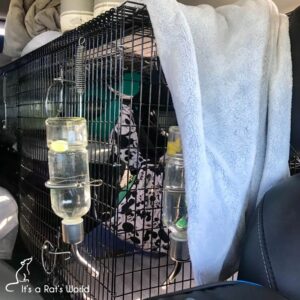
For trips extending beyond 24 hours, the habitat must be large enough to accommodate the rat’s natural movement patterns, including climbing and nesting behaviors. While portability is often the priority for human travelers, veterinary behavioral experts argue that "familiarity is the key to stability." Using a cage that mimics the layout of the rat’s permanent home helps reduce the cortisol spikes associated with relocation. If a primary cage cannot fit in a vehicle, owners are advised to replicate the interior setup—including specific hammocks, space pods, and litter configurations—in a secondary, vehicle-compatible unit.

Essential Supply Procurement and Packing Protocols
A professional assessment of the necessary supplies reveals that successful travel requires a robust "go-bag" strategy. The inventory should be categorized into health, nutrition, and environmental management:
- Hydration Management: The vibration of a moving vehicle often disrupts the pressure-sensitive ball bearings in standard water bottles, causing leaks or failure. Owners should pack at least two, preferably three, independent water bottles and perform hourly checks.
- Digestive Health: Motion-induced gastrointestinal distress is a common occurrence in small rodents. Historical, anecdotal, and veterinary-adjacent advice often cites the efficacy of bananas as a natural binding agent for mild digestive upset during transit.
- Emergency Medical Kits: For elderly or immunocompromised rats, a specialized kit including critical care supplements, syringes, and contact information for emergency veterinary clinics along the intended route is mandatory.
- Sanitation Supplies: To maintain a sanitary environment, the kit must include high-grade, unscented wet wipes, antibacterial hand cleaners, and sealable waste disposal bags to manage soiled bedding during transit.
Environmental Controls and Climate Safety
The most significant risk to rats during road travel is thermal stress. Rats possess a limited thermoneutral zone; they are highly susceptible to heatstroke when temperatures exceed 75-80°F (24-27°C).
Official guidance for pet owners emphasizes that vehicles should never be left unattended with animals inside. Even with the engine running, mechanical failures or air conditioning malfunctions can turn a car into a fatal environment within minutes. During summer travel, windshield shades are not just for comfort; they are critical tools for blocking direct ultraviolet radiation that can cause overheating. Conversely, in winter, ensuring the cage is insulated from drafts and placed in a stable area of the vehicle is essential.

Navigating Pet-Friendly Lodging
When planning an itinerary, the selection of lodging requires diligent verification. While platforms such as PetsWelcome or BringFido offer databases for pet-friendly accommodations, they are primarily indexed for canine and feline guests. It is the responsibility of the owner to contact properties directly to confirm that their "pet-friendly" policy includes exotic animals.
Journalistic inquiry into the hospitality sector suggests that owners should always disclose the presence of rats, as policies regarding "caged pets" can vary wildly between chains. Upon arrival, it is standard practice to use "Do Not Disturb" signage to prevent housekeeping staff from inadvertently disturbing the rats or leaving doors open, which poses an escape risk.
The Broader Impact: Behavioral and Human-Animal Benefits
Recent studies in human-animal interaction suggest that travel can actually foster resilience in social animals. By exposing rats to new, controlled environments while maintaining a secure "base" (the carrier or cage), owners report a marked increase in the animal’s confidence. This phenomenon, often observed in highly social species, suggests that the shared experience of navigation and discovery can mitigate the "standoffish" behaviors seen in some individuals.
Furthermore, the logistical necessity of constant interaction—frequent stops, feeding, and temperature checks—creates a heightened state of engagement between the pet and the owner. While the preparation is undeniably more rigorous than that required for a kennel stay, the long-term impact on the bond is significant.
Summary of Safety Directives
To ensure the welfare of the animals throughout the journey, the following checklist serves as a summary of industry-standard best practices:
- Pre-Trip Physical: Consult with an exotic animal veterinarian to ensure the rat is healthy enough for the stress of travel.
- Climate Redundancy: Always maintain a secondary means of monitoring cabin temperature.
- Daily Maintenance: Clean water bottles and perform spot-checks of the cage bedding at least once every 24 hours.
- Strategic Routing: Plan stops based on the pet’s needs, not just the human itinerary.
- Documentation: Carry digital or physical copies of veterinary records and proof of ownership.
While the prospect of a road trip with rats may initially appear unconventional, it is a manageable endeavor when approached with the same level of care and detail as any other significant travel arrangement. By prioritizing the biological and psychological needs of the rats, owners can ensure that the journey is as safe and enriching as the destination itself. As the community of rat enthusiasts continues to grow, so too does the body of knowledge supporting the integration of these intelligent, social creatures into the adventurous lives of their human companions.

