


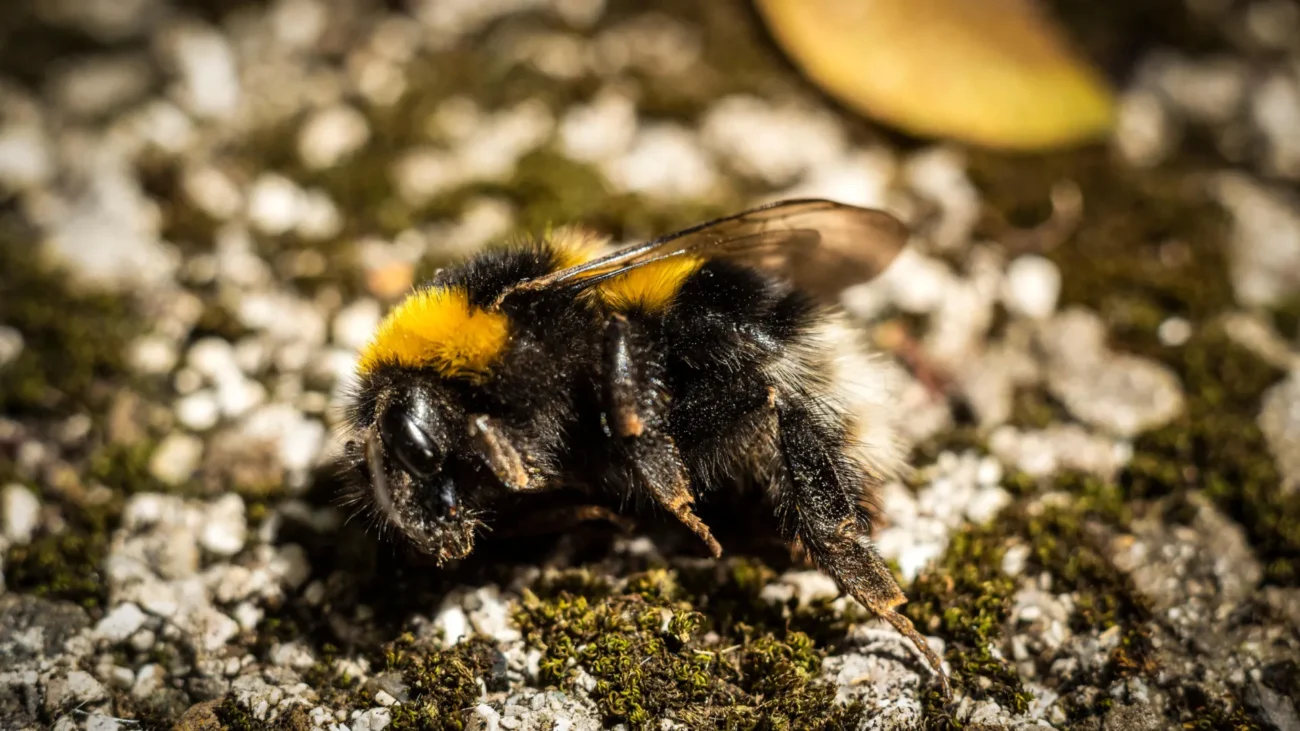
During the scorching weeks of mid-summer, a distressing sight has become increasingly common for pedestrians walking along urban and suburban pavements: the static, lifeless forms of bumblebees scattered across the concrete. While the casual observer might write off these incidents as the natural conclusion of a tiny insect’s life, entomologists, ecologists, and agricultural experts view this phenomenon as a visible symptom of a much larger, deeply concerning ecological crisis. The presence of dead bees on walkways is not random; it is the culmination of severe environmental pressures, ranging from extreme thermal stress and habitat fragmentation to widespread chemical pollution and climate-induced disruptions in nature’s delicate timing.
To understand why these vital pollinators are perishing in such visible numbers, scientists look first to the complex social structures of bumblebee colonies. Unlike solitary bees, bumblebees are social insects that form tightly organized colonies. These communities are entirely maintained by dedicated worker bees—females that dedicate their brief lives to foraging, defending the nest, and raising the brood. However, a worker bumblebee’s life is remarkably short, typically spanning just four to six weeks. Consequently, within any given summer month, an entire generation of older worker bees naturally reaches the end of its biological lifespan and dies off.
Yet, the discovery of multiple bodies outside the nest is also a testament to colony hygiene. To prevent disease, pathogens, and parasites from spreading through the confined spaces of the hive where the queen and developing larvae reside, healthy young worker bees actively engage in colony maintenance. They remove their deceased nestmates, carrying them far away from the core nesting site and dropping them along flight paths, which frequently leaves them exposed on nearby pathways and roads.
Compounding this natural lifecycle turnover is an unprecedented escalation in environmental temperatures. Meteorological records indicate that recent summers have brought historic heatwaves across Europe and the Northern Hemisphere. For instance, England recorded its warmest June in history during the mid-2020s, a record that experts warn will likely be broken again as global temperatures continue to climb. This extreme ambient heat places immense physiological strain on ectothermic creatures like bees.
Prolonged heat exposure inflicts severe thermal stress on insect populations, altering their biological development and threatening the long-term stability of colonies. Heatwaves systematically disrupt critical behaviors, including flight capacity, navigational ability, and the rigorous demands of foraging for nectar and pollen. While social insects utilize sophisticated cooling mechanisms—such as fanning their wings rapidly to circulate air and lower the internal temperature of the hive—these biological buffers have hard limits. When environmental temperatures soar past safe thresholds, these cooling strategies fail. Although bees attempt to thermoregulate during flight by shifting metabolic heat through their bodies, prolonged exposure to extreme heatwaves ultimately degrades their health, impairs their immune systems, and leads to widespread mortality.
Beyond the immediate hazards of extreme weather, the chronic exposure to synthetic chemicals remains a primary driver of pollinator decline. Modern agricultural practices and urban landscaping heavily rely on pesticides and herbicides to control unwanted vegetation and crop pests. However, these chemical agents inflict devastating collateral damage on non-target species, most notably wild and managed pollinators.
Herbicides such as glyphosate and various broad-spectrum weed killers do more than just eliminate unwanted plants directly through toxicity; they systematically strip landscapes of essential floral resources. Dandelions, often treated as unsightly weeds by homeowners and municipal landscapers, serve as a critical lifeline for hungry bees emerging in early spring and summer. By eradicating these vital nectar and pollen sources, chemical weed management deprives pollinators of essential nutrition, frequently leading to localized starvation.
Simultaneously, insecticides—including organophosphates, synthetic pyrethroids, and phenylpyrazoles—directly compromise the physiological fitness and neurological functions of bees. These neurotoxins disrupt the insects’ ability to navigate, forage, and return to their nests, frequently resulting in paralysis and death. While regulatory bodies in regions such as the European Union and the United Kingdom have implemented bans on the most hazardous neonicotinoid pesticides, farmers and land managers continue to utilize alternative chemical treatments that scientists warn carry severe, unquantified knock-on effects for wider biodiversity. Research into common soil pesticides and systemic insecticides has demonstrated alarming reductions in wild bee reproduction rates, sometimes cutting reproductive output by up to eighty-nine percent in affected populations.
Habitat loss further exacerbates these chemical and climatic pressures. As human populations expand, land use patterns shift dramatically to accommodate rapid urban development, sprawling housing estates, intensive monoculture agriculture, and transportation infrastructure. Hedgerows, meadows, and wildflower patches are continually cleared, fragmenting the landscape and isolating bee populations into unviable patches of land. Without diverse, contiguous habitats capable of sustaining them throughout their active season, wild bee populations struggle to find adequate forage or safe nesting sites, leading to steady demographic declines.
Adding to these anthropogenic pressures is an insidious consequence of global climate change known to scientists as phenological mismatch. Phenology is the study of cyclic and seasonal natural phenomena, especially in relation to climate and plant and animal life. A phenological mismatch occurs when two interdependent species—such as a specific flowering plant and its specialized pollinator—fall out of sync due to shifting weather patterns.
Climate change is altering seasonal cues, causing plants to bloom earlier in the year or weather anomalies to trigger premature emergence from hibernation. If queen bumblebees emerge from their subterranean overwintering sites prematurely, they may find that the flowers they depend upon for essential early-season nectar have not yet bloomed, or conversely, that the blooming season has already passed. This temporal dislocation results in widespread starvation among emerging queens, halting the establishment of new colonies before they can even begin.
The cumulative weight of these mounting pressures has triggered a biodiversity crisis of international proportions. Insects constitute the most diverse and abundant group of animals on Earth, yet empirical studies show they are simultaneously facing the most severe existential threats. Data compiled by the International Union for Conservation of Nature (IUCN) Red List underscores this alarming trend. In Europe alone, the number of wild bee species categorized as facing a high risk of extinction has more than doubled over the past decade, rising from seventy-seven species to at least 172 species—representing approximately ten percent of all assessed wild bee taxa.
The impending loss of these insects carries profound implications for global ecosystems and human societies alike. Ecologists categorize the wide-ranging contributions of insects as "ecosystem services," which include organic decomposition, soil aeration, natural pest control, and serving as a foundational food source for birds, amphibians, and small mammals. However, the most critical ecosystem service provided almost exclusively by insects—and disproportionately by bees—is the pollination of flowering plants and agricultural crops.
Scientific assessments indicate that bees are among the most ecologically diverse insect groups, supporting roughly seventy-five percent of global crop pollination and nearly ninety percent of all wild flowering plants. Staple foods that form the bedrock of human nutrition—including apples, strawberries, tomatoes, almonds, coffee, and a vast array of vegetables—rely entirely or heavily on insect pollination to set fruit and yield marketable harvests. Agricultural economists and environmental scientists have repeatedly warned that unchecked declines in pollinator populations threaten global food security, raising the specter of severe agricultural shortfalls, diminished nutritional diversity, and skyrocketing food prices.
Despite the systemic nature of these challenges, conservationists, entomologists, and agricultural policymakers emphasize that individual actions can collectively mitigate the crisis. When examining pesticide use, consumers can exert significant influence by adopting informed purchasing habits. Supporting local, sustainably produced food systems and purchasing from farmers who implement nature-friendly, integrated pest management practices helps reduce the market demand for chemical-heavy agriculture. Homeowners can likewise play a vital role by eliminating the use of harsh chemical sprays in domestic gardens, opting instead for manual weeding and natural pest deterrents applied sparingly and responsibly.
Addressing habitat loss requires a conscious shift in land management practices, both at municipal and residential levels. Planting a diverse array of native flowering species that bloom sequentially across the spring, summer, and autumn provides a continuous, reliable food supply for local pollinators. Furthermore, adopting "no-mow" policies—leaving designated sections of lawns or public parks unmown to allow native wildflowers like dandelions, clover, and buttercups to flourish—creates vital micro-habitats and safe havens for foraging insects.
On an immediate, individual level, concerned citizens frequently encounter exhausted or heat-stressed bumblebees stranded on pavements during the peak of summer. Conservation organizations note that these insects can often be successfully revived with a simple intervention. Preparing a temporary energy source using a two-to-one ratio of white granulated sugar to warm water, and placing a single drop near the struggling bee on a non-conductive surface, can provide the vital carbohydrate boost required for the insect to regain flight. If it can be done safely without risking stings—particularly for individuals with known insect allergies—moving the bee gently onto a nearby flower or into a cool, shaded area out of the path of pedestrian traffic offers the best chance of recovery.
While reviving a single pavement-bound bee will not reverse the macro-level decline of global insect populations, these small acts of stewardship reflect a growing public awareness of the delicate interdependencies binding human survival to the health of the natural world. As scientists continue to monitor the compounding threats of climate disruption, chemical pollution, and habitat degradation, safeguarding the future of the humble bumblebee remains an urgent imperative for ecological stability and global food security.

