


Maryland, frequently cited as one of the most environmentally conscious states in the U.S., offers a diverse range of ecosystems that serve as vital habitats for avian wildlife. Among the most iconic inhabitants of the state’s dense forests, wetlands, and suburban landscapes are its eight distinct species of woodpeckers. These birds, belonging to the family Picidae, play a critical role in forest health by controlling insect populations and creating nesting cavities that are subsequently utilized by a wide array of other forest-dwelling creatures. As ecological indicators, the presence and health of these woodpecker populations provide valuable data regarding the overall sustainability of Maryland’s woodlands.
The Ecological Role and Habitat Significance
Woodpeckers are often referred to as "ecosystem engineers." By drilling into trees to forage for wood-boring larvae or to excavate nesting cavities, they create micro-habitats that would not otherwise exist. In Maryland, where the landscape transitions from the coastal plains of the Chesapeake Bay to the rolling hills of the Appalachian region, these birds occupy a variety of niches. Their survival is deeply linked to the availability of mature trees, both living and dead (snags), which are essential for their feeding and breeding cycles.
1. The Pileated Woodpecker: The Forest Sentinel
As the largest woodpecker species in North America, the Pileated Woodpecker is an unmistakable presence in Maryland’s mature forests. Measuring roughly the size of a crow, the bird is easily identified by its dramatic red crest and bold white neck stripes. These birds are specialized feeders, primarily targeting carpenter ants and wood-boring beetles.
A key observation regarding the Pileated Woodpecker is its distinct architectural impact on the forest; they are known for creating large, rectangular holes in standing dead timber. From an ecological standpoint, these deep excavations allow for the extraction of prey that other birds cannot reach. Recent studies suggest that the preservation of large-diameter dead trees is the single most important factor in maintaining Pileated Woodpecker populations in suburban-adjacent woodlands.
2. The Northern Flicker: A Ground-Dwelling Specialist
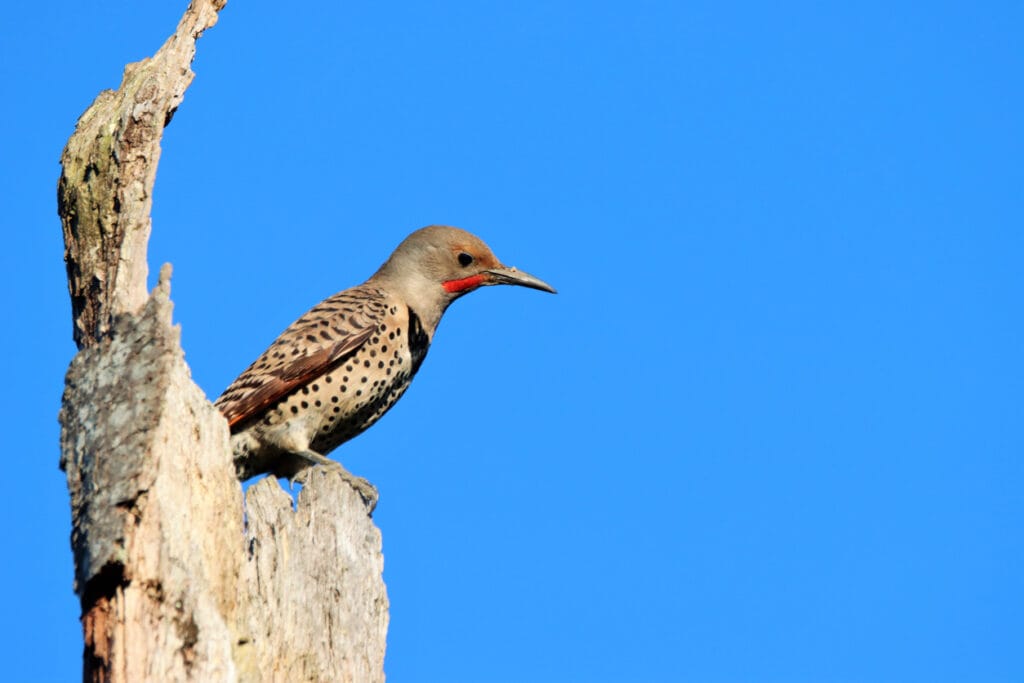
The Northern Flicker stands out as an outlier within the Picidae family. While most woodpeckers spend their lives vertically on tree trunks, the Flicker is frequently observed foraging on the ground, where it feeds on ants and beetles—a behavior that highlights its adaptability. Unlike the stark black-and-white patterns typical of their relatives, the Flicker displays a brown-and-gray plumage, accented by bright yellow or red shafts on their wing and tail feathers, which become visible during flight. In Maryland, these birds are year-round residents, occupying open woodlands and forest edges, often moving into more suburban environments during the winter months.
3. The Red-Bellied Woodpecker: A Backyard Fixture
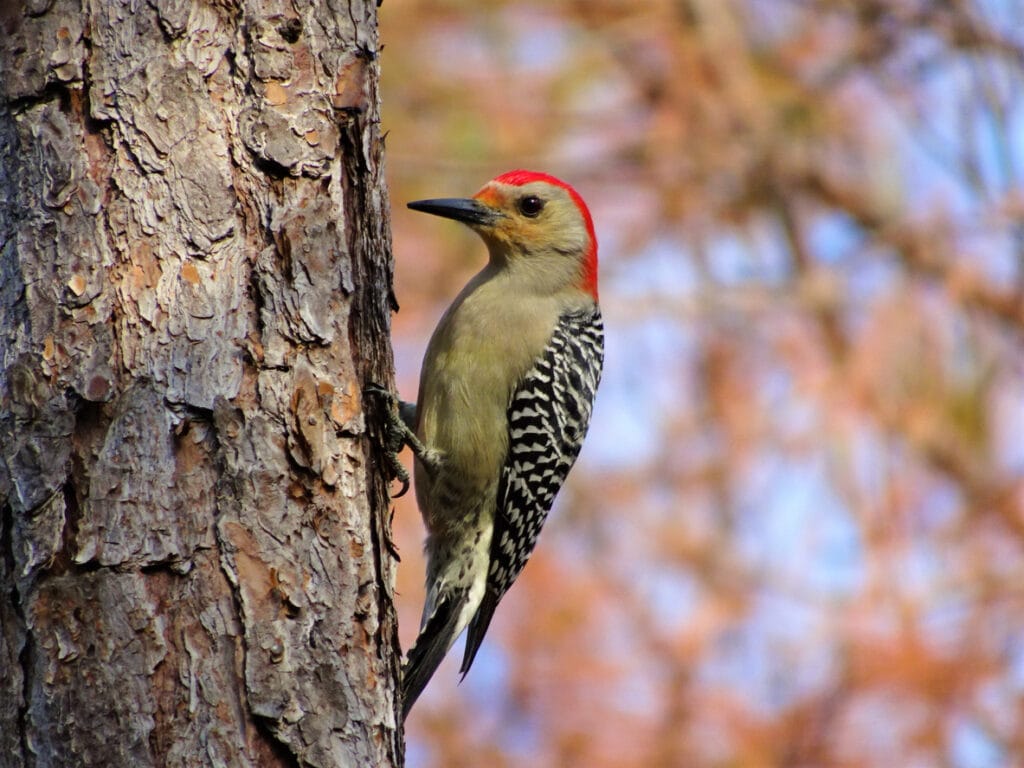
Perhaps the most common species encountered by Maryland residents, the Red-Bellied Woodpecker is highly adaptable to human-modified landscapes. Despite the name, the red coloration on the belly is faint and often difficult to discern. Their primary identifying feature is the vibrant red cap that extends from the bill to the nape of the neck.
Observations from local birding groups and the Audubon Society indicate that this species has seen stable or increasing populations due to its ability to thrive on bird feeders. Their diet is incredibly broad, ranging from insects and spiders to fruit, nuts, and seeds. The sexual dimorphism in their bill length—males possessing longer, wider bills—suggests an evolutionary strategy to minimize competition for food between the sexes during the critical breeding season.
4. The Downy Woodpecker: Small but Mighty
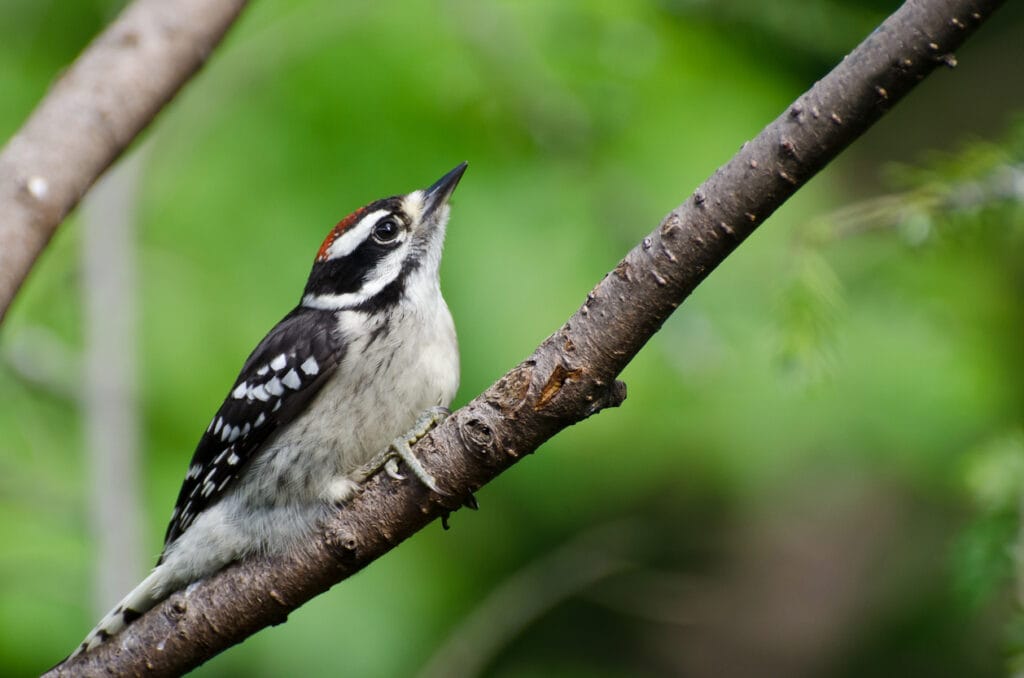
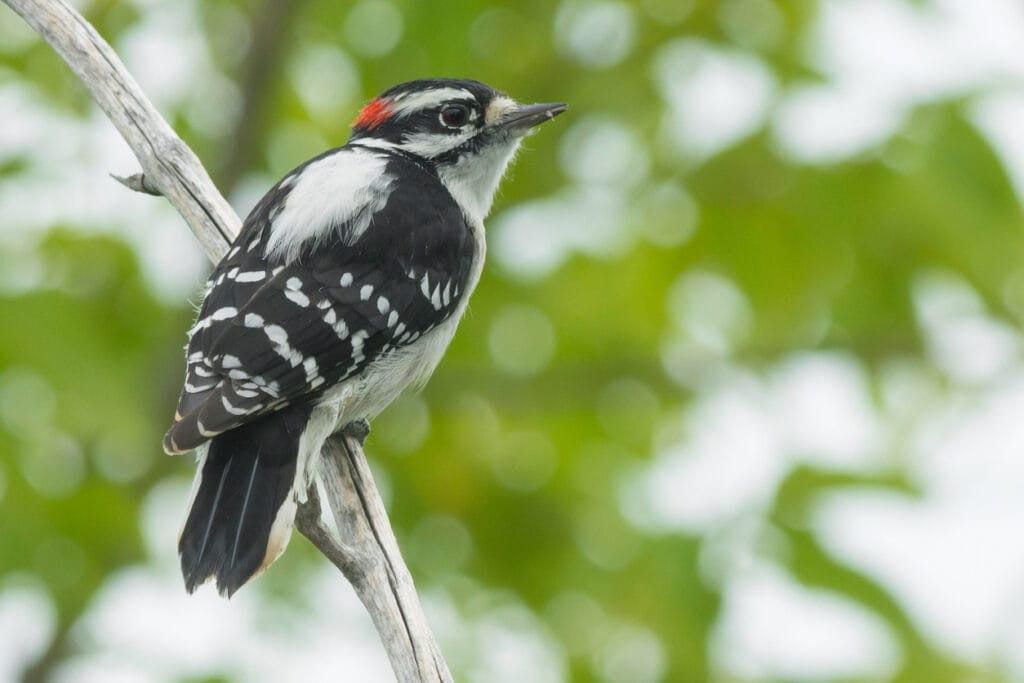
The Downy Woodpecker holds the distinction of being the smallest woodpecker in North America. Its stature makes it a frequent visitor to backyard feeders, where it often displays a bold, inquisitive temperament. The Downy is frequently confused with the larger Hairy Woodpecker; however, closer inspection reveals that the Downy has a significantly shorter, more delicate bill, roughly one-third the length of its head. They are vital to local ecosystems because they consume large quantities of scale insects and larvae that can harm ornamental trees in urban gardens.
5. The Hairy Woodpecker: The Look-alike
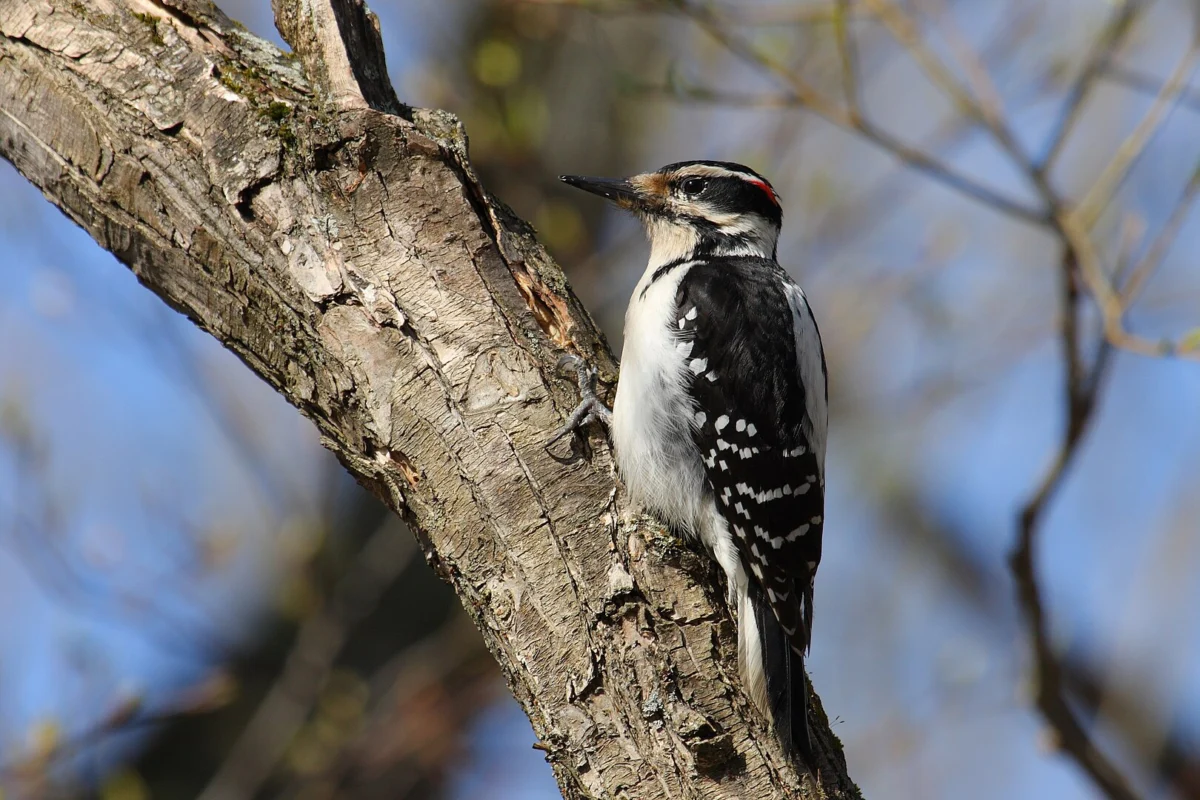
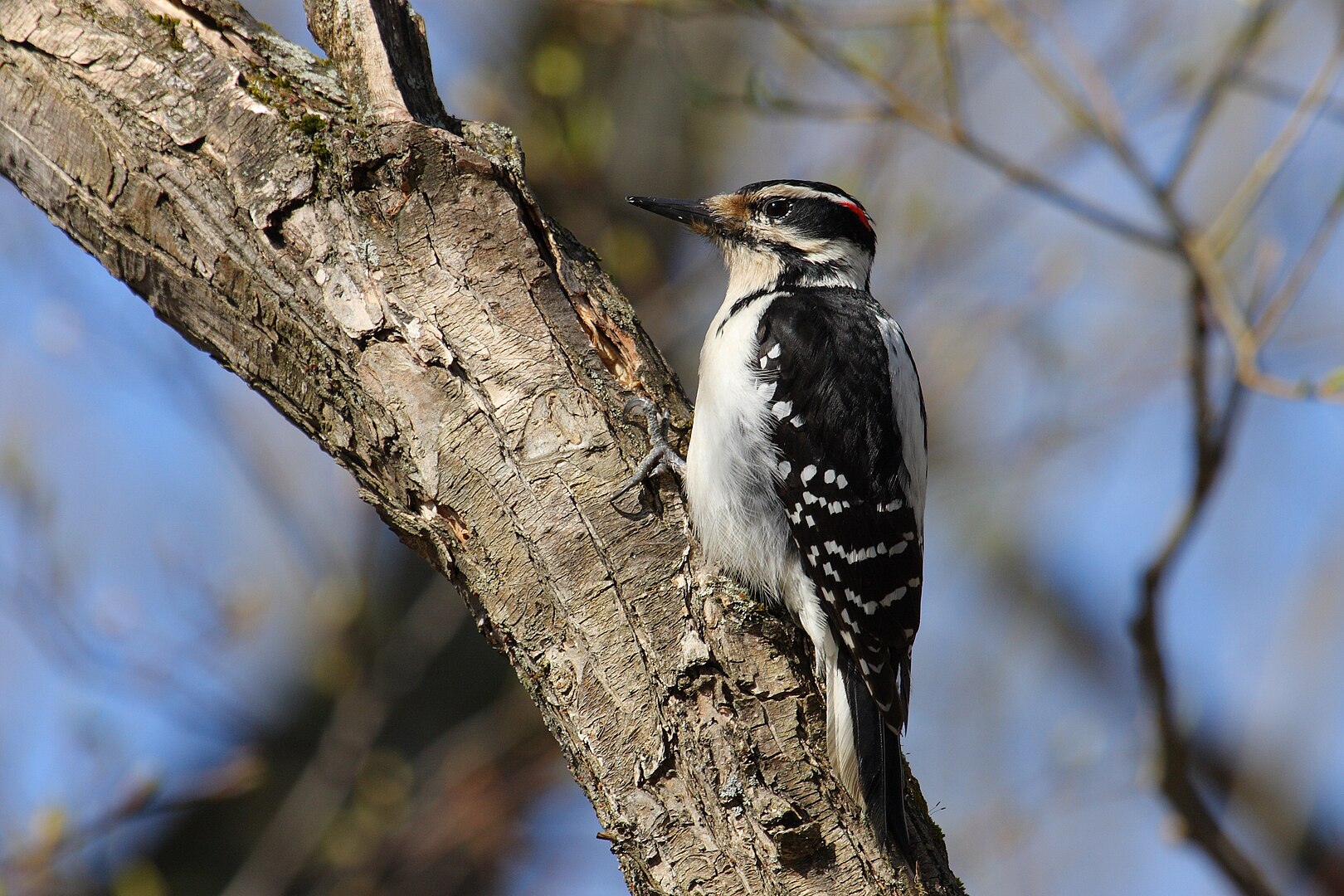
While the Hairy Woodpecker bears a striking resemblance to the Downy, it occupies a different ecological niche, preferring more mature, expansive forests. Its bill is robust and chisel-like, capable of penetrating deep into hard wood. The Hairy Woodpecker is a less frequent visitor to suburban bird feeders than the Downy, as it is more sensitive to human disturbance and habitat fragmentation. The conservation of large, continuous tracts of forest in Western Maryland remains a priority for maintaining the Hairy Woodpecker population.

6. The Red-Headed Woodpecker: A Species in Decline
The Red-Headed Woodpecker is arguably the most striking of the Maryland species, characterized by its solid crimson head and starkly contrasted black-and-white wings. Unlike many other woodpeckers that rely exclusively on pecking, this species is a proficient "flycatcher," often catching insects in mid-air.
However, this species serves as a cautionary tale in conservation biology. Data from the North American Breeding Bird Survey show a population decline of approximately 70% between 1966 and 2014. The primary drivers of this collapse include the loss of dead trees (snags) and intense competition for nesting cavities with invasive species like the European Starling. Conservationists emphasize that the survival of the Red-Headed Woodpecker in Maryland is tied to the intentional retention of standing dead trees in agricultural and forested areas.
7. The Yellow-Bellied Sapsucker: The Migratory Visitor
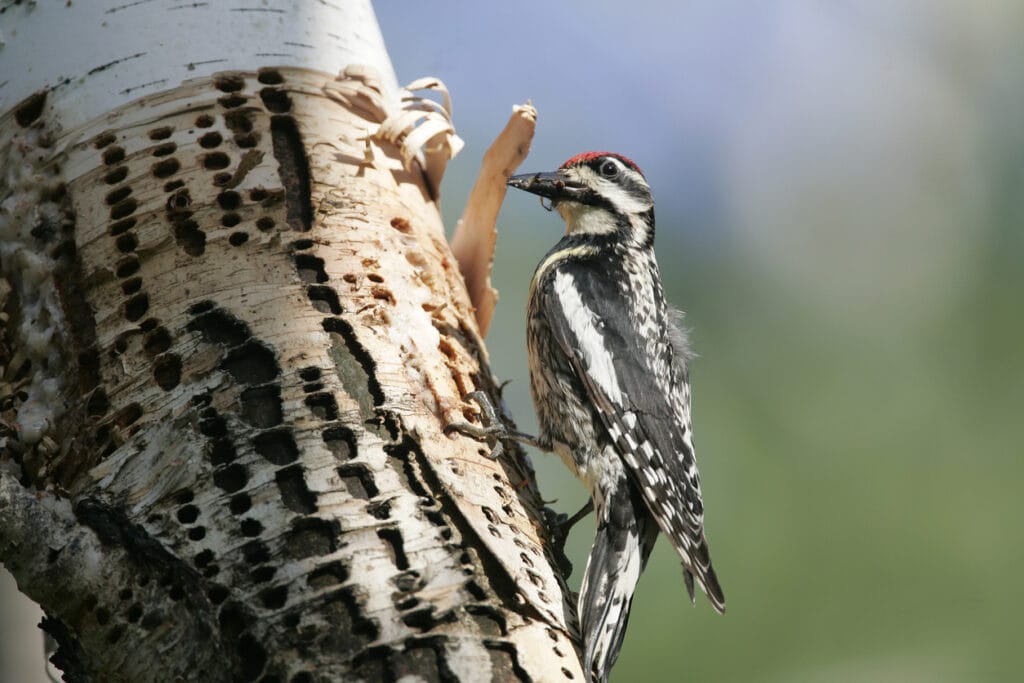
The Yellow-Bellied Sapsucker is a migratory species in Maryland, typically seen during the fall and winter months. As their name implies, they have evolved a unique method of feeding: drilling precise, horizontal rows of small holes in tree bark to encourage the flow of sap. They then use their brush-tipped tongues to lap up the sap and any insects attracted to the sugary liquid. This behavior creates a secondary food source for other species, including hummingbirds and various butterflies, highlighting the Sapsucker’s role as an ecological benefactor.
8. The Red-Cockaded Woodpecker: A Rare Resident
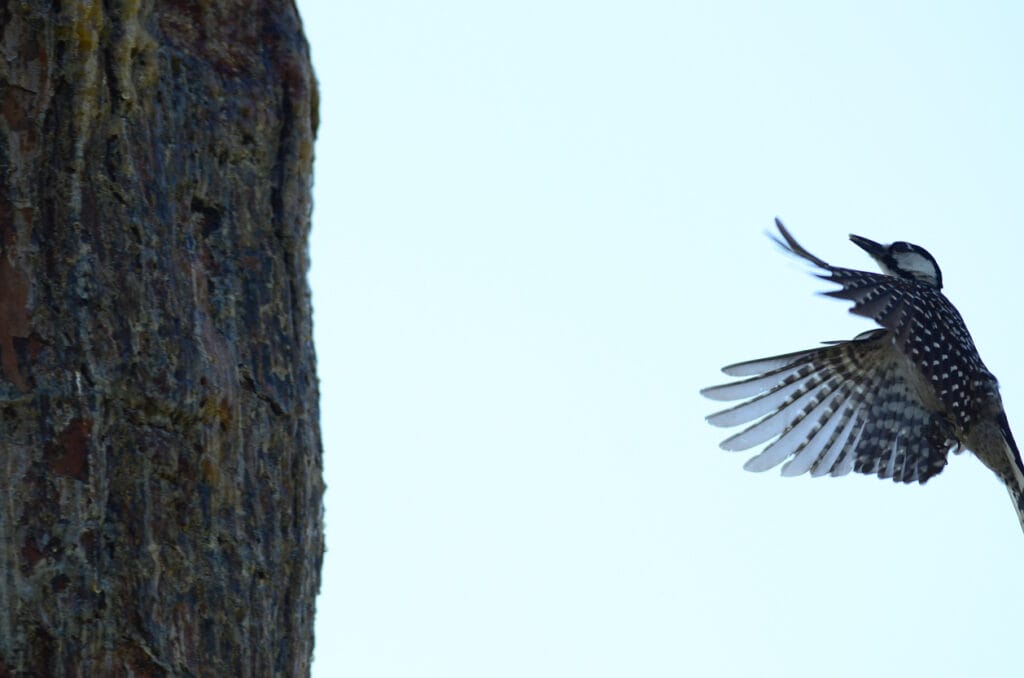
The Red-Cockaded Woodpecker is the most elusive of Maryland’s woodpecker species. It is highly specialized, requiring mature pine forests to excavate its nesting cavities. Unlike other species, the Red-Cockaded Woodpecker prefers to nest in living pine trees that are often infected with Red Heart Fungus, which softens the wood and makes excavation feasible. Due to their specific habitat requirements and the historic loss of longleaf pine ecosystems, they are considered a sensitive species, and sightings are rare.
Data-Driven Conservation and Future Implications
For bird enthusiasts and conservationists in Maryland, the tracking of these species has become increasingly sophisticated. Platforms like eBird have revolutionized the collection of occurrence data, allowing researchers to map population shifts in real-time.
The broader implications of woodpecker health in Maryland are clear: these birds are not merely aesthetic additions to the landscape but are essential biological agents. When woodpecker populations fluctuate, it often mirrors changes in the health of the forest floor, the prevalence of tree diseases, and the overall integrity of the ecosystem. The ongoing debate regarding the removal of "hazardous" dead trees in public parks vs. the retention of these trees for wildlife habitat continues to be a central theme in Maryland’s land management policies.
For those interested in observing these birds, the Pickering Creek Audubon Center is frequently cited as a premier location for spotting a variety of species, including the Pileated Woodpecker. By understanding the unique habits and requirements of each of the eight species, Marylanders can better contribute to the preservation of these remarkable birds, ensuring that their drumming remains a permanent feature of the state’s woodlands for generations to come.

