


The transition of domestic rats into a new household marks the beginning of a complex social bonding process that requires both patience and strategic environmental management. Whether acquired from a professional breeder or a rescue organization, the initial 24 to 72 hours are critical for establishing the long-term health and psychological well-being of the animals. Understanding the biological, social, and environmental needs of Rattus norvegicus domestica is essential for any new owner seeking to foster a secure and interactive relationship with these intelligent rodents.
The Immediate Transition: Establishing a Secure Environment
Upon arrival, the primary objective is to minimize stress. Rats are prey animals with a natural instinct to seek cover when placed in unfamiliar environments. Scientific consensus among exotic animal welfare experts suggests that the immediate placement of the animals into a pre-configured, appropriate habitat is the most effective way to reduce the psychological trauma associated with relocation.
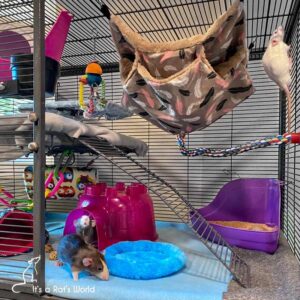
The habitat should be fully equipped with essential resources—water, high-quality rodent block, and hiding spots—prior to the arrival of the animals. Providing a "tour" of the cage, wherein the owner speaks calmly while pointing out food, water, and nesting areas, helps the animals map their new surroundings. The initial period should prioritize minimal handling, especially if the rats have endured significant transit time. A decompression period of 30 to 60 minutes is recommended before initiating any direct physical contact.
Chronology of Integration and Behavioral Expectations
The integration process follows a predictable, albeit variable, timeline. During the first day, behaviors may range from extreme caution and constant hiding to curiosity and exploration. Owners should anticipate that the animals will rely on their flight response.
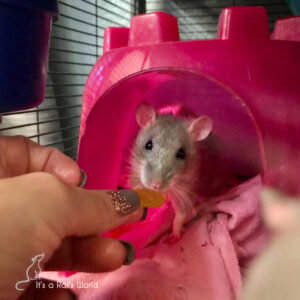
By the end of the first week, the rats should begin to show signs of habituation to the ambient sounds and smells of the household. It is a common misconception that owners should avoid handling frightened rats; however, animal behaviorists note that consistent, gentle interaction is necessary to habituate the animals to human presence. Failure to interact during the first week can lead to increased social withdrawal.
By the end of the first month, a successful integration should result in the rats recognizing their owners as a source of safety and enrichment. This phase is characterized by the development of established social routines, such as consistent daily out-of-cage playtime and positive reinforcement during training sessions.
Supporting Data and Biological Considerations
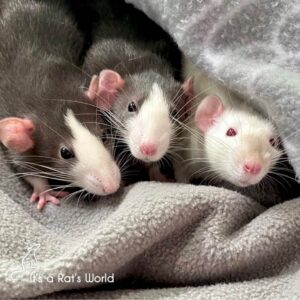
Rats are highly social creatures that require the companionship of their own species. Keeping a single rat is widely considered detrimental to their welfare, as they suffer from social isolation. Research indicates that group housing of two or more individuals facilitates natural behaviors such as grooming, play-fighting, and communal nesting, which significantly lowers stress markers.
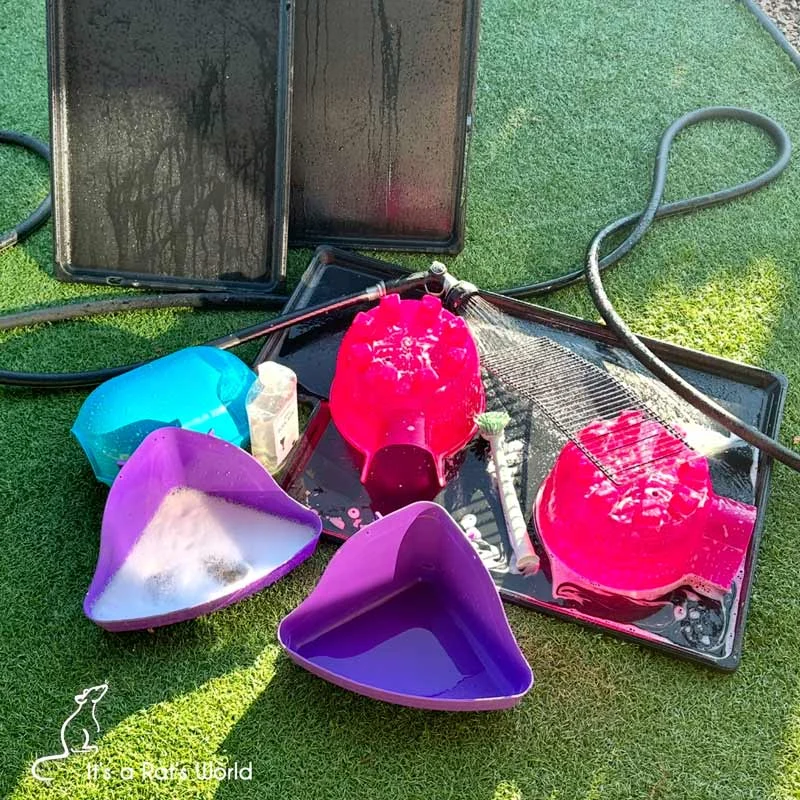
Nutritional management is another pillar of successful care. Given their high metabolic rate, rats benefit from a split-feeding schedule—breakfast and dinner—which prevents the overeating often associated with ad libitum feeding. A diet balanced with high-quality protein, complex carbohydrates, and fresh produce is essential. Furthermore, the environment must be kept clean to mitigate respiratory issues, which are common in domestic rats due to their sensitivity to ammonia buildup from urine. Daily spot-cleaning of the cage is the industry standard for maintaining respiratory health.
Addressing Common Behavioral Misconceptions
New owners frequently report anxiety regarding natural rat behaviors, such as "sock-biting" or exploratory nibbling. Often misinterpreted as aggression, these behaviors are usually expressions of curiosity or grooming tendencies. Unlike the territorial biting observed in some other mammals, a rat’s interaction with fingers or toes is rarely indicative of malice.
However, environmental triggers can influence behavior. For instance, the presence of strong chemical odors, such as nail polish remover or harsh cleaning agents, can trigger defensive reactions due to the rat’s sensitive olfactory system and poor visual acuity. Avoiding these substances in the immediate vicinity of the cage is a necessary preventative measure.
Veterinary Protocols and Health Maintenance
The medical status of the rats at the time of adoption determines the immediate necessity of a veterinary visit. Rats sourced from reputable rescue organizations often arrive with a clean bill of health and a history of quarantine. Conversely, those from pet stores or unverified sources are at a higher risk of harboring sub-clinical infections.
Common symptoms requiring immediate veterinary intervention include:
- Audible respiratory distress (wheezing, clicking, or rattling).
- Lethargy or significant appetite loss.
- Persistent sneezing or ocular/nasal discharge.
The financial implication of owning rats involves a commitment to specialized veterinary care. Owners are advised to establish a dedicated emergency fund, as respiratory infections, tumors, and other age-related conditions often require prompt, professional medical attention.
Broader Impact: The Role of Human Interaction
The long-term success of the human-rat bond is predicated on "quality time." Providing a "rat playground" or a secure area on a couch for supervised socialization allows the animals to exercise their natural desire to explore while reinforcing the bond with their owner.
Professional guidance suggests that owners should not be discouraged by initial skittishness. The evolution of the relationship from one of prey-predator apprehension to mutual trust is a hallmark of responsible ownership. By providing a stable, clean, and enriching environment, and by engaging in consistent, low-stress interactions, the owner facilitates the transition of the rat from a frightened captive to a confident companion.
In summary, the transition process is not merely about physical maintenance, but about the active construction of a social hierarchy where the human is perceived as a reliable, non-threatening entity. As the animals grow more comfortable, they will demonstrate their intelligence through problem-solving and social play, rewarding the owner for the initial investment of patience and education. Maintaining a commitment to ongoing research, regular health monitoring, and daily enrichment remains the most effective strategy for ensuring a long and healthy life for these complex, social animals.

