


The American Federation of Aviculture (AFA) has long stood as a pillar for bird enthusiasts, breeders, veterinarians, and conservationists alike, championing the welfare of avian species through structured education and scientific understanding. In an era where responsible pet ownership and wildlife conservation are increasingly intertwined, the AFA has established a comprehensive suite of educational resources designed to elevate standards of care. Among these initiatives, the flagship Fundamentals of Aviculture online courses and the community-oriented Avian Biology Classroom (ABC) stand out as transformative tools for both novice bird keepers and seasoned avicultural professionals.
The Evolution and Structure of Aviculture Education
Aviculture—the science, practice, and art of breeding, rearing, and studying birds—has evolved significantly over the past several decades. What was once viewed primarily as a hobby has transformed into a rigorous discipline requiring a deep understanding of avian biology, conservation ethics, and preventative medicine. Recognizing the need for standardized, accessible education, the AFA developed its curriculum to bridge the gap between amateur enthusiasm and scientific expertise.

The foundation of this educational outreach is built upon two distinct tiers: Fundamentals of Aviculture Level I and Level II. These programs are meticulously crafted to deliver essential knowledge directly to caretakers, ensuring that captive birds experience optimal health, behavioral enrichment, and a high quality of life.
Fundamentals of Aviculture Level I: The Essential Foundation
Designed as an introductory gateway into the science of aviculture, Level I provides a broad yet comprehensive overview across nine core chapters. The curriculum is thoughtfully structured to cover the fundamental pillars of avian husbandry.
Students enrolled in Level I explore complex subjects broken down into digestible modules, starting with avian anatomy and physiology. Understanding how a bird’s respiratory, skeletal, and digestive systems function is crucial for any caretaker aiming to recognize early signs of distress or illness. Furthermore, the course delves heavily into avian behavior, helping owners interpret body language, vocalizations, and psychological cues that dictate a bird’s mental well-being.

In addition to physical health and behavior, Level I addresses the legal and regulatory frameworks governing aviculture. Navigating local, national, and international laws—such as the Convention on International Trade in Endangered Species of Wild Fauna and Flora (CITES)—is vital for ethical and legal compliance. The course also places heavy emphasis on proper housing design, biosecurity measures, and proactive illness prevention, equipping participants with the practical skills needed to maintain safe, sanitary, and stimulating environments for the birds in their care.
Advancing Expertise: Fundamentals of Aviculture Level II
For those who have mastered the basics and wish to deepen their knowledge, the AFA offers Fundamentals of Aviculture Level II. Serving as an intermediate continuation of the educational journey, this advanced course expands the curriculum across 15 intensive chapters.
Prerequisite enforcement ensures that all participants possess a solid grounding in basic husbandry before tackling more sophisticated topics. Level II transitions students into higher-level scientific concepts, including avian conservation and research methodologies, courtship and nesting behaviors, and the intricacies of basic avian genetics. The curriculum explores color mutations and hybrids, providing breeders with the genetic knowledge necessary to make informed, ethical decisions.

Moreover, the intermediate course covers practical breeding stimuli, advanced incubation techniques, and the delicate process of hand-rearing chicks. Beyond reproduction, Level II broadens its scope to include non-parrot avian studies, basic microbiology, common avian illnesses, and emergency first-aid protocols. A vital addition to this level is the focus on avian enrichment—a critical component of modern zoological and avicultural management aimed at preventing stereotypic behaviors and mental stagnation in captive birds.
Admission to the Level II course is priced at an introductory fee of $75 for current AFA members. To encourage broader participation and professional growth, non-members are granted the opportunity to purchase a one-year AFA membership concurrently during the admission process, seamlessly integrating them into the wider avicultural community.
Collaborative Development and Institutional Support
The creation and refinement of the Fundamentals of Aviculture curriculum were made possible through strategic partnerships and vital financial backing from prominent institutions dedicated to animal welfare and veterinary medicine.
Development of the programs received substantial funding through a grant from the Pet Care Trust, an organization widely recognized for its commitment to promoting responsible pet care and educational initiatives. Additionally, critical funding and academic support were provided by the Schubot Exotic Bird Health Center, housed within the College of Veterinary Medicine and Biomedical Sciences at Texas A&M University.
This collaboration between a leading avicultural organization and a top-tier veterinary research university lends immense credibility to the curriculum. The involvement of academic researchers and veterinary professionals ensures that the course material reflects the most up-to-date scientific findings, medical protocols, and ethical standards in avian care.
Expanding Reach Through the Avian Biology Classroom (ABC)
Complementing the online certification courses, the AFA’s Avian Biology Classroom (ABC) serves as an open-access educational initiative tailored for educators, local bird clubs, and community groups. Designed to democratize avian science, the ABC program provides ready-to-use presentation materials that can be downloaded in both Microsoft PowerPoint (PPT) and Portable Document Format (PDF).
The primary objective of the ABC program is to empower individuals and organizations to share accurate, science-based information about avian species with the public. By equipping teachers and club leaders with structured lesson plans and visual aids, the AFA fosters grassroots education, inspiring the next generation of conservationists and bird enthusiasts. Users require standard software, such as Adobe Acrobat Reader, to access and project the PDF instructional materials.
Modular Breakdown of the Avian Biology Classroom
The curriculum within the Avian Biology Classroom is systematically divided into five core modules, each addressing a fundamental pillar of biological and ecological science as it relates to birds:
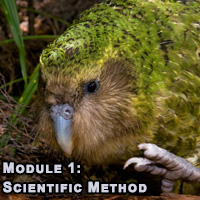
- Module 1: Scientific Method – Introduces learners to the framework of scientific inquiry, teaching participants how to formulate hypotheses, conduct observations, collect data, and draw evidence-based conclusions regarding avian behavior and health.
- Module 2: Characteristics of Life – Explores the biological criteria that define living organisms, examining cellular structures, metabolic processes, homeostasis, and reproduction specifically within the context of avian species.
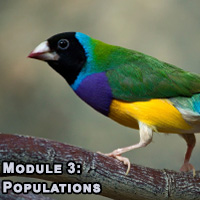
- Module 3: Populations – Focuses on population dynamics, examining how groups of birds interact with one another, manage resources, and respond to environmental pressures within specific habitats.
- Module 4: Mendelian Genetics – Delves into the laws of inheritance, offering learners a clear understanding of how physical traits, coloration, and genetic predispositions are passed down across generations.
- Module 5: Ecological Terminology – Equips students with the vocabulary and concepts necessary to understand ecosystems, habitats, food webs, and the ecological niches occupied by birds in the wild.
Broader Impact and Industry Implications
The introduction and continuous expansion of these educational tools arrive at a crucial time for the avicultural community. As wild bird populations face escalating threats from habitat loss, climate change, and illegal trafficking, the role of captive management and conservation breeding programs has never been more significant.

Industry analysts and veterinary professionals note that standardized education directly correlates with improved animal welfare outcomes. By replacing anecdotal methods with evidence-based practices, programs like the Fundamentals of Aviculture and the Avian Biology Classroom help reduce mortality rates in captive breeding, enhance behavioral enrichment, and promote a culture of lifelong learning among bird keepers.
Furthermore, these initiatives help counter misinformation. In an age where digital platforms frequently circulate unverified or harmful pet care advice, the AFA’s curriculum provides a reliable, peer-reviewed anchor for accurate information. Avian veterinarians frequently report encountering fewer preventable illnesses and nutritional deficiencies in pets owned by individuals who have undergone formal avicultural training.
Future Outlook for AFA Educational Programming
As the AFA continues to refine its digital campus and expand its outreach efforts, leadership remains focused on adapting to the evolving needs of the global avicultural community. Future updates may incorporate interactive digital labs, virtual seminars, and expanded modules addressing emerging challenges in avian medicine and conservation policy.
For aviculturists, veterinarians, educators, and passionate bird owners looking to validate their expertise and improve the lives of the birds under their stewardship, the AFA’s educational framework offers a clear, structured pathway. Interested participants can access the AFA Campus online to enroll in courses, explore the ABC presentation modules, and join a worldwide network dedicated to the advancement of avian science and welfare.

