


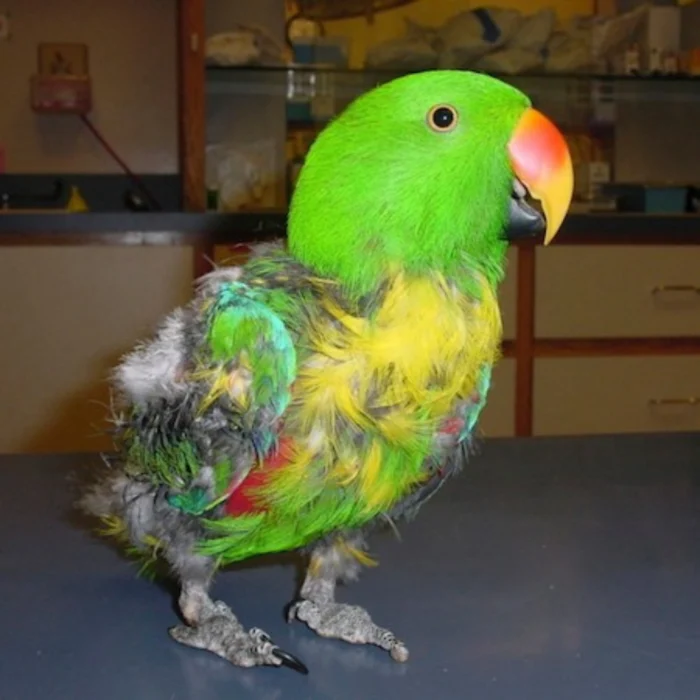
The American Association of Veterinary State Boards (AAVSB) Registry of Approved Continuing Education (RACE) has officially certified the Foraging and Enrichment webinar, authored by Dr. M. Scott Echols, for one hour of continuing education credit. This accreditation, finalized as of March 18, 2026, marks a significant development in the standardized training of veterinarians and veterinary technicians regarding the behavioral and physiological health of avian species in captivity. By integrating critical insights into environmental lighting, ultraviolet (UVB) radiation, and behavioral stimulation, the program addresses a core competency gap in modern avian medicine.
The Evolution of Avian Veterinary Continuing Education
The landscape of avian medicine has undergone a radical transformation over the last decade. Historically, veterinary curricula focused heavily on surgical intervention and infectious disease management. However, as the demographic of exotic pet ownership has shifted toward parrots and other intelligent avian species, the focus of practitioners has pivoted toward preventative care through behavioral enrichment.
Dr. M. Scott Echols, a Diplomate of the American Board of Veterinary Practitioners (Avian Practice), has long been a proponent of evidence-based environmental management. The current webinar represents the culmination of years of clinical data regarding the correlation between captive environments and the expression of stress-related behaviors. The AAVSB RACE approval provides a formal mechanism for practitioners to earn mandatory continuing education (CE) credits while ensuring that the information disseminated meets the rigorous pedagogical standards required for board certification and license renewal across various jurisdictions.
Chronology of the Certification Process
The journey toward this accreditation began with the recognition that captive birds—specifically those in home environments—frequently suffer from pathologies directly linked to insufficient mental stimulation and improper physiological exposure to light. Throughout 2025, LafeberVet, in conjunction with veterinary specialists, compiled data on the clinical manifestations of "sedentary" avian lifestyles, such as feather destructive behavior, obesity, and metabolic bone disease.
By January 2026, the curriculum for the webinar was finalized. The content was designed to bridge the gap between ethology (the study of animal behavior) and clinical veterinary practice. In February 2026, the AAVSB conducted a thorough review of the materials to ensure they aligned with the Registry of Approved Continuing Education (RACE) standards, which emphasize the importance of non-biased, scientific, and measurable learning objectives. The formal approval was granted on March 18, 2026, effectively opening the course to veterinarians and technicians seeking to update their credentials.
The Intersection of Biology and Environment
The primary focus of the webinar is the concept of foraging—the natural, labor-intensive process by which birds acquire food in the wild—and how it can be replicated in a home or clinical setting. In the wild, parrots may spend up to 70% of their waking hours foraging. In captivity, the provision of food in bowls eliminates this behavioral necessity, often leading to redirected aggression or self-mutilation.
A critical component of the course is the discourse on environmental lighting. Recent studies cited in the webinar underscore the importance of full-spectrum lighting and UVB radiation. Unlike mammals, birds possess tetrachromatic vision, meaning they perceive ultraviolet light as a distinct color. Lack of exposure to UVA and UVB light not only impacts their visual environment but also compromises their ability to synthesize Vitamin D3, a precursor to essential metabolic functions. The webinar provides empirical data on the required lux levels and the specific ultraviolet indices necessary to maintain homeostasis in avian patients.
Supporting Data and Clinical Implications
Data derived from current avian research indicates that 40% to 60% of common behavioral complaints in clinical practice are resolved through environmental modification rather than pharmaceutical intervention. This statistic serves as the backbone of Dr. Echols’ instructional framework.
Furthermore, the webinar provides analysis on the physiological stress responses in captive birds. When a bird is denied the opportunity to forage, cortisol levels remain chronically elevated. The program outlines a series of "foraging tiers," ranging from simple food-hiding techniques to complex puzzle-solving tasks that simulate the cognitive load required in natural habitats. For veterinary technicians, who often manage the day-to-day care of hospitalized birds, these techniques are essential for reducing the trauma associated with clinical confinement.
Official Responses and Industry Standards
The AAVSB RACE approval is considered the "gold standard" for veterinary CE. For a course to receive this designation, it must undergo a peer-review process that evaluates the instructor’s qualifications, the accuracy of the technical information, and the pedagogical structure of the assessment tools.
"The integration of behavioral science into clinical veterinary medicine is no longer an elective pursuit; it is a clinical necessity," noted a spokesperson for a regional veterinary board during the preliminary review of similar programs. While the AAVSB does not officially endorse the opinions of individual authors, the certification confirms that the material is consistent with the current medical consensus in the field of avian health.
Participants who complete the program are required to demonstrate competency through a post-test. The protocol allows for three attempts to pass, ensuring that the information is not merely consumed but understood and retained. Upon passing, practitioners are awarded a certificate that fulfills mandatory CE requirements in jurisdictions that recognize the AAVSB RACE program.
Broader Impact on Veterinary Practice
The implications of this training extend beyond the individual practitioner. As more clinics adopt these evidence-based enrichment protocols, the standard of care for exotic species will likely shift toward a more holistic model. The economic impact is also noteworthy; clinics that provide comprehensive behavioral consultations often see higher client retention rates and improved patient outcomes, which in turn reduces the need for expensive, long-term treatments for behaviorally induced illnesses.
The availability of this webinar on the LafeberVet platform—a resource already widely used by the veterinary community—democratizes access to high-level specialized training. Historically, such specialized knowledge was confined to national conferences or expensive academic symposia. By providing this information in an on-demand, digitally accessible format, the veterinary community is better equipped to handle the growing demand for avian health services.
Future Directions in Avian Behavioral Science
The inclusion of this material in the RACE-approved catalog signals a long-term trend in veterinary medicine. As the field continues to evolve, there is a clear movement toward "Preventative Ethology." Future iterations of similar programs are expected to incorporate more advanced data on the cognitive development of juvenile birds and the long-term impact of early-life enrichment on adult temperament.
For now, the focus remains on the implementation of these foundational principles. Practitioners who engage with Dr. Echols’ curriculum are effectively investing in a more sustainable model of avian care. As the veterinary profession continues to grapple with the complexities of non-domesticated species in human environments, the synergy between clinical medicine and environmental enrichment will remain the cornerstone of professional excellence.
Conclusion
The certification of the Foraging and Enrichment webinar by the AAVSB is a significant milestone for veterinary medicine in 2026. By providing a clear, scientifically validated roadmap for managing the behavioral needs of birds, the program offers a vital tool for practitioners. As the industry moves forward, the integration of these practices will likely define the difference between basic maintenance and true, comprehensive avian wellness. Veterinary professionals are encouraged to leverage these accredited resources to refine their clinical approach, ultimately ensuring that the welfare of their patients is prioritized through the lens of evidence-based science.

