


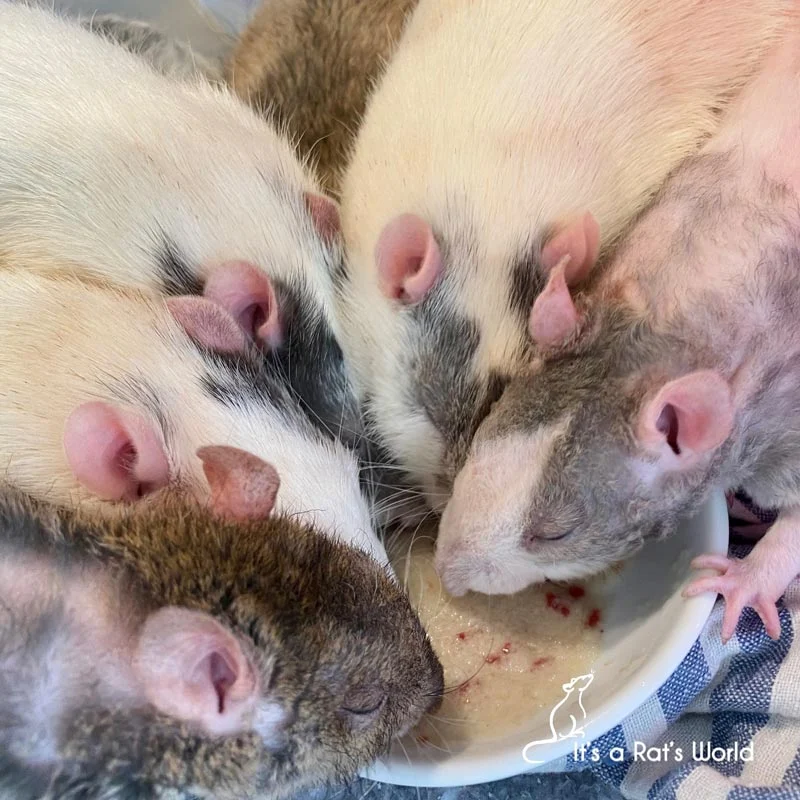
The persistent association between wild rats and unsanitary conditions remains one of the most significant barriers to the widespread adoption of domestic rats as household companions. While the species Rattus norvegicus—the ancestor of the common pet rat—is historically linked to urban pestilence and disease in wild populations, domesticated varieties have been selectively bred over centuries to exhibit docile temperaments and high standards of self-grooming. Despite this, public perception often fails to distinguish between the ecological role of wild rodents and the biological reality of well-cared-for domestic pets. Addressing the olfactory reality of rat ownership requires an examination of biological hygiene, environmental management, and the clinical indicators that distinguish a healthy pet from one in distress.
The Biological Reality of Rat Hygiene
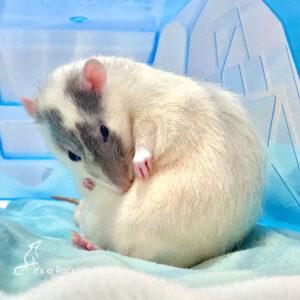
Domesticated rats are, by nature, fastidious groomers. Studies in rodent behavior indicate that pet rats dedicate a substantial portion of their waking hours to self-cleaning, utilizing their saliva and dexterous paws to remove debris and oils from their fur. This behavior is not merely cosmetic; it is a vital part of their social bonding and thermal regulation. Unlike many common household pets, such as canines, which may accumulate skin oils that produce a distinct "doggy" odor, healthy pet rats typically possess a subtle, pleasant scent. Experienced keepers often describe the aroma of intact male rats as reminiscent of warm grain or toasted cereal, while females and neutered males are frequently described as having a faint, sweet floral or "grape soda" scent.

This natural fragrance is an indicator of metabolic health. When a rat is properly hydrated and fed a high-quality, nutritionally balanced diet, their skin secretions remain within a normal olfactory range. However, this natural scent can be overwhelmed by external factors, primarily environmental hygiene.
Environmental Factors and Habitat Maintenance
The primary source of odor in any rat-inclusive household is not the animal itself, but the management of the cage environment. Because rats utilize specific corners of their habitat for elimination, the buildup of ammonia from urine—especially in poorly ventilated enclosures—is the leading cause of unpleasant smells.
Data from rodent husbandry experts suggest that cage size and the frequency of "spot cleaning" are the most critical variables in odor control. A standard cage maintenance schedule typically involves:
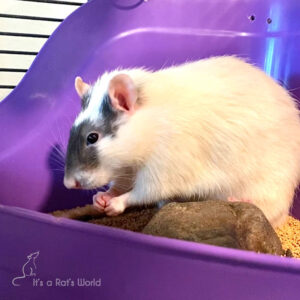
- Daily Maintenance: Removal of soiled bedding from high-traffic areas and cleaning of food bowls.
- Weekly Deep Cleaning: Sanitization of the entire enclosure using pet-safe, non-toxic cleaners.
- Ventilation Optimization: Ensuring the cage is located in a room with adequate airflow, as stagnant, humid air exacerbates the concentration of airborne particles and scents.
Environmental factors, such as ambient humidity and the number of inhabitants per enclosure, also play a role. Higher densities of rodents in a single cage necessitate more frequent cleaning intervals. Furthermore, male rats are more prone to scent-marking—a territorial behavior involving the deposition of small amounts of urine—which can contribute to a more noticeable odor profile compared to their female counterparts.
Clinical Indicators: When Odor Signals Illness
While a slight change in the scent of a rodent can be expected due to dietary shifts or hormonal fluctuations, persistent or foul-smelling odors serve as critical diagnostic markers for veterinarians. Owners are encouraged to perform regular "sniff tests" as part of a routine health assessment.
Clinical literature identifies several specific odors associated with underlying health issues:
- Rotting or Putrid Scents: Often indicative of abscesses, bacterial infections, or, in severe cases, necrotic tissue resulting from tumors, such as Zymbal’s gland carcinomas. These conditions require immediate surgical or antibiotic intervention.
- Sweet or Fruity Urine: A classic symptom of metabolic disorders, most notably diabetes mellitus. The presence of a white, calcified residue alongside a sweet-smelling discharge suggests that the animal is unable to properly process glucose, necessitating a change in diet and potential insulin monitoring.
- Genital Odors: Persistent, pungent smells from the urogenital area are frequently linked to urinary tract infections (UTIs) or the accumulation of proteinaceous plugs, particularly in aging males experiencing hind-leg degeneration. These plugs can block the urethra, leading to severe discomfort and secondary infections.
Case Study: Addressing Malnutrition and Gut Dysbiosis
Chronology of care for rescued rats often reveals a correlation between early-life neglect and severe, systemic odor. In cases involving rescued populations that arrive with an overwhelming, "rancid" scent, veterinarians have observed that the odor is often metabolic rather than external.
In instances where bathing fails to alleviate the smell, clinicians often look toward the gut microbiome. Research into rodent nutrition suggests that improper diets—often high in fillers or low-quality proteins—result in chronic soft stools and gut dysbiosis. The introduction of specific probiotic and prebiotic supplements, such as Bene-Bac Plus, has been documented to assist in restoring healthy digestive function. Following a period of nutritional rehabilitation, these rats typically revert to their natural, mild scent, confirming that the "stink" was a symptom of internal physiological distress rather than a permanent trait of the species.
Comparative Analysis of Domesticated Pet Odors
When comparing the olfactory footprint of rats to other common household pets, the results are highly subjective and dependent on the owner’s sensory sensitivity. Veterinary observations suggest that while cats are generally considered low-odor animals, the ammonia concentration in cat litter boxes is frequently more intense than the output of a well-maintained rat cage.
Conversely, the canine "funk"—often attributed to oils in the fur—is a common complaint among pet owners with sensitive olfactory systems. Unlike dogs, which may require regular bathing to manage their scent, rats rarely require water-based baths, as this can strip their skin of essential oils and lead to dry, irritated skin. Their self-grooming efficiency remains superior to most other domestic mammals.
Broader Implications and Public Perception
The persistence of the "filthy rat" myth has significant implications for animal shelters and rescue organizations. When the public perceives rats as inherently unhygienic, surrender rates increase and adoption rates decline. The reality, as supported by current husbandry practices, is that rats are among the most fastidious of all small mammals.
The shift in public policy and shelter outreach programs toward educating potential adopters about proper habitat maintenance and the "natural scent" of healthy rats is essential. By treating these animals with the same level of medical and environmental rigor as cats or dogs, owners can effectively mitigate the common misunderstandings surrounding their hygiene.
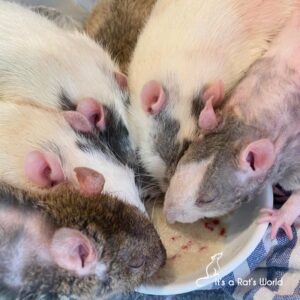
As professional veterinary standards continue to evolve, the consensus remains: a properly cared-for pet rat, living in a clean, stimulating, and nutritionally sound environment, is an exceptionally clean companion. The "odor" frequently associated with the species is, in almost all documented cases, a reflection of the environment provided by the owner or an indicator of an underlying medical condition requiring professional attention. Dispelling these myths is not only a service to the animal’s reputation but a vital step in improving the standard of care for one of the most intelligent and misunderstood species in the domestic sphere.

