


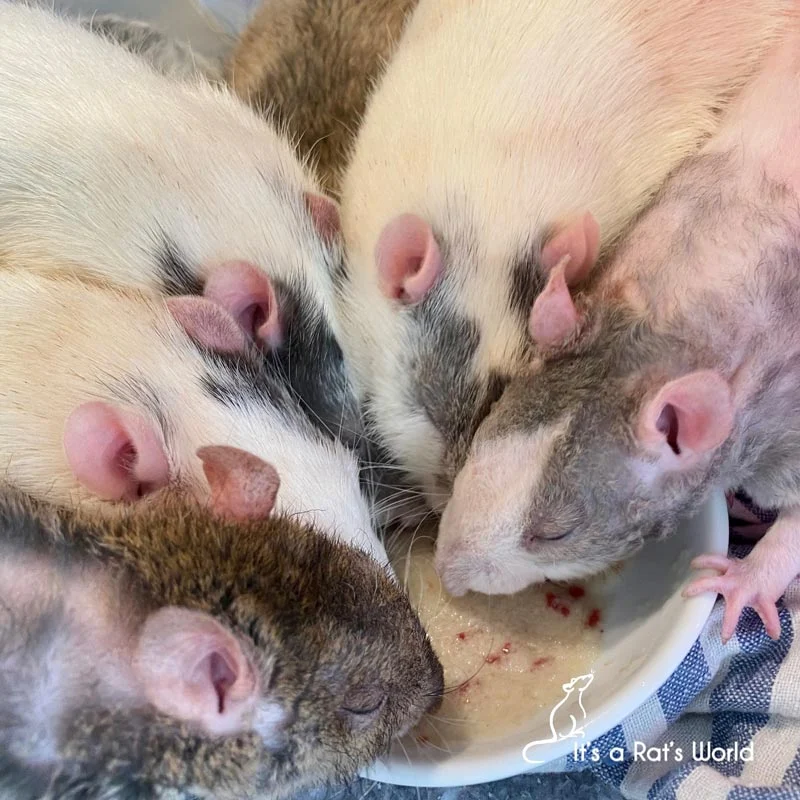
The historical association between wild rats and the spread of zoonotic diseases has left a lasting, albeit scientifically inaccurate, imprint on the public perception of domesticated rats. While Rattus norvegicus domestica shares a taxonomic lineage with its wild counterparts, domestic rats have been selectively bred for temperament and hygiene, rendering the "filth" label a misconception. Scientific observation confirms that domestic rats are fastidious groomers, yet the management of their living environment remains a critical factor in ensuring they remain odor-free companions. Misunderstandings regarding the biological and environmental triggers of rat-related odors often lead to unnecessary apprehension among potential owners, necessitating a evidence-based approach to understanding rodent husbandry and health.

The Biological Basis of Rat Hygiene and Self-Grooming
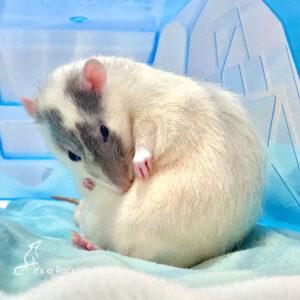
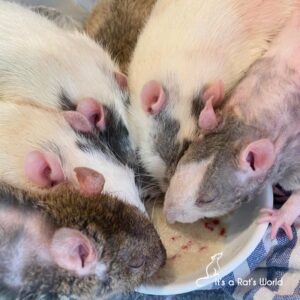
Unlike many other small mammals, domesticated rats possess an innate, rigorous grooming instinct. Observations by ethologists indicate that rats spend a significant portion of their waking hours engaged in self-grooming, which serves as both a social bonding mechanism and a biological necessity for cleanliness. This behavior acts as a natural deodorizer, effectively removing debris and preventing the buildup of bacteria on their fur.
Unlike dogs, which may develop a distinct "canine" scent due to skin oils and environmental exposure, or cats, whose litter boxes can produce overwhelming ammonia concentrations, healthy rats are typically noted for their subtle, pleasant scent. Reports from experienced owners and veterinary observations often describe the natural aroma of healthy, intact male rats as reminiscent of toasted grains or corn tortillas, while females and neutered males often emit a scent characterized as floral or slightly sweet. This natural fragrance is a direct result of their metabolic health and constant grooming, and it is rarely a source of household malodor when proper habitat maintenance is practiced.
Environmental Variables and Habitat Maintenance
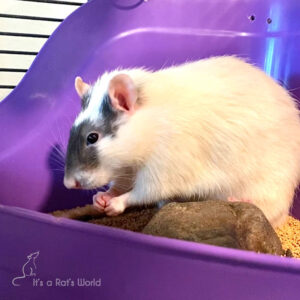
While the rats themselves are clean, their habitat is subject to the limitations of captive living. Because a rat’s cage functions as both a living space and a waste area, the accumulation of ammonia from urine is the primary cause of unpleasant odors. The rate at which these odors develop is dictated by several variables:
- Population Density: A larger number of rats in a single enclosure increases the frequency of waste production, necessitating more frequent sanitation cycles.
- Environmental Humidity: High humidity levels can exacerbate the concentration of airborne particles and odors, making small, poorly ventilated living spaces feel more pungent.
- Litter Training Efficacy: While rats are highly intelligent and capable of being litter-trained, the success rate varies by individual. Males, in particular, may engage in "scent marking" or territorial urination, which can lead to localized odors if not cleaned with appropriate enzymatic solutions.
According to veterinary guidelines for small mammal care, a consistent cleaning schedule—involving spot-cleaning daily and deep-cleaning the entire enclosure weekly—is the industry standard for maintaining a neutral-smelling environment. Failure to adhere to these maintenance protocols is the most common factor in domestic pet odor issues.
Clinical Implications of Abnormal Odors
A significant indicator of a rat’s health is the presence of unexpected or foul odors, which can serve as an early warning system for owners. Veterinary clinicians emphasize that any sudden shift in a pet rat’s scent should be treated as a potential diagnostic clue.
- Rotting or Putrid Scents: An odor suggestive of decay is often associated with bacterial infections, abscesses, or necrotic tissue. In cases involving the head or ear region, such smells have been clinically linked to Zymbal’s gland tumors—an aggressive form of carcinoma common in older rats.
- Sweet-Smelling Urine: A sickly, sweet aroma, particularly when accompanied by white, calcium-rich residue, is a hallmark sign of feline or rodent diabetes. Clinical management of this condition requires diagnostic testing of urine glucose levels and, frequently, dietary adjustments.
- Genital Odors: Persistent, pungent smells from the genital region may indicate urinary tract infections (UTIs), kidney stones, or the presence of "penis plugs"—a collection of proteinaceous debris that can obstruct the urethra. Elderly rats, particularly those suffering from hind-leg degeneration, are at a higher risk of these complications due to a reduced ability to groom themselves effectively.
Investigating Nutritional and Gut-Related Malodors
A documented, though less common, phenomenon involves rats arriving from neglectful or impoverished backgrounds that emit an "otherworldly" rancid odor. Research into this issue suggests that such smells are not external but systemic, likely resulting from poor gut flora and malnutrition.
In cases of rescued rats suffering from chronic, soft stools and pervasive, foul-smelling skin, veterinary interventions often focus on restoring the gastrointestinal microbiome. The introduction of specific probiotic and prebiotic supplements, such as Bene-Bac Plus, has been shown to assist in stabilizing gut health. Within 30 to 60 days of dietary correction and probiotic support, these animals typically return to their natural, pleasant scent profile. This suggests that a rat’s odor is, in many ways, a direct reflection of its nutritional status and digestive health.
Comparative Analysis of Domestic Pet Odors
When analyzing the "smell profile" of various household pets, researchers often find that human perception is highly subjective and heavily influenced by olfactory sensitivity.
- Felines: While cats are generally considered low-odor animals, the ammonia content in their waste is a common source of olfactory distress for humans, often leading to sinus irritation.
- Canines: Dogs present a more complex profile. While their ability to eliminate waste outdoors is an advantage, the natural oils in their fur can accumulate odors that are difficult to mitigate without frequent bathing. Furthermore, canine dental health is a significant factor in breath odor, which can be far more pervasive than any scent associated with rats.
- Ferrets: Known for their distinct musky scent, ferrets occupy a unique category. Their odor is a biological byproduct of their scent glands and is often described as "musky" or "earthy." Unlike rats, which can maintain a neutral scent through self-grooming, ferrets require specific care to manage their natural aroma.
Broader Impact and Public Perception
The ongoing stigma surrounding rats presents a barrier to adoption for these intelligent, social animals. The scientific community and animal welfare organizations continue to advocate for a distinction between wild, disease-carrying populations and the domesticated strains found in homes. The data clearly indicates that the "dirty" reputation of the domestic rat is largely a holdover from historical prejudices rather than a reflection of their current reality.
As pet ownership trends shift toward smaller, more space-efficient animals, the popularity of the rat as a "pocket pet" is expected to grow. The primary challenge for the future is public education. By shifting the focus from outdated myths to modern, hygiene-based husbandry practices, owners can enjoy the companionship of these animals without the burden of environmental odor. Ultimately, the evidence demonstrates that with proper diet, regular habitat maintenance, and prompt veterinary care, the domestic rat is an exceptionally clean and pleasant pet, contradicting the centuries-old narrative of filth that has historically defined the species.

