

The clinical presentation of a collapsing ferret represents a significant diagnostic challenge for practitioners in exotic animal medicine, requiring rapid assessment, precise differential diagnosis, and immediate intervention. As of March 18, 2026, LafeberVet has expanded its educational outreach by launching a specialized webinar titled "The Collapsing Ferret," which has received official approval from the American Association of Veterinary State Boards (AAVSB) Registry of Approved Continuing Education (RACE). This program offers one hour of continuing education (CE) credit to veterinarians and veterinary technicians, marking a concerted effort to standardize the diagnostic approach to ferret health emergencies across North America.
Clinical Context and the Ferret Patient
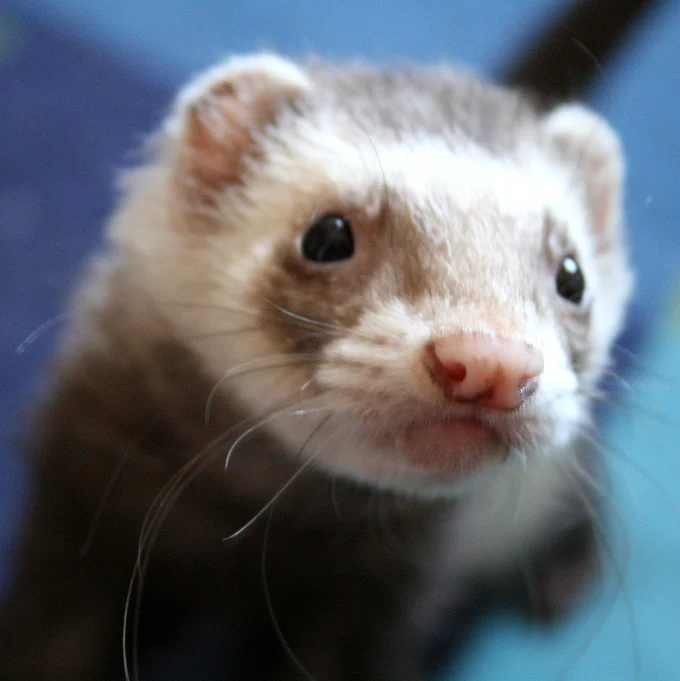
The domestic ferret (Mustela putorius furo) has become an increasingly popular household companion, yet its physiological predispositions—particularly in its geriatric years—often manifest as acute collapse. Clinical collapse in ferrets is rarely a primary condition; rather, it is frequently the culmination of systemic metabolic, cardiovascular, or endocrine dysfunctions.
Veterinarians are tasked with distinguishing between common etiologies such as insulinoma—the most frequently diagnosed neoplasia in domestic ferrets—and other serious conditions like cardiomyopathy or severe hypoglycemia. The complexity of these cases is compounded by the ferret’s high metabolic rate, which can accelerate the progression of disease from asymptomatic to critical within hours. The AAVSB RACE-approved curriculum developed by Dr. Cathy Johnson-Delaney aims to provide practitioners with the diagnostic algorithms necessary to stabilize these patients before moving toward definitive treatment.
Timeline of Diagnostic Evolution
Over the past decade, the veterinary community has observed a shift in how ferret emergencies are managed. Historically, diagnostic tools were limited, and the window for effective intervention was narrow. The following chronology highlights the evolution of these clinical standards:
- 2016–2019: Increased focus on point-of-care diagnostics. The adoption of handheld glucometers allowed practitioners to identify hypoglycemia in the clinic, providing a baseline for identifying insulinoma.
- 2020–2023: Advancements in echocardiography for exotic species enabled veterinarians to better diagnose hypertrophic and dilated cardiomyopathy in ferrets, moving beyond physical examinations and radiographs.
- 2024: Integration of multidisciplinary webinars and digital learning platforms.
- March 2026: Launch of the AAVSB RACE-approved module, formalizing the continuing education requirements for practitioners to stay abreast of current clinical protocols for acute collapse.
Supporting Data: The Prevalence of Insulinoma and Cardiac Disease
The urgency of the training provided in the new webinar is underscored by the high prevalence of insulinoma in middle-aged to geriatric ferrets. Data indicates that insulinoma is a pancreatic beta-cell tumor that results in the oversecretion of insulin, leading to profound hypoglycemia. Clinical signs, which can manifest as lethargy, hind-limb weakness, or frank seizure and collapse, are often episodic.
Furthermore, cardiovascular health in ferrets is a growing concern. Studies have suggested that up to 15–20% of geriatric ferrets present with some degree of cardiac remodeling or heart failure. The overlap in symptoms—lethargy and exercise intolerance—makes the differential diagnosis between metabolic collapse (insulinoma) and cardiac-induced collapse (cardiomyopathy) vital. The webinar provides a structured framework for using blood glucose monitoring, blood pressure measurement, and thoracic radiography to triage these patients effectively.
Educational Standards and AAVSB RACE Approval
The AAVSB RACE program is the gold standard for continuing education in the veterinary field. By securing this accreditation, the "Collapsing Ferret" module ensures that the clinical information provided meets rigorous, evidence-based standards. The module includes a comprehensive post-test, requiring participants to demonstrate competency in identifying the clinical manifestations of collapse and proposing appropriate management plans.
Veterinarians and technicians are permitted three attempts to pass the post-test, reflecting a pedagogical commitment to mastery rather than mere completion. Upon passing, participants receive a certification that is recognized by most state boards, facilitating the maintenance of professional licenses. This accreditation serves as a form of quality assurance, ensuring that practitioners are not relying on outdated protocols but are instead utilizing the latest, peer-reviewed methodology.
Implications for Veterinary Practice
The introduction of this specialized training has broader implications for the field of exotic animal medicine. As private practice becomes more specialized, the demand for high-quality, accessible education increases. The shift toward online, RACE-approved modules allows practitioners in rural or underserved areas to access the same level of training as those at large university teaching hospitals.
- Standardization of Care: By aligning the diagnostic approach to collapse, the veterinary community reduces the likelihood of diagnostic delay, which is often the primary driver of mortality in ferret emergency cases.
- Technician Empowerment: The inclusion of veterinary technicians in the CE credit structure acknowledges their critical role in patient monitoring and triage. Well-trained technicians are often the first to recognize the signs of a pre-collapse state in hospitalized ferrets.
- Economic and Clinical Efficiency: With a clearer diagnostic pathway, clinics can allocate resources more effectively, avoiding unnecessary or repetitive testing while focusing on high-impact interventions.
Analysis of Diagnostic Challenges
The "Collapsing Ferret" curriculum addresses the diagnostic nuance required for geriatric care. For example, a ferret presenting with collapse may have comorbid conditions. A patient with insulinoma may also have concurrent cardiac issues, requiring a delicate balance in treatment—such as the administration of steroids for insulinoma, which must be carefully managed to avoid exacerbating cardiac stress.
Dr. Johnson-Delaney’s approach emphasizes the "triage-first" philosophy. The educational content guides the clinician through the initial stabilization phase: correcting glucose levels, managing potential cardiac arrhythmias, and addressing fluid balance. Once the patient is stabilized, the module shifts to long-term management strategies, including dietary modifications, pharmacological interventions (such as diazoxide or prednisolone), and regular monitoring schedules.
Official Response and Access Requirements
The accessibility of this training is contingent upon membership within the LafeberVet community, an organization dedicated to the education of exotic animal practitioners. By gatekeeping the content through a professional membership, the program ensures that the information is disseminated to individuals with a clinical background capable of implementing the diagnostic procedures safely.
For those in jurisdictions that require specific CE hours, the recognition of this module by the AAVSB is a significant development. It underscores the transition of exotic animal medicine from a niche interest to a formal, regulated discipline within the broader scope of veterinary science.
Future Outlook
As diagnostic technology continues to improve—specifically in the realms of minimally invasive blood testing and point-of-care imaging—the management of the collapsing ferret will likely become even more refined. The current focus on education serves as the necessary bridge between academic research and daily clinical practice. By ensuring that practitioners are well-versed in the latest data regarding hypoglycemia, cardiomyopathy, and metabolic dysfunction, the veterinary profession improves the prognosis for one of the most common, yet complex, patients in the exotic animal ward.
The "Collapsing Ferret" webinar stands as a testament to the ongoing professionalization of veterinary care for exotic pets. As the industry moves forward, the integration of structured, accredited continuing education will remain the primary mechanism for maintaining high standards of care, ensuring that when a ferret owner presents with a collapsing pet, the veterinary team is equipped with the knowledge, the tools, and the professional training to respond effectively. The commitment shown by LafeberVet in securing RACE approval reflects a broader trend toward accountability and excellence in the specialized care of non-traditional companion animals.

