


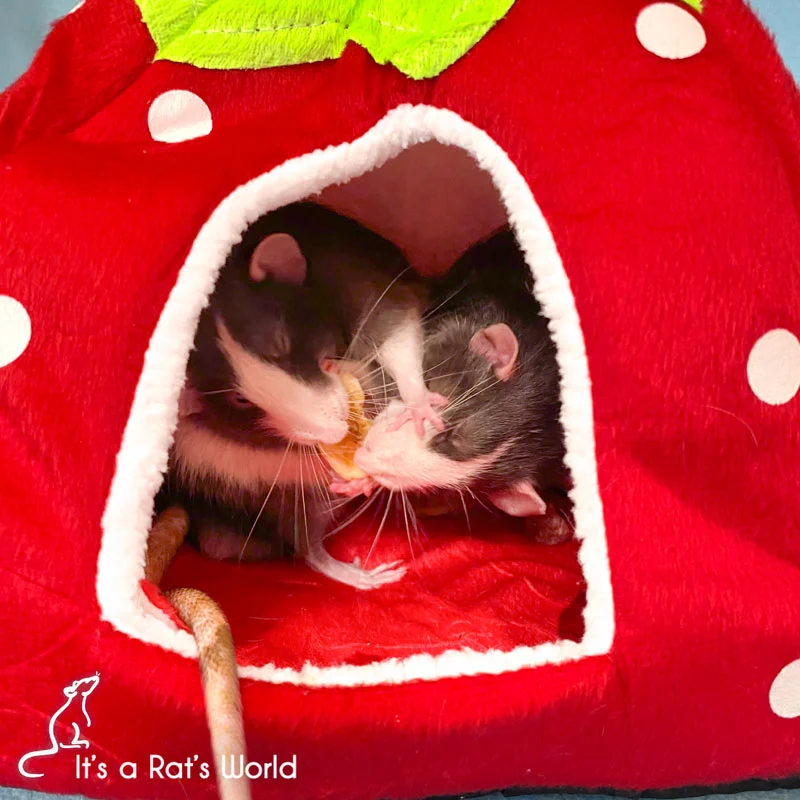
The perception of rats often conjures images of urban pests, yet for a dedicated community of pet owners and enthusiasts, these rodents are cherished companions, celebrated for their intelligence, social nature, and a surprising array of peculiar behaviors. This article delves into the fascinating, often overlooked, idiosyncrasies of domestic rats, moving beyond common misconceptions to highlight the unique traits that make them such engaging pets. From vocalizations that mimic contentment to elaborate grooming rituals and even peculiar sleeping habits, the inner world of a pet rat offers a rich tapestry of behavioral phenomena that continue to intrigue and endear.
Understanding Rat Behavior: Beyond the Stereotype
The journey into understanding rat behavior begins with dispelling the deeply ingrained negative stereotypes. Historically, rats have been associated with disease and unsanitary conditions, largely due to their association with wild populations and their role as vectors in past epidemics. However, domestic rats, when properly cared for and maintained in clean environments, are remarkably clean animals. Their complex social structures and cognitive abilities are only now beginning to be fully appreciated by the wider public. This exploration aims to provide a comprehensive overview of some of the most endearing and unusual behaviors observed in pet rats, offering insights into their emotional lives and social interactions.
Bruxing and Boggling: The Symphony of Rat Contentment
Among the most iconic and widely recognized behaviors of pet rats are "bruxing" and "eye boggling." These intertwined phenomena are considered primary indicators of a rat’s emotional state, particularly contentment and pleasure.

Bruxing is the act of rhythmic grinding of the rat’s teeth. While it serves a practical purpose in keeping their continuously growing incisors at a manageable length, it is also a significant form of emotional expression. Rats will brux when they are relaxed, happy, and feeling secure, much like a cat purrs. This soft, chattering sound is a comforting auditory cue for owners, signaling a state of well-being. Conversely, bruxing can also occur when a rat is stressed or frightened, although this is typically accompanied by other signs of distress. However, the more common association, and the one that brings the most joy to rat owners, is its manifestation as a sign of profound happiness.
Eye boggling, a visual spectacle that often alarms new owners, is the rapid, involuntary movement of the rat’s eyeballs. This causes the eyes to bulge outwards and vibrate within their sockets, creating a striking, almost cartoonish effect. This dramatic display is intrinsically linked to bruxing. The intense jaw muscle contractions required for vigorous bruxing transmit vibrations to the muscles surrounding the eyes, leading to the boggling phenomenon. Therefore, seeing a rat eye boggle is a direct visual confirmation of significant positive emotional arousal.
The initial encounter with eye boggling can be unsettling. Without prior knowledge, the sudden, exaggerated movement of a rat’s eyes can be mistaken for a sign of distress or a serious medical condition. Anecdotal evidence from rat owners suggests a common initial reaction of alarm, often leading to veterinary consultations. However, veterinary professionals specializing in exotic pets widely recognize this as a normal and desirable behavior. The lack of widespread understanding in general veterinary training has historically led to misinterpretations, with some owners being advised that they might have imagined the phenomenon. The advent of online resources and social media platforms dedicated to rat care has been instrumental in educating new owners and demystifying this peculiar yet endearing behavior.
The Art of Grooming: Fastidiousness in Miniature
Contrary to the popular image of rats as unsanitary creatures, domestic rats are remarkably fastidious groomers. This behavior is not only essential for hygiene but also serves as a social bonding mechanism and a stress-relief activity.

Rats dedicate significant portions of their day to self-grooming. They meticulously clean their fur using their paws, which they wet with saliva, and their teeth, which they use to nibble away dirt and loose hairs. This process can appear quite elaborate, with rats contorting their bodies into seemingly impossible positions to reach every part of their anatomy. They will meticulously clean their faces, bodies, and limbs.
A particularly fascinating aspect of rat grooming is their dedication to their feet. Many rats will spend considerable time splaying out their toes and meticulously cleaning each one, often appearing as if they are performing a detailed manicure. This level of attention to detail underscores their innate drive for cleanliness.
However, there is one area that often eludes even the most diligent rat groomer: their tail. While some rats may occasionally clean their tails, it is a far less common sight. Owners who witness tail grooming often consider it a unique and noteworthy event, highlighting how even within a single species, individual habits can vary significantly. This selective grooming of the tail can be attributed to its anatomical position and the rat’s ability to maneuver its body.
Allogrooming: Social Bonds and Unsolicited Services
Beyond self-grooming, rats engage in allogrooming, the act of grooming other individuals. This behavior is crucial for maintaining social cohesion within a rat colony and is a strong indicator of positive social relationships. Rats will groom their cagemates, cleaning their fur, ears, and even their faces.
This inclination to groom extends to their human companions. While often appreciated as a sign of affection and bonding, it can sometimes manifest in ways that are both endearing and slightly alarming. Rats may become particularly fixated on certain areas of their owner’s body.
Hair grooming is a common allogrooming behavior, where rats will lick or gently nibble at their owner’s hair. Some rats develop a particular fondness for grooming their owner’s face. They may gently lick cheeks, noses, and even eyelids. While the intention is benevolent, the sensitive nature of these areas can make the experience feel less than gentle.
Perhaps one of the most striking and amusing manifestations of allogrooming is the rat’s fascination with human fingers and nails. Many rats will meticulously groom their owner’s fingers, paying close attention to the nails. This has led to the coining of the term "rodentistry" within the rat-keeping community. A rat exhibiting this behavior is known as a rodentist, dedicated to providing a "rat-icure" to their human.
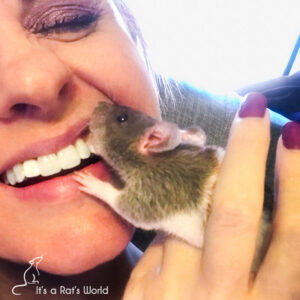
These rodentists are known for their persistence. They will often attempt to pry open their owner’s mouth with their paws, sometimes with surprisingly sharp nails, to gain access to their teeth. This behavior, while seemingly intrusive, is believed to stem from the rat’s instinct to clean and maintain the hygiene of its social group. The experience for the owner can range from ticklish to slightly uncomfortable, but for many, it is a cherished and humorous interaction that deepens their bond with their pet. The dedication of a rodentist rat, as exemplified by the anecdote of Rory, the eye-boggling rodentist, highlights the extent to which these animals can integrate their natural behaviors into their human-animal relationship.
The Art of the "Snack Attack": Food Acquisition and Sharing
Rats are opportunistic feeders, and this trait extends to their interactions with their human companions. During out-of-cage time, especially when food is present, rats exhibit a remarkable lack of hesitation in their pursuit of sustenance.
They possess an acute sense of smell and will quickly detect the presence of food. Instead of politely requesting a share, they will often engage in what can only be described as a "snack attack." Rats will brazenly approach, attempting to snatch food directly from plates or even fingers. They are known to be persistent, and even stuffing food into one’s mouth is not a foolproof defense, as they may attempt to lick it away or even dive for it.
This behavior is not directed solely at humans; it is a reflection of their social dynamics within their own species. Rats are known to steal food from their cagemates, sometimes even from each other’s mouths. This competitive foraging behavior is a natural part of their social hierarchy.
The implication for owners is that enjoying a meal in the presence of free-roaming rats requires a certain level of vigilance and acceptance. Beverages are not exempt either, with rats often perching on the rims of glasses and mugs to partake in whatever is available. This behavior, while potentially inconvenient, is a testament to their bold and inquisitive nature.
Peculiar Sleeping Positions: The Back-Sleepers
While many animals exhibit predictable sleeping postures, rats can surprise their owners with their preferred sleeping positions. Generally, rats tend to sleep in more tucked-in or curled positions, likely to maintain a sense of security and vulnerability. Lying on their backs can expose their vital organs, making them feel vulnerable to predators in the wild.
However, a subset of domestic rats defies this general tendency, becoming what are affectionately known as "back-sleepers." These rats will happily sprawl out on their backs, legs splayed, appearing utterly relaxed and unconcerned about their exposed state. This behavior is often seen as an ultimate sign of trust and comfort in their environment and with their human companions.
The anecdote of Moffett and Brinley, who not only slept on their backs but also influenced their cagemate to adopt the same habit, illustrates the social transmission of behavior within rat groups. This communal sleeping posture adds another layer of charm and visual appeal to observing these animals at rest.
Drinking in Tandem: A Social Hydration Ritual
Another fascinating social behavior observed in rats is their tendency to drink water simultaneously, often referred to as "drinking in tandem." This behavior, while not exclusive to any single rat, was particularly pronounced in an individual named Potter.

Potter exhibited a strong aversion to drinking water alone. If another rat approached the water bottle, he would cease whatever activity he was engaged in and race to join them. This behavior was apparently contagious within his group, as eventually, all four rats in his enclosure would attempt to drink from the single water bottle nozzle at the same time.
Adding an extra layer of peculiarity, Potter often performed his drinking ritual while lying on his back, directly beneath the water bottle. This position not only highlighted his unique preferences but also inconveniently obstructed access for his cagemates unless they woke him. This elaborate social hydration ritual underscores the complex social dynamics and individual personalities that can emerge within a group of rats. While Potter was a particularly dramatic example, the tendency for rats to engage in group drinking has been observed in other individuals, suggesting it is a multifaceted behavior influenced by social needs and individual disposition.
The Unending Discovery of Rat Quirks
The behaviors described above represent only a fraction of the myriad of amusing and intriguing traits that domestic rats possess. Each rat, like any individual animal, develops its own unique personality and set of quirks. The continuous observation of these animals reveals new and surprising habits, reinforcing their status as highly engaging and intelligent companions. The moment an owner believes they have witnessed every possible oddity, their rat is likely to present a new behavior that defies expectation, further solidifying their capacity to surprise and delight. The ongoing exploration of these traits not only enriches the lives of rat owners but also contributes to a deeper understanding and appreciation of these often-misunderstood creatures.

