


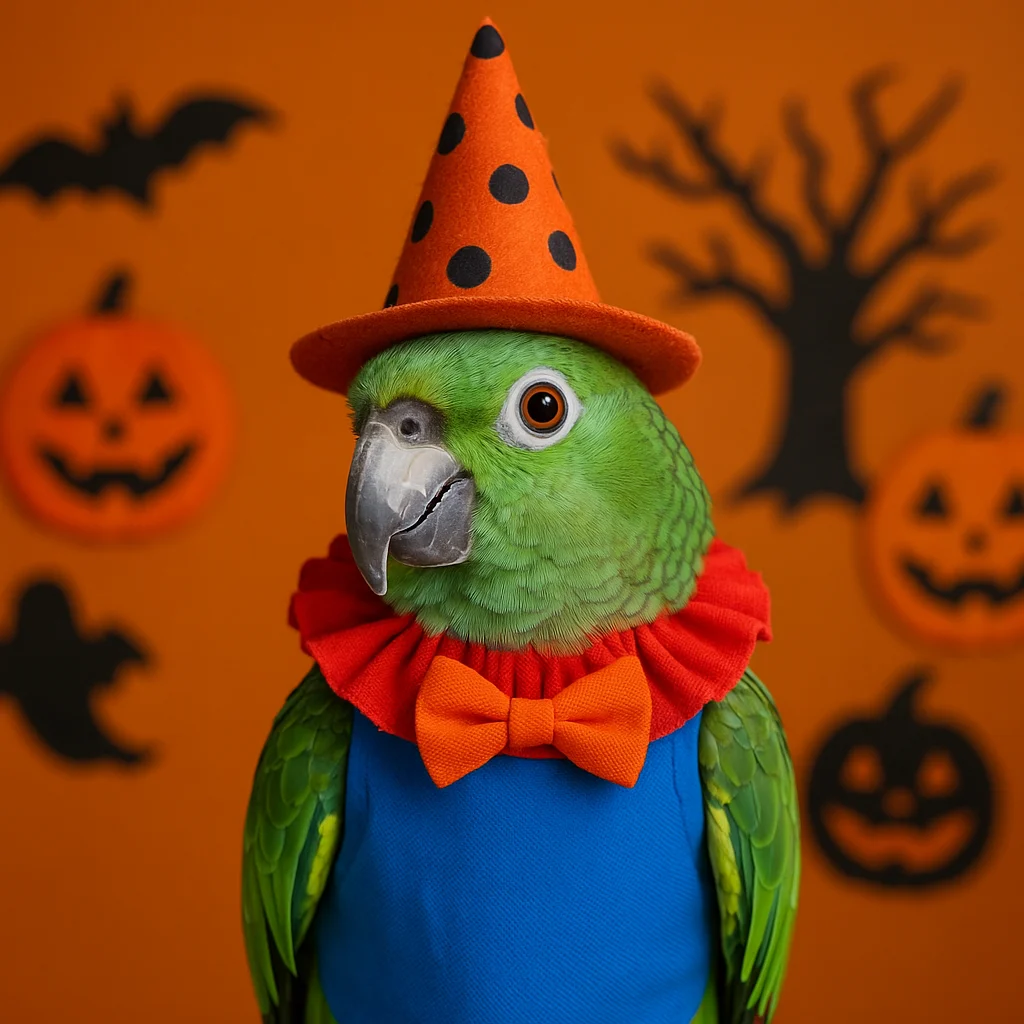
Halloween, a festive occasion marked by costumes, candy, and spirited revelry, can inadvertently transform into a night of profound anxiety and distress for the nation’s feathered companions. While humans delight in spooky decorations and doorbell rings, the cacophony of the holiday often overwhelms the sensitive sensory systems of birds, triggering their innate flight-or-fight responses. Proactive measures and informed care are essential to safeguard the well-being of parrots and other avian pets during this potentially stressful period.
The Avian Perspective: Why Halloween Can Be Terrifying
Birds, as prey animals in the wild, possess highly acute senses developed for survival. Their finely tuned hearing, exceptional vision, and innate cautiousness make them particularly vulnerable to the sudden and unpredictable environmental changes that characterize Halloween night. The typical celebratory elements – constant doorbells, flashing lights, unfamiliar costumes, and loud noises – are not merely minor disturbances; they represent significant threats to a bird’s sense of security and routine.
- Sensory Overload: Avian hearing is remarkably sensitive, often extending to higher and lower frequencies than human hearing, and birds can distinguish sounds with greater precision. A doorbell, the excited shrieks of children, or a spooky soundtrack, which might be merely background noise to a human, can register as an overwhelming assault on a bird’s auditory system. Similarly, their vision, capable of perceiving a broader spectrum of light, makes them acutely aware of flickering lights, rapid movements, and the stark contrast of unfamiliar decorations or costumes.
- Disruption of Routine: Companion birds thrive on predictability. Their daily lives are typically structured around consistent feeding times, interaction schedules, and, critically, an uninterrupted sleep cycle. Halloween festivities often commence precisely when birds are preparing for their essential 12-14 hours of darkness and quiet. This disruption can lead to significant stress, affecting their physical health and behavioral stability.
- Innate Fear Responses: The sudden appearance of masked strangers or individuals in elaborate costumes can mimic the presence of predators, triggering a primal fear response in birds. This can manifest as screaming, biting, frantic pacing, feather plucking, or an attempt to hide, all indicators of acute distress. The release of stress hormones like corticosterone can have immediate behavioral effects and, if prolonged, can contribute to chronic health issues.
Key Stressors and Comprehensive Mitigation Strategies
Understanding the specific triggers for avian anxiety allows for targeted interventions to create a serene environment for pets.
1. Noise Pollution: The Symphony of Stress
The most pervasive stressor on Halloween is often the noise. Doorbells, excited children, festive music, and even general neighborhood chatter can be overwhelming.
- Impact: Elevated noise levels can lead to increased heart rate, rapid breathing, and heightened vigilance in birds. Prolonged exposure to high decibels can cause auditory damage and severe psychological distress. Studies in animal welfare consistently show that unpredictable and loud noises are significant contributors to stress in many species.
- Mitigation Strategies:
- Relocation to a Sanctuary Space: The most effective strategy is to move the bird’s cage to an interior room, ideally one that is typically quiet and furthest from the front door. This room should have minimal external windows to reduce visual stimuli.
- Sound Buffering: Close all windows and doors in the designated quiet room. Use heavy curtains or blankets over windows to further dampen sound.
- White Noise or Calming Music: Introduce a white noise machine, a fan, or play soft, calming classical music or nature sounds (e.g., gentle rain, distant ocean waves) at a moderate volume. This helps to mask external Halloween noises. Research suggests certain frequencies and types of music can have a calming effect on animals.
- Cage Covering: Cover the bird’s cage with a breathable, opaque cage cover. This provides a sense of security and darkness, further muffling sounds and blocking visual distractions. Ensure adequate ventilation.
2. Visual Disruptions: The Peril of the Unfamiliar
Costumes, masks, flashing lights, and general unusual activity can be profoundly unsettling.
- Impact: Birds perceive masks and unfamiliar human shapes as potential threats or predators. Their keen eyesight registers flashing lights as erratic, unpredictable stimuli, which can cause alarm and disorientation.
- Mitigation Strategies:
- Physical Separation: Ensure the bird is in a room where it cannot see guests in costumes or the flashing lights of decorations. If guests are visiting, the bird should remain in its designated safe room.
- Avoid Direct Exposure: Do not bring your bird out to "greet" trick-or-treaters or expose them to people in costumes, even if they are familiar family members. The disguise can completely alter their perception of a trusted individual.
- Dim Lighting: Keep the lighting in the bird’s safe room soft and consistent, avoiding any flickering or bright, sudden changes.
- Skip the Photoshoot: While tempting for social media, dressing birds in costumes for photoshoots is highly stressful and can restrict their movement or breathing. It is strongly discouraged by avian experts.
3. Disruption of Sleep Cycles: The Cost of a Restless Night
Trick-or-treating typically occurs during peak evening hours, directly interfering with a bird’s crucial sleep period.
- Impact: Birds require 12-14 hours of uninterrupted sleep in darkness for optimal health. Sleep deprivation can lead to irritability, aggression, increased vocalization, weakened immune function, and a heightened susceptibility to stress-related behaviors like feather plucking. The circadian rhythm, vital for all biological functions, is heavily reliant on consistent light and dark cycles.
- Mitigation Strategies:
- Early Bedtime: Begin the bird’s bedtime routine earlier than usual on Halloween night. Cover the cage and move it to its dark, quiet sleep space well before trick-or-treaters begin arriving.
- Consistent Darkness: Ensure the sleep area is genuinely dark. Even small amounts of light from streetlights or under a door can disrupt a bird’s sleep.
- Maintain Routine: Adhere to the bird’s regular daily schedule as much as possible leading up to and after Halloween to minimize overall stress.
4. Environmental Changes: Beyond Sight and Sound
Subtle environmental changes, such as new smells from decorations, candles, or even unfamiliar food, can also contribute to avian stress.
- Impact: Birds have sensitive respiratory systems. Strong scents from scented candles, air fresheners, or even certain cleaning products can be irritating or toxic. New objects in their environment, like Halloween decorations, can be perceived as novel threats.
- Mitigation Strategies:
- Ventilation and Air Quality: Ensure good ventilation in the bird’s safe room, but avoid open windows that might expose them to outdoor noises. Do not use scented candles, diffusers, or aerosol sprays anywhere near your bird.
- Decoration Placement: Keep all Halloween decorations, especially those with small parts or toxic materials, completely out of reach of curious beaks. Introduce any new items into the bird’s direct environment gradually, well in advance, or not at all on stressful days.
- Toxic Treats: Absolutely no human Halloween candy should be shared with birds. Chocolate, artificial sweeteners, and high sugar content are toxic. Stick to safe, avian-appropriate treats like plain almonds, walnuts, or unsweetened dried fruit.
Expert Insights and Recommendations
Avian experts, like Diane Burroughs, LCSW, a specialist in parrot behavior and wellness, emphasize a holistic approach to avian care, particularly during stressful periods.
- Proactive Preparation: Burroughs advocates for planning ahead. "Knowing your bird needs calm and predictability is one thing, but actually creating that peace takes the right tools," she notes. This includes setting up a safe space days in advance, allowing the bird to acclimate.
- Calming Aids: Natural calming formulas, such as UnRuffledRx™ Calming Formula, or topical aids like Aloe Vera Spray, can help reduce anxiety. These products are often formulated with natural ingredients designed to support the bird’s nervous system or provide soothing relief. It is crucial to use only avian-specific, veterinarian-approved products.
- Positive Reinforcement: Instead of comforting a fearful bird, which can inadvertently reinforce the fear, reward calm behavior. When the bird shows signs of relaxation, offer a favorite treat or gentle praise. This builds resilience and teaches the bird that calm responses are desirable.
- Enrichment: Providing a favorite foraging toy or puzzle before the evening’s commotion begins can help distract the bird and engage its natural behaviors in a positive way, fostering a sense of normalcy and security.
Broader Implications of Avian Stress
The implications of chronic or acute stress on companion birds extend beyond a single night of anxiety.
- Long-Term Health: Persistent stress can compromise a bird’s immune system, making them more susceptible to infections and illnesses. It can also exacerbate existing health conditions and lead to stress-induced behaviors like feather plucking or self-mutilation, which are difficult to reverse.
- Behavioral Regression: A bird that experiences severe stress may regress in its training, become more aggressive, or develop phobias that impact its quality of life and the human-animal bond.
- Responsible Pet Ownership: Providing a safe, predictable, and enriching environment is a fundamental responsibility of pet ownership. Holidays like Halloween highlight the need for owners to anticipate and mitigate potential stressors, demonstrating a commitment to their pet’s physical and psychological well-being. This proactive approach sets a standard for ethical pet care.
A Proactive Approach: A Halloween Timeline for Bird Owners
Weeks Before Halloween:
- Identify a Safe Zone: Designate a quiet, interior room for your bird on Halloween night.
- Practice Relocation: If moving the cage is necessary, practice doing so gently a few times to minimize novelty on the actual day.
- Test Calming Sounds: Introduce white noise or calming music for short periods to see your bird’s reaction.
- Review Supplies: Ensure you have a breathable cage cover, calming supplements (if using), and favorite foraging toys.
The Day of Halloween:
- Early Meal: Feed your bird earlier than usual to ensure they are satiated before the evening begins.
- Pre-Emptive Move: Move your bird’s cage to the designated quiet room well before trick-or-treaters are expected.
- Set the Mood: Cover the cage, dim the lights, and start the white noise or calming music.
- Offer Enrichment: Provide a favorite foraging toy or a special, safe treat inside the cage to occupy them.
- Limit Interactions: Minimize direct interaction with your bird once it’s settled in its safe space.
During Trick-or-Treating:
- Monitor (Discreetly): Periodically check on your bird from a distance, observing for signs of distress without disturbing them.
- Maintain Boundaries: Ensure guests and children do not approach the bird’s room.
Aftermath (The Next Day):
- Gradual Return: Slowly reintroduce your bird to its normal environment and routine.
- Observe Behavior: Watch for any lingering signs of stress, such as changes in appetite, activity level, or vocalizations.
- Positive Reinforcement: Reward calm behavior and re-establish normal interaction patterns.
Halloween Bird Safety FAQ (Expanded)
Q: Can I dress my bird in a Halloween costume?
A: No. While the idea might seem charming, costumes are highly stressful for birds. They can restrict movement, interfere with their natural preening, cause overheating, and even impede breathing. The unfamiliar sensation can also trigger fear.
Q: What are the common signs of stress in a bird?
A: Signs include rapid breathing or panting, fluffed feathers (unless sleeping), dilated pupils, frantic pacing, hiding, screaming, biting, excessive preening leading to feather damage, and changes in appetite or vocalization patterns.
Q: What if my bird screams or bites all night out of fear?
A: Ensure the bird is in a completely quiet and dark space. Use white noise to mask external sounds. Instead of reacting to screams (which can unintentionally reinforce the behavior), try to reward quiet moments with soft praise or a small, healthy treat when the immediate threat has passed. If behavior is extreme or persistent, consult an avian veterinarian or a certified avian behaviorist.
Q: Can I share Halloween candy or human treats with my bird?
A: Absolutely not. Most human treats contain ingredients like chocolate, caffeine, xylitol, excessive sugar, or artificial colorings and flavors, all of which are toxic or harmful to birds. Stick to plain, bird-safe options like small pieces of unsweetened fruit (e.g., apple, banana, berries), plain nuts (e.g., almond, walnut), or their regular fortified pellets.
Q: Are certain bird species more sensitive to Halloween stressors than others?
A: While all companion birds can experience stress, highly intelligent species like African Greys or Cockatoos, known for their complex emotional lives, may exhibit more pronounced behavioral changes. Timid species, or those with a history of anxiety, may also react more intensely. However, proactive measures are beneficial for all avian pets.
Q: What if my bird escapes during Halloween?
A: The risk of escape is significantly higher during holidays when doors open frequently and birds are stressed. Always ensure windows are closed, and doors leading outside are secured. If a bird does escape, remain calm, try to lure it with its favorite food or toy, and immediately contact local animal control or avian rescue organizations. Prevention is paramount.
In conclusion, Halloween, with its unique blend of excitement and disruption, necessitates a thoughtful and compassionate approach to avian care. By understanding the specific vulnerabilities of companion birds and implementing proactive strategies – from creating quiet sanctuaries and maintaining consistent routines to utilizing expert-recommended calming aids – pet owners can transform a potentially terrifying night into a calm, cozy, and scare-free experience for their feathered family members. This commitment to their well-being ensures that the bond between humans and their avian companions remains strong, built on trust, security, and a deep understanding of their unique needs.
By Diane Burroughs, LCSW, an expert in parrot behavior and wellness, published October 14, 2025, and last updated November 03, 2025.

