


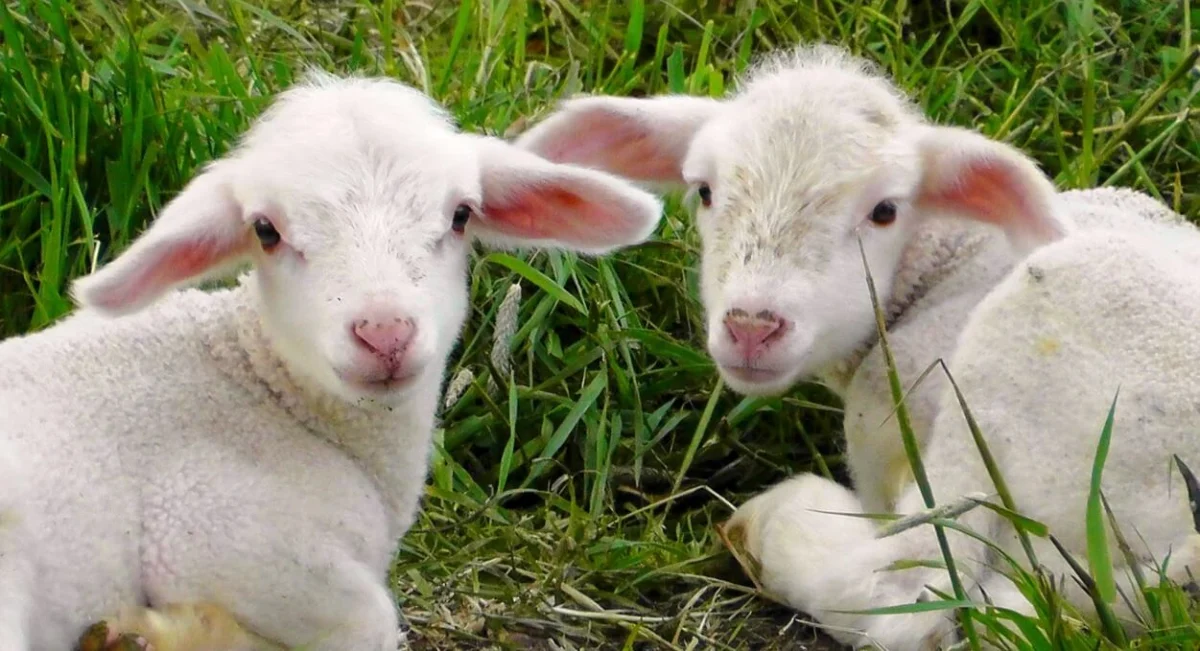
As the Christian world prepares to observe Easter on April 5, 2026, a growing movement within the faith is calling for a fundamental shift in how the holiday is celebrated, advocating for a transition from traditional meat-centric feasts to plant-based meals that reflect the core tenets of mercy, compassion, and the preservation of life. Easter stands as the most significant event in the Christian liturgical calendar, marking the resurrection of Jesus Christ and His victory over death. However, advocates for animal welfare and "creation care" theology argue that the common practice of consuming lambs, pigs, and chickens to celebrate this triumph of life presents a profound moral irony. By re-examining biblical mandates and the ethical implications of modern industrial farming, proponents of a vegan Easter suggest that the holiday offers a unique opportunity for the faithful to align their dietary choices with the message of universal love and the restoration of God’s original design for a peaceful creation.
The Theological Basis for Compassionate Living
The central message of Easter is one of redemption and the promise of eternal life, a gift extended through what Christians believe was the ultimate sacrifice of Christ. Theologically, this event is often viewed as the end of the sacrificial system; in the New Testament, Christ is referred to as the "Lamb of God," whose death once and for all satisfied the requirement for blood sacrifice found in earlier traditions. Consequently, many theologians argue that continuing to slaughter literal lambs and other sentient beings for religious festivities is anachronistic and inconsistent with the "new covenant" of peace.
In the Book of Genesis, the biblical narrative describes Eden as a place devoid of violence and death. Genesis 1:29-30 specifically outlines a plant-based diet for both humans and animals: "I give you every seed-bearing plant on the face of the whole earth and every tree that has fruit with seed in it. They will be yours for food." Within this framework, the consumption of meat is often interpreted by scholars as a concession to human fallenness rather than an expression of God’s perfect will. The prophetic vision of the "Peaceable Kingdom" in Isaiah 11:6–9 further reinforces this, describing a future state where "the wolf will live with the lamb" and "they will neither harm nor destroy on all my holy mountain." By choosing a vegan meal, believers argue they are practicing a "proleptic" ethic—living now in the way the world will eventually be restored in the kingdom of God.
The Lenten Tradition and the History of Abstinence
The move toward a vegan Easter is often a natural extension of the Lenten season, the 40-day period of penance and preparation preceding the holiday. Historically, Lent has always involved dietary discipline. In the early church, and continuing today in many Eastern Orthodox traditions, Lent requires a rigorous fast from animal products. Orthodox Christians often abstain from meat, dairy, eggs, and sometimes oil and wine, especially during Holy Week. This practice is intended to purify the body and spirit, fostering a state of "metanoia" or change of heart.
While many Western denominations have relaxed these rules to only include meatless Fridays or the giving up of specific luxuries, the foundational logic remains: the denial of the flesh to focus on the spirit. However, advocates note a disconnect when the "fast" ends with a "feast" that requires the violent slaughter of the very animals the faithful sought to honor through their Lenten discipline. In 2026, religious leaders and animal rights organizations are increasingly encouraging congregants to view Easter not as a return to old habits of consumption, but as the beginning of a more compassionate way of living that carries the spirit of Lent into the rest of the year.
Scientific Perspectives on Animal Sentience and Intelligence
To bolster the ethical argument for a vegan Easter, animal welfare advocates point to a burgeoning body of scientific data regarding the cognitive and emotional lives of the animals typically served at holiday dinners. Far from being "mindless" commodities, the species most affected by Easter traditions—lambs, pigs, and chickens—have been shown to possess complex social structures and high levels of intelligence.
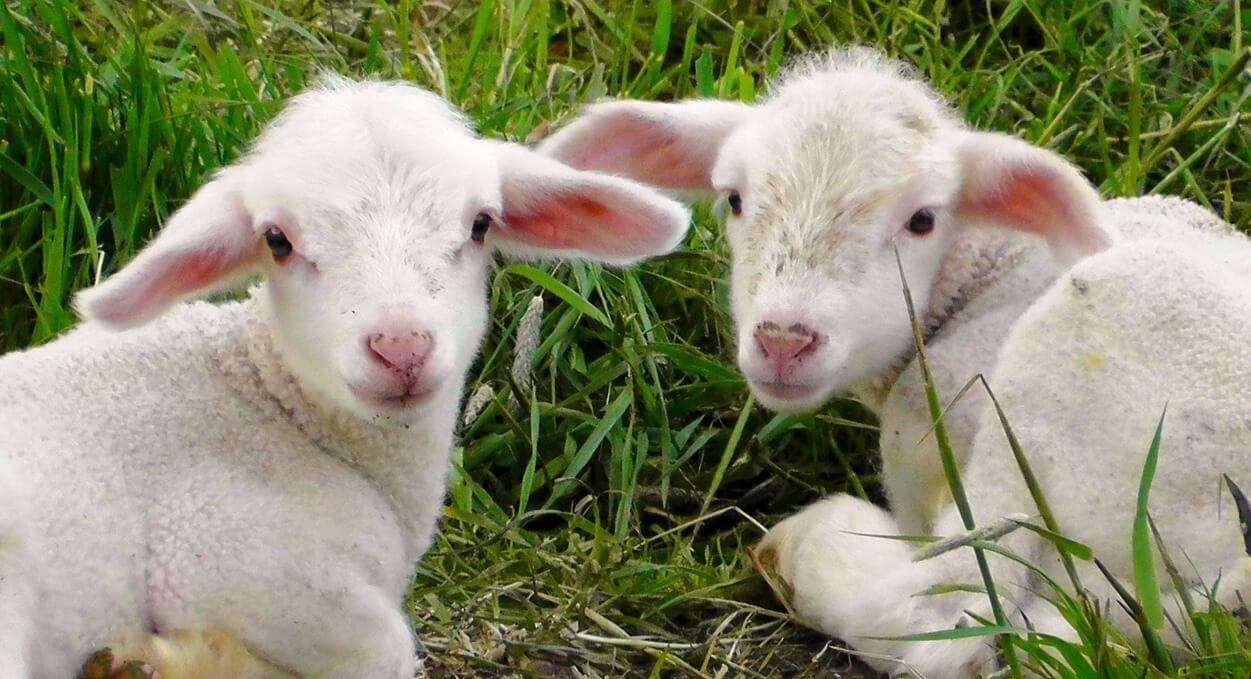
Scientific studies have revealed that sheep are capable of recognizing at least 50 different individual faces, both of other sheep and of humans. They can remember these faces for years and can even interpret facial expressions to gauge the emotional state of their peers. Pigs, often compared to dogs or even three-year-old human children in terms of cognitive ability, have demonstrated remarkable problem-solving skills and empathy. Instances have been documented where pigs have sought help for humans in distress or saved others from fires, displaying a level of altruism that challenges traditional views of animals as mere "resources."
Furthermore, research into avian intelligence has shown that chickens are "brilliant individuals" who can perform basic arithmetic, demonstrate self-control when offered better food rewards, and experience "emotional contagion," which is a basic form of empathy. In the aquatic world, fish—often consumed on Good Friday—have been found to possess long-term memories and the capacity to feel pain and fear in ways that are neurologically similar to mammals. These findings present a moral challenge to the faithful: if these beings are thinking, feeling individuals created by God, does their "dominion" over them imply a right to exploit, or a responsibility to protect?
The Reality of Modern Industrial Farming
The journalistic reality of animal agriculture in 2026 stands in stark contrast to the pastoral imagery often associated with biblical parables. The vast majority of animals consumed during Easter celebrations are raised in concentrated animal feeding operations (CAFOs). In these environments, animals endure extreme confinement, lack of natural light, and the frustration of their most basic instincts.
Data from the United States Department of Agriculture (USDA) and the Food and Agriculture Organization (FAO) of the United Nations indicate that millions of lambs and pigs are processed annually specifically to meet the seasonal demand for Easter. These animals are often subjected to painful procedures such as tail-docking or castration without anesthesia before being transported long distances to slaughterhouses. For the Christian consumer, this raises a question of "stewardship." If humans are called to be the caretakers of God’s creation, critics argue that supporting an industry characterized by systematic cruelty is a violation of that divine mandate.
Global Responses and the Shift in Consumption Trends
The response to the call for a vegan Easter has been increasingly positive across various sectors. Plant-based food technology has advanced significantly by 2026, making "cruelty-free" versions of traditional holiday dishes more accessible than ever. Market analysis shows that the plant-based meat sector has seen a compound annual growth rate (CAGR) of over 15% in the last five years, driven in part by "flexitarians" who reduce meat intake for ethical, environmental, or health reasons.
Religious organizations are also speaking out. Groups such as CreatureKind and the Christian Vegetarian Association provide resources for churches to host "mercy-filled" potlucks. In recent statements, some progressive clergy have suggested that the "Good Samaritan" parable should be extended to the non-human world, arguing that our "neighbor" includes all sentient life that falls within our sphere of influence.
"Choosing a vegan Easter is not about legalism or taking the joy out of the holiday," says a representative from a faith-based animal advocacy group. "It is about expanding our circle of compassion. It is about celebrating the Risen Christ by refusing to participate in the culture of death that characterizes the modern factory farm. It is a joyful affirmation of life in all its forms."
Broader Implications: Environment and Health
Beyond the theological and ethical considerations, the shift toward a vegan Easter has significant implications for global health and the environment. The livestock industry is a major contributor to greenhouse gas emissions, deforestation, and water pollution. According to the Intergovernmental Panel on Climate Change (IPCC), a global shift toward plant-heavy diets is one of the most effective ways to mitigate the impacts of climate change. For many Christians, environmental protection is seen as a form of "creation care," an essential duty to protect the Earth for future generations.
From a public health perspective, plant-based diets are associated with lower risks of heart disease, type 2 diabetes, and certain types of cancer. As Easter is often a time of indulgence, health advocates suggest that a vegan feast can provide the same culinary satisfaction without the negative health outcomes associated with high consumption of processed and red meats.
Conclusion: A New Tradition of Mercy
As Easter 2026 approaches, the invitation to choose a vegan celebration is presented as an opportunity for spiritual growth and consistency. By aligning the dinner table with the values preached from the pulpit, believers can participate in a form of worship that honors the "Prince of Peace." The transition from a traditional meat-heavy meal to a plant-based one is viewed by many as a modern expression of the ancient call to "do justice, love mercy, and walk humbly with God."
In a world often marked by violence and division, the act of choosing a meal that required no one to suffer is a powerful symbol of the hope and renewal that Easter represents. It is a move toward the Edenic ideal, a recognition of the sacredness of all life, and a practical application of the command to love. Whether motivated by theology, science, or a simple desire for a more compassionate world, the growing trend of the vegan Easter suggests that the holiday’s message of life is being heard in a more inclusive and profound way than ever before.

