


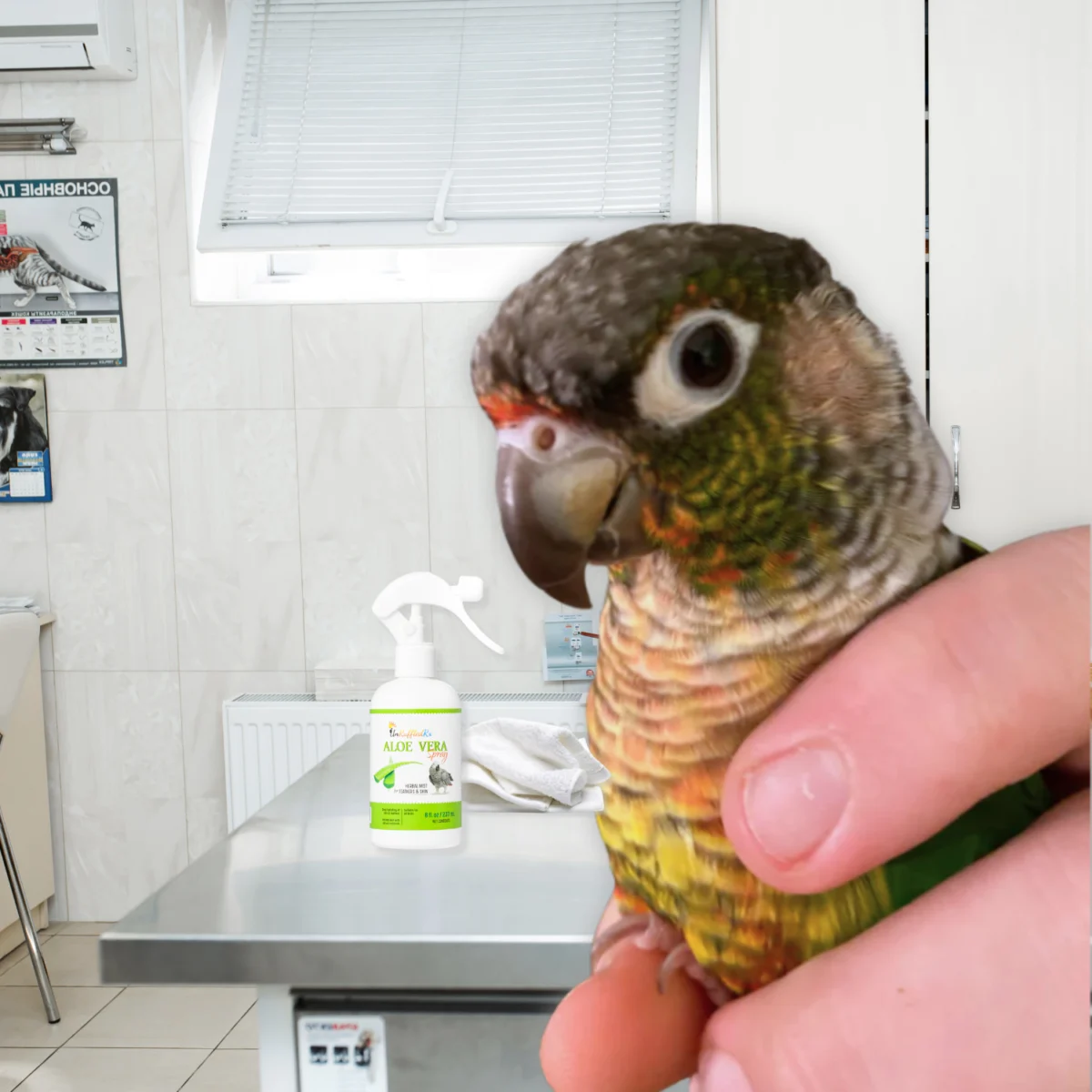
Pet bird owners frequently encounter the phenomenon of feather loss, a natural yet often concerning process that prompts questions about their companion’s well-being. While regular molting is a vital biological function for maintaining healthy plumage, distinguishing it from more serious issues such as nutritional deficiencies, stress-induced plucking, or underlying medical conditions is crucial for ensuring a bird’s optimal health and comfort. This article delves into the intricacies of avian feather loss, providing a comprehensive guide for owners to identify normal molting patterns, recognize warning signs, and implement appropriate care strategies.
The Intricate Process of Avian Molting
Molting is the physiological replacement of old, worn feathers with new ones, a process essential for a bird’s flight efficiency, insulation, waterproofing, and overall health. Most avian species undergo at least one complete molt annually, typically influenced by factors such as photoperiod (daylight length), temperature, nutrition, and hormonal cycles. Unlike mammals that shed hair continuously, birds replace their feathers in a highly organized and symmetrical fashion, ensuring they retain the ability to fly and regulate body temperature throughout the process. This symmetrical shedding pattern, often starting with primary flight feathers and progressing inward, is a key indicator of normal molting.
From an evolutionary standpoint, molting is a survival mechanism. Feathers are subject to wear and tear from flight, environmental exposure, and preening. Damaged feathers can impair flight capabilities, reduce insulation, and compromise camouflage, making regular replacement critical for wild birds. In domestic birds, while the immediate survival pressures might be reduced, the physiological need for new, healthy feathers remains. The entire process is energetically demanding, requiring a significant reallocation of the bird’s metabolic resources towards feather synthesis. New feathers, known as pinfeathers, emerge encased in a protective keratin sheath, which is gradually removed by the bird during preening, revealing the fully formed feather beneath.
Distinguishing Normal Molting from Concerning Feather Loss
Many bird owners, like the Reddit user who observed their budgie losing "a ton of feathers—way more than usual," often find themselves questioning the normalcy of feather shedding. While molting inevitably results in loose feathers, certain signs differentiate a healthy molt from a potential problem:
- Symmetry and Pattern: Normal molting typically follows a symmetrical pattern across the bird’s body, ensuring no large bald patches that would compromise flight or insulation. For instance, if a primary flight feather is lost on one wing, a corresponding feather is often shed from the other wing.
- Skin Condition: During a healthy molt, the skin beneath the shedding feathers should appear clear, smooth, and free from redness, irritation, or flakiness. The presence of red, inflamed skin, scabs, or lesions is a significant warning sign.
- Behavioral Indicators: A molting bird might be slightly more lethargic or irritable due to the energy demands and discomfort of growing new feathers. However, a healthy bird generally maintains its normal activity levels, appetite, and social interactions. Drastic changes, such as severe lethargy, complete loss of appetite, unusual droppings, or profound behavioral shifts (e.g., sudden aggression, extreme withdrawal), warrant immediate veterinary attention.
- Feather Quality: The new feathers emerging should be vibrant, strong, and smooth. Malformed, brittle, discolored, or stress-barred feathers can indicate nutritional deficiencies or underlying health issues that disrupt normal feather development.
Abnormal feather loss can stem from various causes, including parasites (mites, lice), bacterial or fungal infections, skin diseases, viral infections (e.g., Psittacine Beak and Feather Disease, PBFD), nutritional imbalances, or chronic stress. An avian veterinarian can perform a thorough examination, including skin scrapings, blood tests, or feather biopsies, to diagnose the precise cause and recommend targeted treatment. Early detection and intervention are paramount for preventing the progression of serious health issues and ensuring the bird’s long-term welfare.
The Discomfort of Molting: A Bird’s Perspective
As a BirdForum member noted regarding their parrot’s crankiness during molting, the process can indeed be "rough" for birds. The emergence of pinfeathers, particularly, is a major source of discomfort. These new feathers, encased in a hard keratin sheath, make the bird’s skin feel tight, itchy, and highly sensitive. The initial growth phase of pinfeathers involves a rich blood supply within the shaft, making them extremely tender to the touch. Any accidental pressure, bending, or damage to these "blood feathers" can cause significant pain and bleeding.
This sensitivity explains why a normally affectionate bird might flinch, avoid touch, or become unusually defensive, especially around areas with dense pinfeather growth like the head and neck. The constant urge to preen is intensified during molting as birds attempt to break open the keratin sheaths and relieve the itching. Excessive preening can sometimes be misinterpreted as plucking, but careful observation can reveal the difference: preening typically focuses on conditioning existing feathers and removing sheaths, while plucking involves intentionally pulling out healthy feathers.
To alleviate this discomfort, owners can implement several strategies:
- Gentle Head Scratches: While avoiding sensitive pinfeathers, offering gentle, light head rubs can be soothing if the bird permits.
- Warm Mist Baths: Regular misting with warm water or offering shallow baths can soften the keratin sheaths, making them easier for the bird to remove during preening and providing relief from itchiness.
- Humid Environment: Maintaining adequate humidity in the bird’s environment can also help soften pinfeathers and prevent dry, flaky skin.
- Patience and Observation: Understanding that the bird’s temporary mood changes are due to physical discomfort rather than a shift in their bond can help owners respond with patience and empathy.
Duration and Factors Influencing Molting
The duration and severity of a molt can vary significantly based on species, individual health, and environmental conditions. For most smaller birds like budgies and finches, a complete molt might last a few weeks to a couple of months. Larger parrots, such as Amazons or Cockatoos, may experience a more protracted molt, potentially spanning several months, with some species undergoing partial molts throughout the year in addition to a main annual molt.

Several factors critically influence the length and intensity of a molt:
- Age and Health: Young, healthy birds typically experience faster, more efficient molts. Older birds, or those with underlying health conditions, stress, or compromised immune systems, may have prolonged or incomplete molts.
- Diet and Nutrition: As feathers are primarily protein, a diet deficient in essential amino acids, vitamins, or minerals will inevitably slow feather regrowth and compromise feather quality. Insufficient protein, for example, can lead to stunted, brittle feathers.
- Daylight and Environment: In the wild, molting is often triggered by seasonal changes in photoperiod and temperature. Captive birds, especially those exposed to inconsistent lighting or extreme temperature fluctuations, may experience disrupted molting cycles. A consistent light cycle (e.g., 10-12 hours of daylight) is often recommended.
- Stress and Hormones: Chronic stress, breeding cycles, or hormonal imbalances can significantly disrupt the molting process, leading to delayed feather regrowth or abnormal feather development. A stable, predictable environment is crucial for reducing stress.
Nutritional Pillars for a Healthy Molt
Given the immense energy and nutrient demands of feather growth, optimal nutrition is arguably the most critical factor in supporting a smooth, healthy molt. Avian nutritionists emphasize the importance of a balanced diet rich in specific macronutrients and micronutrients.
- Protein and Amino Acids: Feathers are composed of over 90% keratin, a protein requiring a specific profile of amino acids, particularly methionine, lysine, and cysteine. These sulfur-containing amino acids are vital for forming the strong, resilient structure of new feathers.
- Best Sources: High-quality commercial pellets, sprouted seeds (quinoa, millet, sunflower), cooked eggs (in moderation), legumes (lentils, chickpeas), and lean cooked meats for carnivorous/omnivorous species.
- Healthy Fats (Essential Fatty Acids): Omega-3 and omega-6 fatty acids are crucial for maintaining supple, hydrated skin and improving feather texture. They help reduce the dryness and itchiness often associated with molting.
- Best Sources: Red palm oil (also rich in Vitamin A), hemp seeds, flax seeds, walnuts, and specialized avian supplements like OmegaGlow.
- Vitamins for Feather Growth and Skin Health: Molting depletes a bird’s vitamin reserves faster.
- Vitamin A: Essential for healthy skin and mucous membranes, immune function, and proper feather development. Deficiency can lead to dry, flaky skin and poor feather quality.
- Sources: Carrots, sweet potatoes, bell peppers (especially red and yellow), dark leafy greens, red palm oil.
- B-complex Vitamins: Play a role in metabolism, energy production, and stress reduction. Crucial for converting food into the energy needed for feather growth.
- Sources: Whole grains, leafy greens, sprouted seeds.
- Vitamin D3: Necessary for calcium absorption, which contributes to strong bones and feather structure. Natural sunlight or full-spectrum UVB lighting is essential for endogenous D3 synthesis.
- Vitamin A: Essential for healthy skin and mucous membranes, immune function, and proper feather development. Deficiency can lead to dry, flaky skin and poor feather quality.
- Minerals: Calcium, magnesium, and zinc are vital for strengthening new feathers, supporting enzyme function, and nerve health.
- Sources: Dark leafy greens (calcium, magnesium), nuts and seeds (zinc, magnesium), sprouted seeds and grains.
- Hydration and Electrolytes: Adequate water intake is critical for overall physiological function, including skin hydration and the process of shedding old feathers. Dehydration can exacerbate dry skin and make molting more uncomfortable.
- Sources: Fresh, filtered water daily; hydrating fresh fruits and vegetables (cucumbers, berries, melons); aloe-based feather sprays for external hydration.
To simplify providing this nutrient-dense diet, many owners utilize a "bird chop" recipe. A "Molting Magic Bird Chop" might include a finely chopped mix of sprouted quinoa, various bell peppers, sweet potato, kale, spinach, a small amount of cooked egg, and a drizzle of red palm oil. This can be prepared in bulk, stored in the fridge for a few days, and frozen in portions for convenience.
The Role of Supplements and Environmental Support
While a balanced diet forms the foundation, targeted supplements can offer additional support during the demanding molting period. Multivitamins formulated specifically for birds, providing a comprehensive spectrum of vitamins and minerals, can help replenish depleted reserves. Omega fatty acid supplements can enhance skin health and feather quality. Aloe vera-based sprays are widely used to soothe itchy, dry skin and soften pinfeathers, making preening easier and more comfortable. Products like "FeatherUp! Bird Vitamins" or the "Feather & Skin Wellness Kit" are designed to address these specific needs, supporting faster, healthier feather regrowth and reducing stress.
Beyond nutrition and supplements, the environmental conditions play a crucial role. Maintaining a consistent temperature, providing a calm and secure environment, and offering ample opportunities for mental stimulation (toys, foraging activities, social interaction) can significantly reduce stress, which in turn supports a smoother molt.
Addressing Feather Plucking and Other Abnormalities
One of the most concerning forms of feather loss is feather plucking, where birds deliberately pull out their own feathers. Unlike molting, which results in symmetrical, gradual feather loss, plucking often leads to patchy, uneven bald spots, and frequently, irritated or damaged skin. Owners may observe the bird excessively preening, chewing on feathers, or directly pulling them out.
Feather plucking can stem from a complex interplay of medical, behavioral, and environmental factors:
- Medical Causes: These include skin infections (bacterial, fungal), parasites (mites, lice), allergies, organ disease, or nutritional deficiencies. A thorough veterinary examination is essential to rule out or treat any underlying medical conditions.
- Behavioral Causes: Boredom, loneliness, lack of mental stimulation, anxiety, fear, or obsessive-compulsive disorders can all trigger plucking. Birds are intelligent, social creatures that require significant interaction and enrichment.
- Environmental Factors: Inconsistent light cycles, poor air quality, dry environments, sudden changes in routine, or inadequate cage size can contribute to stress and lead to plucking.
If feather plucking is suspected, prompt action is critical. The first step should always be a consultation with an avian veterinarian to diagnose any medical issues. Concurrently, owners should evaluate and enhance their bird’s environment: increasing mental stimulation with new toys and foraging opportunities, ensuring regular social interaction, maintaining a consistent daily routine, and providing a healthy, balanced diet. Addressing the root cause of plucking, whether medical or behavioral, is key to preventing further feather loss and improving the bird’s overall quality of life.
Conclusion
Feather loss in birds is a common observation for owners, but understanding its nuances is vital for responsible pet care. While natural molting is a necessary and temporary process, it demands specific nutritional and environmental support to ensure the bird’s comfort and the growth of strong, healthy new feathers. Vigilant observation of feather loss patterns, skin condition, and behavioral changes is paramount for distinguishing normal molting from potentially serious underlying health issues like plucking, parasites, or disease. Proactive measures, including a balanced diet rich in essential nutrients, appropriate hydration, a stimulating and stress-free environment, and timely veterinary consultation, empower owners to navigate molting season with confidence and ensure their feathered companions thrive with vibrant, healthy plumage. By staying informed and responsive, bird owners play a crucial role in safeguarding the well-being of their cherished pets.

