


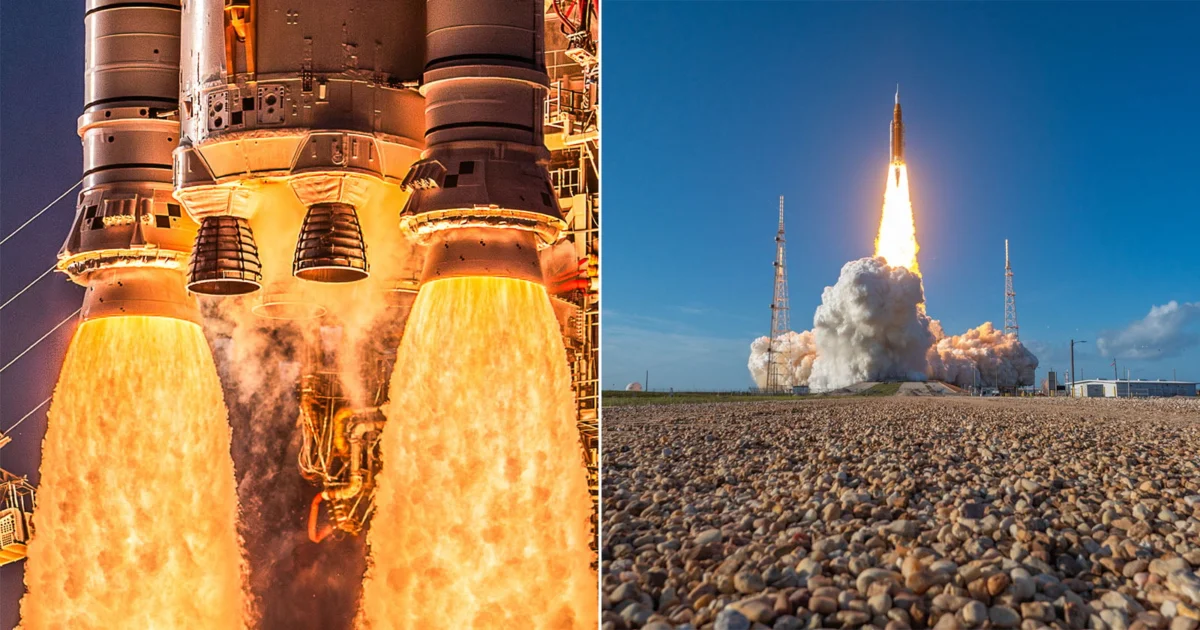
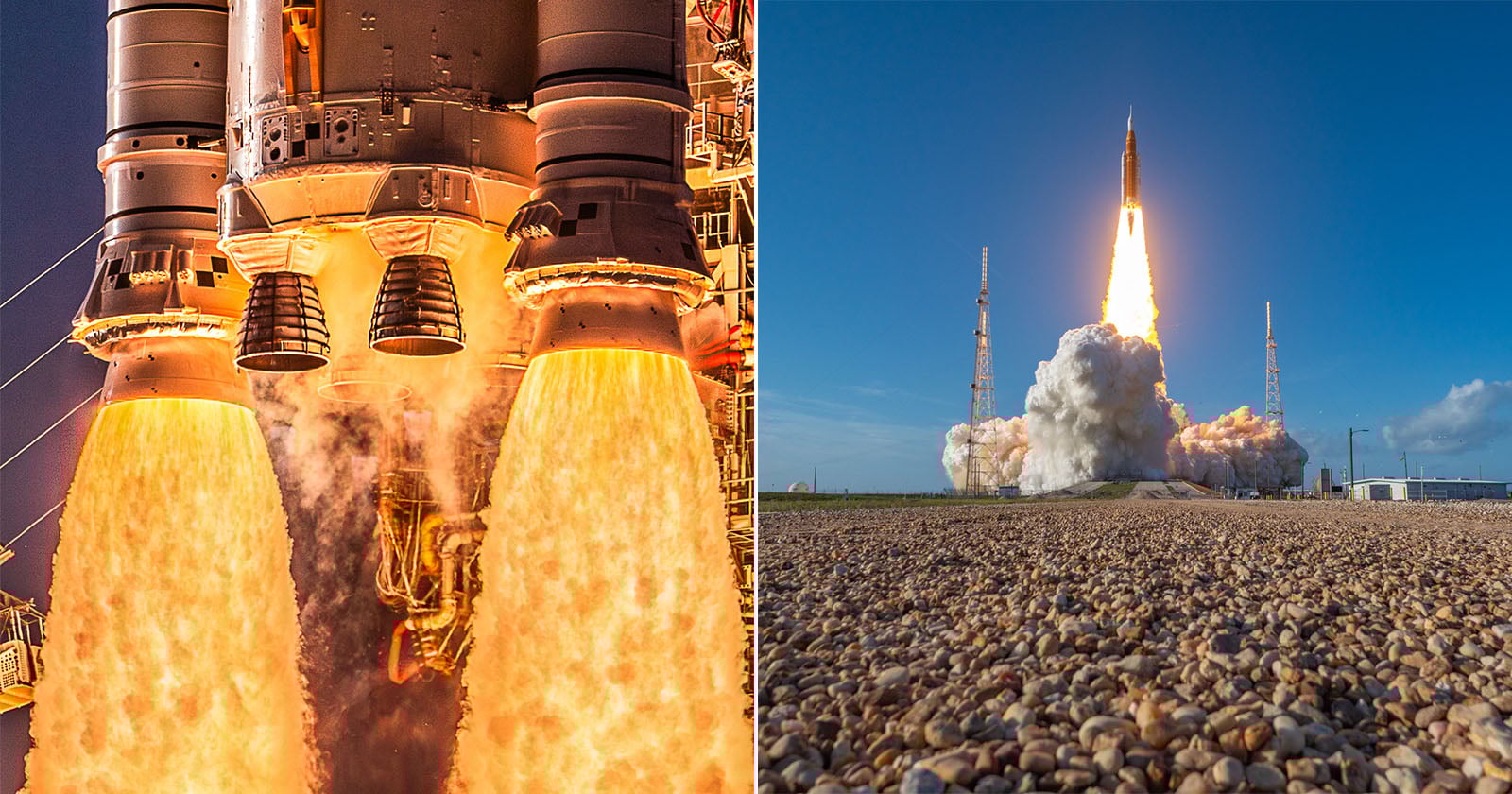
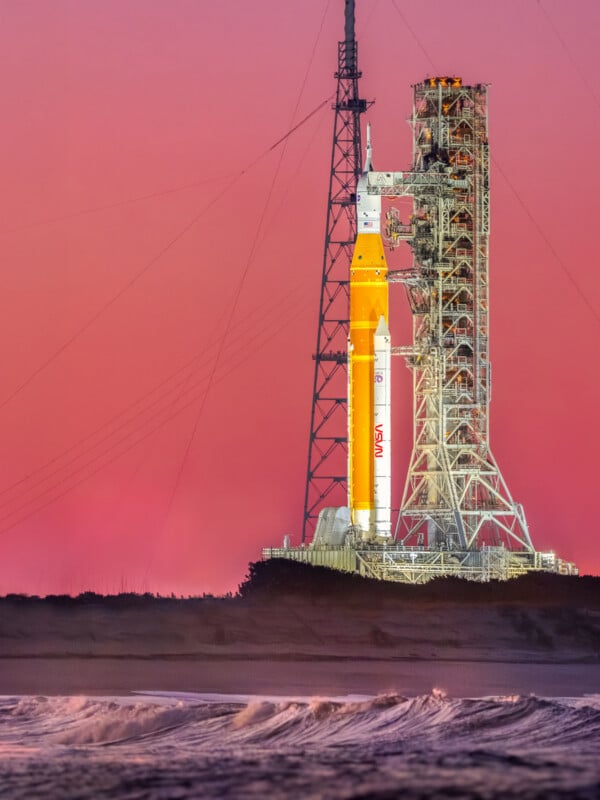
The roar of the Space Launch System (SLS) rocket as it ascended from Kennedy Space Center’s Launch Complex 39B on Wednesday, April 1, marked a pivotal moment in human history, signaling the first time in over five decades that a crewed spacecraft has embarked on a journey toward the Moon. For veteran photographer Steven Madow, the event was the culmination of a decade of preparation, technical refinement, and logistical navigation. Deploying an ambitious array of 14 separate camera systems, including seven remote units positioned within the high-security perimeter of the launchpad, Madow captured a series of images that have since provided the public with an intimate, high-definition view of the most powerful rocket ever built by NASA. The successful documentation of the Artemis II mission represents not only a personal milestone for Madow but a masterclass in the specialized field of aerospace photography.
The Decadelong Pursuit of NASA Credentials
The path to the launchpad is rarely linear for independent photographers. While Madow has spent more than ten years documenting rocket launches for various commercial and military entities, the Artemis program presented a unique set of challenges regarding access. Historically, NASA’s credentialing process is among the most stringent in the world, requiring photographers to demonstrate a consistent track record of professional reliability and a partnership with established media outlets.
Madow’s journey through the credentialing landscape saw him gain access to SpaceX and United Launch Alliance (ULA) missions, as well as Space Force operations, before finally securing a spot for the Artemis II mission through a partnership with Space Explored. This outlet, dedicated to the chronicling of spaceflight and exploration, provided the necessary platform for Madow to move from the periphery of the press site to the restricted zones near the base of the SLS. "I’ve kind of viewed every launch that I photographed leading into this… as helping me sharpen my skills and almost practice to be able to pull off this launch," Madow noted, highlighting the iterative nature of the craft.
The Technical Blueprint: 14 Cameras and Sound-Activated Triggers
Photographing a rocket launch of this magnitude requires a level of redundancy that borders on the extreme. The sheer power of the SLS, which generates approximately 8.8 million pounds of thrust at liftoff, creates an environment of intense heat, acoustic vibration, and debris that would destroy unprotected equipment. To mitigate these risks and ensure a variety of perspectives, Madow utilized 14 different Panasonic Lumix cameras.
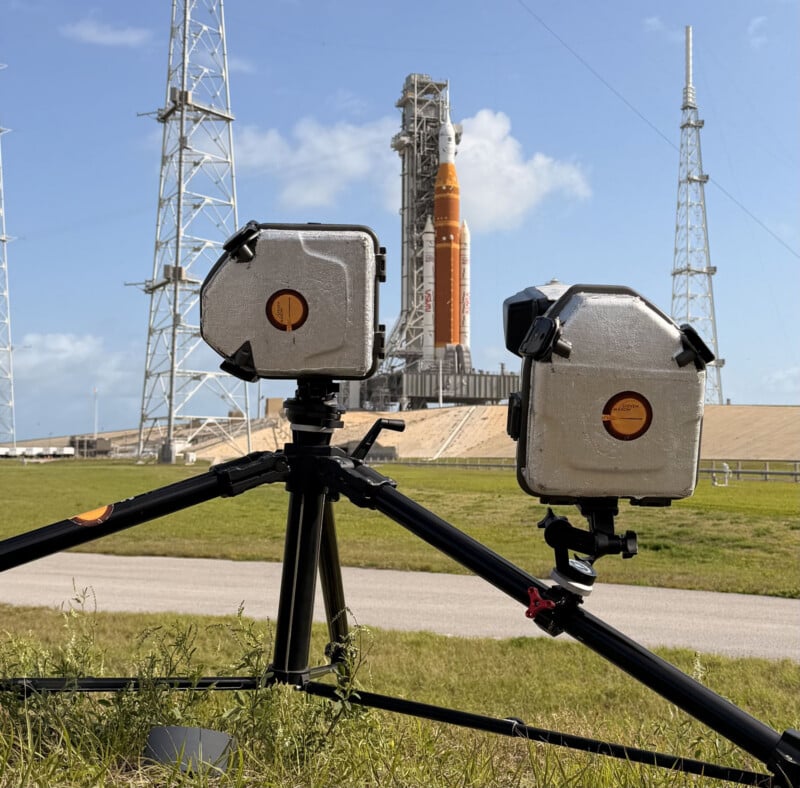
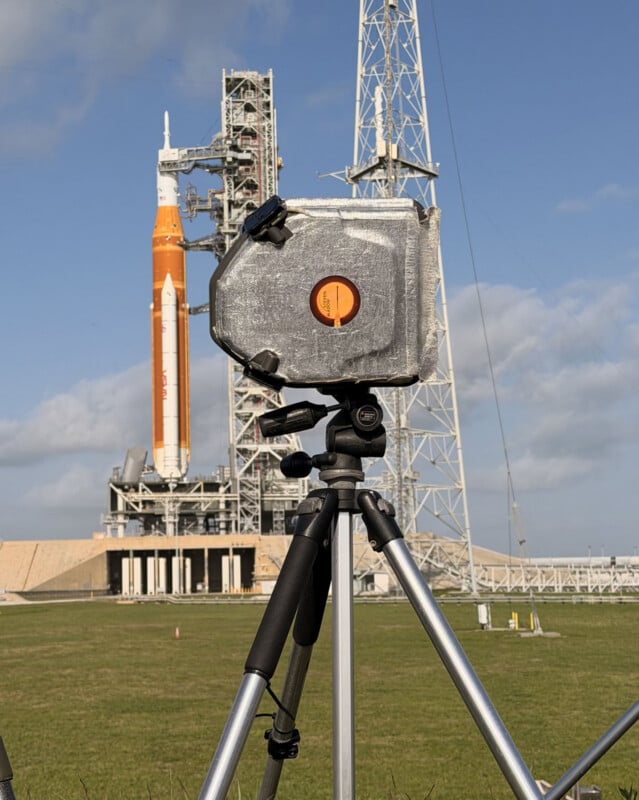
The deployment included a mix of Micro Four Thirds and full-frame systems, ranging from the Lumix GH5 and G9 II to the high-resolution S1R II and the compact S9. Seven of these units were placed as remote cameras at the launch site, housed in specialized weatherproof cases manufactured by Camptraptions. Because photographers must vacate the launchpad area hours—and sometimes days—before ignition, these cameras rely on automated triggers.
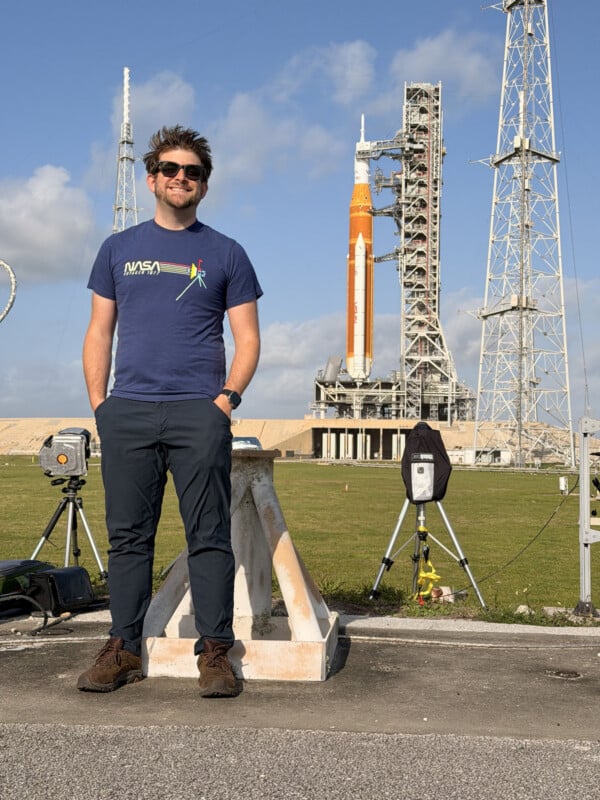
Madow utilized MIOPS sound-activated triggers, which are designed to "listen" for the specific acoustic signature of a rocket ignition. Once the sound threshold is met, the trigger wakes the camera from its standby state and initiates high-speed burst shooting. The reliability of these systems was paramount, as the Artemis II launch faced multiple scheduling uncertainties. To ensure the cameras remained operational during potential multi-day delays, Madow equipped them with external power supplies and automated dew heaters to prevent lens fogging during the humid Florida mornings.
The "Viral" Shot: Exposure Settings for an Artificial Sun
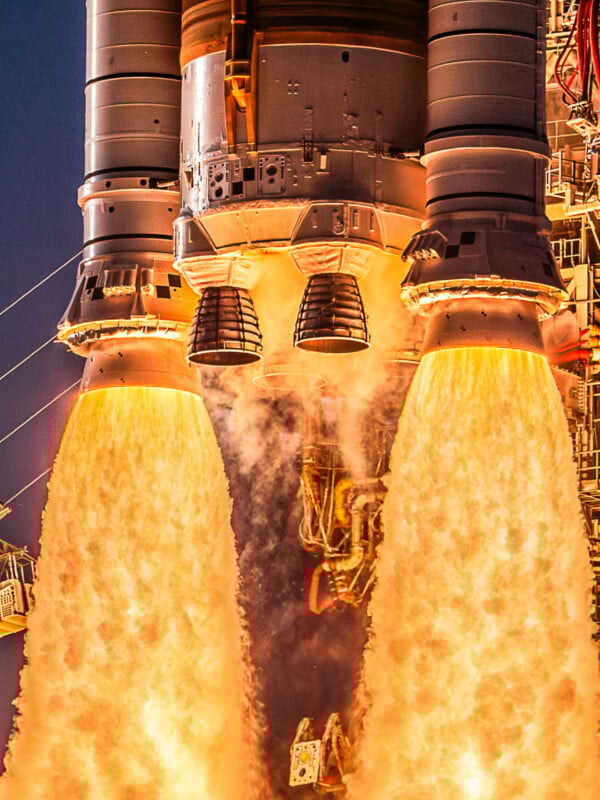
The most significant challenge in rocket photography is the extreme dynamic range required to capture both the dark structural details of the launch tower and the blindingly bright exhaust of the rocket engines. The flame produced by the SLS’s four RS-25 engines and two Solid Rocket Boosters (SRBs) is essentially an artificial sun, capable of completely blowing out a camera’s sensor if not managed correctly.
One of Madow’s most acclaimed images from the mission—a tight close-up of the RS-25 engines at the moment of ignition—was captured using a Panasonic GH5 paired with a Lumix G Leica 50-200mm f/2.8-4 lens. To compensate for the intensity of the flames, Madow pushed the camera to its mechanical limits: a shutter speed of 1/8000th of a second, an aperture of f/16, and a base sensitivity of ISO 100. These settings allowed for the retention of detail within the fire itself, revealing the intricate shock diamonds and plasma flow that are often lost in overexposed shots.
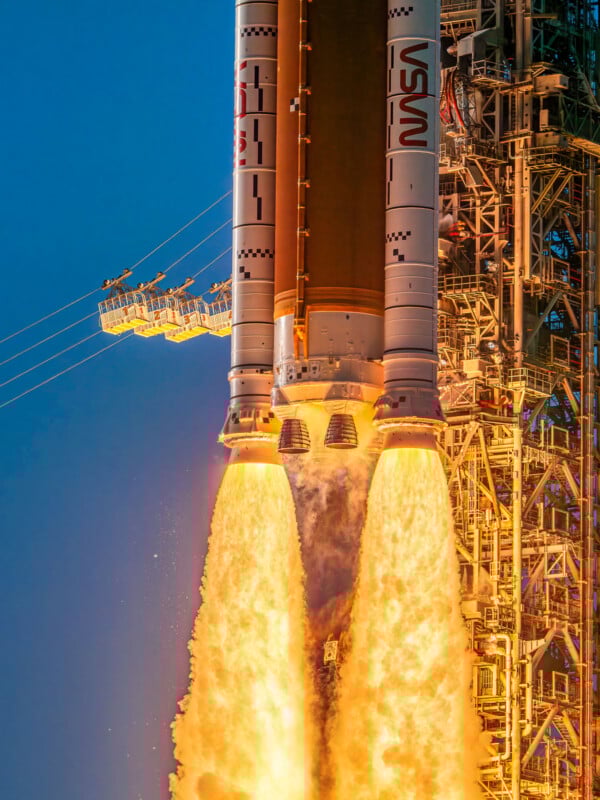
For wider shots where the ambient light was more unpredictable, Madow employed an exposure bracketing technique. By programming the cameras to take five-shot brackets centered at -1 EV, he ensured that regardless of whether the launch occurred at high noon or during the golden hour of sunset, at least one frame would possess the necessary data for a high-quality final image.
Chronology of the Artemis II Launch Operations
The timeline for documenting Artemis II began days before the Wednesday liftoff. On the Sunday prior to the launch, NASA security escorted a small group of credentialed photographers to Pad 39B. Under the watchful eye of security personnel and K-9 units, the photographers were given a limited window to set up their remote tripods.
At this stage, the Orion spacecraft and the SLS were already integrated and standing vertically on the Mobile Launcher. This allowed Madow to precisely frame his shots, calculating the trajectory of the rocket’s ascent to ensure the plume would not be cut off by the edge of the frame. Following the setup, the area was cleared for final mission preparations.
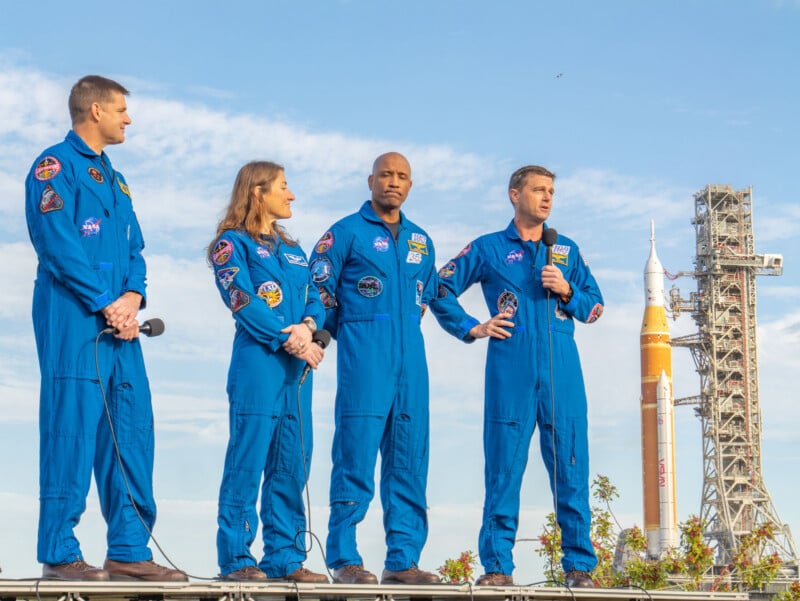
The days leading up to Wednesday were marked by atmospheric monitoring and technical checks. While a "scrub" (cancellation) is common in spaceflight due to weather or technical anomalies, the Artemis II mission proceeded through its countdown milestones with remarkable precision. On Wednesday afternoon, the final "Go" for launch was given. As the countdown reached zero, the sound triggers performed as intended, capturing thousands of frames as the crew—Commander Reid Wiseman, Pilot Victor Glover, and Mission Specialists Christina Koch and Jeremy Hansen—began their historic journey.
Mission Context: The Significance of Artemis II
The Artemis II mission is the first crewed element of NASA’s broader strategy to establish a long-term human presence on the Moon and eventually send astronauts to Mars. Following the successful uncrewed Artemis I mission in late 2022, which tested the SLS and Orion in deep space, Artemis II serves as the definitive flight test of the spacecraft’s life-support systems with humans on board.
The crew of four is currently on a 10-day mission that will take them approximately 4,600 miles beyond the far side of the Moon. This "hybrid free-return trajectory" ensures that the spacecraft will naturally pull back toward Earth using lunar gravity, a safety-first approach for the first crewed lunar mission in over half a century. The success of this mission is a prerequisite for Artemis III, which is slated to land the first woman and the first person of color on the lunar surface.
Supporting Data and Impact
The SLS rocket utilized for Artemis II stands 322 feet tall and weighs 5.75 million pounds when fully fueled. The imagery produced by photographers like Madow provides NASA and the public with essential visual data. High-speed photography is often used by engineers to inspect the structural integrity of the vehicle during the high-stress moments of Max-Q (maximum dynamic pressure) and to verify the clean separation of the Solid Rocket Boosters.
Beyond the technical utility, the cultural impact of these images is significant. In an era of rapid digital consumption, the high-fidelity documentation of space exploration serves to inspire the "Artemis Generation." Madow’s reflections on the event emphasize the humanistic side of the endeavor: "Humans are curious. Humans are explorers. I think it’s one of the best things in humanity to be able to do things that are interesting for discovery’s sake."
Conclusion and Broader Implications
The successful capture of the Artemis II launch by Steven Madow and his peers marks a high point in the intersection of technology and art. By overcoming the logistical hurdles of NASA credentialing and the technical volatility of the launchpad environment, Madow has contributed to the historical record of human achievement.
As the Orion spacecraft continues its trajectory toward the Moon, the images captured on the ground remain as a testament to the years of planning that preceded the ten-second liftoff. For the photography community, Madow’s 14-camera setup serves as a blueprint for documenting high-stakes events where there are no second chances. For the public, these photographs offer a front-row seat to the beginning of a new era in lunar exploration, bridging the gap between the terrestrial and the celestial through the lens of a camera.

