


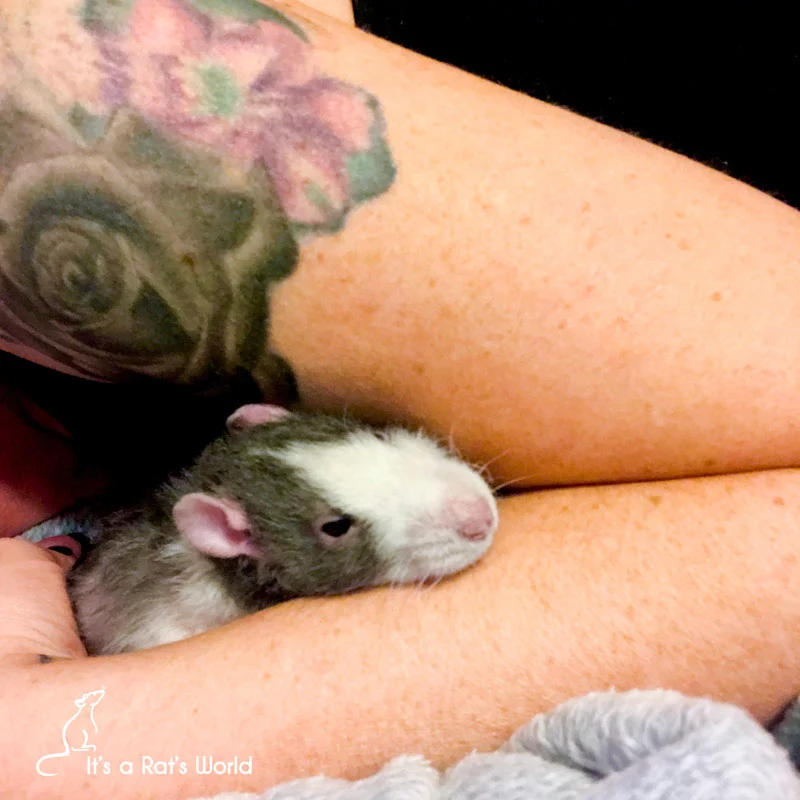
The absence of a deeply personal animal companionship can leave a significant void, a sentiment keenly felt by many who have experienced the unique connection with rats. For Brandi Saxton, a recognized advocate and enthusiast from "It’s A Rat’s World," this "ratless" period is a profound personal challenge, marking the first time in her life she hasn’t shared such an intimate bond. While her household includes dogs and a cat, the distinct quality of a rat connection remains unmatched. Saxton emphasizes that while she has appreciated relationships with various animals throughout her life, rats occupy a special place, with ferrets being a notable, albeit secondary, close second.
The author’s longing stems from the everyday moments that defined her relationships with her rats. These were not extraordinary events, but rather the subtle, consistent interactions that forged a deep emotional link. Saxton reminisces about shared couch time during movie nights, the gentle affection of "rattie kisses," and dedicated grooming sessions on her hands. She recalls the eager anticipation of her rats at the cage door, their joyful dances upon her arrival, and even instances of sibling rivalry for head scratches. The sight of her rats stretched out comfortably in her lap or beside her as she worked encapsulates the pervasive presence and comfort these animals provided. These seemingly simple interactions, Saxton asserts, were uniquely hers, a private world of affection where she was consistently their favored human, never needing to compete for attention.
Understanding the Nuances of Rat-Human Connection
For individuals new to rat ownership or contemplating bringing these intelligent rodents into their homes, the aspiration is often to cultivate a similar depth of connection. Saxton suggests that this level of intimacy is crucial for fully appreciating these animals. However, she acknowledges the common challenge faced by new owners: what to do when this closeness doesn’t materialize, and rats remain skittish, aloof, or uninterested in interaction. The question arises: is a meaningful bond impossible in such circumstances?
Saxton’s response is unequivocally negative. She posits that a lack of immediate connection, particularly with timid or easily startled rats, does not signal hopelessness. Instead, it necessitates a recalcitrant approach. New owners, she observes, can struggle to connect when their rats exhibit nervous behaviors. This can often trigger a primal fear of being bitten, a concern that, while understandable, frequently stems from a lack of understanding. The majority of rats, Saxton explains, simply require time to acclimate to their new surroundings. Rats that have experienced past trauma may require even greater patience and dedicated effort to settle in. Without the knowledge to support their adjustment, these rats can become more withdrawn and fearful, further complicating the bonding process.

For those finding themselves overwhelmed by a nervous rat or dealing with a pet that has a history of trauma, Saxton directs readers to her article, "Helping A Scared Pet Rat." This resource offers detailed insights into how rats express fear, potential causes for their anxiety, and a step-by-step guide to earning their trust.
Differentiating Trust from Bonding
A crucial distinction, Saxton emphasizes, lies between earning a rat’s trust and establishing a bond. While trust is a foundational prerequisite for bonding, they are not interchangeable. For a rat, trusting a human signifies a belief that the human poses no threat to their survival. Bonding, conversely, involves a mutual desire for companionship and a more profound emotional connection.
An individual rat’s personality and life experiences play a significant role in the development of this connection. When a rat feels insecure or operates in a state of self-preservation, its primary focus is on safety, making it exceedingly difficult to form a loving attachment. However, as a rat begins to feel secure and at ease in its environment and with its human, it starts to recognize and value the positive aspects of spending time with its caregiver.
Recognizing Diverse Rat Personalities
Rats exhibit a spectrum of personalities, akin to humans, which significantly influences their approach to forming bonds. Saxton categorizes these into several archetypes, though acknowledges that many fall between these extremes.
Extroverted Rats: These are often the most straightforward to bond with. Their innate bravery and outgoing nature lead them to adapt quickly to new environments and people, even from a young age. Saxton notes that in any group of rats she has owned, there was invariably at least one extrovert who displayed immediate trust. These rats would often demand to be held within moments of meeting her, climbing over her with uninhibited confidence, seemingly trusting her before she had even provided a reason for such faith.

Apprehensive or Introverted Rats: At the opposite end of the spectrum are rats who are so fearful or anxious that they perceive humans, including their owner, as potential predators. Successfully bonding with these rats requires first breaking through this ingrained barrier of fear. While some may never fully shed their sense of potential danger, achieving a state where they recognize and accept their human as a caregiver represents a monumental accomplishment in the relationship. The depth of the subsequent relationship is then largely dictated by the individual rat’s capacity for connection and the consistent effort invested by the owner.
The Majority: Most rats fall somewhere between these two extremes. They may initially appear nervous or hesitant, but with consistent daily interaction and a nurturing environment, they typically begin to feel safe and more open to forming a connection.
The Indispensable Role of Quality Time
The cornerstone of building a robust relationship with any rat, Saxton asserts, is the consistent and dedicated investment of time. This involves being a constant, reassuring presence, engaging in verbal communication, offering gentle physical contact such as petting and holding, and participating in play. These activities are not optional; they are essential for forging a genuine connection and for truly understanding each rat’s unique characteristics and preferences.
Integrating rats into the owner’s primary living spaces can be highly beneficial. Simply being exposed to the owner’s voice and scent helps the rats feel more integrated into their daily lives and routines.
Furthermore, allowing rats ample time outside their cages – ideally one to two hours daily – is crucial. Beyond the physical benefits of exercise and freedom of movement, this dedicated out-of-cage time is vital for quality interaction. Whether this occurs on a couch, a bed, or within a carefully rat-proofed room, concentrated cuddling and bonding time are paramount. Engaging in shared activities like watching movies, reading, or listening to music, while simply being present with them, fosters intimacy. Learning each rat’s preferred methods of being held and petted, and discovering their favorite spots for tactile stimulation, deepens the connection.

Specialized items like bonding pouches and small blankets can be particularly helpful, especially for timid rats. These items cater to a rat’s natural inclination to burrow and create a sense of security, encouraging them to snuggle closer to their human.
Even when rats are within their cages, regular, gentle communication is beneficial. This helps them become accustomed to the owner’s voice without the anxiety of being abruptly removed. By not constantly being yanked from their safe space, they are less likely to associate the owner’s approach with fear. The act of petting an animal, Saxton points out, has been scientifically shown to release stress-relieving endorphins in both humans and animals. Therefore, gently stroking a rat’s back or head while talking to them, even when they are nestled in their hammocks, can initiate this positive physiological response.
For those struggling with a rat that resists interaction or if the process feels unnatural, Saxton recommends her article, "Honoring Your Rat’s Personal Space." She emphasizes that each rat is an individual with unique boundaries, and respecting these boundaries is fundamental to successful bonding efforts.
Leveraging Food and Treats for Connection
Food and treats are powerful tools in the arsenal of trust-building and bonding with rats. Saxton humorously admits that the enthusiastic "happy dances" her rats performed upon her approach might have been as much about the impending treats as about her presence. Regardless, their excitement was always a source of amusement and a clear indicator of their positive association with her.
Making mealtimes a significant event helps rats quickly understand that their owner is the provider of sustenance, a role that garners considerable favor. Selecting a healthy, favored snack and consistently announcing its arrival with a specific phrase or word in a distinct tone creates a powerful positive association. This consistent cue trains the rats to link the owner’s presence with happiness and reward.

Saxton’s personal cue was "Treats, Treats, Treats!" delivered with increasing pitch. This call invariably roused even the deepest sleepers, prompting them to rush to the cage door, often jostling for position. Even the most reserved rats, those who disliked being held, were eager to see her and readily accepted her offerings. Witnessing a previously nervous or introverted rat join the eager throng was a definitive sign of significant progress in her bonding efforts.
Beyond Basic Interaction: Advanced Bonding Techniques
For owners seeking to deepen their rat friendships further, engaging in activities like teaching tricks or creating mazes offers a pathway to more profound engagement. While Saxton admits limited personal experience in these areas, she notes the abundance of resources available online for those interested in this aspect of rat interaction. These activities provide unique opportunities to observe and interact with rats’ problem-solving skills and personalities.
Traveling with rats, Saxton notes from her own experiences, can also significantly strengthen the bond. She recalls that road trips invariably resulted in her rats becoming more cuddly, even her more skittish ones. The experience of being outside their familiar environment seemed to underscore their reliance on and trust in her.
Managing Expectations and Cherishing the Journey
The bond formed with each rat is distinct, Saxton emphasizes. Some connections develop effortlessly, while others may present significant challenges. Regardless of a rat’s individual disposition, maintaining a thriving connection requires ongoing effort from the owner. She advises against comparing one’s own rat relationships to those showcased on social media and cautions against discouragement if a rat is less responsive. Each rat is an individual with its own unique personality and capacity for connection.
Saxton’s own experiences with her rats spanned a wide spectrum, from "soulmate status" to a more reserved "you’re the human I dislike the least, so I’m willing to tolerate you." Even these less effusive relationships held a profound significance, born from the effort required to achieve even a modicum of acceptance from a fearful animal. The honor of a frightened rat finally lowering its guard and integrating its owner into its life is, for Saxton, deeply meaningful.

Ultimately, Saxton concludes, every rat is worth the endeavor. When their time comes and they are no longer physically present, it is the shared bond and the precious moments born from that connection that endure, forever held within the heart of their human companion. The investment in these relationships, however challenging, yields a reward that transcends the ephemeral nature of life itself.

