


Every April 22 since 1970, people across every continent unite to honor an essential part of our shared lives—planet Earth. This annual observance serves as a powerful reminder of the intricate web of life that sustains us, urging global citizens to reflect on environmental challenges and champion conservation efforts. Fortunately, humanity is not alone in the crucial task of maintaining planetary health; countless fascinating and beautiful animals play vital, often unsung, roles in keeping our ecosystems vibrant and resilient. Among these environmental heroes, birds stand out for their diverse contributions, from microscopic pollination to macroscopic waste management, embodying the delicate balance and interconnectedness of nature. This year, in honor of Earth Day, we spotlight a selection of these remarkable avian species, whose ecological services are indispensable to the world around us.
The Genesis and Evolution of Earth Day: A Global Movement for Environmental Stewardship
The concept of Earth Day was born from a growing environmental consciousness in the United States during the late 1960s. Inspired by the anti-war movement and deeply concerned by the lack of public awareness regarding pollution and environmental degradation, Senator Gaylord Nelson of Wisconsin proposed a national teach-in on the environment. His vision was to harness the energy of student anti-war protests and channel it into an emerging public consciousness about air and water pollution. Nelson enlisted Denis Hayes, a young activist, to organize the event, which was scheduled for April 22, 1970. This date was strategically chosen to maximize student participation, falling between spring break and final exams.
The inaugural Earth Day was an unprecedented success. An estimated 20 million Americans, roughly 10% of the U.S. population at the time, participated in demonstrations, rallies, and educational events across the country. From coast to coast, colleges and universities organized protests against environmental deterioration, while cities hosted marches and gatherings. The sheer scale of participation sent a powerful message to politicians, demonstrating widespread public demand for environmental action. This groundswell of support transcended political divides, uniting people from various backgrounds under a common cause.
The impact of the first Earth Day was profound and immediate. It is widely credited with catalyzing the modern environmental movement and leading to the creation of the United States Environmental Protection Agency (EPA) later that year. Furthermore, Earth Day played a crucial role in the passage of landmark environmental legislation, including the Clean Air Act, the Clean Water Act, and the Endangered Species Act. These legislative achievements laid the foundation for environmental protection in the U.S., setting precedents that would influence policies worldwide.
Twenty years later, in 1990, Earth Day transformed into a global phenomenon. Denis Hayes, once again at the helm, organized an event that mobilized 200 million people across 141 countries. This international expansion brought environmental issues to the forefront of global attention, paving the way for the 1992 United Nations Earth Summit in Rio de Janeiro, which addressed climate change, biodiversity, and sustainable development. Today, Earth Day continues to be celebrated annually by over a billion people in more than 193 countries, making it the largest secular observance in the world. Its themes evolve with contemporary environmental challenges, from climate action and plastic pollution to sustainable agriculture and biodiversity conservation, consistently reinforcing the urgent need for collective environmental stewardship.
Avian Biodiversity: More Than Just Beauty in Flight
While their vibrant plumage and melodious songs often captivate us, birds contribute far more to ecosystem health than aesthetic pleasure. Across virtually every biome, from dense rainforests to arid deserts, from vast oceans to bustling urban centers, avian species provide a myriad of essential "ecosystem services"—the benefits that humans receive from ecosystems. These services are fundamental to human well-being, supporting food production, clean water, and stable climates.
Birds are crucial agents in processes such as seed dispersal, ensuring the regeneration and spread of plant life; pollination, facilitating the reproduction of countless flora species, including many food crops; and pest control, regulating insect populations that could otherwise devastate agriculture and forests. Furthermore, they play significant roles in nutrient cycling, decomposition, and acting as bioindicators, signaling the health or degradation of their habitats. The diversity of avian life reflects the diversity of their ecological functions, making them indispensable components of healthy, functioning ecosystems. Losing even a single species can trigger a cascade of negative effects, underscoring the critical importance of understanding and protecting these feathered stewards of our planet.
Hummingbirds: Micro-Pollinators with Macro-Impact
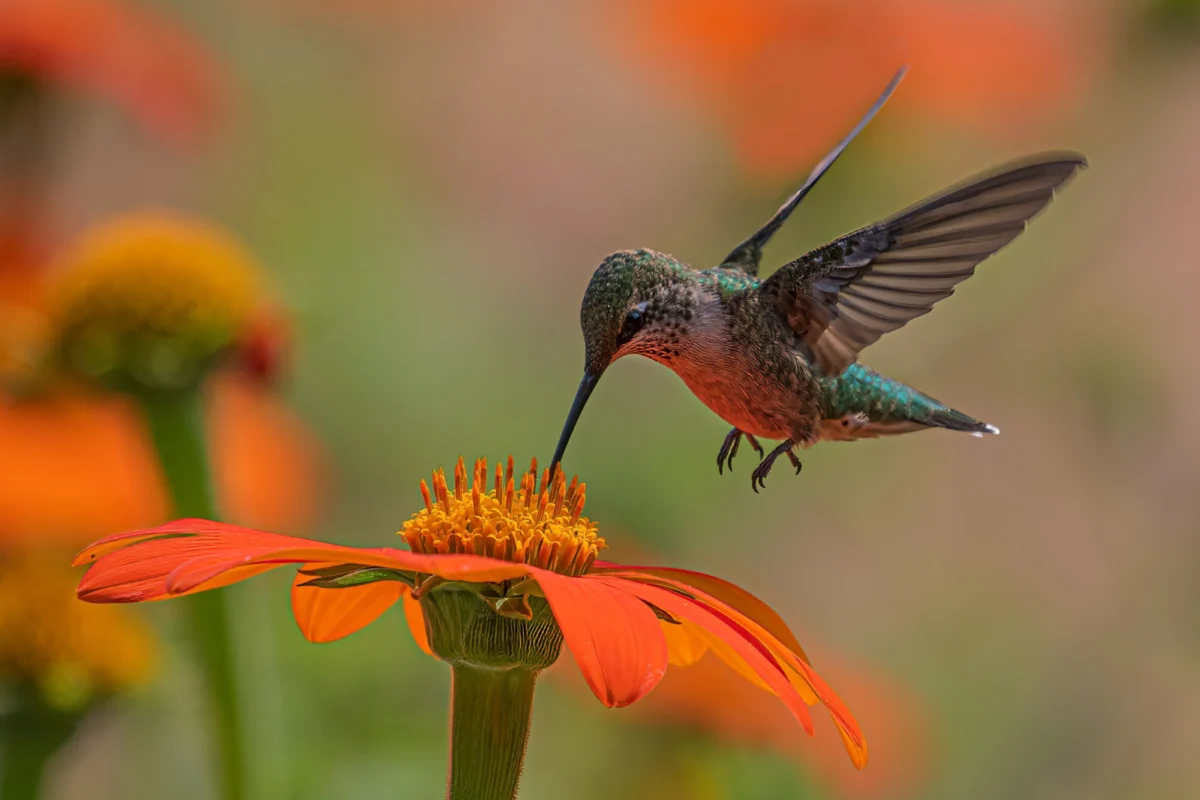
Among the most captivating of avian species, hummingbirds may be tiny, but their ecological impact is undeniably mighty. These iridescent jewels of the Americas are specialized nectar feeders, and in their quest for sustenance, they perform a critical role in pollination. As they flit from flower to flower, their long, slender beaks and tongues probe deep into blossoms, inadvertently collecting and transferring pollen between flowers. This vital process helps plants reproduce, ensuring the continuation of countless species.
Hummingbirds are particularly crucial in environments where other primary pollinators, such as bees and butterflies, may struggle to survive due to specific environmental conditions, habitat fragmentation, or pesticide use. Their co-evolved relationships with specific plants, often characterized by uniquely shaped flowers that exclude other pollinators, highlight a remarkable example of mutualism in nature. For instance, many red, tubular flowers, such as those of fuchsias, salvias, and trumpet vines, are specifically adapted for hummingbird pollination, as these birds are attracted to red and possess the necessary morphology to access their nectar.
The efficiency and specificity of hummingbird pollination promote biodiversity by supporting a wide array of plant species, which in turn supports entire food webs. Beyond their role as pollinators, hummingbirds also act as highly sensitive indicators of environmental change. Their reliance on specific flowering plants and their rapid metabolism make them particularly vulnerable to shifts in climate, habitat destruction, and pesticide exposure. Declines in hummingbird populations or changes in their migratory patterns can signal broader ecological disruptions, serving as an early warning system for the health of an ecosystem. For example, altered rainfall patterns or temperature shifts can impact flowering times, creating a mismatch between the birds’ arrival and the availability of their food source, threatening both the birds and the plants they pollinate. The intricate dance between hummingbirds and their floral partners underscores the delicate balance of nature, where the smallest creatures can have the most profound effects.
Vultures: Nature’s Indispensable Sanitation Squad
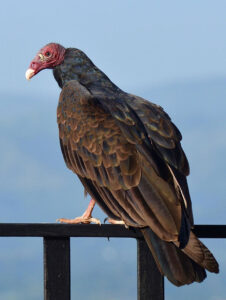
While often misunderstood and sometimes viewed with an air of unease, vultures are, in fact, planet superheroes, performing an ecological service that is as vital as it is unglamorous. These large, often bald-headed birds, frequently seen circling high in the sky, are nature’s ultimate cleanup crew. They specialize in scavenging carcasses, consuming dead animals before they can decompose and become breeding grounds for disease-causing bacteria and viruses.
Vultures are equipped with highly acidic digestive systems, capable of neutralizing dangerous pathogens like anthrax, rabies, and botulism toxins that would be lethal to most other scavengers. This unique physiological adaptation allows them to safely process decaying flesh, preventing the spread of disease to other wildlife, livestock, and even humans. In regions where vulture populations thrive, they can remove carcasses significantly faster than other scavengers, such as feral dogs or rats, which are less efficient and pose higher risks for disease transmission. For instance, a group of vultures can strip a large carcass clean within hours, drastically reducing the potential for contagion.
However, these indispensable birds have faced severe threats in recent decades. The most devastating example is the catastrophic decline of vulture populations in South Asia during the 1990s and early 2000s, primarily due to the veterinary drug diclofenac. This anti-inflammatory drug, administered to livestock, proved fatal to vultures that fed on the carcasses of treated animals, leading to population crashes of up to 99% for some species. The ecological consequences were dire: an explosion in feral dog populations, which fed on the unconsumed carcasses, led to a surge in rabies cases and other diseases, posing a significant public health crisis. The absence of vultures also resulted in increased pollution and a disruption of nutrient cycling.
Conservation efforts, including the banning of diclofenac for veterinary use and the establishment of "vulture restaurants" (safe feeding sites), have shown some promise, but populations remain vulnerable. Recognizing vultures as Earth’s true "environmental influencers," as the World Wildlife Fund (WWF) aptly puts it, is crucial for fostering their protection. Their continued existence is not merely about preserving a species; it is about safeguarding public health, preventing disease outbreaks, and maintaining the ecological integrity of entire regions.
Seabirds: Bridging Marine and Terrestrial Ecosystems with Nutrient Cycles
The vastness of the ocean and the stability of land might seem like disparate realms, yet seabirds act as critical biological conduits, connecting these two immense ecosystems in profound ways. With their extraordinary gift of flight, these birds regularly traverse marine and terrestrial environments, facilitating a vital transfer of nutrients from the ocean to land, particularly to isolated islands and coastal ecosystems.
The primary mechanism for this nutrient transfer is through their guano—droppings rich in nitrogen, phosphorus, and other essential minerals derived from their marine diet of fish and invertebrates. When seabirds nest and roost on islands, their accumulated guano acts as a powerful natural fertilizer, enriching the otherwise nutrient-poor island soils. This influx of marine-derived nutrients significantly boosts plant growth, leading to denser vegetation and increased biodiversity on these islands. For example, studies have shown that islands with large seabird colonies can have up to 300 times more nitrogen and phosphorus in their soils compared to islands without.
This nutrient enrichment has cascading effects throughout the island ecosystem. Healthier vegetation provides more food and better habitat for terrestrial invertebrates, reptiles, and even small mammals. The robust plant growth also helps stabilize coastlines, reducing erosion and creating more resilient ecosystems against natural disturbances. By bridging marine and terrestrial systems, seabirds maintain the productivity and resilience of entire island ecosystems, which often serve as biodiversity hotspots and critical breeding grounds for numerous species.
However, seabirds themselves face immense threats from human activities. Plastic pollution, which they often ingest or feed to their chicks, causes starvation and internal injuries. Overfishing depletes their food sources, while oil spills devastate populations and contaminate nesting sites. Climate change exacerbates these challenges through rising sea levels, which threaten low-lying nesting islands, and ocean acidification, which impacts marine food webs. Invasive species introduced to islands, such as rats and cats, also prey on eggs and chicks, further endangering vulnerable populations. Protecting seabirds is not just about preserving these magnificent flyers; it’s about safeguarding the health of both our oceans and the delicate island ecosystems they sustain.
Parrots: The Colorful Cultivators of Forest Health
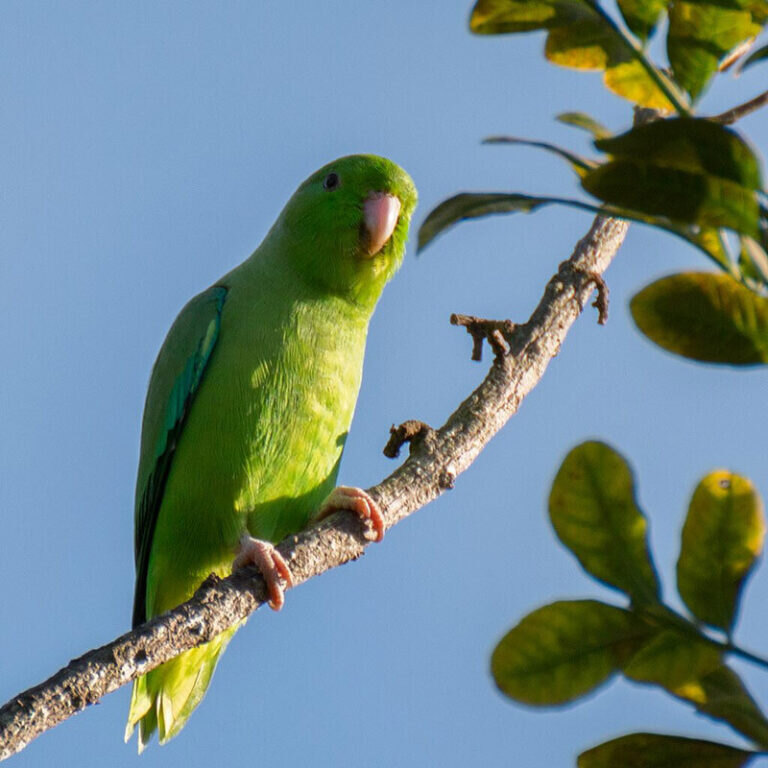
Beyond their vibrant plumage and remarkable mimicry, parrots play a surprisingly sophisticated role as "multilinkers" within their forest ecosystems, acting as vital agents in the health and regeneration of tropical and subtropical woodlands. These intelligent birds contribute significantly to biodiversity through their multifaceted interactions with plants and insects.
One of their most crucial roles is seed dispersal. While many parrots are known for their powerful beaks that crack open seeds for consumption, numerous species also consume fruits whole or partially, inadvertently carrying viable seeds far from the parent plant. When these seeds are dropped or passed through their digestive systems, they are deposited in new locations, often with a natural "fertilizer" boost, aiding in the establishment of new plants and facilitating forest regeneration. This dispersal mechanism is particularly important for large-seeded tree species that rely on animals for propagation, helping to maintain genetic diversity and spread plant populations across landscapes. For instance, large macaws can disperse seeds over considerable distances, contributing to the connectivity of forest fragments.
Parrots are also active pollinators. While not as universally recognized as bees or hummingbirds, certain parrot species feed on nectar and pollen, particularly from robust flowers that can withstand their weight and powerful beaks. In doing so, they transfer pollen between blossoms, contributing to the reproductive success of various plant species, including some economically important crops.
Furthermore, parrots act as natural pest controllers. While their primary diet often consists of fruits, seeds, and nectar, many wild parrot species supplement their diets with insects, especially during breeding seasons when protein demands are high. They consume insect larvae, pupae, and adult insects, helping to regulate pest populations that could otherwise damage trees and other vegetation. This dietary flexibility allows them to transfer energy and nutrients between different trophic levels within the ecosystem, supporting overall plant life cycles and contributing to the intricate balance of the food web.
However, parrot populations worldwide face severe threats. The illegal pet trade, driven by demand for exotic birds, is a major factor, leading to the capture of millions of wild parrots. Habitat destruction through deforestation for agriculture, logging, and urbanization also fragments their habitats, isolating populations and reducing food availability. Climate change further exacerbates these pressures, altering fruit and seed production cycles and increasing the frequency of extreme weather events. The decline of parrot populations directly impacts forest health, potentially leading to reduced forest regeneration, altered plant communities, and a less effective natural pest control system, underscoring their critical importance as "forest gardeners."
The Broader Implications: A Call for Integrated Conservation
The diverse and vital ecological roles played by hummingbirds, vultures, seabirds, and parrots vividly illustrate that birds are far more than just components of nature’s beauty; they are fundamental architects of planetary health. Their contributions—from precise pollination and essential sanitation to nutrient cycling and forest regeneration—are indispensable to the functioning of ecosystems worldwide. The decline of any one of these avian groups, or indeed any species, can trigger a cascade of negative effects throughout an ecosystem, demonstrating the profound interconnectedness of all life.
The implications of avian declines extend directly to human well-being. Reduced pollination by hummingbirds and parrots can impact food security and agricultural yields. A decrease in vulture populations can lead to increased disease transmission, affecting both livestock and human health. The degradation of seabird-mediated nutrient cycles can impoverish island ecosystems, impacting the biodiversity that humans often rely on for resources and ecotourism. These examples highlight that environmental health is not separate from human health and prosperity but is intricately woven into its fabric.
Current global conservation challenges—including escalating climate change, relentless habitat loss and fragmentation, widespread pollution (from plastics to pesticides), and the impact of invasive species—collectively threaten avian populations at an unprecedented rate. According to BirdLife International, approximately 49% of all bird species are currently experiencing population declines, with 1 in 8 species facing a high risk of extinction. These alarming statistics underscore the urgent need for comprehensive and integrated conservation strategies.
Official responses from leading conservation organizations like the World Wildlife Fund, the National Audubon Society, and BirdLife International consistently emphasize the need for a multi-faceted approach. This includes strengthening protected area networks, combating illegal wildlife trade, promoting sustainable land and marine management practices, reducing carbon emissions, and developing policies to mitigate pollution. Public awareness campaigns are also crucial to educate communities about the value of birds and to foster individual actions, such as supporting bird-friendly agriculture, reducing pesticide use, and participating in citizen science initiatives.
Looking Ahead: Sustaining Avian Heroes for a Healthier Planet
As Earth Day continues to evolve, its core message remains steadfast: a healthy planet is not a luxury but a necessity for all life. The stories of these avian heroes—hummingbirds, vultures, seabirds, and parrots—serve as powerful reminders of the intricate ecological services that often go unnoticed but are fundamental to our survival. Their struggles are our struggles; their resilience is our hope.
Sustaining these avian architects requires a collective commitment from governments, industries, communities, and individuals. It demands a shift towards more sustainable consumption patterns, a greater investment in ecological restoration, and a steadfast dedication to protecting the natural habitats that birds and countless other species call home. While the challenges are formidable, the global momentum generated by Earth Day demonstrates a shared recognition of our responsibility towards the planet. By championing the cause of our feathered friends and integrating their conservation into broader environmental strategies, we can ensure that these vital ecological engineers continue to thrive, contributing their invaluable services to a healthier, more balanced planet for generations to come.

