


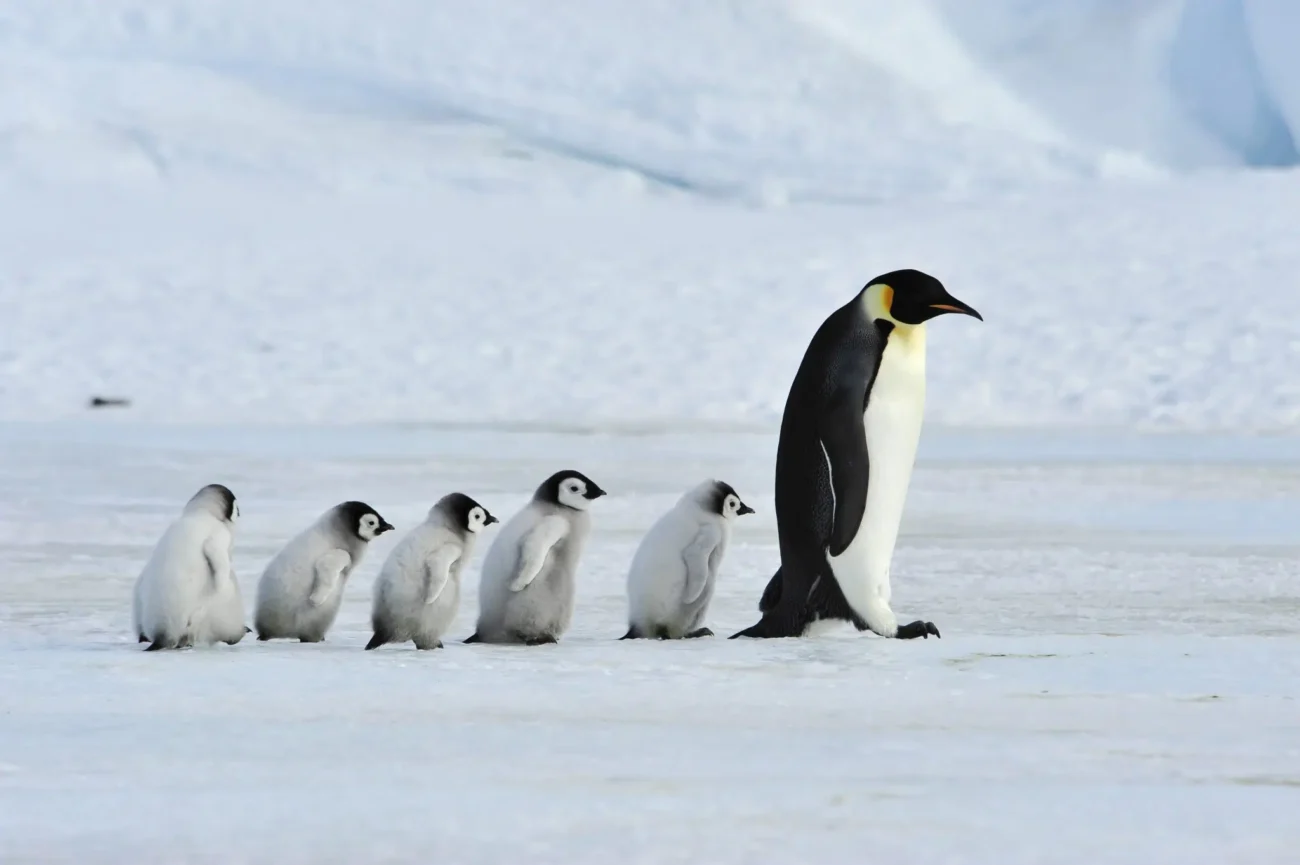
The world’s most iconic Antarctic species, the Emperor Penguin, has been officially uplisted from "Near Threatened" to "Endangered" on the IUCN Red List of Threatened Species, a stark indicator of the escalating crisis posed by climate change. BirdLife International, serving as the official Red List Authority for birds, revealed this alarming reassessment, underscoring the urgent need for global governmental action. The organization is calling on nations to designate the Emperor Penguin as an Antarctic Specially Protected Species during the upcoming 48th Antarctic Treaty Consultative Meeting in Hiroshima this May. This elevation in conservation status reflects not only current threats but also dire projections for the species’ survival throughout the remainder of the century, driven primarily by the dramatic and erratic changes in Antarctic sea ice persistence.
The Declining Fate of a Polar Icon
BirdLife International, in collaboration with the IUCN SSC Penguin Specialist Group, regularly undertakes comprehensive reassessments of bird species worldwide to identify those most at risk of extinction and to monitor the effectiveness of conservation efforts. The Emperor Penguin (Aptenodytes forsteri), renowned for its resilience and charismatic presence in the harsh Antarctic environment, has been a subject of intense scrutiny. Its uplisting to "Endangered" signifies a critical juncture, moving it from a category of species requiring monitoring to one facing a very high risk of extinction in the wild.
The primary driver behind this sobering reclassification is the pervasive and accelerating impact of climate change. Scientific evidence unequivocally points to a direct correlation between rising global temperatures and the degradation of the Antarctic sea ice ecosystem, which is the cornerstone of the Emperor Penguin’s life cycle. Projections indicate that without significant mitigation efforts, the Emperor Penguin population could be halved by the 2080s.

A Deep Dependence on Sea Ice
Emperor Penguins exhibit a profound and intricate dependence on Antarctic sea ice, relying on it for critical life stages including breeding, moulting, and feeding. This vital platform of frozen seawater is essential for several reasons:
- Breeding Colonies: Emperor Penguins form vast colonies on stable sea ice, often hundreds of kilometers from open water. This ice provides a secure and accessible location for incubating their single egg and raising their chicks. The timing of sea ice formation and break-up is paramount; eggs are laid in winter, and chicks hatch in spring, requiring the ice to remain intact until they are old enough to fledge and swim.
- Moulting: Once a year, adult Emperor Penguins undergo a complete moult, a process that renders them temporarily unable to enter the water for food as their new plumage develops. During this vulnerable period, they remain on land or ice, relying on stored body fat. The presence of stable sea ice is crucial for them to complete this process safely.
- Foraging Access: While adult penguins are adept swimmers and divers, the sea ice edge serves as a crucial access point to their primary food sources, which include fish, krill, and squid found in the nutrient-rich Southern Ocean. Changes in sea ice distribution can significantly impact their ability to reach foraging grounds.
The observed trend of decreasing sea ice persistence and increased erratic break-ups poses a direct and severe threat to these life-sustaining processes. Satellite imagery has already revealed alarming trends, with an estimated loss of around 10% of the Emperor Penguin population between 2009 and 2018 alone, a figure translating to over 20,000 adult birds. This period coincided with record low sea ice extent observed since 2016, highlighting the immediate and devastating consequences of these climatic shifts.
The Peril of Early Ice Break-up
A particularly devastating aspect of the changing sea ice regime is the increased frequency of early break-ups. Emperor Penguin chicks are born with downy feathers that are not waterproof and are unable to survive in the frigid Antarctic waters. They rely on their parents to bring them food until they develop their waterproof adult plumage, a process that takes several months. If the sea ice breaks up before the chicks are ready to fledge, they can drown or be stranded in the water, leading to mass mortality events. Such tragic collapses of breeding colonies into the sea have been observed, serving as grim harbingers of the species’ future if current trends continue.
Rob Martin, Red List Team Manager at BirdLife International and coordinator of this reassessment, emphasized the gravity of the situation: "The Emperor Penguin’s shift from Near Threatened to Endangered is a worrying signal of the reach of climate change impacts into the most remote parts of the globe. Future projections for the species robustly point to severe reductions over the rest of this century. Emperor Penguins are completely dependent on the Antarctic habitat for breeding, moulting and feeding, but it will become harder for them to survive as ice patterns become less predictable and this crucial habitat keeps decreasing."

A Global Call to Action
The updated Red List assessment provides crucial scientific data to inform international policy and conservation strategies. BirdLife International is advocating for a specific and timely action: the designation of the Emperor Penguin as an Antarctic Specially Protected Species at the upcoming 48th Antarctic Treaty Consultative Meeting in Hiroshima in May.
This designation is not merely symbolic; it would carry legally binding obligations for signatory governments to implement measures that prevent direct harm to Emperor Penguins and their vital habitat. Such protections could include restrictions on human activities that may disturb breeding colonies, impact foraging grounds, or contribute to habitat degradation.
Martin Harper, CEO of BirdLife International, articulated the urgency: "Penguins are already among the most threatened birds on Earth. The Emperor Penguin’s move to Endangered is a stark warning: climate change is accelerating the extinction crisis before our eyes. Governments must act now – starting by designating the Emperor Penguin as an Antarctic Specially Protected Species this May."
The Broader Implications of a Warming Antarctic
The plight of the Emperor Penguin serves as a potent symbol of the broader ecological crisis unfolding in the Antarctic and across the globe due to climate change. The Antarctic region, often perceived as a pristine and remote wilderness, is proving to be acutely vulnerable to even small increases in global temperatures.

- Ecosystem Health: The decline of a keystone species like the Emperor Penguin can have cascading effects throughout the Antarctic food web. Changes in sea ice impact krill populations, a crucial food source for many Antarctic animals, including whales, seals, and other seabirds.
- Scientific Understanding: The Emperor Penguin’s life cycle is intrinsically linked to the stability of the Antarctic environment. Their struggles provide invaluable insights into the complex and interconnected impacts of climate change on polar ecosystems.
- Global Climate Indicators: Birds, often referred to as "our compass," serve as sensitive indicators of environmental health. The declining fortunes of the Emperor Penguin highlight the interconnectedness of global climate systems and underscore the need for immediate and decisive action to reduce greenhouse gas emissions.
A Timeline of Concern and Action
The increasing concern for the Emperor Penguin’s future has been building over several years, driven by observations of population declines and the scientific understanding of climate change impacts.
- Early 2000s onwards: Scientific research utilizing satellite imagery begins to provide more comprehensive data on Emperor Penguin colony sizes and distributions. Early studies suggest potential vulnerabilities to sea ice loss.
- 2009-2018: A significant period of sea ice instability is documented, leading to observed population losses.
- 2016: Record low sea ice extent is observed in the Antarctic, exacerbating concerns.
- Recent Years: Continuous monitoring and advanced population modeling by organizations like BirdLife International and the IUCN SSC Penguin Specialist Group solidify the understanding of the existential threat posed by climate change.
- May 2024 (upcoming): The 48th Antarctic Treaty Consultative Meeting in Hiroshima presents a critical opportunity for governments to formally address the conservation needs of the Emperor Penguin by designating it as an Antarctic Specially Protected Species.
The analysis of future climate scenarios, which forms the basis of the "Endangered" classification, paints a grim picture. Without substantial and rapid reductions in greenhouse gas emissions, the Emperor Penguin population is projected to continue its steep decline throughout this century. The challenges in accurately quantifying population changes are acknowledged, particularly in documenting individual tragic events like the collapse of a breeding colony. However, the robust population modeling, considering a wide array of climate futures, leaves little room for optimism if global emissions are not drastically curtailed.
The Path Forward: Policy and Decarbonization
The call for Emperor Penguins to be recognized as an Antarctic Specially Protected Species is a direct plea for enhanced international cooperation and commitment to conservation. This designation would elevate the species’ protection status within the framework of the Antarctic Treaty System, providing a stronger legal basis for safeguarding its habitat.
Ultimately, the long-term survival of the Emperor Penguin, and indeed countless other species threatened by climate change, hinges on the global community’s ability to transition away from fossil fuels and embrace a low-carbon future. The health of these iconic Antarctic birds serves as a stark reminder that the fate of the planet’s most remote and seemingly untouched environments is inextricably linked to human actions and policy decisions made on a global scale. The upcoming meeting in Hiroshima represents a crucial juncture where governments have the opportunity to demonstrate their commitment to preserving biodiversity and averting an ecological catastrophe in one of the world’s last great wildernesses.

