


Budgie parakeets, beloved for their vibrant plumage and cheerful disposition, thrive on a remarkably diverse diet, a fact that underscores the critical importance of varied nutrition for their overall health and longevity. While commercial budgie seed mixes form a foundational component of their diet, supplementing these with a wide array of fresh, wholesome human foods is essential for preventing nutritional deficiencies and promoting a robust immune system. However, distinguishing between safe and harmful dietary additions can be a challenge for even the most conscientious owner. This article aims to demystify budgie nutrition, providing a detailed guide to household items that can enrich their diet, alongside a strict list of foods that pose significant health risks.
Understanding Budgie Nutritional Needs: A Scientific Perspective
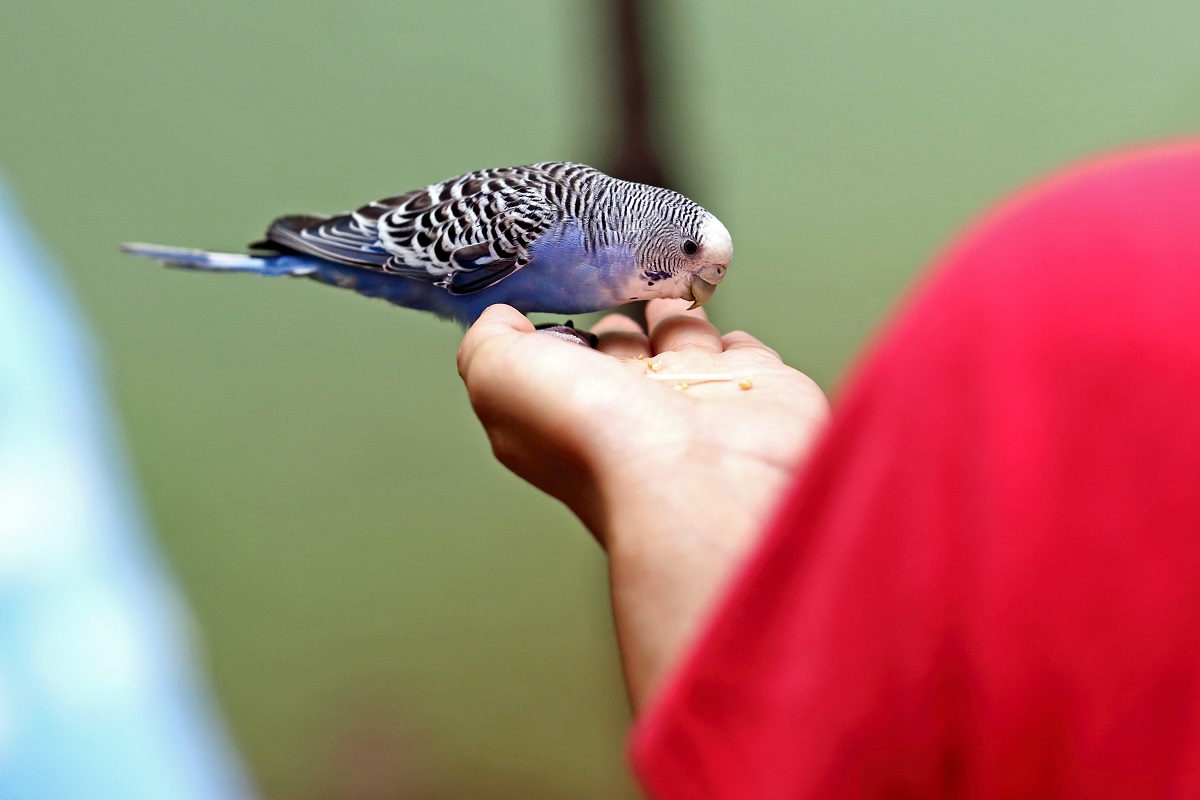
The dietary requirements of budgies are rooted in their evolutionary history as inhabitants of arid and semi-arid regions of Australia. In their natural habitat, wild budgerigars consume a wide variety of grass seeds at different stages of ripeness, along with native plants, fruits, and even small insects, especially during breeding season. This natural diet is significantly different from the often seed-heavy diets provided to captive birds, which frequently lead to nutritional imbalances.
Modern avian veterinary science emphasizes a balanced diet primarily composed of high-quality commercial pellets (approximately 60-70%), supplemented with a diverse range of fresh vegetables (20-30%), a small amount of fruit (5-10%), and occasional healthy treats. Seeds, while a natural food, are high in fat and low in essential vitamins and minerals, and an exclusive seed diet can lead to obesity, liver disease, and vitamin A deficiency, among other serious health issues. The goal for pet budgies is to replicate the nutritional breadth of their wild counterparts, offering a spectrum of macronutrients (proteins, fats, carbohydrates) and micronutrients (vitamins, minerals) vital for metabolic function, feather quality, and reproductive health. The shift in understanding from simple seed mixes to complex, varied feeding strategies highlights an evolving commitment to avian welfare, driven by research and veterinary expertise.
Safe Human Foods for Budgies: A Detailed Exploration of 19 Household Staples
Many everyday items found in human kitchens can safely and beneficially be incorporated into a budgie’s diet, offering both nutritional value and engaging enrichment. These should always be offered in moderation, without added salt, sugar, oils, or preservatives, and as supplements to a primary pellet diet.
- Bread: While not a cornerstone of their diet, small, plain pieces of whole-wheat bread can be offered as an occasional treat. The key is to ensure it is free from sugar, excessive salt, or other additives common in processed white or brioche breads. Whole-wheat provides some fiber, but its nutritional density is lower than fresh produce.
- Sunflower Seeds: A favorite among many birds, unsalted sunflower seeds are acceptable as a very infrequent treat or training reward due to their high fat content. Owners should avoid salted varieties and seed mixes where sunflower seeds dominate, as overconsumption can contribute to obesity and related health problems.
- Natural Peanut Butter: Provided it’s a truly natural variety with only peanuts (and perhaps a tiny amount of salt, though unsalted is preferable), peanut butter can be a high-fat, high-protein treat. It’s excellent for enrichment; a tiny dab on a new toy or perch can encourage a curious budgie to investigate. Its stickiness, however, necessitates small portions to prevent it from clinging to feathers.
- Boiled Eggs: An excellent source of protein and calcium, plain boiled eggs (scrambled or hard-boiled, without oil or salt) are particularly beneficial for laying hens who require extra nutrients. They can be offered a few times a week, finely chopped, providing essential amino acids for feather production and overall vitality.
- Chia Seeds: These tiny powerhouses are rich in Omega-3 fatty acids, fiber, and various minerals. Budgies can enjoy them dry, sprinkled in their food bowl, or as part of a water-soaked "pudding." Their nutritional profile makes them a valuable addition, reflecting a trend towards including superfoods in pet diets.
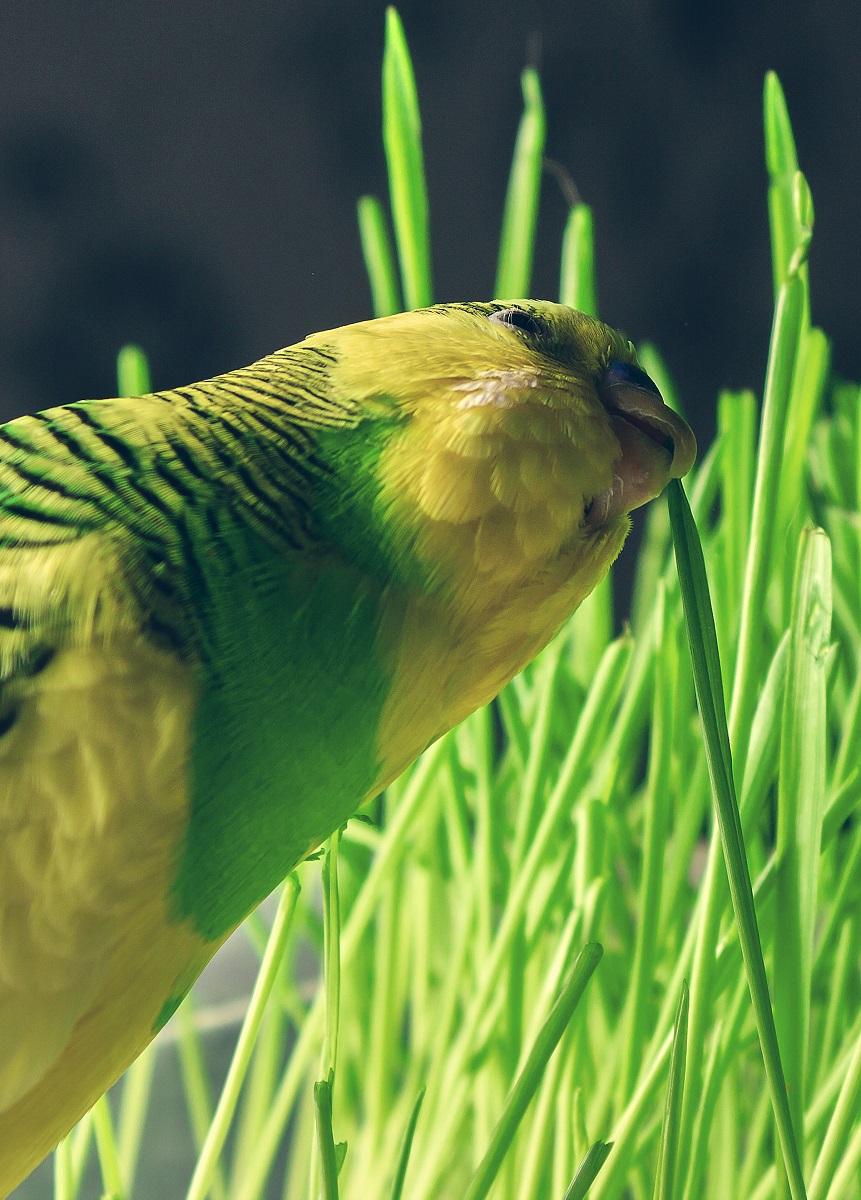
- Wheatgrass: Both wheatgrass seeds and sprouted wheatgrass are highly nutritious and provide excellent enrichment. Sprouted wheatgrass offers a wealth of vitamins, minerals, and enzymes. It should be grown through a mesh to prevent budgies from ingesting soil, which can harbor harmful bacteria or mold.
- Cashews: Unsalted, raw or roasted cashews can be given in very small, chopped pieces. Like all nuts, they are calorie-dense and high in fat, so strict moderation is crucial. A quarter of a crushed cashew nut is an ample portion for a budgie.
- Cheerios: Plain, unflavored Cheerios (without added sugar or marshmallows) can be offered sparingly. While primarily whole-grain oats and corn starch, they do contain some sugar and salt. They are not a daily food but can serve as an occasional, small treat.
- Pumpkin Seeds: Similar to sunflower seeds, unsalted pumpkin seeds are a high-fat treat. Due to their size, it’s often best to offer half a seed at a time. While some budgies enjoy the challenge of shelling them, others may appreciate them already hulled.
- Almonds: Unsalted, raw or roasted almonds, chopped into tiny pieces, are safe. They offer healthy fats, protein, and vitamin E. As with cashews, portions must be small. Sprouting raw almonds can enhance their nutritional value and digestibility.
- Chicken: Plain, cooked, unseasoned chicken breast or thigh can be offered in small quantities, particularly for birds needing an extra protein boost, such as laying hens. It should be thoroughly cooked and free of any oils or seasonings.
- Dried Fruit: Unsweetened, preservative-free dried fruits can be given as an occasional treat. However, the natural sugars are highly concentrated, so portion control is paramount. Dehydrating fruits at home allows owners to control ingredients entirely.
- Hemp Seeds: Often found in commercial bird seed mixes, hemp seeds are an excellent source of Omega-3 and Omega-6 fatty acids, and protein. They are safe and beneficial, provided they are human-grade and unsalted.
- Pasta: Plain, cooked or dry pasta (preferably whole-wheat and unsalted) can be an interesting textural treat. Dry pasta can also be used to create edible toys, offering both nutrition and mental stimulation. Lentil, corn, or pea-based pastas are also suitable.
- Pine Nuts: These small, buttery nuts are safe for budgies in tiny, unsalted portions. Adhering to the "small amounts, no salt" rule established for other nuts is essential.
- Peanuts: The subject of historical debate due to aflatoxin concerns (a mold byproduct), human-grade, unsalted peanuts are now generally considered safe in small quantities. Owners should purchase high-quality peanuts and inspect them for any signs of mold. Offering them in the shell with a small opening can encourage natural foraging behaviors.
- Popcorn: Plain, air-popped popcorn (without butter, salt, or sugar) is a safe and enjoyable treat. Its texture is often appealing to budgies, and like dry pasta, it can be incorporated into homemade bird toys.
- Quinoa: This ancient grain, a member of the Amaranth family, is a complete protein and rich in various micronutrients. Budgies can consume it cooked or uncooked, with all varieties (white, red, black) being suitable.
- Rolled Oats: Both rolled and steel-cut oats are a healthy addition to a budgie’s diet. They can be offered dry, sprinkled into their food, or soaked in water. Oatmeal made with unsweetened almond milk is also acceptable, though its stickiness should be noted.
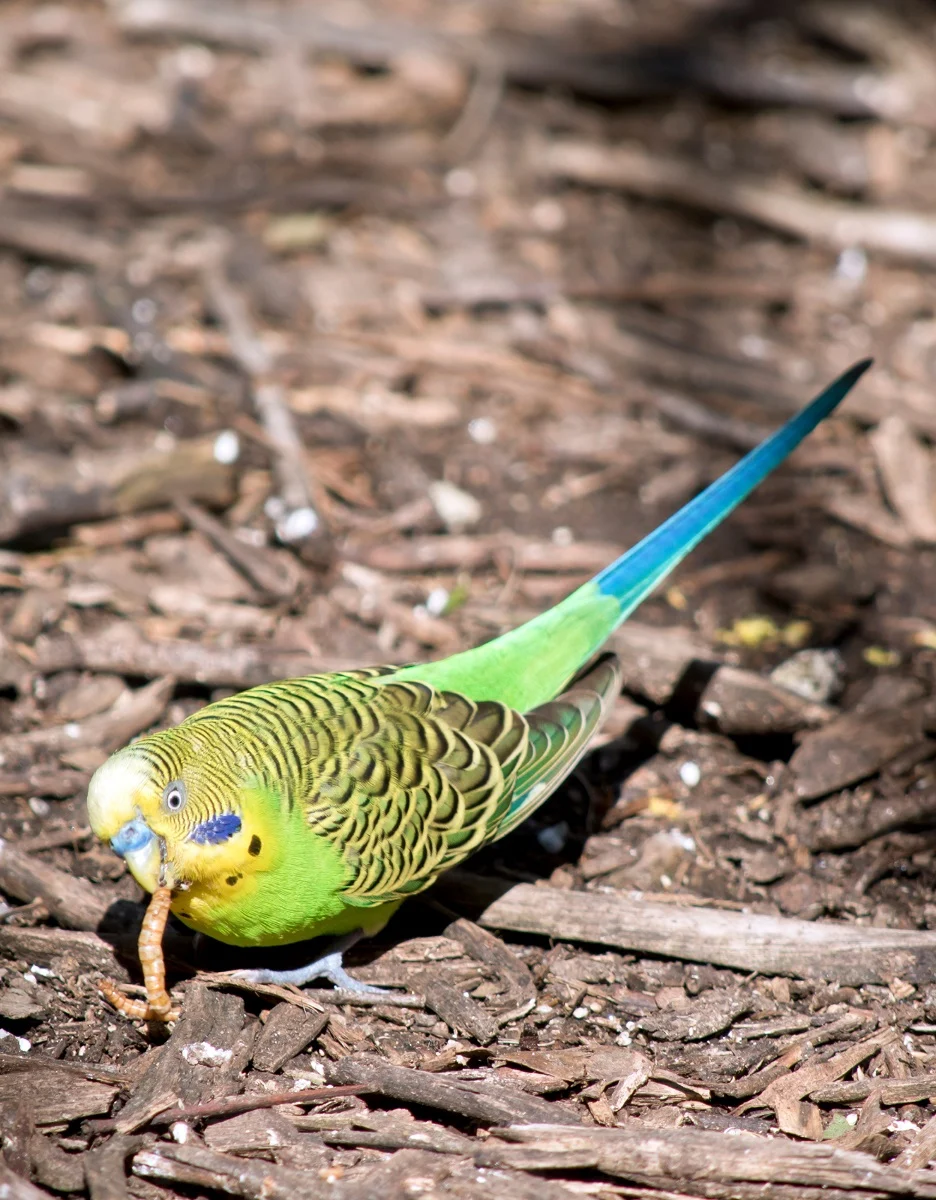
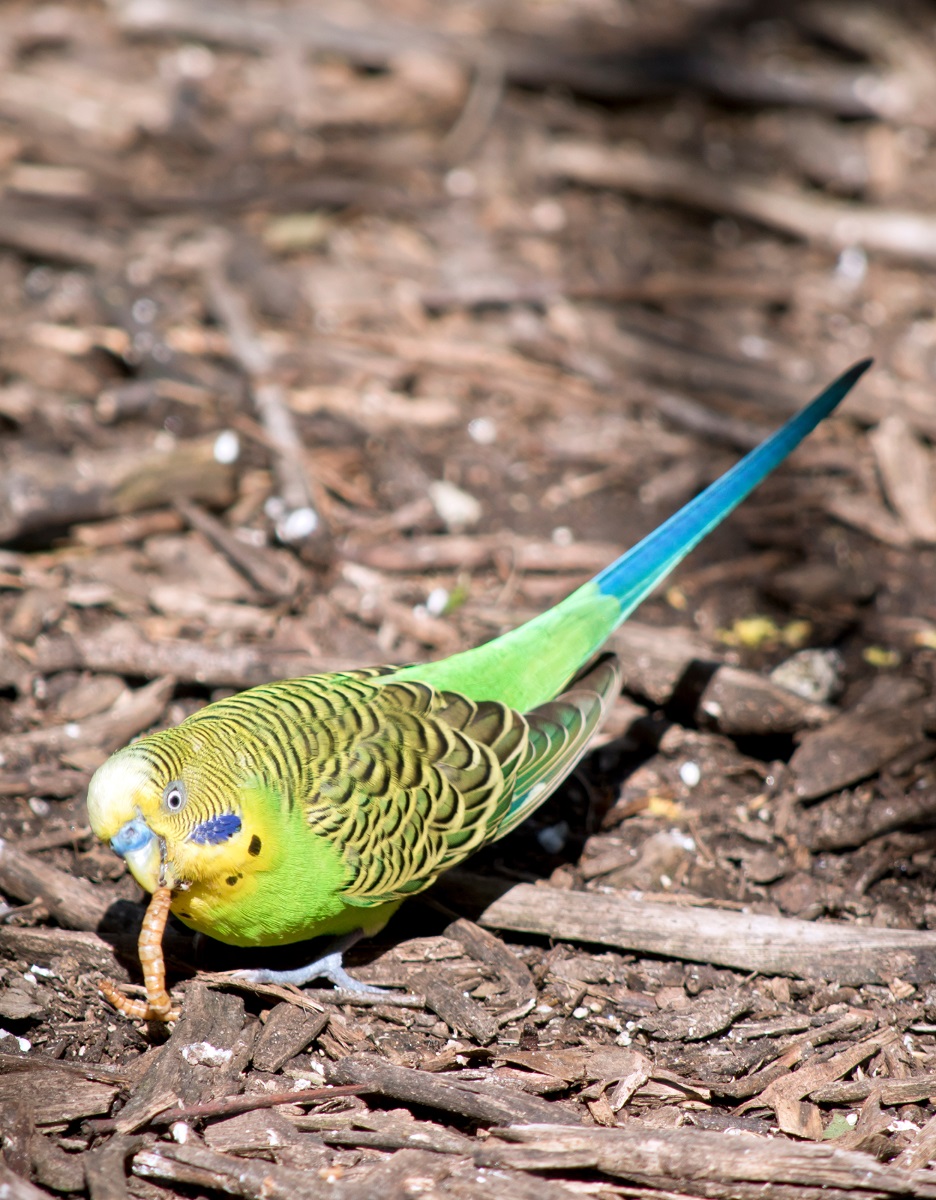
- Bonus: Mealworms: As depicted in the source material, wild budgies consume insects. Captive budgies can occasionally enjoy a mealworm as a high-protein treat, especially during periods of high nutritional demand like breeding. These should be purchased from reputable sources and offered sparingly.
Critically Unsafe Foods for Budgies: 9 Items to Strictly Avoid
Certain human foods are explicitly toxic or otherwise detrimental to budgie health. Owners must be vigilant in preventing their birds from accessing these items. In case of accidental ingestion of any toxic substance, immediate contact with an avian veterinarian is crucial.
- Avocado: Avocado is one of the most well-known toxic foods for parrots. It contains persin, a fungicidal toxin that can cause respiratory distress, weakness, and sudden death in budgies and other small birds due to their high sensitivity and small body mass. Even small amounts can be fatal.
- Chocolate: This common treat contains theobromine and caffeine, both of which are highly toxic to birds. Ingestion can lead to hyperactivity, tremors, seizures, heart problems, and ultimately death. Dark chocolate is particularly dangerous due to its higher concentration of these compounds.
- Honey: While seemingly natural, honey can contain Clostridium botulinum spores, which produce a deadly toxin causing botulism. This is why honey is not recommended for infants, and the same caution applies to budgies. Furthermore, its high sugar content offers no nutritional benefit and can lead to digestive upset and dental issues in birds.
- Processed Snacks (Chips, Fries, Pizza, Cookies, etc.): These items are laden with excessive salt, unhealthy fats, sugars, artificial colors, and preservatives. None of these components are suitable for a budgie’s delicate system. Regular consumption can lead to obesity, kidney failure, liver disease, and other severe health problems.
- Aloe Vera: While the clear gel inside Aloe vera leaves is generally safe and even beneficial topically, the outer green leaf contains aloin, a yellowish substance that acts as a strong laxative. Ingestion can cause severe diarrhea and dehydration in budgies. It’s best to keep birds away from Aloe vera plants.
- Dairy Products (Ice Cream, Cheese): Parrots are largely lactose intolerant, meaning they lack the enzymes to properly digest lactose found in milk products. Consuming dairy can lead to gastrointestinal upset, diarrhea, and discomfort. Furthermore, ice cream is high in sugar and fat, and cheese often contains high levels of fat and salt, making them unsuitable.
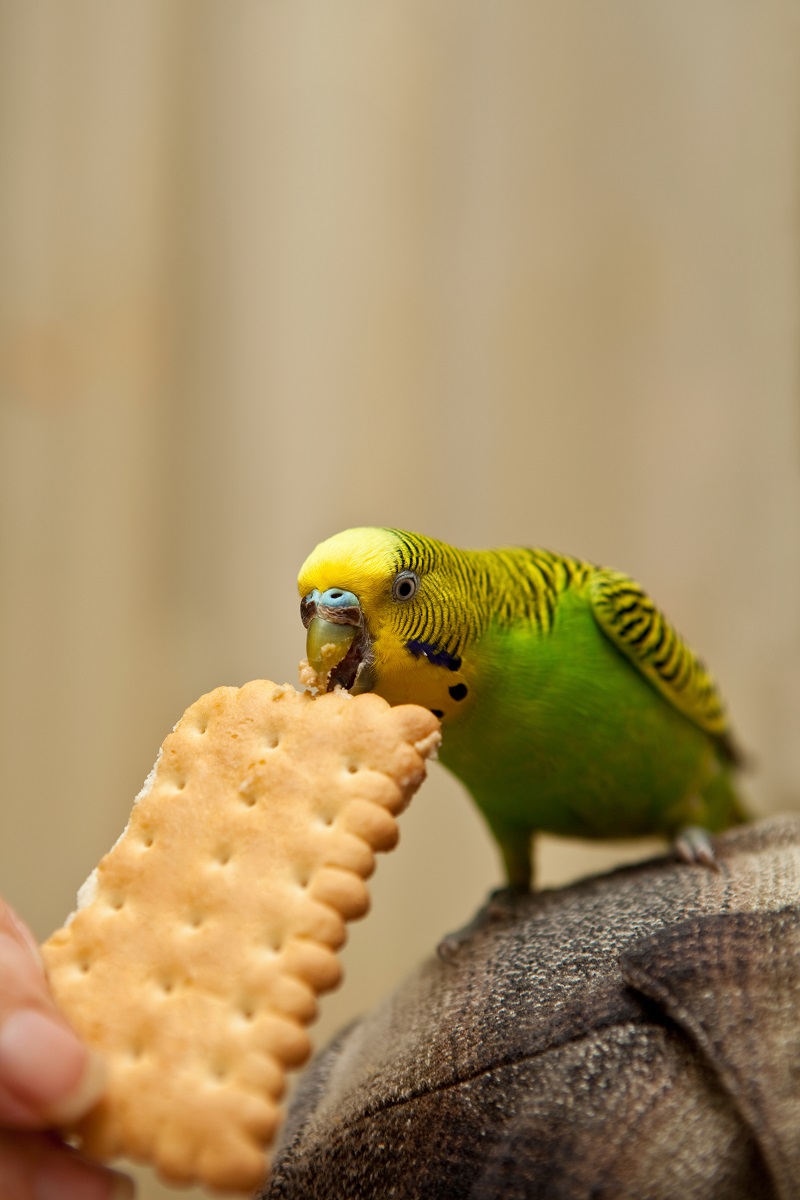
- Crackers: Most commercial crackers are made with refined flour, vegetable oils, and high amounts of salt. While a few crumbs might not be immediately lethal, regular consumption contributes to an unhealthy diet high in empty calories and sodium, leading to long-term health issues.
- Biscuits (Cookies): Whether referring to American savory biscuits or UK sweet cookies, these items are typically high in fat, sugar, and salt, along with artificial ingredients. They offer no nutritional value to budgies and can cause digestive problems and promote unhealthy weight gain.
- Additional Toxic Substances: This category includes a range of other common household items that are highly dangerous:
- Alcohol: Extremely toxic, even small amounts can cause liver damage, neurological issues, and death.
- Coffee and Tea: Contain caffeine and tannins, both harmful to birds.
- Onions and Garlic: Belonging to the Allium family, these contain thiosulphates which can cause hemolytic anemia in birds, damaging red blood cells.
- Apple Seeds: Contain cyanogenic glycosides, which release cyanide when digested. Always remove seeds from apples and other pitted fruits before offering them.
- Xylitol: An artificial sweetener found in many sugar-free products, xylitol is highly toxic and can cause liver failure and hypoglycemia.
Establishing a Balanced Diet: Best Practices for Budgie Owners
The cornerstone of a healthy budgie diet is a high-quality, veterinary-recommended pelleted food, which provides balanced nutrition. Fresh produce should be introduced gradually and consistently to supplement the pellets. Offering a variety of safe vegetables like leafy greens (kale, spinach in moderation), carrots, bell peppers, broccoli, and small amounts of fruit like berries or melon can provide essential vitamins and antioxidants.
Owners should prioritize enrichment through food. Presenting different textures, shapes, and colors encourages natural foraging behaviors, preventing boredom and promoting mental stimulation. This can involve hiding treats, offering food on skewers, or incorporating safe foods into shreddable toys. Regular monitoring of a budgie’s weight, droppings, and overall activity level is vital, and any concerns should prompt a consultation with an avian veterinarian. These specialists can offer tailored dietary advice based on the individual bird’s age, health status, and activity level.
Conclusion: Nurturing Budgie Health Through Informed Nutrition
Providing a balanced and varied diet is one of the most profound ways an owner can contribute to their budgie’s health and happiness. Moving beyond a simplistic seed-only approach to embrace a wide array of safe, unprocessed human foods, alongside a quality pellet diet, is paramount. By understanding the nutritional needs of these vibrant parakeets and diligently avoiding toxic substances, owners can ensure their feathered companions lead long, healthy, and enriched lives. Vigilance, education, and a proactive approach to diet are the ultimate expressions of responsible budgie care.
Sources & Further Reading
- Harrison, G. J., & Lightfoot, T. L. (2006). Clinical Avian Medicine Vol II. Spix Publishing, Inc., West Palm Beach, FL, 18(222), 426.
- Renner, T., Redon, C., Graziano, J., Ness, S., Barrett, A., & Young, E. Aspergillosis: A Respiratory Fungal Disease in Companion Parrots Authors in Order of Written Contribution.
- The Association of Avian Veterinarians (AAV) – General Avian Care Guidelines.
- Lafeber Company – Pet Bird Nutrition Articles.

