


The Nanday Conure, a vibrant and intelligent South American parrot, has increasingly captivated prospective pet owners with its friendly disposition and playful nature. However, integrating one of these feathered companions into a household requires a significant tolerance for noise, a characteristic as pronounced as their striking plumage. This comprehensive guide delves into everything potential owners need to know about the Nanday Conure, exploring its origins, unique characteristics, dietary needs, husbandry requirements, and the implications of its often-underestimated vocal prowess.
Scientific Identity and Evolutionary Journey
Known commonly as the Nanday Conure or Black-Hooded Conure, this species carries the scientific designation Aratinga nenday. Historically, it was classified under its own genus, Nandayus nenday. This taxonomic shift, solidified by a significant study published in 2004 in Molecular Phylogenetics and Evolution, reclassified the species into the Aratinga genus. This re-evaluation was based on molecular systematics, which analyzed genetic data to determine evolutionary relationships, revealing that Nandayus nenday shared a closer genetic lineage with other Aratinga species, such as the Sun Conure (Aratinga solstitialis) and Jenday Conure (Aratinga jandaya), than previously understood. This reclassification underscores the dynamic nature of scientific understanding and the ongoing refinement of avian taxonomy. Understanding its place within the Aratinga genus provides insight into shared behavioral traits, particularly their propensity for high-decibel vocalizations. Adults typically reach a length of up to 12 inches (30 cm) and weigh around 140 grams, with a notable lifespan of up to 30 years in captivity, demanding a long-term commitment from owners.
Distinctive Appearance: The Black-Hooded Marvel
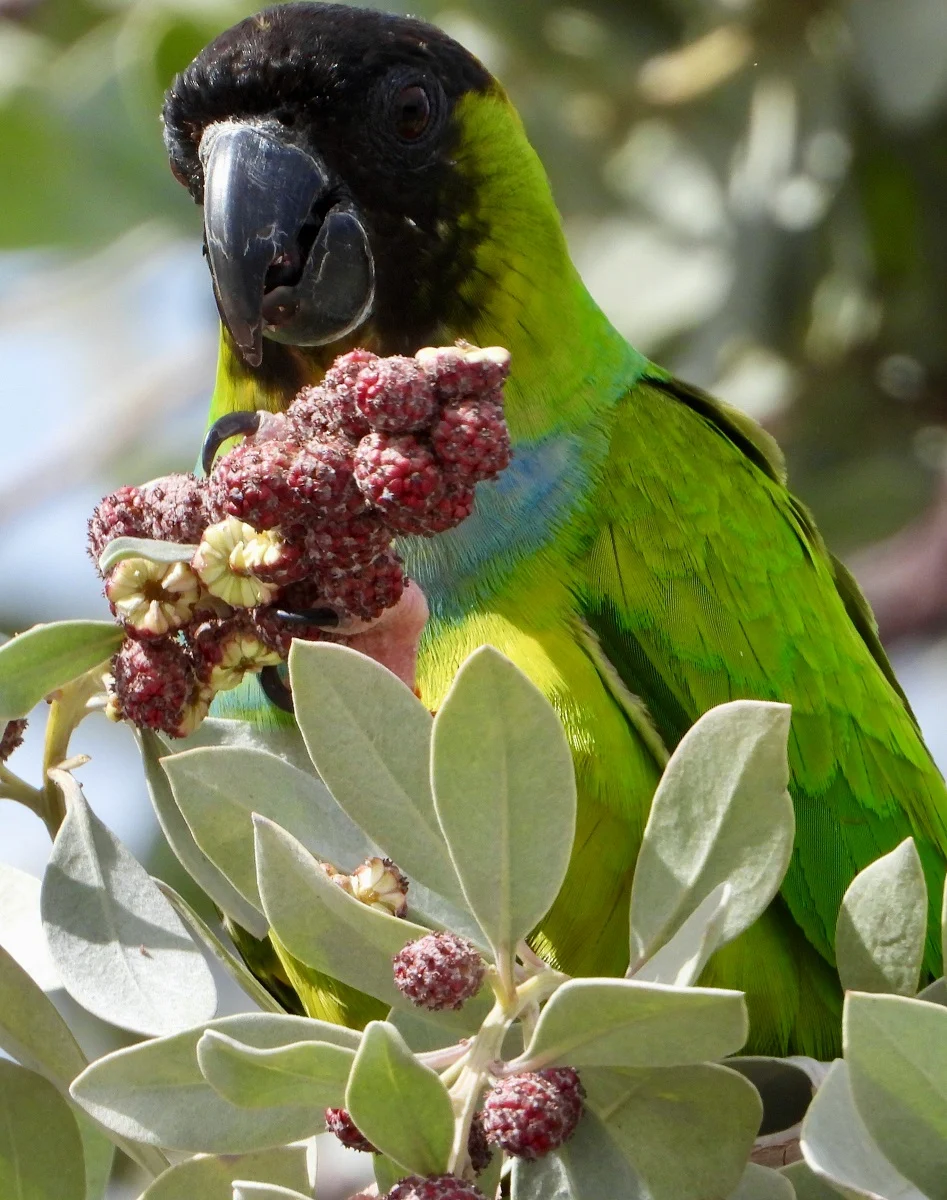
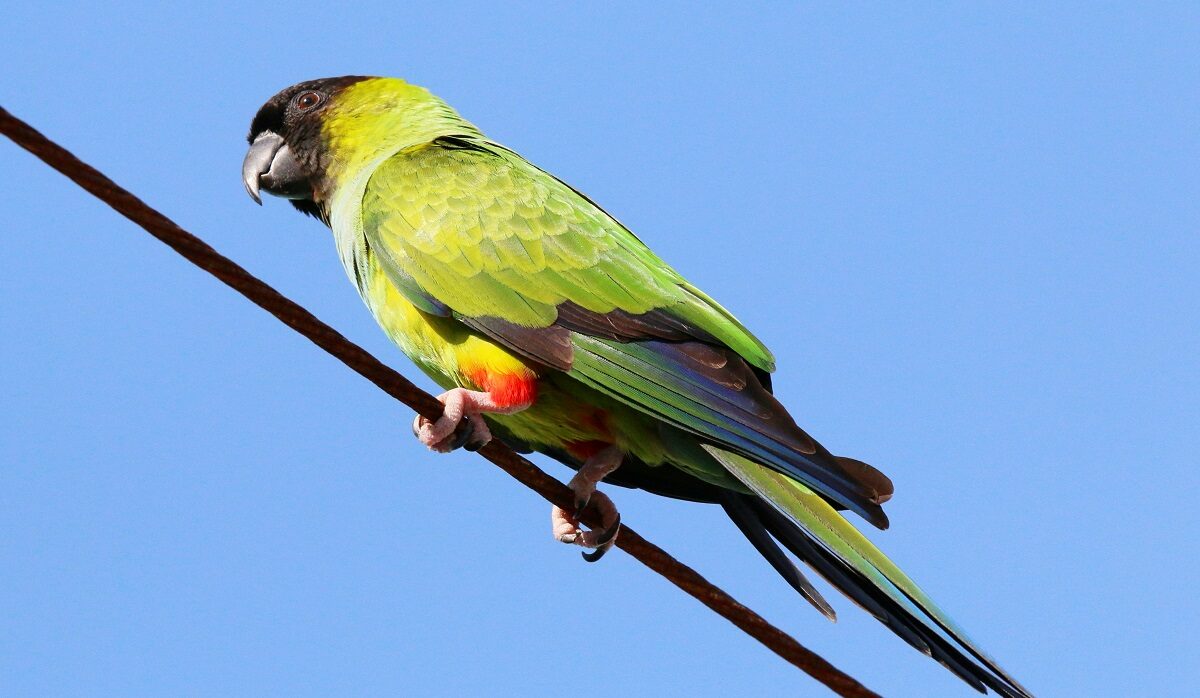
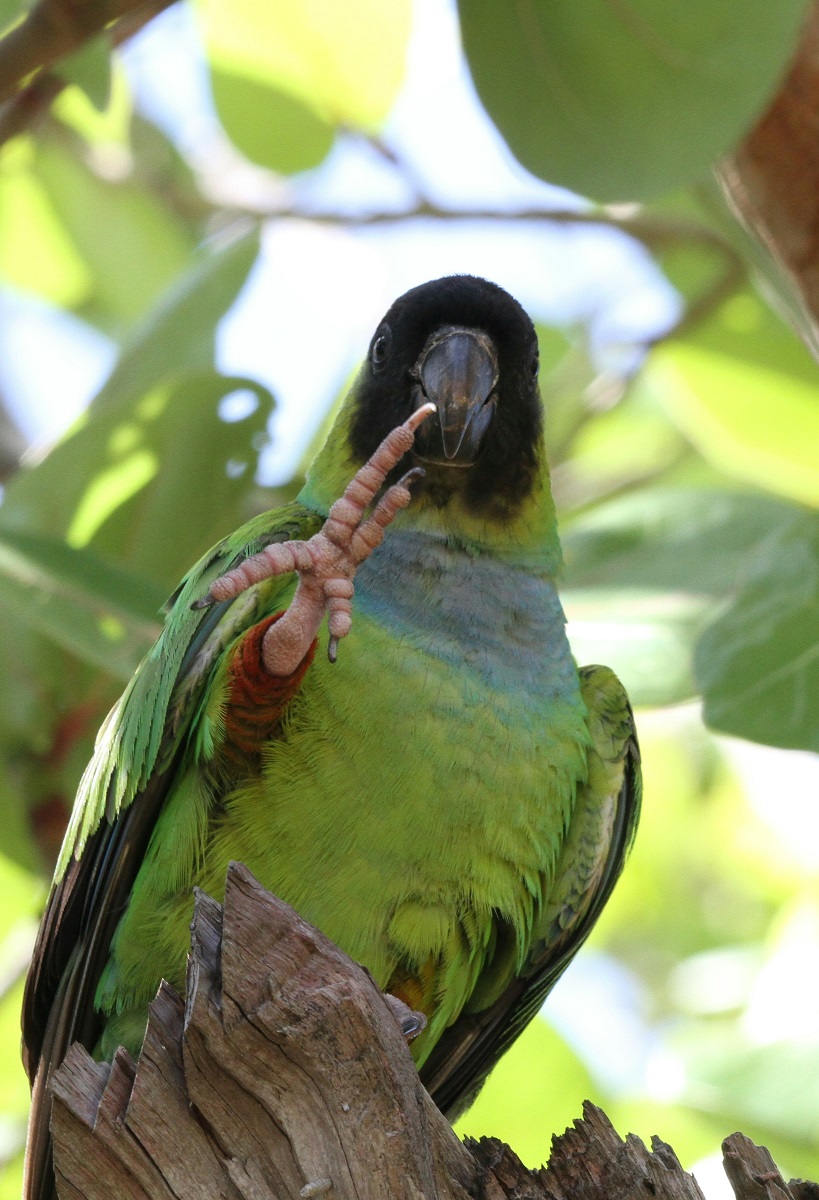
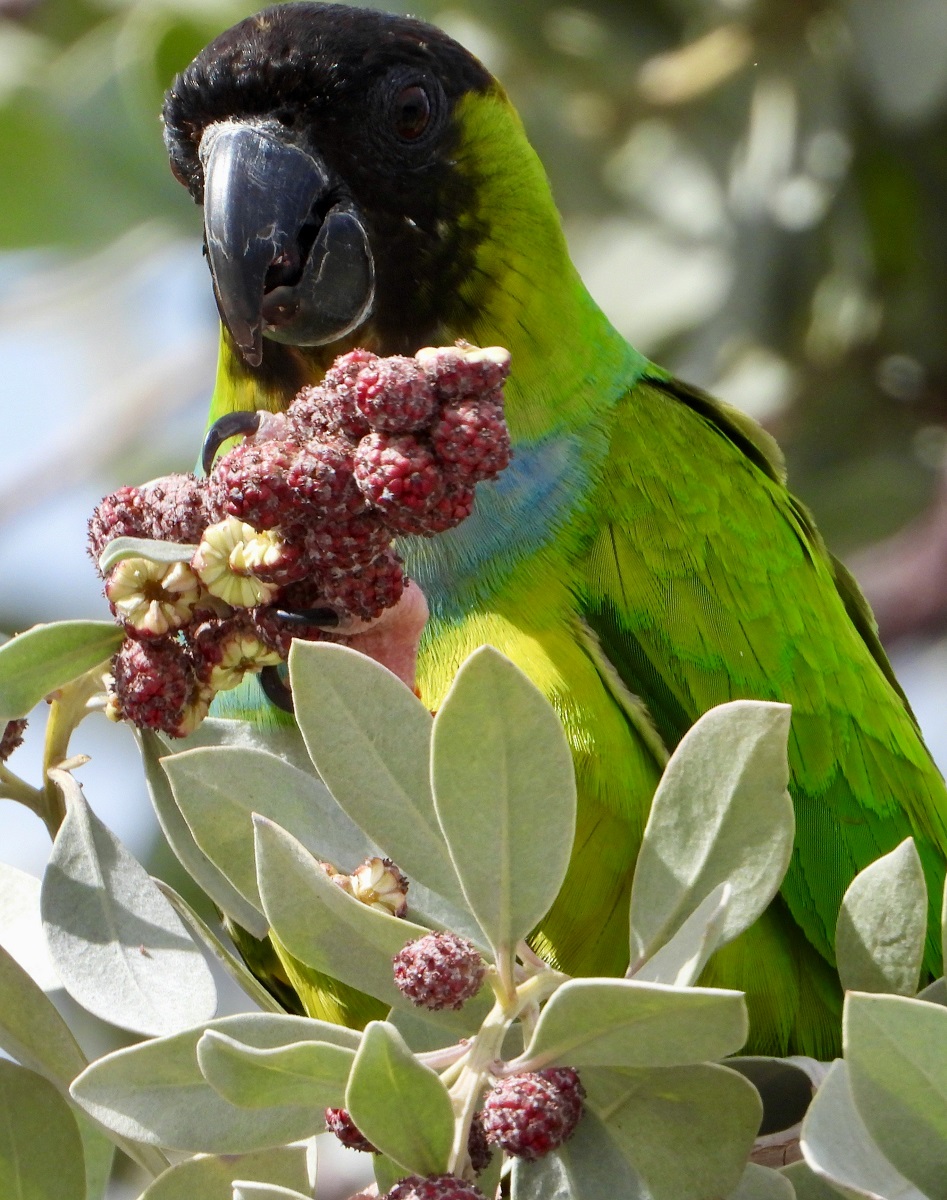
The moniker "black-hooded conure" is instantly comprehensible upon observing this species. Its most striking feature is an unmistakable stark black hood covering its head, which contrasts sharply with an otherwise predominantly bright green body. This "hood" is often framed by a subtle band of brown feathers around the neck. Beyond this iconic black head, the Nanday Conure possesses a black beak, distinctive white eye rings that enhance its expressive gaze, blue-green feathers adorning its chest, and bright red thighs that add a surprising splash of color. This vibrant palette makes the Nanday Conure a visually captivating bird, standing out among its conure relatives. Its medium-small size for a parrot makes it a manageable companion physically, but its personality and vocalizations are anything but small.
Natural Range and Preferred Habitats
The Nanday Conure’s natural range is concentrated in central South America, forming a distinct, narrow band that extends through the heart of Paraguay, into southern Brazil, eastern Bolivia, and reaches northern Argentina. Within these regions, the species thrives in open lowlands, typically found at elevations up to approximately 2,600 feet (800 meters). These preferred habitats often consist of former forests that have been converted into cattle pastures, indicating a degree of adaptability to human-modified landscapes. Such areas are characterized by a mosaic of open spaces dotted with palm trees, which are critically important for nesting and roosting. The environments can vary from swampy wetlands to relatively dry savannas, showcasing the conure’s versatility in adapting to different ecological conditions within its native range.
Conservation efforts monitor species populations globally, and the International Union for Conservation of Nature (IUCN) Red List currently classifies Aratinga nenday as a species of "Least Concern." Interestingly, the IUCN notes that the wild population appears to be increasing. This positive trend is attributed, in part, to habitat changes resulting from human activities, such as agricultural expansion, which paradoxically create more suitable open lowland and pasture environments that the Nanday Conure favors. This highlights a complex interplay between human impact and species adaptation.
The Invasive Conundrum: A Global Phenomenon
Despite its stable wild population, the Nanday Conure presents a significant ecological challenge as an invasive species in several countries outside its native range. Like many other highly adaptable parrots, released or escaped pet Nanday Conures have demonstrated a remarkable ability to survive, breed, and establish thriving feral populations. Noteworthy examples include established flocks in regions such as Spain, California, and Florida. In the United States, research published in the Journal of Ornithology in 2019 identified the Nanday Conure as one of the top three most common naturalized parrot species, underscoring the extent of its invasive spread.
The implications of these invasive populations are substantial for local ecosystems. Feral Nanday Conures compete with native bird species for crucial resources such as food, nesting sites, and water. Their adaptability, generalist diet, and social flocking behavior contribute to their success in new environments. Furthermore, they can potentially transmit diseases to native wildlife, disrupt local agricultural practices by foraging on crops, and even alter local plant communities through seed dispersal. This phenomenon serves as a stark reminder of the broader ecological responsibility associated with exotic pet ownership and the critical importance of preventing escapes. Avian conservationists and ecologists routinely emphasize the need for rigorous measures to contain pet populations and educate owners about the severe consequences of releasing non-native species into the wild.
Dietary Needs: Bridging Wild and Captive Environments
A healthy diet is paramount for the longevity and well-being of any parrot, and the Nanday Conure is no exception. Understanding their natural foraging habits provides valuable insight into formulating an optimal captive diet.
Wild Diet: In their natural habitat, Nanday Conures exhibit a varied diet, primarily consisting of wild fruits, notably those from the Copernicia palm species. They also consume a wide array of seeds, berries, flowers, and flower buds. This diverse foraging strategy ensures a comprehensive intake of nutrients. A fascinating aspect of their wild diet, highlighted by a 2002 study in the Brazilian Journal of Biology, is their role as a pollinator for the Erythrina dominguezii tree. By drinking nectar from its vibrant flowers, they inadvertently spread pollen, contributing to the tree’s reproductive cycle. Like many other South American parrot species, Nanday Conures are also known to visit clay licks, consuming mineral-rich soil. This behavior is theorized to help them obtain essential micronutrients that may be scarce in their primary diet and to neutralize toxins present in some of the plant matter they consume.
Captive Diet: In a captive setting, the foundation of a Nanday Conure’s diet should be a high-quality, commercially formulated pellet food. Avian veterinarians, including specialists, now widely advocate for pellets over traditional seed mixes. This shift is based on extensive research indicating that seed-based diets, while palatable, are often nutritionally incomplete, high in fat, and low in essential vitamins and minerals, leading to malnutrition, obesity, and related health issues. Pellets are designed to provide a balanced nutritional profile.
Supplementing the pellet base, a wide variety of fresh fruits and vegetables should be offered daily. Parrot-safe options include grapes, leafy greens (like kale and spinach), apples, bell peppers, broccoli, carrots, and various other seasonal produce. These fresh additions provide essential vitamins, minerals, antioxidants, and fiber. Additionally, small amounts of sprouted seeds, cooked whole grains such as pasta and brown rice, and occasional protein sources like small pieces of boiled egg can be incorporated to add variety and enhance nutritional intake. Responsible owners must research safe foods, as certain human foods can be toxic to parrots (e.g., avocado, chocolate, alcohol). Regular access to fresh, clean water is also non-negotiable.
Housing and Environmental Enrichment: Creating a Thriving Space
Providing an appropriate living environment is crucial for a Nanday Conure’s physical and psychological health. Given their active nature and need for space, a full-sized aviary is highly recommended if daily free-roaming time outside the cage cannot be consistently provided. An aviary with a length of at least 10 feet (3 meters) allows for flight and extensive movement.
Even with ample out-of-cage time, the primary cage should be as spacious as possible, with minimum dimensions of 30 x 24 x 24 inches (75 x 60 x 60 cm), preferably larger. Crucially, cage length is often more important than height, as conures typically fly horizontally rather than vertically. The bird must be able to fully stretch its wings without touching the cage sides or perches. Bar spacing should be appropriate for a medium-sized parrot, preventing escapes or injuries.
The cage interior requires thoughtful furnishing. A variety of natural wood perches of differing diameters and textures is essential to promote foot health and prevent pressure sores. Platforms and swings also offer additional resting and play areas. A constant supply of engaging toys is vital to combat boredom and provide mental stimulation. Conures are highly intelligent and destructive, so toys should be varied, safe, and regularly rotated or replaced. Examples include shreddable toys, foraging toys, puzzle toys, and indestructible toys for chewing. At least one or two food bowls and a constant source of clean, fresh water are necessary, ideally heavy ceramic or stainless steel bowls that are easy to clean and difficult to tip over.
Beyond the physical setup, the ambient environment of a parrot’s living space demands careful consideration. Parrots possess highly sensitive respiratory systems, making them vulnerable to airborne toxins. Owners must strictly avoid smoking, using aerosol sprays, burning scented candles, or utilizing nonstick cookware (which can release toxic fumes when overheated) in the vicinity of their bird. Proper ventilation is also important to maintain air quality. Creating a "parrot-proofed" space where the bird can safely explore outside its cage is essential to prevent accidents and ensure its overall safety.
Temperament and Social Dynamics: The Heart of the Conure
Aratinga conures, including the Nanday, are widely appreciated by parrot enthusiasts for their generally friendly and outgoing dispositions. Unlike some other conure genera, such as Pyrrhura (which includes the Green-Cheeked Conure), a well-socialized Nanday Conure is less prone to nipping or aggressive behaviors. While individual personalities vary, most Nanday Conures are accepting of new people and tend to integrate well with various family members.
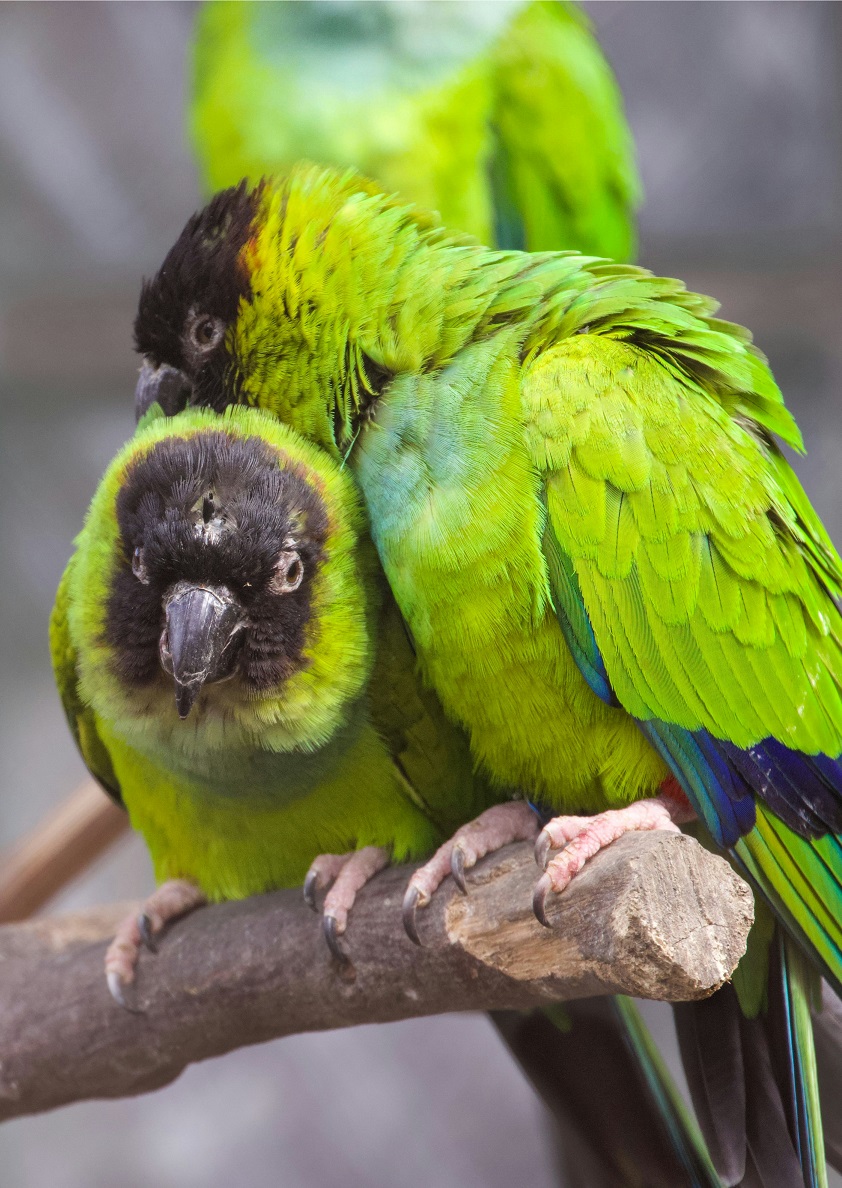
They are inherently social animals, a trait deeply rooted in their wild flocking behavior. This sociability translates into a strong need for attention and interaction in a captive environment. If a Nanday Conure feels neglected or under-stimulated, it can develop behavioral issues such as excessive screaming, feather picking, or even self-mutilation, all signs of stress and psychological distress. Their outgoing nature can sometimes manifest as "neediness," where they may demand constant interaction, potentially screaming when their owner leaves the room or displaying jealousy towards "competitors" for attention.
An ideal day for a Nanday Conure typically involves a blend of activities: interactive play with noise-making or shreddable toys, engaging in "talking" or training sessions with their human companions, enjoying head scratches and affectionate petting, and perhaps a peaceful nap on their owner’s shoulder. Providing consistent, positive interaction and setting clear boundaries are key to fostering a well-adjusted and happy Nanday Conure.
The Decibel Dilemma: Understanding Nanday Vocalizations
Perhaps the single most critical factor prospective owners must consider before acquiring a Nanday Conure is its extraordinary capacity for noise. Conures of the Aratinga genus are renowned for being among the loudest of all parrot species, and Nandays are certainly no exception. The noise level is not merely "loud"; it can be deafening.
As cited in Good Parrotkeeping by Robin Deutsch (2009), while a Macaw can scream at 105 decibels and a Moluccan Cockatoo at 135 decibels, the relatively small Nanday Conure has been recorded reaching astounding peaks of up to 155 decibels. To put this in perspective, 100 decibels is equivalent to a jackhammer, and 120 decibels is the threshold of pain for human hearing. Sustained exposure to sounds above 85 decibels can cause permanent hearing damage, making a Nanday Conure’s peak screams a significant concern that can literally injure human eardrums.
This inherent vocal intensity is not a behavioral problem to be "trained out" but a fundamental characteristic of the species. Parrots, in general, tend to be most vocal during dawn and dusk, coinciding with their natural flock calls and communication rituals in the wild. They also vocalize intensely when excited, alarmed, or seeking attention. Beyond their piercing flock calls, Nandays produce a range of whistles, chirps, and can even imitate common household noises or short phrases.
Prospective owners are strongly advised to experience the sound level firsthand before committing. Listening to recordings on platforms like xeno-canto, or ideally, visiting someone who owns a Nanday Conure (such as a reputable breeder or rescue organization), can provide a realistic understanding. Furthermore, living situations must be carefully evaluated; their extreme vocalizations make Nanday Conures generally unsuitable for apartment dwellers or those with close neighbors. Managing noise involves consistent positive reinforcement for quiet behavior, providing ample enrichment to reduce boredom-induced screaming, and understanding that some level of intense vocalization is an unavoidable aspect of living with this species.
Intelligence and Training Potential
Nanday Conures are highly intelligent birds, a trait common among parrots, which contributes significantly to their appeal but also to the demands of their care. Their intelligence means they are capable of learning various tricks, commands, and even mimicking human speech. While they may not achieve the extensive vocabulary of an African Grey Parrot, many Nandays can learn to repeat words, short phrases, and whistle simple tunes. Consistency in training, positive reinforcement, and patience are crucial. Engaging in regular training sessions not only teaches new behaviors but also strengthens the bond between bird and owner and provides vital mental stimulation.
This high intelligence, however, underscores the critical importance of enrichment. A bored Nanday Conure is a destructive, noisy, and potentially neurotic Nanday Conure. Without sufficient mental stimulation, they can develop a range of undesirable behaviors, from excessive screaming and feather plucking to aggression and depression. Enrichment strategies should include:
- Foraging opportunities: Hiding food in toys or around the cage encourages natural foraging behaviors.
- Destructible toys: Providing safe items to chew and shred helps satisfy their natural urge to break things.
- Puzzle toys: Toys that require problem-solving to access treats keep their minds active.
- Social interaction: Daily, dedicated time with their human flock is paramount.
- Physical activity: Opportunities to climb, fly, and explore in a safe environment.
- Novelty: Regularly rotating toys and introducing new experiences prevents monotony.
Health and Longevity: A Commitment to Care
With proper care, Nanday Conures can live for up to 30 years, making them a long-term commitment. Regular veterinary check-ups with an avian specialist are essential for preventative care and early detection of potential health issues. Common health concerns in parrots can include Psittacine Beak and Feather Disease (PBFD), Psittacosis (Chlamydiosis), fatty liver disease (often linked to poor diet), and various bacterial or fungal infections. Maintaining a clean cage environment, providing a balanced diet, ensuring adequate exercise, and minimizing stress are fundamental to preventing illness. Owners should also be familiar with basic parrot emergency care, as these curious birds can be accident-prone.
Ethical Considerations of Ownership
Owning a Nanday Conure comes with significant ethical responsibilities. Given their long lifespan and specific needs, potential owners must be prepared for a multi-decade commitment. This includes the financial resources for quality food, spacious housing, veterinary care, and enrichment items. More importantly, it requires a significant investment of time and attention.
The issue of Nanday Conures as an invasive species also places an ethical burden on owners. It is paramount to prevent escapes, as even a single released bird can contribute to establishing feral populations that negatively impact native ecosystems. Sourcing birds from reputable breeders or rescue organizations, rather than supporting wild-caught trade, is another critical ethical consideration. Reputable breeders typically prioritize the health and welfare of their birds and often provide valuable guidance to new owners.
In conclusion, the Nanday Conure is a captivating, intelligent, and affectionate parrot that can bring immense joy to the right home. However, its significant demands, particularly its extreme vocalizations and profound need for social interaction and mental stimulation, necessitate careful consideration. Prospective owners must conduct thorough research, assess their living situation, and commit to providing a lifetime of dedicated care to ensure both their own peace and the well-being of this boisterous, beautiful bird.

