


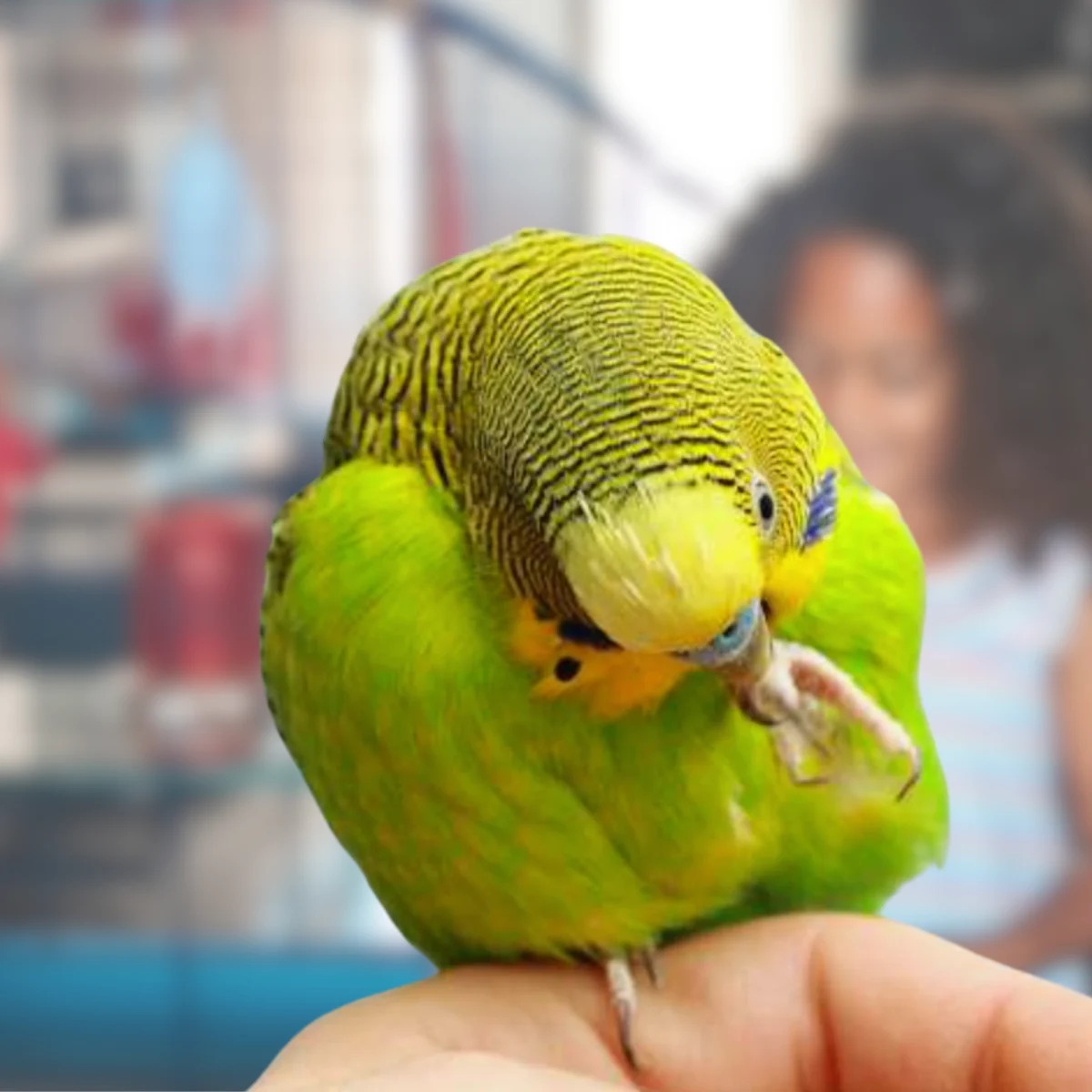
The sight of a pet bird relentlessly chewing its own feet is among the most alarming and distressing experiences for any avian caregiver, signaling a profound underlying issue that demands immediate and comprehensive attention. This behavior, often a symptom of significant pain, intense stress, or a serious illness, is a critical red flag in avian health, distinct from the more commonly observed feather plucking. Unlike feather plucking, which can sometimes be chronic but less immediately life-threatening, foot chewing can rapidly escalate, leading to severe wounds, infections, and potentially irreversible damage, necessitating swift intervention to mitigate suffering and prevent grave health consequences.
Understanding the Gravity of Bird Foot Chewing
While precise statistical data on the prevalence of foot chewing across all avian species remains limited, avian veterinary professionals and behavioral scientists consistently categorize it as a less common but far more urgent manifestation of distress compared to feather plucking. When it occurs, it is rarely a benign quirk; instead, it serves as a potent indicator of deep-seated discomfort, irritation, or profound anxiety. Experts emphasize that birds are masters at concealing signs of weakness or pain, a survival instinct honed in the wild to avoid appearing vulnerable to predators. Therefore, when a bird exhibits such overt self-harm, it implies that the internal or external stressors have become overwhelming, breaching their natural stoicism.
This behavior is considered a behavioral emergency due to its potential for rapid progression. A minor irritation can quickly transform into an open wound, creating a direct pathway for bacterial or fungal infections. Given that birds bear their entire weight on their feet throughout the day, even a small injury can quickly become excruciatingly painful, hindering their mobility, perching ability, and overall quality of life. Without prompt and appropriate care, such injuries can lead to chronic pain, permanent lameness, systemic infections, and, in severe cases, the necessity of amputation or even euthanasia.
The Underlying Causes: A Complex Diagnostic Challenge
Identifying the root cause of foot chewing requires a meticulous investigative approach, often involving a combination of environmental assessment, behavioral observation, and thorough veterinary examination. The reasons are multifaceted and can be broadly categorized into physical ailments, psychological distress, and environmental factors.
-
Physical Ailments:
- Injury or Trauma: This is perhaps the most straightforward cause. A cut, bruise, splinter, broken nail, or even a minor abrasion can initiate chewing as the bird attempts to alleviate discomfort or remove the irritant. Falls, cage accidents, or altercations with other birds or pets can lead to such injuries.
- Infections: Bacterial, fungal, or parasitic infections can cause intense itching, inflammation, and pain. Bumblefoot (pododermatitis), a common bacterial infection of the footpads, is a prime example, often stemming from improper perching surfaces, poor hygiene, or vitamin A deficiency.
- Arthritis or Joint Pain: Older birds or those with specific genetic predispositions can develop arthritis, leading to chronic pain in their joints, including those in their feet.
- Nerve Damage: Neurological issues can manifest as tingling, numbness, or abnormal sensations, prompting the bird to chew at its feet in an attempt to relieve these unusual feelings.
- Systemic Illnesses: Underlying diseases affecting the liver, kidneys, or other organ systems can sometimes cause skin changes, inflammation, or neurological symptoms that lead to self-mutilation. Nutritional deficiencies, particularly of vitamins and minerals crucial for skin and nerve health, can also contribute.
- Allergies or Skin Irritations: Contact dermatitis from cage cleaners, bedding, or even food particles can cause localized itching and inflammation.
-
Psychological Distress:
- Stress and Anxiety: Birds are highly sensitive creatures. Changes in their environment (new pets, new people, cage relocation), loud noises, lack of routine, or perceived threats can induce significant stress.
- Boredom and Lack of Enrichment: A bird confined to a barren cage without sufficient toys, opportunities for foraging, or social interaction can develop behavioral stereotypies, including self-mutilation, as a coping mechanism for understimulation.
- Loneliness and Social Deprivation: Parrots, in particular, are highly social animals. A lack of regular interaction with their human companions or conspecifics can lead to profound loneliness and anxiety.
- Fear and Phobias: Traumatic experiences or persistent fears can trigger intense anxiety, manifesting as self-destructive behaviors.
-
Environmental Factors:
- Improper Perching: Unsuitable perch types, sizes, or textures can cause pressure sores, uneven wear, or discomfort, leading to a bird attempting to "fix" its feet. Perches that are too smooth, too rough, too uniform, or made of irritating materials are common culprits.
- Poor Cage Hygiene: A dirty cage provides a breeding ground for bacteria and fungi, increasing the risk of foot infections.
- Low Humidity: Excessively dry environments can lead to dry, flaky skin, which can become itchy and prone to cracking, prompting chewing.
- Chemical Exposure: Residues from cleaning products, pesticides, or other environmental toxins can irritate sensitive avian skin.
Identifying the Severity: When to Act Decisively
The initial observation of a bird chewing its feet should immediately trigger an assessment of the situation’s severity. While some mild, transient pecking might occur during preening, persistent or aggressive chewing is a clear warning sign. Bird owners must act as detectives, closely observing their pet for specific indicators that denote an emergency.
Key signs demanding immediate attention include:
- Bleeding or Open Wounds: Any visible blood, lacerations, or breaks in the skin are critical and necessitate urgent care. These are direct pathways for infection.
- Redness or Swelling: Inflammation indicates an ongoing process of injury, infection, or irritation. Swelling can impede blood flow and cause significant pain.
- Missing Nails or Scabby Spots: These suggest chronic or severe trauma. Missing nails can be incredibly painful and are prone to infection. Scabs indicate previous injury that the bird may be reopening.
- Limping or Avoiding Pressure: A bird favoring one foot, refusing to perch normally, or showing obvious discomfort when walking is experiencing significant pain or physical impairment.
- Changes in Behavior: Lethargy, loss of appetite, fluffed feathers, or unusual vocalizations accompanying the foot chewing further indicate a serious underlying issue.
It is crucial to remember that birds are biologically programmed to hide illness. By the time overt symptoms like severe foot chewing become apparent, the underlying condition may be advanced. Therefore, any sustained or intense foot-chewing behavior should be treated as a medical emergency.
Immediate Response Protocol: Stabilizing the Situation
While professional veterinary care is paramount, there are critical immediate steps an owner can take to stabilize their bird and prepare for a vet visit. These actions are designed to prevent further self-mutilation, manage pain, and reduce the risk of infection.
Step 1: Gentle Handling and Initial Assessment
Approach the bird calmly and speak in soft, reassuring tones. Stress exacerbates self-destructive behaviors. Gently wrap the bird in a soft towel to prevent further injury and allow for a controlled examination. Carefully inspect both feet, comparing them for symmetry, color, and any abnormalities. If bleeding is present, apply gentle pressure with a clean gauze pad. For minor bleeding, cornstarch or a styptic powder can be applied to aid clotting. Once stabilized, gently rinse the affected foot with warm, filtered water or a bird-safe saline solution to clean any debris.
Step 2: Soothing Irritation with a Salt Soak
A mild salt soak can provide immediate relief from irritation and has antiseptic properties. Prepare a solution of one cup of warm, filtered water with 1/8 teaspoon of plain, non-iodized sea salt. For enhanced antiseptic benefits, two tablespoons of pure aloe vera juice (ensure it contains no additives or sugars) can be added. Gently dip the affected foot into the shallow bowl for 30 to 60 seconds. If the bird becomes excessively distressed, saturate a soft cloth or cotton ball with the solution and dab the foot instead. Pat the foot dry with a clean cloth; avoid rubbing, which can cause further irritation. This procedure should be limited to once or twice daily to avoid over-drying the skin. Crucially, prevent the bird from ingesting the solution.
Step 3: Applying Bird-Safe Topical Treatments
After cleaning and soaking, apply a bird-safe topical treatment to protect the wound and promote healing.
- Pure Aloe Vera: Known for its soothing, anti-inflammatory, and mild antimicrobial properties. Ensure it is 100% pure aloe gel without alcohol, fragrances, or other additives.
- Vetericyn Spray: A popular veterinary-recommended spray containing hypochlorous acid, which is safe, non-toxic, and effective against a broad spectrum of bacteria and fungi.
- Manuka Honey: A small dab of medical-grade Manuka honey can be applied. It has potent antibacterial, anti-inflammatory, and wound-healing properties. Ensure the bird cannot easily ingest large quantities, as it is sticky.
Crucially, avoid common human first-aid products that are toxic or harmful to birds: Neosporin (can cause liver damage if ingested), hydrogen peroxide (cytotoxic and can delay healing), rubbing alcohol (painful and drying), and scented lotions or creams.
Step 4: Protecting the Foot from Further Chewing
The immediate goal is to prevent the bird from worsening the injury. Create a recovery environment:
- Recovery Cage: Move the bird to a smaller, easily cleaned "hospital cage" with soft surfaces. Line the bottom with soft towels or paper towels to cushion falls and allow for easy monitoring of droppings.
- Modified Perching: Remove traditional perches and replace them with flat, soft perches (e.g., towel-wrapped dowels, flat platforms, or even rope perches) to reduce pressure on the injured foot.
- Environmental Control: Maintain a warm temperature and keep lights dim to reduce stress. Minimize noise and activity around the cage.
- Protective Collar: If the bird continues to access and chew the foot, a bird-safe soft recovery collar (e.g., a "donut" collar) may be necessary as a temporary measure to physically block access to the injured area. These should be fitted by a professional or with careful guidance to ensure proper sizing and comfort.
Understanding the Root Cause: The Detective Work Continues
While immediate care addresses the symptoms, a long-term solution hinges on identifying and mitigating the underlying cause. This requires the owner to become a detective, meticulously observing and documenting any changes in the bird’s environment, routine, or behavior.
Consider the following questions:
- Has the bird suffered any obvious physical injury?
- Are there any signs of external parasites or skin conditions?
- Has there been a recent change in diet?
- Is the bird receiving adequate mental and physical stimulation? Is it bored?
- Have there been significant environmental changes (new pet, new house, loud construction)?
- What is the bird’s sleep pattern like? Is it getting enough uninterrupted sleep?
- Is this a species historically prone to self-mutilation, such as certain cockatoos, which are known for their emotional sensitivity and tendency towards self-harm when stressed or undersocialized?
Maintaining a detailed log of observations will be invaluable for the avian veterinarian, helping them pinpoint potential triggers more quickly and accurately.
Habitat Tweaks for Long-Term Healing and Prevention
Environmental modifications are crucial for both immediate healing and preventing recurrence.
- Hygiene: Thoroughly clean and disinfect the bird’s main cage, all perches, and toys to eliminate potential sources of infection or irritation.
- Enrichment: Introduce a variety of new, safe enrichment toys that encourage natural behaviors like foraging, chewing, and problem-solving. Rotate toys regularly to maintain interest. Provide opportunities for social interaction and out-of-cage time, if appropriate and safe.
- Humidity: If the environment is dry, consider using a humidifier to slightly raise the ambient humidity, which can help alleviate dry, itchy skin.
- Stress Reduction: Implement strategies to minimize noise and other stressors. Ensure a consistent daily routine, including adequate quiet, uninterrupted sleep in a dark environment.
- Perch Variety: Provide perches of varying diameters, textures, and materials (natural branches, rope, concrete, soft platforms) to ensure proper foot health and prevent pressure sores. Avoid dowel perches as the sole option.
The Indispensable Role of Avian Veterinary Care
Even if initial home care appears to alleviate the immediate chewing, consulting a certified avian veterinarian is not optional; it is imperative. Home care is a temporary measure to stabilize the bird and prevent further trauma, but it cannot diagnose or treat the underlying condition. Avian vets possess specialized knowledge and diagnostic tools essential for proper diagnosis and treatment.
Upon examination, an avian vet may:
- Conduct a thorough physical examination: Including palpation of the feet, observation of gait, and assessment of overall health.
- Perform diagnostic tests: This could include blood work to check for systemic illness or nutritional deficiencies, X-rays to look for bone fractures or arthritis, bacterial or fungal cultures of the wound, or skin biopsies.
- Prescribe medications: This might include antibiotics for bacterial infections, antifungals, anti-inflammatory drugs, or pain relievers.
- Address behavioral causes: The vet may recommend behavioral modification strategies, environmental enrichment plans, or refer to an avian behaviorist.
- Review diet: Ensure the bird is receiving a balanced, species-appropriate diet.
To locate a qualified professional, owners can consult resources like the Association of Avian Veterinarians (aav.org) or contact local exotic animal veterinarians. Delaying professional intervention can lead to chronic suffering, irreversible damage, and significantly more complex and expensive treatment down the line.
Summary Checklist for Emergency Foot Chewing:
- Clean and inspect foot: Carefully assess the injury and stop any bleeding.
- Try salt soak or aloe: Provide immediate, temporary relief and antiseptic action.
- Apply safe topical: Protect the wound and aid healing with appropriate products.
- Limit movement and stress: Create a calm, safe recovery environment.
- Use a soft bird collar: If necessary, prevent further self-mutilation.
- Book a vet appointment: This is the most crucial step for diagnosis and definitive treatment.
Broader Implications and Future Perspectives
The issue of avian self-mutilation, particularly foot chewing, underscores broader themes in companion animal welfare. It highlights the profound responsibility of pet owners to understand the complex needs of their avian companions, which extend far beyond basic food and water. These incidents emphasize the importance of preventive care, including providing enriching environments, balanced nutrition, and regular health check-ups.
Furthermore, cases of severe self-mutilation often prompt a re-evaluation of avian husbandry practices and the ethical considerations of keeping highly intelligent and social species in captivity. Research continues into the psychological triggers for such behaviors, aiming to develop more effective preventive strategies and therapeutic interventions. Understanding the nuanced interplay between genetics, environment, and psychology is vital for improving the well-being of companion birds globally. The commitment of avian caregivers, supported by dedicated veterinary professionals and researchers, is essential in addressing these critical health emergencies and ensuring a lifetime of positive experiences for these feathered companions.

