


A recent undercover investigation conducted by PETA Asia has raised significant concerns regarding the treatment of livestock within the global wool supply chain, specifically targeting farms certified under the NATIVA wool standard. The findings come at a critical juncture for the H&M Group, which has publicly committed to sourcing 100% of its virgin wool and animal hair from farms certified to "credible animal welfare standards" by the end of 2025. The investigation suggests a profound disconnect between corporate sustainability marketing and the physical reality of animal husbandry on certified properties, fueling a broader debate over the efficacy of third-party welfare audits in the fashion industry.
The H&M Group, one of the world’s largest fashion retailers, has long utilized certifications such as the Responsible Wool Standard (RWS) and NATIVA to assure consumers that its products are ethically sourced. NATIVA, often marketed as a premium brand for responsibly sourced and 100% traceable natural fibers, emphasizes its "close relationships" with breeders and growers. However, the footage released by PETA Asia depicts a starkly different environment, characterized by what investigators describe as systemic neglect and physical abuse.
Detailed Findings of the PETA Asia Investigation
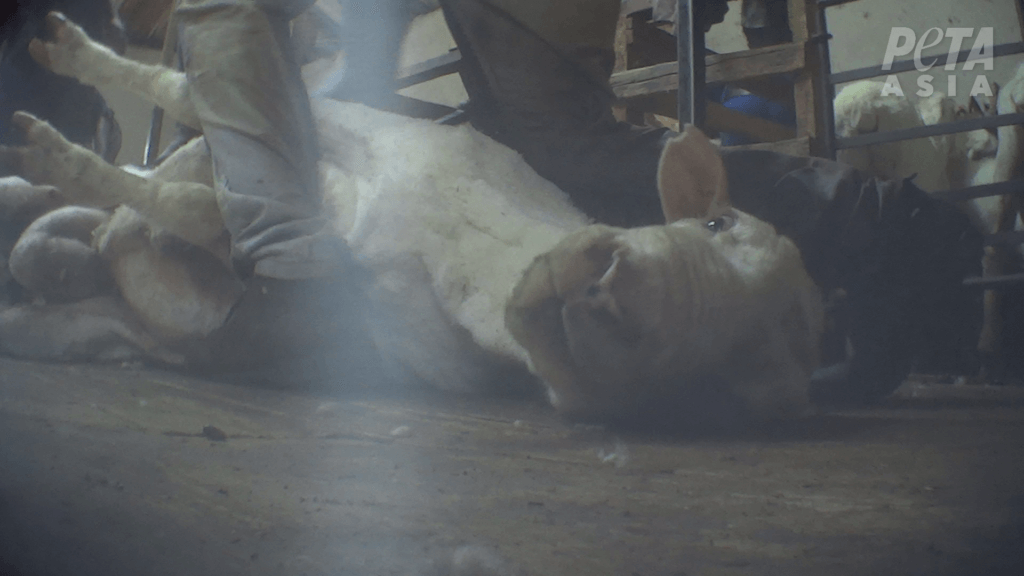
The undercover footage, recorded at a NATIVA-certified farm, documents several instances of animal handling that appear to violate basic welfare protocols. Investigators reported witnessing workers kicking sheep in the head and striking them with shearing equipment and wooden planks. In one particularly graphic segment, a shearer is seen pinning a ram to the floor by placing his full weight on the animal’s neck.
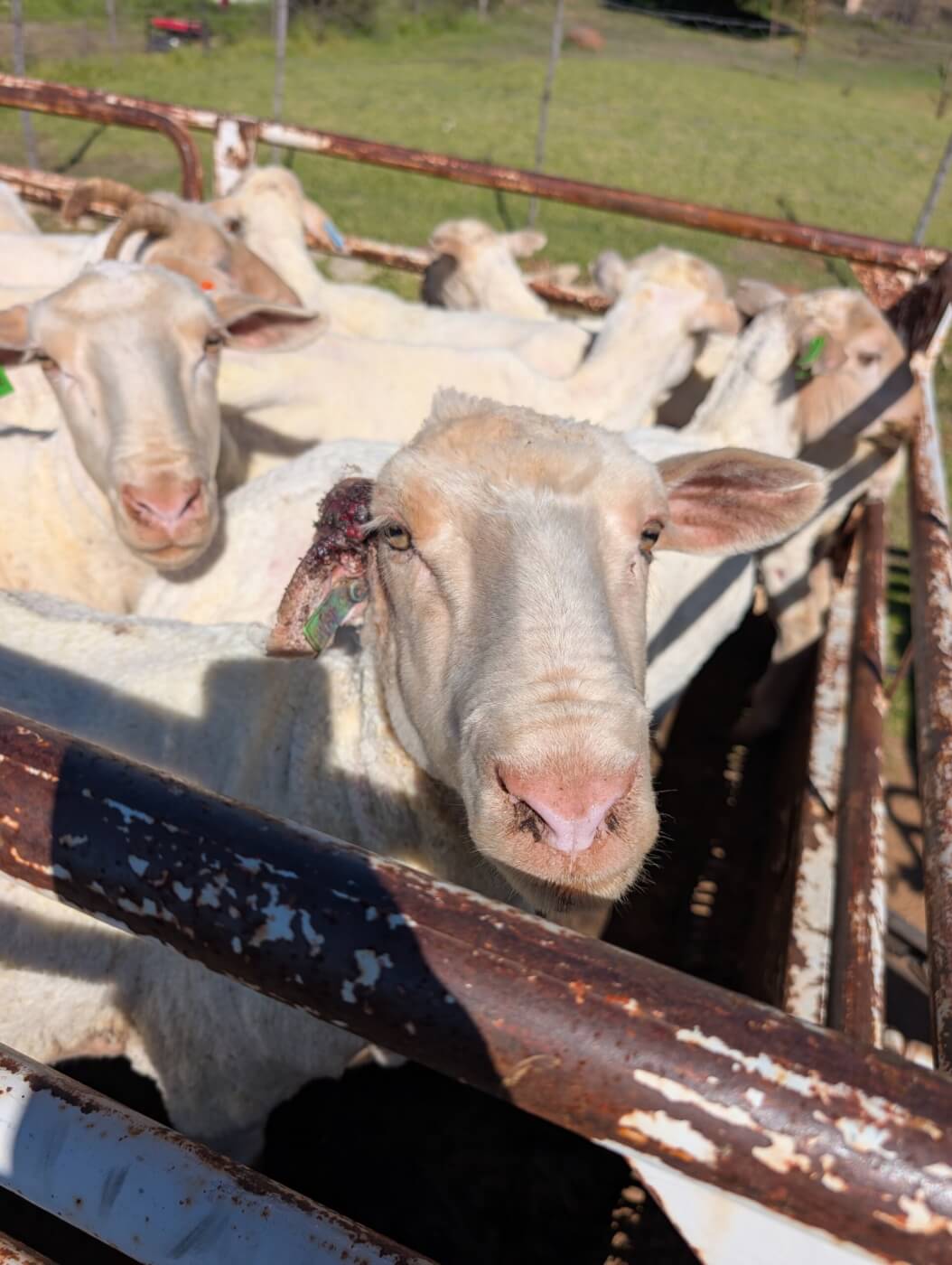
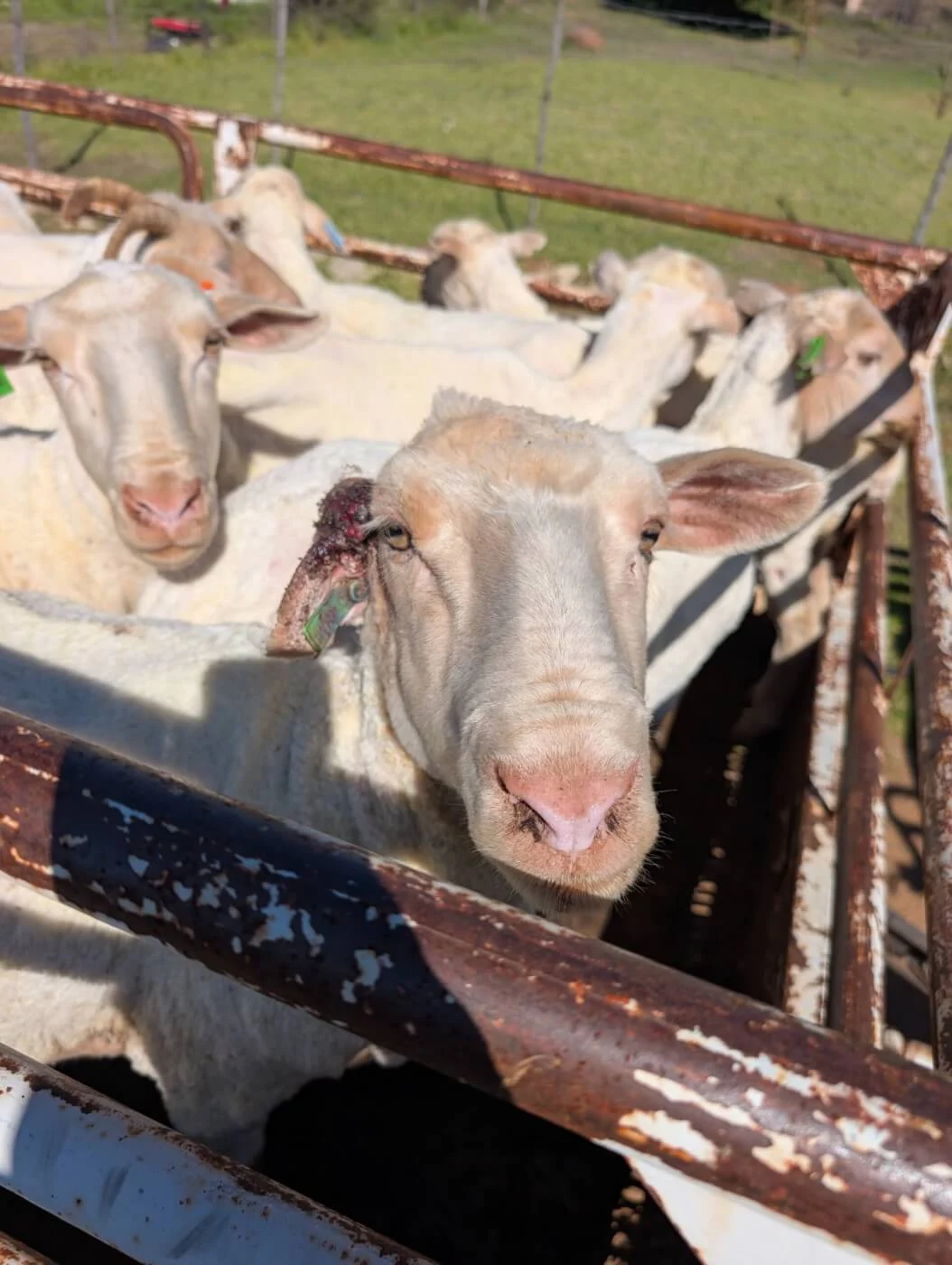
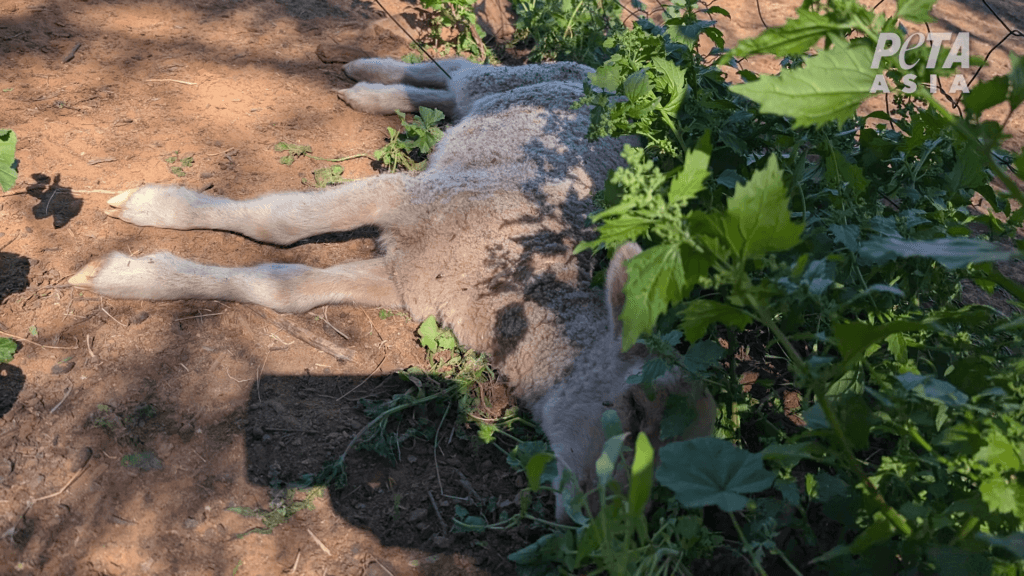
The investigation also highlighted issues regarding veterinary care and flock management. PETA Asia documented a lamb suffering from a severe, maggot-ridden wound, which the farmer attributed to a jackal bite. Furthermore, the presence of a dead lamb on the property suggested a lack of adequate monitoring. The footage also showed workers yanking lambs away from their social groups by their legs, a practice that animal behaviorists suggest causes significant distress to the animals.
Sheep are highly social and gentle animals known to form complex social hierarchies and recognize individual faces. They express emotions through various facial expressions and vocalizations. The stress of being forced to the ground and handled roughly is compounded by the speed at which shearing is conducted. Because shearers are typically paid by the volume of wool collected rather than by the hour, there is a built-in economic incentive to prioritize speed over the precision of the cut or the comfort of the animal. This often results in "nicks" or deep lacerations that are sometimes stitched without anesthesia.
The Role of Certification Standards and Humane-Washing
The controversy centers on the concept of "humane-washing," a term used by critics to describe marketing strategies that use buzzwords like "responsible," "traceable," and "certified" to mask standard industrial practices. NATIVA and the Responsible Wool Standard were developed to provide a framework for ethical sourcing, involving third-party audits and strict chain-of-custody requirements.
H&M Group’s 2025 goal is a cornerstone of its "Sustainability Commitment," intended to mitigate the reputational risks associated with animal cruelty. However, animal rights organizations argue that no certification can truly guarantee the welfare of animals when they are treated as commodities. PETA’s investigations have now spanned more than 150 wool operations across four continents, including those with ZQ Wool and RWS certifications. The organization claims that regardless of the label, the fundamental nature of mass-market wool production inevitably leads to suffering.

The NATIVA protocol is managed by Chargeurs Luxury Materials, a global leader in the wool industry. The brand prides itself on a "Blockchain-based" traceability system that allows brands to track wool from the farm to the retail shelf. While this technology ensures the fiber’s origin, the PETA investigation suggests it may not be a reliable indicator of the daily treatment of the animals themselves.
Chronology of the Wool Industry’s Sustainability Shift
The shift toward certified wool began in earnest over a decade ago following a series of high-profile exposés regarding "mulesing"—a practice where strips of wool-bearing skin are removed from the breech of a sheep to prevent flystrike.
- 2004-2010: Increased pressure from animal rights groups led many global brands to pledge to phase out wool from sheep that had undergone mulesing.
- 2016: The Textile Exchange launched the Responsible Wool Standard (RWS) to provide a global benchmark for animal welfare and land management.
- 2020: H&M Group and other major retailers accelerated their commitments, setting mid-decade deadlines for 100% certified sourcing.
- 2023-2024: NATIVA expanded its footprint, partnering with luxury and high-street brands to provide "regenerative" and "traceable" wool options.
- 2025: The current PETA Asia investigation challenges the validity of these certifications just as H&M approaches its self-imposed deadline.
Economic Pressures and Supply Chain Realities
The global wool market is valued at billions of dollars, with major production hubs in Australia, China, and South Africa. The industry operates on thin margins, and the pressure to maintain low costs often trickles down to the farm level. The piece-rate payment system for shearers is a primary driver of welfare issues. In an industry where a skilled shearer can process 100 to 200 sheep a day, the margin for error is high.
Furthermore, auditing a global supply chain is a logistical challenge. Audits are often scheduled in advance, allowing farms to prepare and ensure that only the best practices are on display during the inspector’s visit. Undercover investigations, by contrast, capture the unvarnished reality of daily operations. This discrepancy has led to calls for more rigorous, unannounced inspections and the inclusion of worker interviews in the certification process.
Official Responses and Corporate Accountability
In response to previous investigations, the H&M Group has generally maintained that it takes all allegations of animal cruelty seriously. The company’s standard procedure involves launching an internal investigation and, if necessary, suspending its relationship with specific suppliers that fail to meet its code of conduct.
Representatives for NATIVA have previously defended their standards, noting that their protocols are among the strictest in the industry and that they work closely with farmers to improve practices. However, the recurring nature of these exposés has led some analysts to question whether the "certified wool" model is fundamentally flawed.
"The issue is not just a few ‘bad apples’ or a single farm," a PETA spokesperson stated. "The issue is a system that treats living beings as wool-producing machines. When speed and profit are the primary metrics, animal welfare will always be a secondary concern."
Broader Implications for the Fashion Industry
The fallout from this investigation is likely to accelerate the trend toward "vegan fashion." As consumers become increasingly skeptical of animal welfare labels, there is growing demand for synthetic and plant-based alternatives. Materials such as organic cotton, Tencel, hemp, and recycled polyester are being positioned as more ethical choices that bypass the complexities of animal agriculture.
However, the transition is not without its own environmental hurdles. Synthetic fibers, while animal-free, are often derived from petroleum and contribute to microplastic pollution. This creates a "sustainability paradox" for brands like H&M, which must balance animal welfare concerns with their carbon footprint and waste reduction goals.
The controversy also highlights the limitations of traceability. While a consumer might be able to scan a QR code on a sweater to see the farm where the wool originated, that transparency does not necessarily translate to accountability. The "responsible" label provides a psychological comfort to the buyer, but as the PETA Asia footage suggests, that comfort may be based on an incomplete picture of the production process.
Conclusion and Future Outlook
The allegations against NATIVA-certified farms represent a significant hurdle for H&M Group’s sustainability roadmap. As the 2025 deadline for 100% certified wool approaches, the company faces a choice: double down on auditing and certification or reconsider the role of animal-derived fibers in its collections entirely.
For the wider fashion industry, the investigation serves as a warning that "humane" certifications are under more scrutiny than ever. Consumers are no longer satisfied with vague promises and corporate social responsibility reports; they are demanding visual proof of ethical treatment. As undercover investigations continue to expose the realities of industrial farming, the definition of "responsible fashion" will likely continue to evolve, moving away from certified animal products and toward a more radical reimagining of the textile supply chain.

