


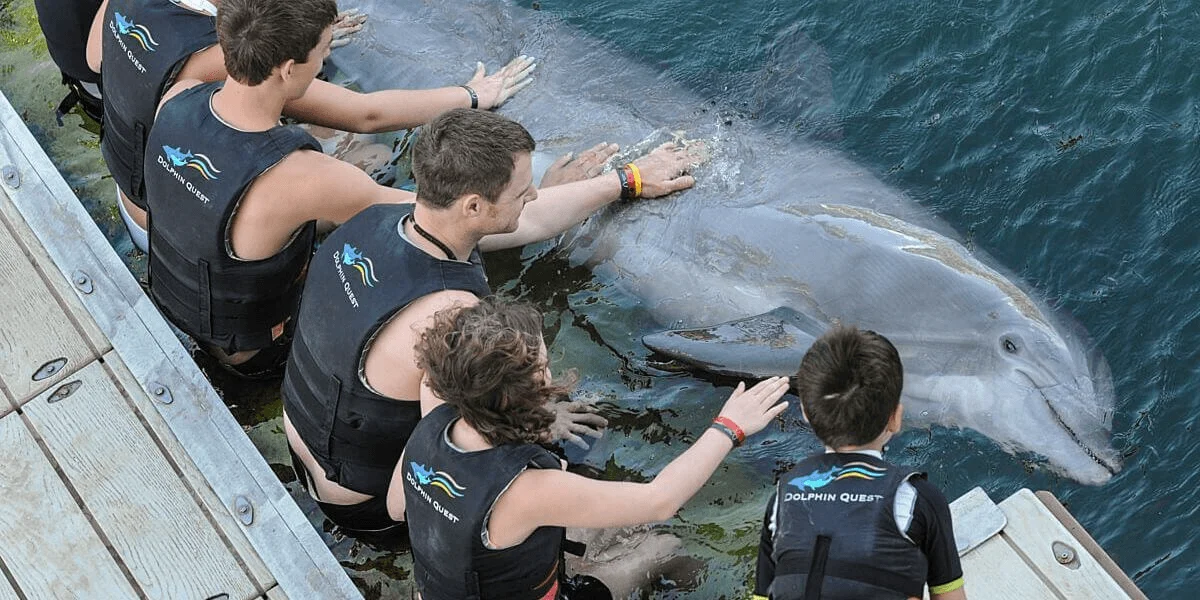
The People for the Ethical Treatment of Animals (PETA) has officially filed a formal complaint with the Federal Trade Commission (FTC), requesting a comprehensive investigation into the marketing practices of the Dolphin Research Center (DRC) located in Marathon, Florida. The animal rights organization alleges that the facility’s use of the term "sanctuary" in its promotional materials and public communications constitutes deceptive advertising under federal law. According to the complaint, the Dolphin Research Center misleads consumers by characterizing itself as a refuge for marine mammals while simultaneously engaging in practices—such as captive breeding and interactive "swim-with-dolphins" programs—that are antithetical to the established standards of legitimate animal sanctuaries.
At the heart of the dispute is the definition of the word "sanctuary" within the context of animal welfare and consumer protection. PETA argues that the Dolphin Research Center utilizes "feel-good language" to mask a commercial enterprise that treats sentient marine mammals as commodities. The filing asserts that by branding itself as a "forever home" and a "sanctuary" since 1984, the facility exploits the goodwill of tourists and donors who believe their financial support is going toward the rescue and rehabilitation of distressed animals, rather than the maintenance of a captive display and breeding program.
The Core of the Allegations: Breeding vs. Rescue
A primary point of contention in PETA’s filing is the origin of the marine mammals housed at the Marathon facility. While the term "sanctuary" typically implies a facility that provides a permanent home for animals rescued from the wild, laboratory research, or abusive situations, PETA notes that a significant portion of the dolphins at the DRC were bred in captivity. The organization argues that a true sanctuary does not contribute to the population of captive animals through intentional breeding programs but instead focuses exclusively on providing care for existing individuals in need.
The Dolphin Research Center’s website highlights its long history, stating it has provided a "sanctuary and forever home since 1984." However, PETA’s complaint clarifies that many of the dolphins currently at the facility were born into the captive industry. This distinction is critical for consumer protection advocates, as the "sanctuary" label often serves as a powerful marketing tool to differentiate a facility from traditional marine parks or "zoos," which have faced increasing public scrutiny over the ethics of cetacean captivity.
The Role of Interactive Programs and "Humane-Washing"
The complaint further targets the DRC’s "hands-on" encounters, which include programs where members of the public can swim with, touch, and even be pulled through the water by dolphins. PETA contends that these interactions are inherently stressful for the animals and serve no legitimate rehabilitative or educational purpose that could justify the "sanctuary" label. According to the filing, no accredited sanctuary allows members of the public to ride, grab, or chase the animals in its care.
The organization describes this marketing strategy as a form of "humane-washing"—a derivative of "greenwashing"—where a company uses misleading claims to suggest its practices are more ethical or environmentally friendly than they actually are. By positioning these commercial interactions as part of a "sanctuary" experience, PETA argues that the DRC is unfairly capitalizing on a growing public preference for ethical tourism.
Chronology and Historical Context of the Dolphin Research Center
To understand the current legal challenge, it is necessary to examine the history of the site and the evolution of marine mammal tourism in the Florida Keys.
- The 1940s and 50s: The site originally served as "Santini’s Porpoise School," founded by Milton Santini. Santini was a pioneer in the capture and training of Atlantic bottlenose dolphins.
- The 1960s: The facility gained international fame when one of its dolphins, Mitzi, starred in the 1963 film Flipper, which spawned a popular television series. This era solidified the Florida Keys as a hub for dolphin-based entertainment.
- 1984: Following Santini’s death and the subsequent sale of the property, Jayne and Mandy Rodriguez founded the Dolphin Research Center as a 501(c)(3) nonprofit organization. The mission was stated as promoting "peaceful coexistence, cooperation, and communication between marine mammals, humans, and the environment."
- The 1990s to Present: The DRC expanded its research and educational programs, becoming a major employer and tourism draw in Marathon. During this time, it also established its "DolphinLab" educational courses and various interactive programs.
- 2020s: Increasing global pressure regarding cetacean captivity led to many facilities rebranding or emphasizing their "rescue" and "research" credentials. This shift has prompted stricter scrutiny from advocacy groups regarding the accuracy of these labels.
Standards of Accreditation: The GFAS Framework
A central component of PETA’s argument involves the standards set by the Global Federation of Animal Sanctuaries (GFAS), the internationally recognized body for sanctuary accreditation. To be accredited by the GFAS, a facility must adhere to a strict set of criteria, which include:
- No Commercial Trade: Sanctuaries do not buy, sell, trade, or auction animals or their parts.
- No Breeding: Sanctuaries have a strict policy against the breeding of animals in their care.
- No Public Contact: Sanctuaries do not allow the public to have direct physical contact with the animals, as this is deemed unsafe for humans and stressful for the animals.
- No Exploitative Use: Animals are not used in commercial performances or for entertainment purposes.
PETA’s filing emphasizes that there are currently no marine mammal facilities in North America that meet the GFAS criteria for a "sanctuary." By using the term without such accreditation and while engaging in prohibited activities like breeding and public contact, the DRC is allegedly in violation of the FTC’s guidelines against deceptive marketing.
Scientific Data and Welfare Considerations
The debate over the Dolphin Research Center’s status is underpinned by a wealth of scientific data regarding the biological and psychological needs of cetaceans. Dolphins are highly intelligent, social mammals with complex communication systems and deep emotional lives. In the wild, bottlenose dolphins (the species primarily housed at the DRC) may travel up to 60 miles a day and dive to significant depths.
Research has shown that even in large sea pens, such as those used by the DRC, captive dolphins are restricted in their natural behaviors. The use of echolocation—a dolphin’s primary way of navigating and "seeing" its world—can be distorted or limited by the boundaries of an enclosure. Furthermore, the "swim-with-dolphins" industry has been criticized by marine biologists for forcing animals into repetitive, unnatural social interactions with a rotating cast of humans, which can lead to increased cortisol levels and stress-related illnesses.
Data from various marine mammal inventories suggests that captive-born dolphins often have different social structures and survival skills than their wild counterparts, making them dependent on human intervention for the duration of their lives. PETA argues that while the DRC may provide a "forever home," that home is essentially a commercial display facility rather than a refuge designed solely for the animals’ benefit.
Potential Implications for the Tourism Industry and FTC Oversight
If the FTC chooses to move forward with an investigation, the outcome could have significant ramifications for the marine mammal tourism industry across the United States. A ruling against the Dolphin Research Center would set a legal precedent regarding how facilities can use terms like "sanctuary," "refuge," and "rescue" in their advertising.
The Florida Keys economy is heavily dependent on marine-based tourism. According to local economic data, the "Dolphin Encounter" sector brings in millions of dollars in annual revenue. A forced rebranding or a change in operational standards could impact local employment and tourism numbers. Conversely, proponents of the investigation argue that it would lead to a more honest marketplace where consumers can make informed choices based on the actual welfare standards of a facility.
The FTC has the authority to issue "cease and desist" orders and can levy substantial fines against organizations found to be engaging in deceptive trade practices. In recent years, the commission has become increasingly active in regulating environmental and ethical claims, signaling a lower tolerance for "humane-washing" in the corporate and nonprofit sectors.
Responses and Counter-Perspectives
While the Dolphin Research Center has not yet released a comprehensive legal rebuttal to the PETA filing, the facility has historically defended its operations by highlighting its contributions to science and education. The DRC often points to its peer-reviewed research on dolphin cognition and its involvement in the Marine Mammal Stranding Network as evidence of its commitment to the species.
Supporters of the DRC argue that the facility provides a middle ground between traditional tanks and the wild, offering dolphins a natural-seawater environment while facilitating human-animal bonds that inspire conservation efforts. They contend that the revenue generated from interactive programs is essential for funding the high costs of specialized veterinary care, research, and the maintenance of the facility.
However, PETA’s complaint maintains that "research" and "education" should not be used as shields to justify the commercial exploitation of captive-bred animals under a misleading "sanctuary" label. The organization insists that if the DRC wishes to be called a sanctuary, it must cease its breeding programs and end public-contact encounters immediately.
Analysis of the Broader Movement Toward Seaside Sanctuaries
The PETA-FTC conflict occurs amidst a global shift in how society views the captivity of highly intelligent marine mammals. Following the 2013 documentary Blackfish, public sentiment regarding orcas in captivity shifted dramatically, eventually leading SeaWorld to end its orca breeding program. A similar trend is now emerging regarding bottlenose dolphins.
The "Seaside Sanctuary" movement, led by organizations like the Whale Sanctuary Project, seeks to create large, protected coastal enclosures where formerly captive whales and dolphins can live out their lives in a more natural setting without being forced to perform or interact with tourists. These projects explicitly prohibit breeding and public contact, aligning with the GFAS standards that PETA is demanding the DRC follow.
The outcome of the FTC filing will likely serve as a barometer for the legal viability of the current marine park model. If the government determines that "sanctuary" is a protected term with specific welfare requirements, many facilities across the country may be forced to choose between their commercial "encounter" models and their identities as rescue-oriented institutions.
As the FTC reviews the complaint, the Dolphin Research Center remains open to the public, continuing its programs in Marathon. The case stands as a pivotal moment in the ongoing legal and ethical debate over the intersection of animal welfare, commercial tourism, and consumer truth-in-advertising.

