


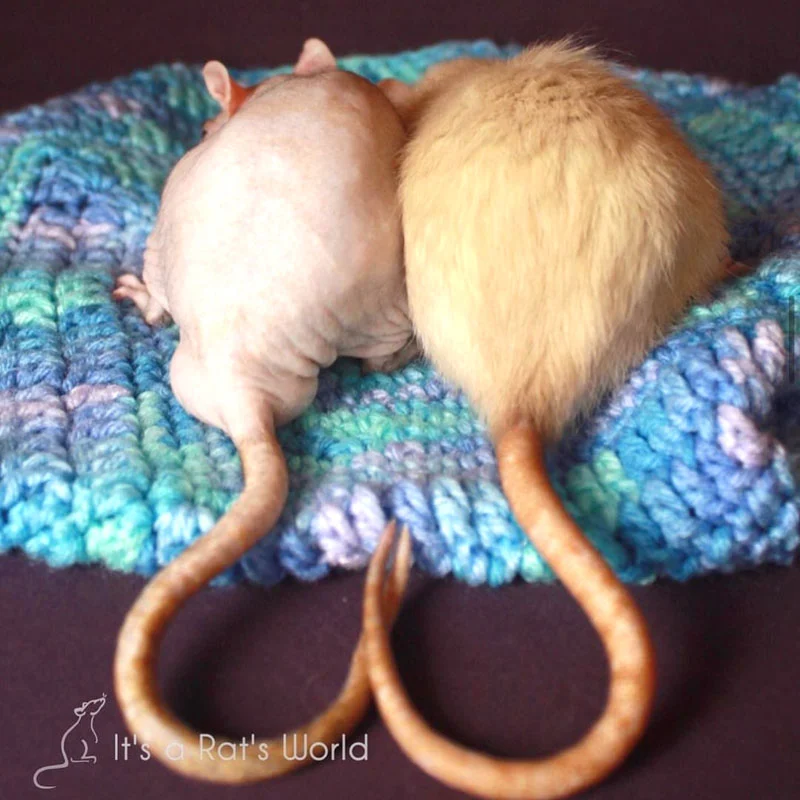
For many, the decision to welcome a pet rat into their home is driven by a desire for an intelligent, social, and engaging companion. However, the journey of rat ownership, while deeply rewarding, is also fraught with potential missteps that can significantly impact the well-being of these small creatures. Brandi Saxton, a seasoned rat enthusiast with over three decades of experience and two decades dedicated to researching and sharing accurate rat care information, highlights that even well-intentioned owners can inadvertently make critical errors. This comprehensive guide, drawing from Saxton’s extensive knowledge and compiled with a focus on providing optimal care, aims to illuminate these common pitfalls and offer practical, evidence-based solutions for current and prospective rat owners.
The Evolution of Rat Care Knowledge
The landscape of pet care information has undergone a dramatic transformation over the past few decades. In the 1990s, when Saxton first began her journey with rats, reliable resources were scarce, and much of the available advice was either outdated or demonstrably harmful. Pet stores, often the primary source of information for new owners, frequently showcased inadequate housing and recommended unsuitable products. This historical context is crucial for understanding why many early rat owners, like Saxton herself, made mistakes that are now widely recognized as detrimental.
"Having singletons rather than two or more rats was one of those mistakes. Oops, rats are social and really need friends!" Saxton recalls, illustrating a fundamental misunderstanding of rat social needs that was prevalent in earlier eras. Similarly, the use of small, poorly ventilated aquariums as cages and the widespread recommendation of toxic pine and cedar shavings were commonplace. These practices, born from a lack of accurate information, led to suboptimal living conditions and potential health issues for countless rats.

The digital age has brought a wealth of information, but it has also introduced new challenges. The internet, while a powerful tool for research, is also a breeding ground for misinformation. The proliferation of blogs, social media influencers, and even AI-generated content means that discerning accurate, up-to-date advice from outdated or incorrect data is more critical than ever.
Navigating the Information Maze: The Importance of Reliable Resources
One of the most significant oversights in pet rat care stems from relying on inaccurate or incomplete information. Saxton emphasizes the need for owners to become discerning researchers, questioning the sources they consult. "Don’t assume that every website, blog, or rat influencer online knows what they are talking about; they may be repeating outdated information," she advises.
Key Indicators of Reliable Rat Care Information:
- Longevity of Experience and Practical Application: How long has the source been involved with rats, and how do they manage their own rats’ care and health?
- Veterinary Endorsement and Collaboration: Does the information cite sources from veterinary professionals specializing in small exotic animals? Do they consult with vets on health and medical issues?
- Commitment to Continuous Learning: Are they actively seeking new information, open to learning from others, and willing to update their knowledge base?
- Alignment with Reputable Sources: Does the information align with established and well-respected rat care organizations and resources? For instance, Saxton frequently recommends The Rat Guide (ratguide.com) for health advice.
- Transparency and Evidence-Based Practices: Is information presented with supporting evidence, or is it based on anecdotal claims?
Saxton also cautions against relying solely on Artificial Intelligence (AI) for pet care advice. While AI can be a useful tool for gathering initial information, it often synthesizes data without a true understanding of nuance or factual accuracy. Without a strong foundational knowledge of rat care, it can be challenging to identify AI-generated inaccuracies.

Creating a Haven: Essential Housing and Environmental Considerations
The physical environment of a pet rat’s cage is paramount to their health and happiness. Mistakes in housing can lead to stress, injury, and disease.
Cage Size and Design:
- Adequate Space: Rats are active animals that require ample space to explore, play, and exercise. A common mistake is providing cages that are too small for the number of rats housed. The general recommendation is a minimum of 2 cubic feet of space per rat, but larger is always better. Resources like the Midlands Rat Club’s cage calculator can provide specific recommendations based on the number of rats.
- Ventilation and Levels: Cages should offer excellent ventilation to prevent the buildup of ammonia from urine, which can severely irritate a rat’s sensitive respiratory system. Multi-level cages are ideal, providing vertical space for climbing and exploration.
- Bar Spacing and Security: Wire bar spacing must be appropriate to prevent escapes and injuries. For adult rats, spacing should typically be no more than 1/2 inch. Ensure latches are secure and escape-proof.
- Flooring: Exposed wire floors are a significant hazard. They can cause bumblefoot (pododermatitis), a painful inflammation of the footpads, and lead to unsanitary living conditions. Wire floors should always be covered with solid materials like linoleum, cardboard, or bedding.
Bedding and Substrates:
- Toxic Beddings: The use of pine and cedar shavings, once widely recommended, is now known to be toxic to small pocket pets. The aromatic oils released by these woods can cause respiratory problems and liver damage.
- Safe Alternatives: Fleece bedding is a popular and safe choice, offering comfort and absorbency. For litter boxes, crushed walnut shells are often recommended, but it is crucial to freeze them for 24-48 hours beforehand to kill any potential parasites. Saxton learned this lesson firsthand when a lapse in this preparation led to a mite infestation among her rats. Other safe options include paper-based litters and aspen shavings.
Cage Placement and Accessories:
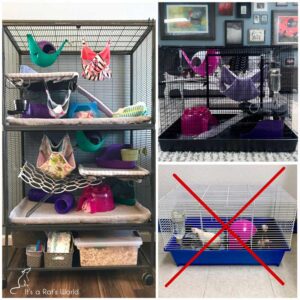
- Environmental Factors: Cage placement is critical. Rats are sensitive to extreme temperatures, drafts, and direct sunlight. They should be housed in a stable environment away from loud noises and excessive humidity. Maintaining a consistent room temperature is vital, as sudden fluctuations can exacerbate respiratory issues.
- Thoughtful Accessories: Beyond the cage itself, the choice of accessories and toys contributes to a stimulating and safe environment. Resources on cage makeovers and general rat care tips can provide valuable insights into selecting appropriate enrichment items.
Maintaining a Pristine Environment: The Importance of Regular Cleaning
A clean living space is not merely about aesthetics; it is fundamental to a rat’s health. The accumulation of waste and the resulting ammonia fumes pose a significant threat to their respiratory system, which is already prone to issues.
"A perfect cage setup stops being perfect once it stinks. Plus, it’s unhealthy for your rats," Saxton states. Prolonged exposure to high levels of ammonia can lead to eye irritation, unpleasant body odor, and a compromised immune system, making them more susceptible to illness.
Cleaning Schedule Recommendations:
- Spot Cleaning: Daily spot cleaning of soiled bedding and food debris is essential.
- Full Cage Cleaning: A more thorough cage cleaning, including washing bedding and scrubbing surfaces, should be performed at least weekly, and more frequently if needed.
- Deep Cleaning: Periodic deep cleaning of the entire cage and all accessories is recommended to maintain a truly hygienic environment.
Saxton’s article, "Resolve To Keep Your Rat’s Habitat Cleaner," offers detailed guidance for establishing and maintaining an effective cleaning routine.

Nourishing Your Rats: The Nuances of Diet and Feeding
Dietary mistakes are among the most common and consequential errors in pet rat ownership. Providing an inappropriate diet can lead to obesity, nutritional deficiencies, and a host of health problems.
Commercial Food Quality:
- Beyond the Label: Not all commercial rat foods are created equal. The label "for rats" does not guarantee nutritional completeness or suitability. Owners should research the ingredients and nutritional content of their chosen staple diet, looking for high protein and fat content appropriate for rats.
- Lab Blocks vs. Mixes: Lab blocks, which are extruded pellets, offer a balanced nutritional profile in every bite, preventing selective feeding. Seed mixes, while visually appealing, can lead to an unbalanced diet if rats pick out their favorite components.
Portion Control and Treat Choices:
- The Dangers of Overfeeding: Overfeeding, even with healthy foods, can lead to obesity. This is particularly problematic given the prevalence of health issues like tumors and heart disease in rats.
- Junk Food Pitfalls: Regularly feeding rats human junk food like fries, pizza, chips, and sugary snacks is detrimental. These foods are high in fat, salt, and sugar, contributing to obesity and a range of health complications.
- Balanced Treat Approach: While rats need daily fresh fruits and vegetables, portion control is key. Even healthy treats should be offered in moderation. Saxton admits to occasional "splurges" of human food for her rats but stresses that these should be rare and in minuscule amounts.
- Nutritional Guidance: For detailed information on appropriate staple diets, portion-controlled snacks, and specific food recommendations, resources like The Rat Guide’s nutrition section are invaluable.
Fostering a Thriving Life: Exercise, Stimulation, and Safe Handling
Beyond basic needs, a rat’s quality of life is significantly enhanced by opportunities for physical activity and mental engagement.

The Importance of Exercise and Mental Stimulation:
- Combating Sedentary Lifestyles: Allowing rats to be sedentary all day can lead to obesity, health problems, and behavioral issues such as boredom and destructiveness.
- Enrichment Activities: Providing daily opportunities for exercise and mental stimulation is crucial. This can include supervised free-ranging in a rat-proofed area, interactive toys, puzzle feeders, and training sessions. Saxton’s article "Daily Exercise For Rats" offers practical strategies for keeping rats active and entertained.
Safe Handling Practices:
- The Peril of Tail Grabbing: A critical and often misunderstood aspect of rat handling is the tail. Grabbing a rat by its tail is dangerous and can cause severe injury. The tail is not merely an appendage; it is an extension of the spine, crucial for balance, thermoregulation, sensory input, and communication. Improper handling can lead to tail injuries, fractures, or even paralysis.
- Proper Lifting Techniques: Rats should always be scooped up gently, supporting their entire body with both hands. One hand should go under their chest, and the other under their hindquarters, lifting them close to your body to provide a sense of security. Saxton’s article "Why Rat Tails Are So Important" details the vital functions of this appendage.
The Financial and Emotional Commitment: Long-Term Considerations
Owning pet rats involves a significant financial and emotional commitment that prospective owners must be prepared for.
Financial Preparedness:
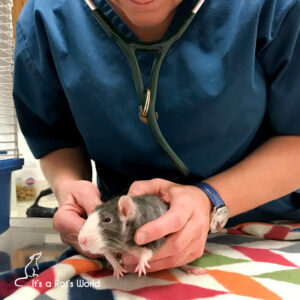
- Rising Veterinary Costs: The cost of veterinary care for exotic pets has risen dramatically. Rats, like all pets, are prone to various health issues, including respiratory infections, tumors, and age-related ailments, necessitating regular veterinary visits.
- Ongoing Expenses: Beyond vet bills, owners must budget for ongoing expenses such as high-quality food, bedding, cage accessories, and replacement supplies.
- Emergency Fund: Saxton strongly advocates for establishing a dedicated savings account for rat care. This proactive approach can prevent owners from facing difficult decisions when unexpected medical expenses arise. Identifying a veterinarian experienced with rats before an emergency occurs is also a critical step.
Emotional Commitment and Daily Routines:
- Rats as Family Members: Bringing rats into one’s life is a commitment to their daily well-being. This includes providing consistent social interaction, playtime, and attention.
- Establishing Routines: Rats thrive on routine. Establishing daily schedules for feeding, playtime, and social interaction fosters a sense of security and strengthens the bond between rat and owner. The anticipation and excitement rats display when their routines are met highlight their intelligence and emotional connection to their caretakers.
- Quality Time: Spending quality time with rats every day is not optional but essential. This daily interaction is the foundation for a deep and meaningful relationship. Saxton’s personal anecdotes about her rats’ eagerness for their daily routines underscore the importance of this commitment.
Adapting to Changing Needs: Care for Senior Rats
As rats age, their needs change, and owners must be prepared to adapt their care accordingly.
Recognizing and Responding to Age-Related Changes:
- Mobility Issues: Older rats may experience reduced mobility, making it difficult to navigate their environment. Ramps may need to be adjusted, food and water dishes made more accessible, and softer bedding provided.
- Appetite Changes: A decrease in appetite can be a sign of illness or discomfort. Monitoring food intake is crucial, and owners may need to assist with feeding or provide softer, more palatable foods.
- Health Monitoring: Senior rats are more susceptible to age-related illnesses like tumors and respiratory problems. Vigilant symptom monitoring and prompt veterinary intervention with antibiotics or pain medication can significantly improve their quality of life and extend their lifespan. Saxton’s article, "Senior Rats: What To Expect And How To Care For Them," provides essential guidance for this phase of a rat’s life.
The Ultimate Commitment: Being a Dedicated Rat Owner
Ultimately, responsible rat ownership hinges on a full and unwavering commitment. This means dedicating time, resources, and emotional energy to ensuring the physical and mental well-being of these intelligent and affectionate creatures. By understanding and avoiding common mistakes, prioritizing reliable information, and approaching ownership with dedication and foresight, owners can provide their rats with the best possible lives, fostering a bond that is as rewarding as it is profound. Saxton’s additional articles, "How To Be The Best Rat Mom Or Rat Dad" and "Pet Rat Care Do’s And Don’ts," offer further insights into cultivating this dedicated approach to rat companionship.

