


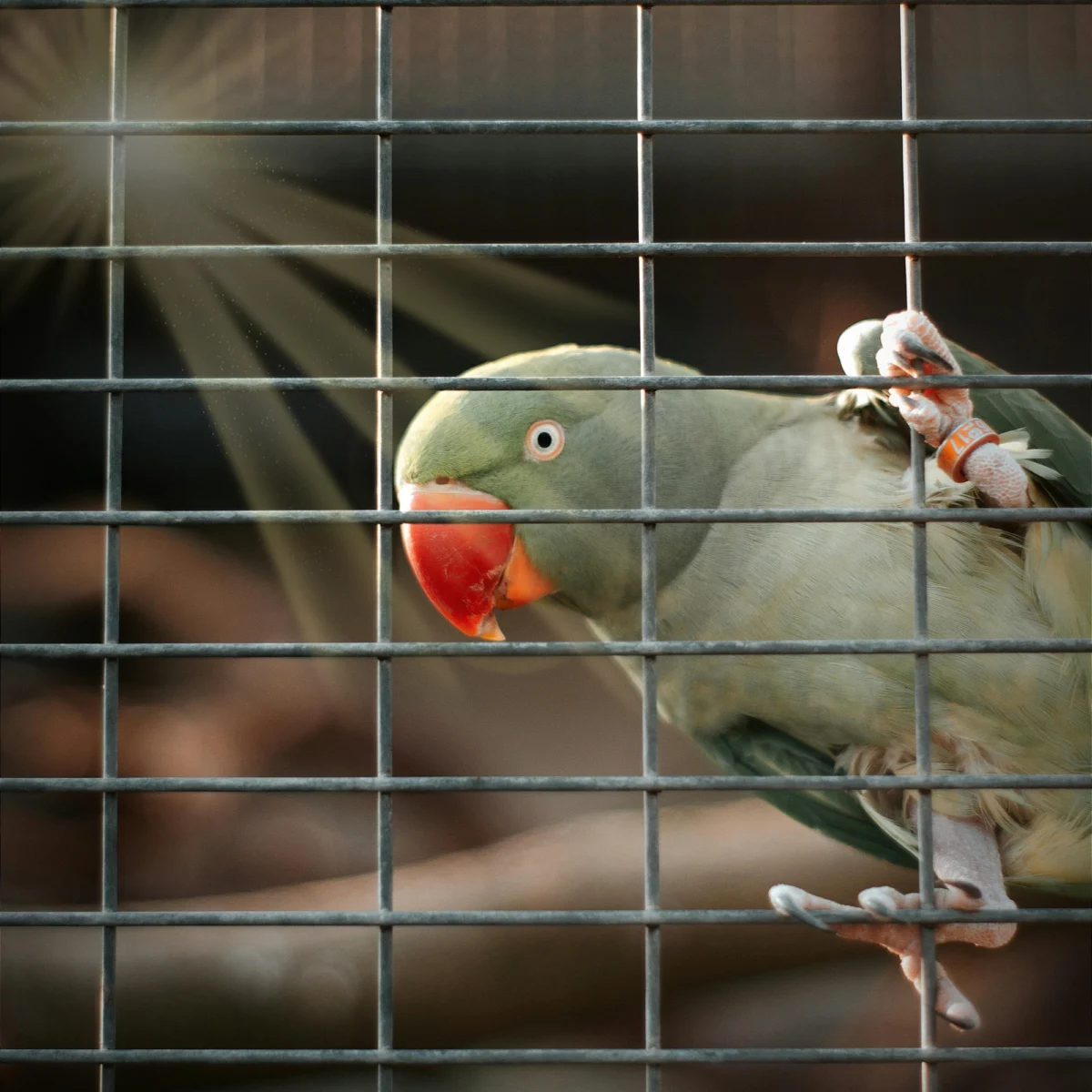
Summer’s arrival, marked by rising temperatures and the ubiquitous hum of air conditioning, brings a hidden challenge for our feathered companions. While humans reach for iced beverages and seek climate-controlled environments, pet birds, often overlooked in their thermal regulation needs, experience the heat in profoundly different and potentially dangerous ways. As temperatures climb into the 80s and 90s Fahrenheit, the environment becomes more than just warm; it transforms into a significant stressor for birds, manifesting in subtle yet critical signs like feather fluffing, increased panting, and altered droppings.
Wild birds possess an innate ability to adapt to environmental heat. They instinctively seek refuge in shaded canopies, engage in frequent bathing to cool their plumage and skin, and forage for moisture-rich foods to maintain hydration and energy levels. However, our domesticated avian friends lack these natural options and are entirely dependent on their human caregivers to replicate these essential survival strategies. This article delves into the critical role of nutrition in supporting a bird’s heat tolerance, offering a comprehensive guide to cooling foods, targeted supplements, and strategic feeding practices designed to keep your pet bird healthy, hydrated, and thriving throughout the warmest months.
Why Summer Nutrition Matters for Pet Birds: Understanding Avian Thermoregulation
Birds, despite their insulating layer of feathers, do not possess sweat glands like mammals. This fundamental physiological difference means that as ambient temperatures rise, their tiny bodies must expend considerably more energy to dissipate heat and maintain a stable internal temperature – a process known as thermoregulation. Unlike their wild counterparts who can instinctively retreat to cooler microclimates or access diverse, hydrating food sources, pet birds are confined to their immediate environment and the diet provided by their owners.
The physiological strain imposed by high temperatures can be substantial. Birds primarily cool themselves through evaporative cooling, which involves panting (gular fluttering) and increased respiration. This process leads to significant moisture loss, which, if not adequately compensated for through hydration and diet, can rapidly lead to dehydration and electrolyte imbalances. Furthermore, the metabolic processes required for thermoregulation increase the body’s internal heat production, creating a vicious cycle if the bird’s diet is not optimized for cooling.
Feeding a pet bird moisture-packed foods rich in specific nutrients is not merely about sustenance; it’s about equipping their body with the internal "tools" necessary to manage heat stress efficiently. A properly adjusted summer diet can significantly boost hydration, mitigate inflammation, support cellular energy, and protect delicate respiratory tissues from the damaging effects of prolonged heat exposure. It acts as an internal cooling system, allowing the bird to navigate warmer conditions more gracefully and prevent the onset of dangerous overheating.
Recognizing the Silent Signs of Avian Overheating Stress
A critical aspect of summer bird care is understanding that birds are masters of disguise when it comes to illness or discomfort. Their survival instinct often compels them to hide symptoms of distress, including overheating, until the condition becomes severe. This makes early detection challenging but imperative for pet owners.
Subtle indicators of heat stress in birds include:
- Panting or heavy breathing: More pronounced than usual, often accompanied by gular fluttering (rapid vibration of the throat muscles).
- Wings held away from the body: A posture adopted to allow air circulation around the body and facilitate heat dissipation.
- Fluffed feathers: While sometimes a sign of cold, in hot weather, it can be an attempt to trap a layer of cooler air next to the skin or to release heat by increasing surface area.
- Lethargy or decreased activity: A noticeable drop in energy levels, reduced vocalization, and reluctance to play.
- Changes in droppings: Can become more watery or liquid due to increased water intake and altered digestive function.
- Reddened feet or cere: Increased blood flow to extremities can be a sign of vasodilation, an attempt to cool the body.
- Loss of appetite: A critical warning sign that can quickly exacerbate dehydration.
Dehydration and overheating can progress rapidly, particularly in vulnerable populations such as older birds, overweight birds, small species (e.g., finches, budgies), or those with pre-existing health conditions like respiratory issues or cardiovascular disease. The good news is that these critical situations are often preventable. Beyond establishing a cool, bird-safe environment, the next crucial step involves carefully adjusting your bird’s dietary regimen.
The Foundational Role of Nutrition in Avian Thermoregulation
When ambient temperatures rise, a bird’s body prioritizes one vital function: maintaining a stable internal temperature without overheating. This intricate process of thermoregulation demands significant energy, ample hydration, and a precise balance of nutrients. Every morsel a bird consumes either aids or impedes this delicate balance.
Certain nutrients are paramount in this process. Some actively enhance hydration retention, while others possess anti-inflammatory properties that reduce internal heat. Specific vitamins and minerals support feather health, which is crucial for both insulation and cooling, and protect the integrity of respiratory tissues that are under stress from increased air intake and dry conditions. Therefore, summer nutrition extends far beyond merely providing energy; it is about cultivating heat resilience within the bird’s physiology. Understanding these key nutrients is fundamental to crafting an optimal summer diet.
Five Essential Nutrients for Preventing Avian Heat Stroke
-
Electrolytes for Hydration and Neuromuscular Function: Electrolytes—such as potassium, sodium, calcium, and magnesium—are vital minerals that carry an electrical charge when dissolved in body fluids. They play a critical role in maintaining fluid balance, supporting nerve signal transmission, regulating muscle contractions (including the heart), and ensuring proper organ function. In hot weather, birds lose increased amounts of moisture and electrolytes through accelerated respiration (panting) and more watery droppings. Without adequate electrolyte replenishment, their bodies struggle to retain water, leading to rapid dehydration, fatigue, weakness, and potentially severe cardiac or neurological complications.
- Scientific Context: Electrolyte imbalances can lead to hypokalemia (low potassium) or hyponatremia (low sodium), which impair cellular function and can be life-threatening.
- Pro tip: Offer water-rich foods like cucumber, melon, celery, and soaked sprouts. Consider a bird-safe electrolyte supplement, particularly during extreme heat waves, after stressful events like travel, or during molting when the body’s demands are higher.
- Natural Sources: Coconut water (in moderation), spinach, kale, bananas, sweet potatoes, and specific fruits.
-
Omega-3 Fatty Acids for Feather Health and Anti-Inflammation: Omega-3 polyunsaturated fatty acids are crucial for avian health, especially during summer. They perform a dual function: promoting healthy skin and robust feather quality, which are integral to both insulation and effective heat dissipation, and exerting powerful anti-inflammatory effects throughout the body. Healthy feathers provide a vital barrier against environmental extremes, and their proper structure facilitates air circulation close to the skin. Additionally, omega-3s maintain the fluidity and strength of cell membranes, enabling them to function optimally even under the stress of high temperatures. By reducing systemic inflammation, omega-3s contribute to a "cooler" internal environment.
- Scientific Context: Omega-3s compete with omega-6s, which can be pro-inflammatory if consumed in excess. A balanced ratio is key. Inflammation itself generates metabolic heat, so reducing it helps thermoregulation.
- Best sources: Chia seeds, flax meal, hemp seeds, and small, appropriate amounts of bird-safe red palm oil. Supplements like OmegaGlow (seed fusion) are designed to provide these beneficial fatty acids.
-
Vitamin A for Mucosal and Respiratory Support: Vitamin A (retinol) is indispensable for maintaining the integrity and health of epithelial tissues, particularly those lining the skin, sinuses, and respiratory tract. In dry, hot conditions, dehydration is common, making these tissues vulnerable. Vitamin A helps keep mucous membranes moist and strong, forming a robust first line of defense against environmental irritants such as dust, dry air, and even wildfire smoke. Furthermore, vitamin A plays a pivotal role in immune system function, which can be compromised during periods of prolonged heat exposure.
- Scientific Context: Vitamin A deficiency (hypovitaminosis A) is a common issue in seed-fed birds and can severely impact respiratory health, making them more susceptible to heat-related respiratory distress.
- Feed it naturally: Offer bright orange and dark leafy greens such as carrots, sweet potatoes, dandelion greens, kale, and bell peppers, all rich in beta-carotene (a precursor that the bird’s body converts into vitamin A). Red Palm Oil is also an excellent direct source of bioavailable vitamin A and E.
-
Antioxidants (Vitamins C & E) for Cellular Protection: Heat stress generates free radicals in the body, leading to oxidative stress that can damage cells and tissues. Antioxidants like Vitamin C and Vitamin E are crucial for neutralizing these free radicals, protecting cellular integrity, and supporting overall immune function. Vitamin E, often found alongside Vitamin A in sources like red palm oil, also supports skin and feather health.
- Scientific Context: Oxidative stress can impair various physiological processes, including immune response and organ function, making birds more susceptible to illness during heatwaves.
- Natural Sources: Berries (blueberries, strawberries), bell peppers, leafy greens, broccoli, and sunflower seeds (in moderation due to fat content).
-
B Vitamins for Metabolic Efficiency: The B-complex vitamins (e.g., B1, B2, B3, B6, B12) are cofactors in numerous metabolic pathways responsible for converting food into energy. During heat stress, a bird’s metabolism works harder to maintain thermoregulation. Adequate B vitamin intake ensures these energy-producing processes run efficiently, preventing unnecessary metabolic strain and supporting overall vitality.
- Scientific Context: B vitamins are water-soluble and can be depleted during periods of stress or increased water turnover.
- Natural Sources: Whole grains, legumes (sprouted), leafy greens, and some vegetables.
Easy Summer Bird Chop Recipe: The "Cool-Down" Blend
This revised Summer Cool-Down Bird Chop recipe, scaled to make approximately 2 cups, is ideal for an adult cockatoo consuming a few tablespoons daily, with enough left to freeze a few servings. This small-batch chop is hydrating, nutrient-dense, and designed to help your bird thrive in rising temperatures. It’s easy to prepare, freezer-friendly, and enhanced by a sprinkle of targeted avian supplements.
Summer Cool-Down Bird Chop (Small Batch)
Makes: ~2 cups (approx. 5–7 servings for one large parrot)
- ⅓ cup cucumber, finely diced (high water content)
- 3 tbsp bell pepper (any color), chopped (Vitamin C, antioxidants)
- 3 tbsp broccoli, finely chopped (Vitamins C, K, fiber)
- 3 tbsp shredded carrot (Beta-carotene for Vitamin A)
- ⅓ cup chopped kale, collard, or dandelion greens (Vitamins A, K, calcium)
- 2 tbsp fresh herbs (cilantro, basil, or parsley), finely chopped (antioxidants, flavor)
- ¼ cup sprouted lentils or mung beans (hydrating protein, B vitamins, enzymes)
Optional cooked additions:
- 2 tbsp cooked sweet potato, cooled (Beta-carotene, complex carbs)
- 2 tbsp cooked quinoa or brown rice, cooled (complex carbs, minerals)
Toppers (per serving, mix in just before serving):
- ¼ tsp OmegaGlow (for Omega-3s, feather health)
- ¼ tsp SereniTea or Chamomile (for calming properties during stress)
- ½ tsp Red Palm Oil (optional boost for Vitamin A & E)
Directions:
- Wash all produce thoroughly to remove pesticides and contaminants.
- Chop or shred vegetables to a size appropriate for your bird’s species, ensuring it’s easily manageable and prevents selective eating.
- Combine all ingredients in a small bowl, mixing well to distribute nutrients evenly.
- For future use, portion the chop into ice cube trays or silicone molds. Freeze immediately.
- Thaw individual portions as needed and top with recommended Avian Naturals supplements before serving.
Protein Management in Hot Weather: Balancing Needs and Heat Production
A crucial, yet often misunderstood, aspect of summer avian nutrition is the management of protein intake. While protein is indispensable for muscle maintenance, feather growth, and immune function, its digestion generates significant "metabolic heat." This means that the more protein a bird consumes, the more internal heat its body produces – a counterproductive effect during already high ambient temperatures.
This phenomenon is particularly important for pet birds, whose activity levels and dietary needs may differ from their wild counterparts. During hot weather, when a bird’s body is already working overtime to stay cool, excessive protein intake can exacerbate heat stress, pushing the bird closer to overheating.
Summer Guideline:
Aim to reduce the overall percentage of protein in your bird’s diet during the warmer months, typically targeting 10-18% of total food volume, depending on the bird’s size and activity level. This protein should ideally be offered in the cooler morning hours when metabolic heat generation is less impactful. The remainder of the diet should emphasize hydrating vegetables, fresh greens, and sprouted legumes, which support internal cooling and hydration.
Seasonal Protein Guidelines by Bird Size (Percentages based on food volume):
| Bird Size | Winter Protein Intake | Summer Protein Intake |
|---|---|---|
| Small (Budgie, Cockatiel, Lovebird) | 15–20% of total diet | 10–12% of total diet |
| Medium (Conure, Quaker, Pionus) | 18–22% of total diet | 12–15% of total diet |
| Large (Amazon, African Grey, Cockatoo, Macaw) | 20–25% of total diet | 15–18% of total diet |
Note: These are general guidelines. Always consult with your avian veterinarian for species-specific needs, especially during periods of breeding, molting, recovery from illness, or for very active birds.
Watch out: While treats like eggs, nuts, seeds, legumes, and soy-based pellets are valuable protein sources, offering them in large quantities or during the hottest part of the day can contribute to heat stress. Moderation and timing are key.
Essential Supplements for Avian Summer Wellness
While a balanced diet forms the bedrock of summer care, targeted supplements can serve as a "secret weapon" to enhance a bird’s resilience against heat. These specialized additions can accelerate recovery from heat stress, bolster hydration, and even provide a calming effect on the nervous system during potentially chaotic summer months (e.g., fireworks, increased household activity).
Supplements are particularly beneficial for birds that exhibit signs of struggling with heat, such as increased panting, prolonged molting, or subtle behavioral changes. They provide concentrated doses of nutrients that might be difficult to obtain in sufficient quantities through diet alone, offering a proactive approach to maintaining optimal health.
Key Ingredients to Look for in Summer Bird Supplements:
- Electrolyte blends: To replenish minerals lost through increased respiration and urination.
- Omega-3s (e.g., from flax, chia, red palm oil): For anti-inflammatory benefits and feather health.
- Antioxidants (e.g., Vitamin C, Vitamin E): To combat oxidative stress induced by heat.
- B vitamins: To support efficient metabolism and energy production.
- Calming herbs (e.g., Chamomile): To help manage stress and anxiety, which can be heightened by heat.
- Probiotics/Prebiotics: To support gut health, as digestive function can be sensitive to stress.
Recommended picks often include:
- OmegaGlow: A seed fusion rich in omega-3s, promoting healthy skin, feathers, and reducing inflammation.
- Calmi Chamomile/SereniTea: Natural calming agents to help birds cope with environmental stressors, including heat-induced discomfort.
- Red Palm Oil: A potent source of beta-carotene (Vitamin A precursor) and Vitamin E, vital antioxidants and mucosal support.
- FeatherUp multivitamin with biotin: Ensures a comprehensive intake of essential vitamins and minerals, supporting overall health and robust feather structure.
Integrating Supplements into Your Bird’s Diet:
The most effective and bird-friendly method for administering supplements is often by mixing them directly into their morning chop or other moist foods.
Here’s how:
- Prepare a small portion of your bird’s favorite chop or moist food.
- Measure the recommended dose of each supplement.
- Sprinkle the supplements directly onto the food.
- Mix thoroughly to ensure even distribution and prevent your bird from selectively avoiding the supplement.
- Serve immediately.
Start with small amounts and rotate ingredients to maintain your bird’s interest. Consistent application, even for a few days, can lead to noticeable improvements in energy levels, feather quality, and overall resilience against heat.
Optimal Feeding Practices for Hot Weather
Beyond what you feed, when and how you serve food are equally critical during summer.

-
Timing and Serving Temperature: The ideal time to offer fresh chop or other moist foods is early in the morning, before the day’s heat fully sets in. Birds are naturally most active and hungry in the morning, increasing the likelihood they will consume their fresh, cool meal promptly. This practice also minimizes the time fresh food sits in the cage, reducing the risk of spoilage.
- Food Safety Protocol: Never leave fresh foods in the cage during peak heat (midday to afternoon), especially if your bird’s environment is not climate-controlled. Warm temperatures combined with moisture create an ideal breeding ground for harmful bacteria and fungi. Always remove uneaten fresh food within two hours, or sooner if your home temperature exceeds 80°F (27°C).
-
Storage and Spoilage Prevention: Summer humidity and warmth accelerate the spoilage of fresh produce. Diligent food safety is paramount.
- Refrigerate Promptly: Store prepared chop in airtight containers in the refrigerator for no more than 2-3 days.
- Freeze for Longevity: For longer storage, freeze chop in individual portions (e.g., ice cube trays) immediately after preparation. Thaw only what is needed for each meal.
- Visual and Olfactory Cues: Always inspect chop before serving. If it appears slimy, emits an off odor, or shows any discoloration, discard it immediately. When it comes to your bird’s delicate digestive system, caution is always preferable.
-
Chilling and Freezing for Enrichment and Hydration: Cold enrichment offers a dual benefit: combating heat and alleviating boredom. Birds enjoy exploring new textures and foraging.
- Frozen Chop Cubes: Offer thawed or partially thawed chop cubes as a cool, interactive meal.
- Fruit Pops: Freeze bird-safe fruit chunks (e.g., melon, berries) on small, clean popsicle sticks or within foraging toys.
- Iced Treats: Freeze diluted, bird-safe fruit juice (e.g., pomegranate, cranberry) with small pieces of fruit or herbs inside ice cubes.
- Chilled Veggies: Serve refrigerated cucumber slices, bell pepper strips, or leafy greens.
These chilled options provide essential hydration and mental stimulation, transforming routine feeding into an engaging, seasonal activity.
Common Summer Nutrition Mistakes to Avoid
Owners often make well-intentioned dietary choices that can inadvertently exacerbate heat stress in their pet birds. Recognizing these common pitfalls is key to providing optimal summer care.
-
Overfeeding Fruit or Sugary Foods: While fresh fruit is healthy in moderation, excessive amounts, particularly of high-sugar varieties, can lead to rapid energy spikes, stress the liver, and disrupt internal hydration balance. The fermentation of sugars in the gut can also contribute to discomfort and yeast overgrowth.
- Do This: Offer small portions of fresh berries, kiwi, or melon.
- Stop That: Avoid bananas, mango (high sugar), dried fruits (concentrated sugar), and fruit juice (empty calories, high sugar).
-
Relying Solely on Dry Food: Pellets and seeds, while staples in a bird’s diet, provide minimal moisture. In hot weather, a diet consisting predominantly of dry foods offers zero hydration, forcing the bird’s body to work harder to maintain fluid balance and cool itself.
- Do This: Serve moisture-rich chop, soaked pellets, fresh vegetables, and sprouts.
- Stop That: Do not rely on only dry seed mixes, crackers, or nuts, which can contribute to dehydration.
-
Ignoring Seasonal Dietary Needs: A bird’s physiological requirements shift with the seasons. A diet suitable for winter, often higher in protein and fat for energy and warmth, can be too heavy and dehydrating in summer. Adjusting the diet with intention—prioritizing lighter, cooling, and hydrating foods—aligns with a bird’s natural adaptations.
- Do This: Adjust the diet for the season—focus on lighter, cooling, and calming foods.
- Stop That: Avoid rigidly sticking to winter routines with high-protein or fatty foods in large quantities.
FAQs: Feeding Pet Birds in Summer
Q: Is it okay to feed pellets in hot weather?
A: Yes, pellets remain an excellent nutritional base. However, they are inherently dry. In hot weather, it is crucial to balance pellets with a generous intake of water-rich foods such as fresh vegetables, sprouted legumes, or by offering soaked pellets. This ensures adequate hydration, which pellets alone cannot provide.
Q: Can I give cold or frozen foods to my bird?
A: Absolutely! Frozen fruit chunks (e.g., melon, berries), or small "chop cubes" can serve as excellent enrichment on hot days. They provide hydration, mental stimulation, and a pleasant cooling sensation. Ensure the items are bird-safe, appropriately sized, and offered in moderation to avoid over-chilling your bird.
Q: How often should I change my bird’s water?
A: The white, cloudy film often seen in water bowls is a biofilm, a breeding ground for bacteria, which proliferates rapidly in warm conditions. During hot weather, change your bird’s water at least twice a day, or more frequently if it appears murky, contains food debris, or feels warm from sunlight exposure. Always wash water bowls thoroughly with hot, soapy water daily. Providing cool, clean water is not merely refreshing; it is a life-saving measure in the summer.
Q: How often should I clean the cage during summer?
A: The combination of water splashes, fresh food remnants, bird droppings, and summer heat creates an ideal environment for the rapid growth of dangerous bacteria and fungi, particularly Aspergillus, which can lead to deadly aspergillosis. Wipe down cage bars and perches daily, and promptly remove any spoiled food. Deep-clean food and water dishes with hot, soapy water every day. Pay special attention to cage corners and crevices in the tray, cleaning them at least twice a week, as mold and bacteria love to hide in these unseen areas. Regular, thorough cleaning is non-negotiable for summer avian health.
Conclusion
The comfort and safety of your pet bird during periods of high temperature are intricately linked to the contents of their food bowl. A thoughtfully curated summer diet, rich in hydrating foods, essential nutrients, and supported by targeted supplements, is one of the most impactful avian care tasks an owner can undertake. By proactively adjusting your bird’s nutrition and feeding practices, you can significantly enhance their ability to tolerate warmer temperatures, mitigate the risks of heat stress, and protect their well-being from the inside out. Prioritizing strategic summer feeding is an investment in your bird’s health, vitality, and longevity.
References:
Burroughs, D. (2025, June 24). Beat bird heat stroke—From the inside out. BirdSupplies.com. https://birdsupplies.com/blogs/news/birds-in-the-heat-feed-this-not-that
Cusick, D. (2023, October 26). Millions of baby birds are dying from extreme heat. Scientific American. https://www.scientificamerican.com/article/millions-of-baby-birds-are-dying-from-extreme-heat/
Doneley, B. (2010). Avian Medicine and Surgery in Practice (2nd ed.). Elsevier Health Sciences.
Duncan, I. J. H., & Mench, J. A. (1990). The welfare of poultry in relation to protein nutrition and thermoregulatory stress. Journal of Avian Medicine and Surgery, 4(3), 155–163.
Hawkins, M. G., & Kistler, W. S. (2006). Cloacal temperature and thermoregulation mechanisms in budgerigars (Melopsittacus undulatus). Journal of Avian Medicine and Surgery, 20(2), 96–102.
National Research Council. (2004). Nutrient Requirements of Poultry and Other Specialty Birds (2nd ed.). National Academies Press.
Tey, A. (2013, July 18). How to help birds beat the heat. Audubon Magazine. https://www.audubon.org/news/how-help-birds-beat-heat
Diane Burroughs, LCSW, brings over 30 years of experience helping bird lovers build stronger, healthier bonds with their parrots. With a foundation in psychotherapy and Applied Behavior Analysis (ABA), Diane combines proven behavioral science with simple, real-life strategies anyone can use. Through her books, behavior consultations, and UnRuffledRx parrot wellness products, she’s dedicated to helping real bird owners create trust, confidence, and a lifetime of positive experiences with their feathered companions.
Diane’s products been featured in the Journal of Avian Medicine and Surgery and at ExoticsCon, a national conference for exotic animal veterinarians. Her bird collars and supplements are trusted by avian vets and stocked in vet clinics across the U.S. With thousands of individualized behavior plans under her belt, Diane’s mission is simple: to help parrots and their people thrive together.
TAGS: #BirdHeatStroke #CanBirdsDieOfHeat #BirdSummerCare

