


The American Federation of Aviculture (AFA) has officially transitioned its comprehensive educational suite into a digitized, globally accessible format, signaling a major shift in how avian science and husbandry are taught to both hobbyists and professional breeders. By offering structured, multi-level certification courses alongside free community outreach modules, the AFA is addressing a critical gap in the specialized knowledge required to maintain, breed, and conserve avian species in a rapidly changing regulatory and environmental landscape. The centerpiece of this initiative, the Fundamentals of Aviculture program, represents a collaboration between the AFA, academic institutions, and non-profit trusts, aiming to standardize the "science of aviculture" for a new generation of bird stewards.

The Evolution of Avian Education: Fundamentals of Aviculture Level I
The Fundamentals of Aviculture (FOA) Level I serves as the foundational pillar of the AFA’s educational mission. Designed as an online introductory course, it provides a rigorous entry point for individuals seeking to understand the biological and logistical complexities of bird care. The curriculum is divided into nine comprehensive chapters, each focusing on a specific discipline within the field.
The course begins with an in-depth look at avian anatomy and physiology, providing students with the biological literacy necessary to understand how birds function differently from mammals. This is followed by modules on avian behavior, which are essential for identifying stress markers and social needs in captive environments. Beyond biological science, the FOA Level I addresses the legal framework of bird ownership, covering the intricate web of local, national, and international laws and regulations—such as the Convention on International Trade in Endangered Species of Wild Fauna and Flora (CITES) and the Endangered Species Act (ESA)—that affect aviculture today.

Furthermore, the Level I course emphasizes preventative care. Students are instructed on how to provide proper housing, optimize nutrition, and implement biosecurity measures to prevent the spread of illness. By establishing these fundamentals, the AFA ensures that even novice keepers possess the knowledge to provide a standard of care that meets modern ethical and health requirements.
Advanced Specialization: Fundamentals of Aviculture Level II
For those seeking to move beyond basic husbandry into the realms of professional breeding and conservation research, the AFA offers the Fundamentals of Aviculture Level II. This intermediate course is significantly more demanding, consisting of 15 chapters that delve into the technicalities of avian reproduction and specialized care. Admission to this level is strictly reserved for those who have successfully completed Level I, ensuring a uniform baseline of knowledge among participants.

The Level II curriculum covers a diverse array of advanced topics, including:
- Avian Genetics and Color Mutations: Understanding Mendelian inheritance and the complexities of hybrid species.
- Breeding Stimuli and Incubation: The environmental and physiological triggers required for successful reproduction, alongside the technical precision needed for artificial incubation.
- Hand-Rearing and Neonatal Care: The delicate process of raising chicks, from hatching to weaning.
- Microbiology and First Aid: Equipping breeders with the skills to identify pathogens and provide emergency stabilization before veterinary intervention is available.
- Conservation and Research: Exploring the role of private aviculture in global efforts to save endangered species from extinction.
The cost for the Level II course is positioned at a subsidized rate of $75 for current AFA members, a move intended to encourage continuous professional development within the organization. Non-members are encouraged to join the AFA during the enrollment process, fostering a larger, more connected community of educated avian advocates.
Institutional Support and Academic Rigor
The development of the Fundamentals of Aviculture program was not an isolated effort. It was made possible through a significant grant from the Pet Care Trust, a non-profit organization dedicated to promoting the importance of pets in the classroom and the community. This financial backing allowed the AFA to build a sophisticated digital campus capable of hosting interactive media and testing modules.
Crucially, the academic integrity of the course material was bolstered by funding and support from the Schubot Exotic Bird Health Center at the College of Veterinary Medicine, Texas A&M University. As one of the world’s leading institutions for avian health research, the Schubot Center’s involvement ensures that the FOA curriculum is grounded in peer-reviewed science and the latest veterinary breakthroughs. This partnership bridges the gap between the academic world and the practical world of bird keeping, providing students with a curriculum that is both scientifically accurate and practically applicable.
The Avian Biology Classroom: Bridging the Gap for Youth and Communities
Recognizing that the future of aviculture depends on early education, the AFA has also launched the Avian Biology Classroom (ABC). Unlike the FOA certification tracks, the ABC program is an open-access resource available to teachers, bird clubs, and community leaders. The program is designed to be downloaded as PowerPoint presentations or PDF files, making it easy to integrate into school science curricula or club meetings.
The ABC program is structured into five distinct modules, each designed to foster scientific literacy through the lens of ornithology:

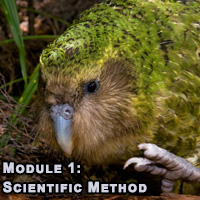
- Module 1: The Scientific Method: Teaching students how to observe avian behavior and test hypotheses using rigorous logic.
- Module 2: Characteristics of Life: Exploring what defines a living organism and how birds fit into the biological hierarchy.
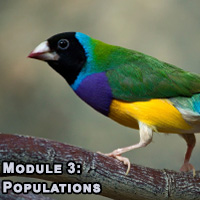
- Module 3: Populations: Analyzing how bird populations interact with their environments and the factors that lead to growth or decline.
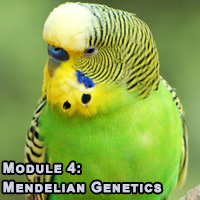
- Module 4: Mendelian Genetics: A simplified look at how traits are passed down through generations, using birds as primary examples.
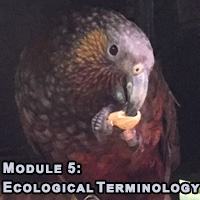
- Module 5: Ecological Terminology: Defining the roles birds play in their ecosystems, from pollinators to apex predators.
By providing these resources free of charge, the AFA is actively working to dispel myths about bird keeping and replace them with a science-based understanding of avian life.
Chronology of Educational Milestones in Aviculture
To understand the significance of these current tools, one must look at the timeline of avian education in the United States. Historically, avicultural knowledge was passed down through apprenticeships or informal bird clubs.
- 1974: The AFA is founded in response to the outbreak of Exotic Newcastle Disease, highlighting the urgent need for standardized biosecurity and education.
- 1990s: The rise of the internet begins to shift information sharing, but also leads to the spread of misinformation regarding bird care.
- Early 2000s: The AFA identifies the need for a formal certification process to professionalize the hobby and provide a defense against restrictive legislation.
- 2010s: Development of the Fundamentals of Aviculture begins with the support of Texas A&M.
- 2018-Present: The AFA launches its modern WordPress-integrated campus, expanding the ABC modules and Level II FOA to a global audience.
Economic and Regulatory Implications
The push for professional education in aviculture comes at a time of increased scrutiny. Regulatory bodies are increasingly looking at the welfare standards of captive birds, and the AFA’s educational tools provide a self-regulatory mechanism for the industry. By documenting that keepers and breeders have completed certified courses, the avicultural community can demonstrate a commitment to high welfare standards.
From an economic perspective, the AFA’s programs also benefit the pet industry. Educated bird owners are more likely to invest in high-quality housing, specialized diets, and regular veterinary care, leading to a more sustainable market for avian-related products and services. Moreover, the focus on genetics and breeding in Level II helps maintain the health and diversity of captive populations, reducing the pressure on wild populations and supporting conservation through sustainable captive breeding.
Analysis of Broader Impact
The AFA’s educational initiatives represent a proactive approach to animal stewardship. In an era where "citizen science" is becoming increasingly important, the AFA is turning hobbyists into informed contributors to the scientific community. The data collected by educated breeders regarding nesting habits, incubation periods, and neonatal growth is often used by researchers to inform conservation strategies for endangered species in the wild.
Furthermore, the Avian Biology Classroom addresses a growing need for STEM (Science, Technology, Engineering, and Math) resources in schools. By using birds—creatures that are often visible in students’ own backyards—as the subject matter, the AFA is making complex biological concepts accessible and engaging for younger generations.
In conclusion, the American Federation of Aviculture’s educational tools are more than just courses; they are a comprehensive infrastructure designed to ensure the survival and well-being of avian species. Through the Fundamentals of Aviculture and the Avian Biology Classroom, the AFA is fostering a culture of excellence, scientific inquiry, and ethical responsibility that will resonate throughout the global avian community for years to come. By leveraging partnerships with academic giants like Texas A&M and providing accessible resources for the public, the AFA has solidified its position as the leading authority in avian education.

