


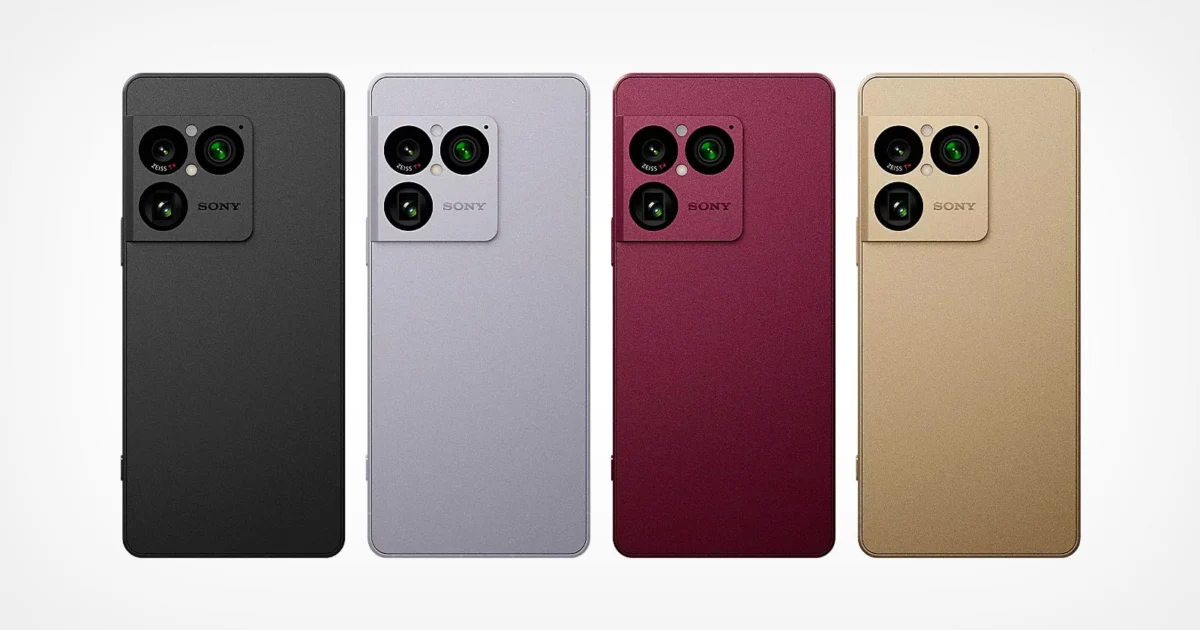
Sony has officially pulled the curtain back on its latest flagship smartphone, the Xperia 1 VIII, marking what is arguably the most significant architectural shift for the series since its inception in 2019. While the Xperia lineup has long been a niche favorite among professional photographers and cinematographers for its manual controls and Alpha-series DNA, the eighth-generation model signals a departure from several long-standing design traditions in favor of aggressive hardware upgrades and a new philosophy toward artificial intelligence.
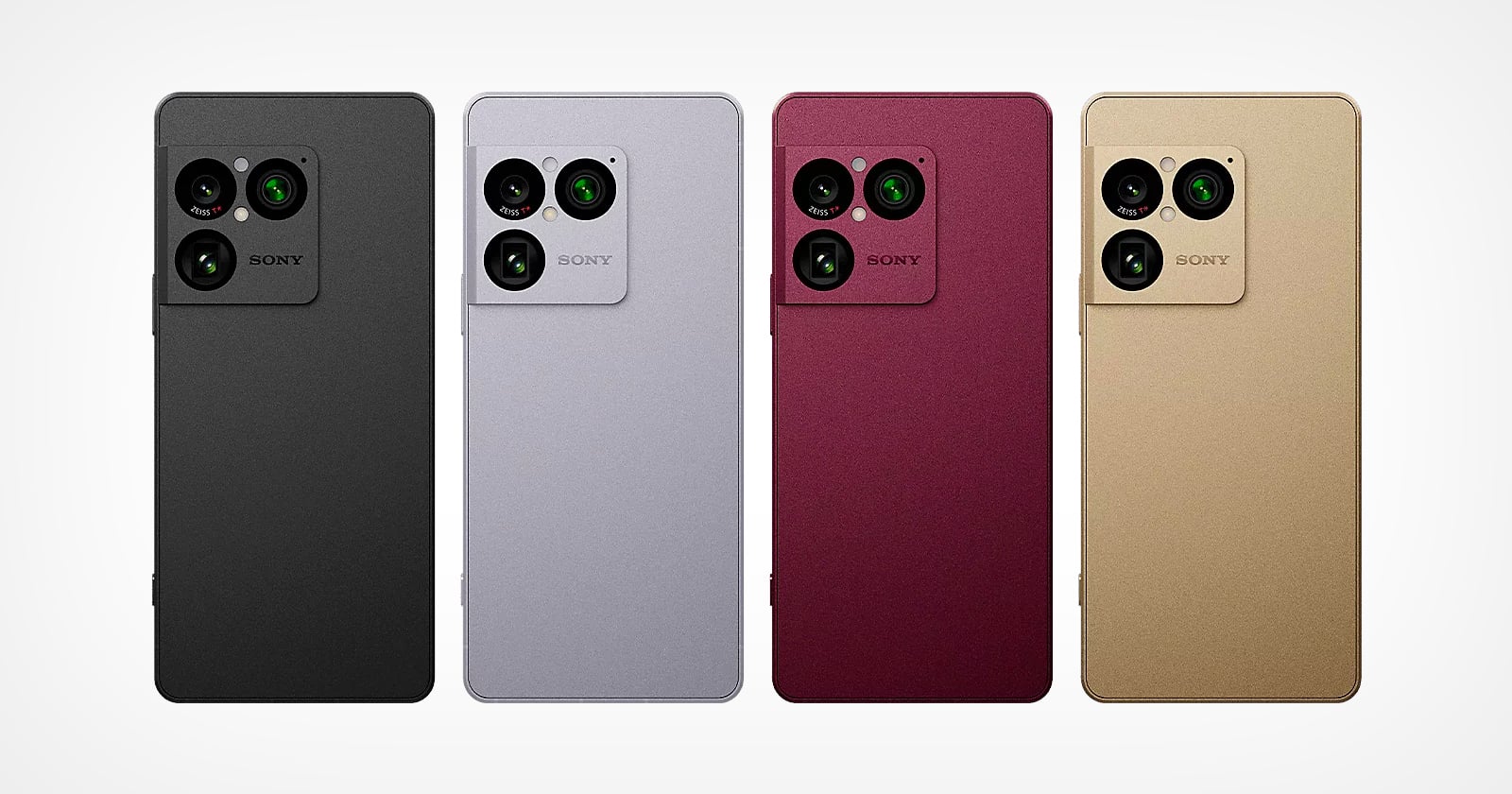
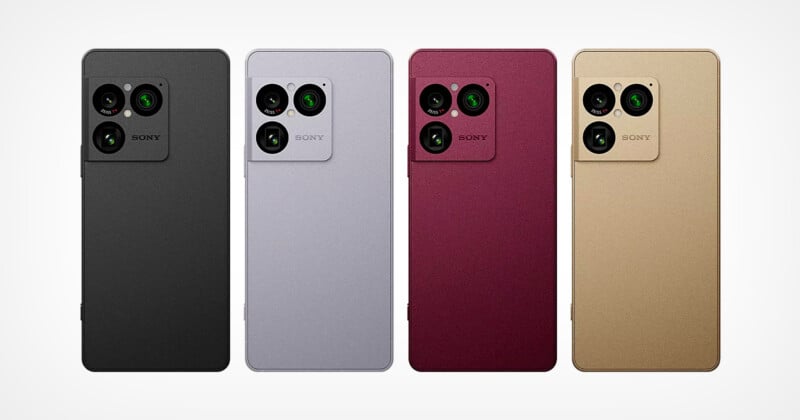
The most immediate change is the physical aesthetic of the device. For five years, the Xperia 1 series was defined by a slim, vertical camera arrangement positioned on the upper-left side of the rear panel. The Xperia 1 VIII breaks this mold, introducing a prominent square camera island. This redesign is not merely a stylistic choice; it was a mechanical necessity driven by the inclusion of significantly larger optical components. Despite this modernization, Sony has retained its signature industrial design language, characterized by a tall aspect ratio, textured glass finishes, and the iconic knurled dedicated shutter button.
A New Era for Mobile Telephoto Optics
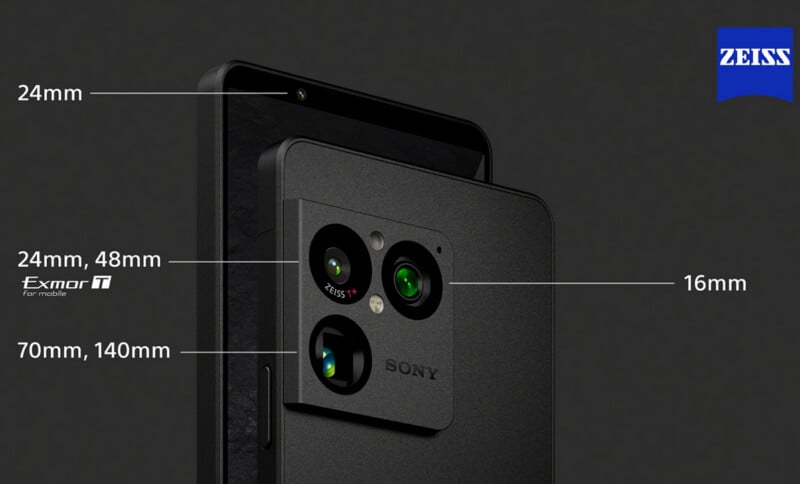
The centerpiece of the Xperia 1 VIII is its radically overhauled telephoto system. For years, smartphone manufacturers have struggled to balance the desire for long focal lengths with the physical constraints of thin mobile chassis, often resulting in small sensors that perform poorly in low light. Sony’s solution in the Xperia 1 VIII is the implementation of a 48-megapixel Type 1/1.56 Exmor RS telephoto sensor.
This sensor is nearly four times larger than the one found in the previous Xperia 1 VII. In the world of optics, sensor size is the primary determinant of image quality, affecting light-gathering capabilities, dynamic range, and natural background blur (bokeh). By moving to a 1/1.56-inch format for the telephoto lens, Sony is positioning itself to compete directly with the "Ultra" tier flagships from Chinese manufacturers that have recently dominated mobile photography benchmarks.
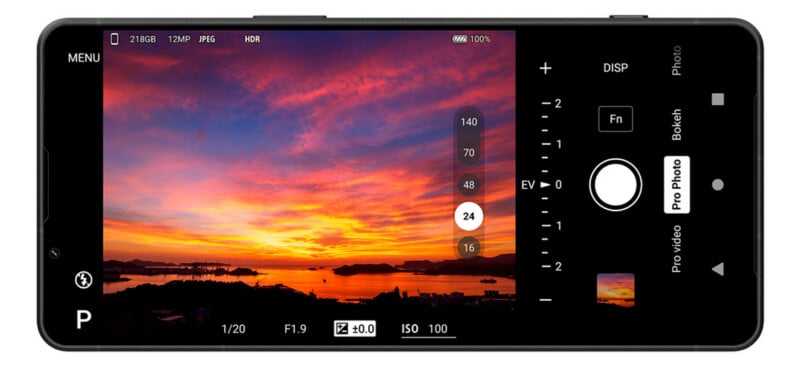
The telephoto module utilizes a sophisticated periscope lens system that provides two distinct native focal lengths: 70mm and 140mm. The 70mm setting is optimized for portraiture, offering a perspective that minimizes facial distortion while providing a flattering compression of the background. The 140mm reach extends the phone’s capabilities into the realms of wildlife photography and architectural detail, areas where smartphones have traditionally relied on digital zoom and heavy-handed AI sharpening to compensate for lack of optical reach.
Furthermore, the telephoto lens supports advanced macro capabilities. With a minimum focusing distance of approximately 15 centimeters, users can capture high-magnification "telemacro" shots, allowing for extreme close-ups of insects or flowers without the shadow of the phone obstructing the light source.
Xperia Intelligence: AI as a Creative Assistant
In an industry currently obsessed with generative AI—where software can add, remove, or entirely recreate elements of a photo—Sony has taken a different path. The Xperia 1 VIII introduces "Xperia Intelligence," an AI-driven camera assistant designed to support the photographer’s intent rather than replace it.
Instead of focusing on post-capture manipulation, Xperia Intelligence operates in real-time before the shutter is pressed. The system analyzes the scene, subject matter, and even ambient weather conditions to offer recommendations on framing, lens selection, and exposure settings. For example, if the AI detects a sunset, it might suggest a specific "Creative Look" preset to enhance the warm tones or recommend a particular aperture setting for optimal starburst effects.
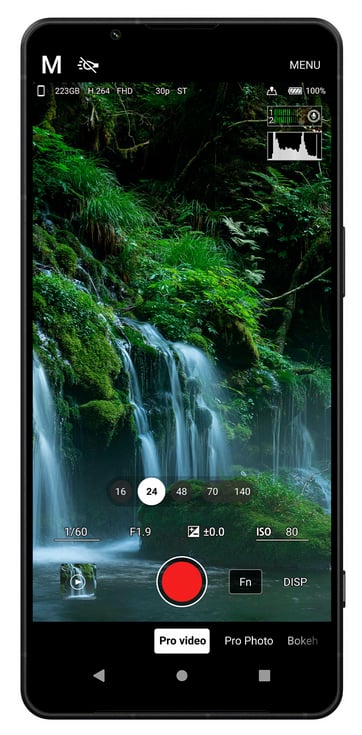
This approach aligns with Sony’s "Alpha" philosophy, where the tool is designed to empower the user’s technical skills. For those who find the AI assistance intrusive, Sony has included a "Pro Mode" toggle that completely disables the intelligence features, returning the device to a purely manual state. This maintains the device’s appeal to purists who prefer to manage every variable of the exposure triangle—ISO, shutter speed, and aperture—independently.
Deep Integration with the Alpha Ecosystem
The Xperia 1 VIII continues to serve as a bridge between the mobile world and Sony’s professional interchangeable lens camera (ILC) lineup. The device carries over several "Pro" features that are standard on high-end Alpha cameras, including:
- Real-time Eye AF and Tracking: Utilizing the high readout speed of the Exmor RS sensors, the phone can lock onto and track the eyes of humans and animals with uncanny precision, even during high-speed movement.
- 30fps Burst Shooting: The phone is capable of capturing 30 frames per second with continuous autofocus (AF) and auto-exposure (AE) calculations happening between every frame.
- 4K 120p HDR Video: All rear cameras are capable of recording in 4K resolution at 120 frames per second, allowing for high-fidelity slow-motion footage.
- S-Cinetone for Mobile: Originally developed for Sony’s VENICE cinema cameras, this color profile provides a cinematic look with natural skin tones directly out of the camera, reducing the need for complex color grading in post-production.
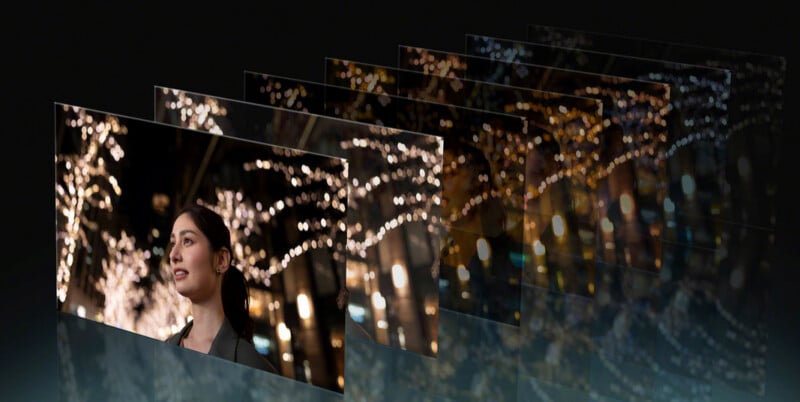
To handle the massive data throughput required for these features, Sony has introduced a new RAW multi-frame processing pipeline. This system captures multiple RAW images in a rapid burst and merges them to reduce noise and expand dynamic range, while still providing the user with a flexible DNG file for manual editing in applications like Adobe Lightroom.

Hardware Legacy and Modern Performance
While most flagship manufacturers have moved toward a minimalist hardware approach—removing expandable storage and analog audio ports—Sony continues to cater to the power user. The Xperia 1 VIII remains the only major global flagship to offer both a microSD card slot and a 3.5mm headphone jack.
The inclusion of a microSD slot is particularly relevant for the target demographic of photographers and videographers. With 4K 120p video and 48MP RAW files, internal storage can be exhausted quickly. The ability to swap out 1TB or 2TB cards provides a level of workflow flexibility that is non-existent on the iPhone or Samsung Galaxy series.
Under the hood, the device is powered by the Qualcomm Snapdragon 8 Elite Gen 5 processor. This chipset is paired with up to 16GB of LPDDR5X RAM and up to 1TB of internal UFS 4.0 storage. The thermal management system has also been redesigned with a larger vapor chamber to mitigate the heat generated during extended 4K video recording sessions—a common complaint with previous generations.
Market Strategy and Regional Availability
Despite the significant technical leaps, Sony is maintaining a disciplined, if somewhat restricted, distribution strategy. The company has confirmed that the Xperia 1 VIII will not see a formal release in North America, focusing instead on its core markets in Europe and Asia.
This decision reflects Sony’s shift from trying to compete for mass-market volume to dominating a high-value niche. In regions like Japan and parts of Southeast Asia, the Xperia brand remains a status symbol among tech enthusiasts and creative professionals. In Europe, the device is positioned as a premium alternative for those disillusioned by the "walled garden" ecosystems of its competitors.
Pricing for the Xperia 1 VIII remains at the top end of the market. The base model, featuring 12GB of RAM and 256GB of storage, will retail for £1,399 in the United Kingdom and €1,499 in the Eurozone. A flagship "Gold Edition" with 16GB of RAM and 1TB of storage is priced at £1,849 / €1,999.
Fact-Based Analysis of Implications
The launch of the Xperia 1 VIII suggests a broader trend in the mobile industry: the divergence of the "flagship" category. On one side, companies like Google and Apple are leaning into "computational photography," where the image is a product of software interpretation. On the other side, Sony is leading a "hardware-first" movement, where the emphasis is on the quality of the glass and the size of the silicon.
By quadrupling the size of the telephoto sensor, Sony is addressing the final frontier of mobile photography. While main (wide) cameras on smartphones have reached a level of parity with some point-and-shoot cameras, telephoto lenses have always been the weak link. The Xperia 1 VIII effectively closes this gap, potentially making it the most capable device for travel and nature photography ever released in a smartphone form factor.
However, the decision to offer only four years of Android OS updates may be a sticking point for consumers. With Samsung and Google now offering seven years of support, Sony’s shorter window feels out of step with the "premium" and "sustainable" messaging often associated with high-end hardware.
Ultimately, the Xperia 1 VIII is not a phone designed for the average consumer. It is a specialized tool for a specific audience: the mobile creator who demands professional-grade optics, manual control, and legacy hardware features. For this group, the Xperia 1 VIII represents a significant evolution and a reaffirmation of Sony’s commitment to the professional imaging community.

