


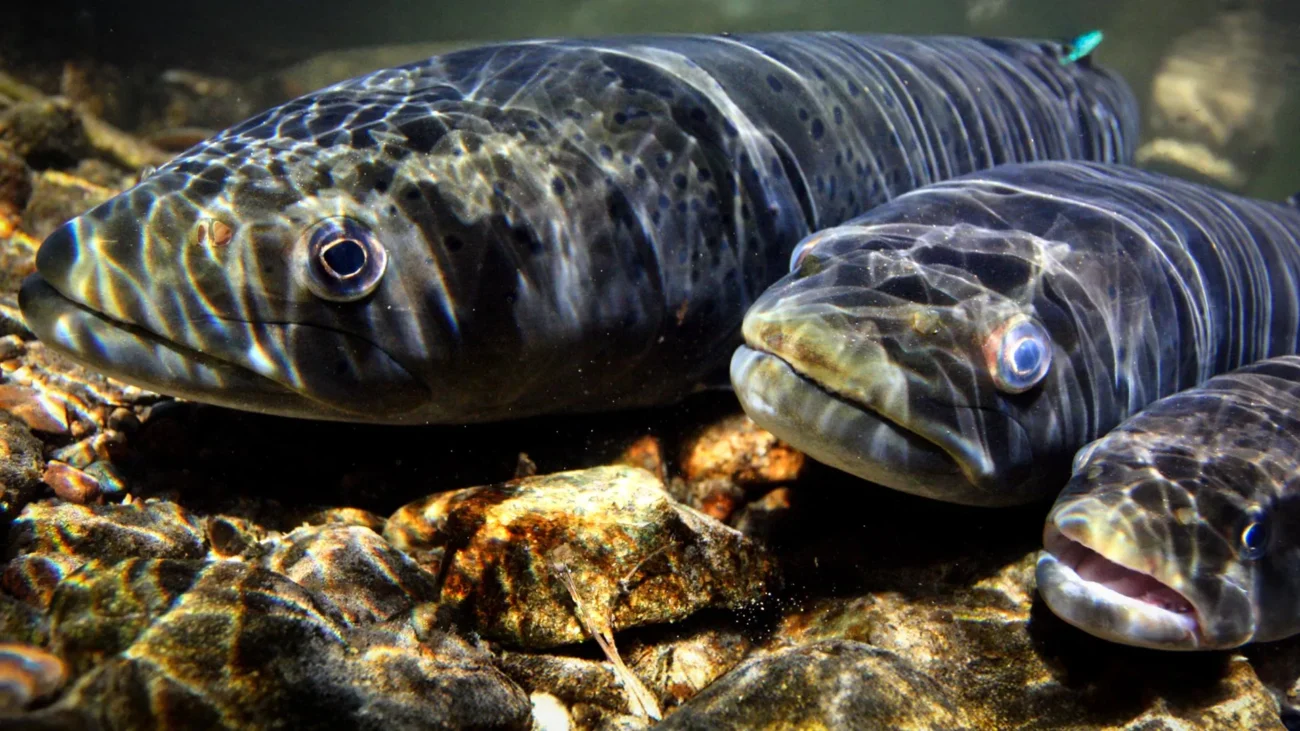
Beneath the shimmering surface of the world’s rivers, a silent crisis is unfolding. The epic journeys undertaken by some of Earth’s most vital aquatic inhabitants – migratory freshwater fish – are rapidly disintegrating, according to a landmark report released by the Convention on the Conservation of Migratory Species of Wild Animals (CMS), a United Nations environmental treaty. The "Global Assessment of Migratory Freshwater Fishes," unveiled at the CMS 15th Meeting of the Conference of the Parties (COP15) in Brazil, paints a stark picture: these aquatic travelers are among the planet’s most imperiled species, with their declining populations threatening not only riverine ecosystems but also the food security and livelihoods of hundreds of millions globally.
A Widespread Biodiversity Crisis Unveiled
The comprehensive assessment, meticulously compiled using extensive global datasets and IUCN assessments of nearly 15,000 freshwater fish species, identifies a critical biodiversity crisis that has largely evaded widespread public and policy attention. Migratory freshwater fish, unlike their terrestrial or oceanic counterparts, are inherently tied to the health and connectivity of entire river systems, often spanning multiple national borders. Their life cycles depend on unimpeded access to diverse habitats for spawning, feeding, and nurturing young, typically involving long-distance migrations through river networks.
The report’s findings are alarming. It estimates that migratory freshwater fish populations have plummeted by a staggering 81% worldwide since 1970. This catastrophic decline has pushed nearly all (97%) of the 58 CMS-listed migratory fish species, encompassing both freshwater and saltwater varieties, to the brink of extinction. The assessment specifically highlights 325 migratory freshwater fish species that are now candidates for international conservation efforts, a number that underscores the vast scale of this overlooked crisis. These species join the 24 already listed under the Convention’s Appendices I (requiring strict protection) and II (necessitating international cooperation), indicating a significant expansion of the conservation agenda for these vulnerable aquatic creatures.
Drivers of Decline: Dams, Pollution, and a Fragmented World
The primary culprits behind this precipitous decline are multifaceted and deeply interconnected. The report unequivocally points to the pervasive impact of dam construction, which acts as an insurmountable barrier, severing critical migration routes and fragmenting riverine habitats. This physical impediment not only traps fish but also alters natural water flow regimes, affecting breeding cycles and the availability of essential nursery grounds.
Beyond dams, habitat fragmentation caused by infrastructure development, unsustainable agricultural practices, and urban expansion further degrades and isolates vital aquatic ecosystems. Pollution, stemming from industrial discharge, agricultural runoff, and inadequate wastewater treatment, contaminates water sources, directly harming fish health and reproductive success. Overfishing, particularly in areas where migratory fish congregate, further depletes already struggling populations.
Compounding these pressures are the pervasive effects of climate change. Altered precipitation patterns lead to more extreme floods and droughts, impacting water availability and quality. Rising water temperatures can disrupt metabolic processes and reproductive cues, while changes in ocean currents can affect species that undertake diadromous migrations (moving between freshwater and saltwater).
Identifying Priority River Systems and Species
The "Global Assessment of Migratory Freshwater Fishes" identifies several key river systems worldwide as critical priorities for urgent conservation action. These include South America’s vast Amazon and La Plata-Paraná basins, Europe’s iconic Danube River, Asia’s vital Mekong River, Africa’s historic Nile, and the Ganges-Brahmaputra river system on the Indian subcontinent. These river basins, renowned for their immense biodiversity and the significant human populations they support, are also home to numerous migratory fish species facing severe threats.
The report also provides a regional breakdown of the 325 candidate species for international protection. While the exact numbers are still being refined for formal listing, the preliminary data reveals significant concentrations of vulnerable species across continents. For instance, Europe is home to a substantial number of candidate species, with the Danube basin emerging as a critical area of concern. Asia also presents a high number of species requiring attention, particularly within the Mekong River system, which faces immense pressure from hydropower development and agricultural expansion. Africa’s Nile and its tributaries host a number of migratory species whose journeys are increasingly imperiled. South America, with its unparalleled freshwater biodiversity, is a hotspot for migratory fish, with the Amazon and La Plata basins harboring a wealth of species that are now candidates for enhanced protection.
The Amazon Basin: A Crucial Stronghold Under Threat
As Brazil hosts COP15, its commitment to safeguarding South America’s vital river systems, the Amazon and La Plata-Paraná, takes center stage. The Amazon Basin, often lauded as one of the last great refuges for migratory freshwater fish, is increasingly facing development pressures that threaten its ecological integrity. A specific case study released alongside the global assessment highlights 20 migratory fish species within the Amazon that meet the criteria for potential listing under CMS Appendix II.
These long-distance travelers are not merely ecological curiosities; they are the backbone of regional fisheries, accounting for an estimated 93% of total fish landings and supporting an industry valued at approximately US$436 million annually. The economic and social implications of their decline are profound, impacting millions of people who rely on these fish for sustenance and income.
The report showcases the extraordinary journeys of some of these Amazonian migrants. The dorado (gilded) catfish (Brachyplatystoma rousseauxii), a robust bottom-dweller with striking metallic coloring, undertakes what is believed to be the longest freshwater migration of any known fish species. Its life cycle spans an astonishing 11,000 kilometers, commencing in the Andean headwaters and culminating in coastal nursery areas.
In recognition of these critical threats, Brazil and other regional partners are spearheading the development of a Multi-species Action Plan for Amazonian Migratory Catfish (2026-2036). This initiative, forged through regional cooperation, aims to address the complex challenges facing these vital species across their migratory routes. Brazil has also put forward a proposal to list the spotted sorubim catfish (Pseudoplatystoma corruscans) on CMS Appendix II, emphasizing the urgent need for coordinated action within the La Plata Basin. This iconic species, like many others, faces severe threats from dam construction, altered water flows, and intense fishing pressure in this vital South American river system.
These proposals represent some of the most ambitious international efforts to date to protect migratory freshwater fish, reinforcing the core principle of CMS: conservation solutions must encompass the entire geographic range of migratory species and depend on robust cooperation between nations.
A Call for Coordinated Global Action
The urgency of the situation has been echoed by leading experts and conservation organizations. Dr. Zeb Hogan, lead author of the assessment, underscored the critical nature of the findings: "Many of the world’s great wildlife migrations take place underwater. This assessment shows that migratory freshwater fish are in serious trouble, and that protecting them will require countries to work together to keep rivers connected, productive, and full of life."
Amy Fraenkel, CMS Executive Secretary, highlighted the report’s significance in bringing a previously under-focused issue to the forefront. "This new assessment highlights a major priority for the conservation of migratory species and their habitats, that has not had adequate focus to date. By aligning science, policy and international cooperation, governments can safeguard the world’s remaining great freshwater fish migrations and the communities and ecosystems that depend on them."
Michele Thieme, Vice President and Deputy Lead of Freshwater at World Wildlife Fund-US, articulated the fundamental challenge: "Rivers don’t recognize borders — and neither do the fish that depend on them. The crisis unfolding beneath our waterways is far more severe than most people realize, and we are running out of time. Rivers need to be managed as connected systems, with coordination across borders, and investments in basin-wide solutions now before these migrations are lost forever."
Implications for Ecosystem Health and Human Well-being
The collapse of migratory freshwater fish populations carries profound implications far beyond the immediate threat to these species themselves. These fish play a crucial role as ecological engineers within riverine ecosystems. Their movements disperse nutrients, connect different aquatic habitats, and serve as a vital food source for numerous other aquatic and terrestrial species, including birds, mammals, and even other fish. The decline of these keystone species can trigger cascading effects throughout the food web, leading to broader ecosystem instability.
For human populations, the impact is equally dire. Freshwater fish are a critical source of protein and micronutrients for hundreds of millions of people, particularly in developing nations. The inland fisheries supported by migratory fish are essential for food security and economic stability in countless communities. Their decline threatens livelihoods, exacerbates poverty, and can contribute to social unrest in regions heavily reliant on these natural resources.
The CMS COP15 meeting in Brazil provides a crucial platform for international dialogue and commitment. The discussions and potential agreements forged at this conference will determine the fate of these ancient migrations and the health of the planet’s freshwater systems for generations to come. The scientific evidence is clear: failing to act decisively and cooperatively will result in the irreversible loss of a vital component of Earth’s biodiversity, with far-reaching consequences for both nature and humanity. The time for coordinated, basin-wide, and international action is now, before these silent underwater journeys cease to exist altogether.

