


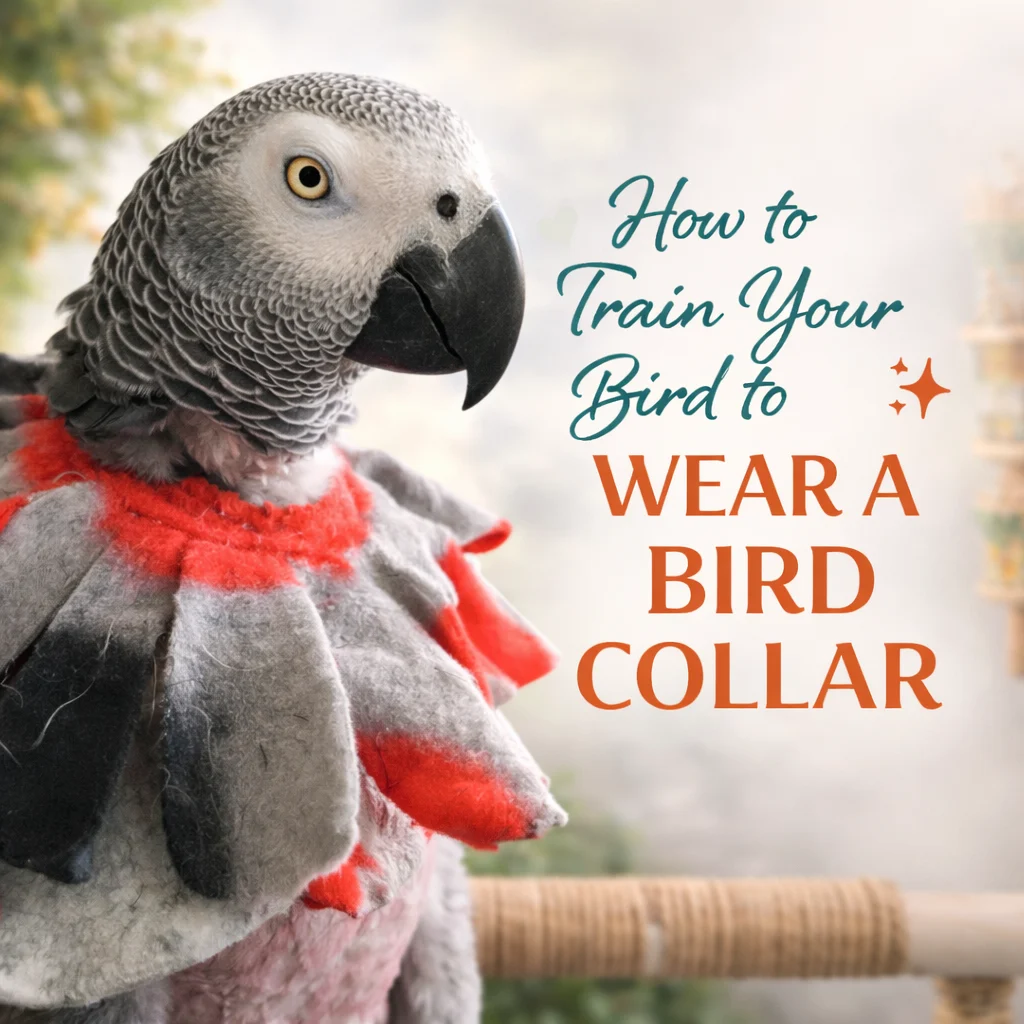
The consensus among avian experts is clear: birds can safely wear collars, but their introduction must be thoughtful, purposeful, and driven by a genuine need to safeguard the bird’s welfare. This nuanced perspective, highlighted by avian behavior specialist Diane Burroughs, underscores that collars are not a punitive measure or a standalone solution, but rather a protective tool within a comprehensive management strategy for feather destructive behaviors (FDB). Published on December 21, 2025, and last updated on the same date, this insight comes at a time when owners of companion birds are increasingly seeking effective, humane methods to address challenging behavioral issues, particularly those involving self-mutilation.
Understanding Feather Destructive Behavior: A Complex Avian Challenge
Feather destructive behavior (FDB) encompasses a range of actions from mild feather plucking to severe self-mutilation, where birds damage their own feathers or skin. This pervasive issue affects a significant portion of captive parrot populations, with some estimates suggesting up to 10-15% of companion birds exhibit some form of FDB, with species like African Greys, Cockatoos, and Macaws being particularly predisposed. The origins of FDB are multifactorial, making diagnosis and treatment complex.
Veterinary science and avian behavior research point to three primary categories of contributing factors:
- Medical Causes: These can include underlying diseases such as Psittacine Beak and Feather Disease (PBFD), Polyomavirus, bacterial or fungal infections, parasitic infestations (e.g., mites, giardia), organ dysfunction (liver, kidney), pain from injury or arthritis, allergies, nutritional deficiencies, and heavy metal toxicity. A thorough veterinary examination, including blood work, biopsies, and imaging, is crucial to rule out these medical conditions.
- Environmental Factors: Suboptimal living conditions frequently contribute to FDB. This can involve inadequate cage size, poor diet lacking essential nutrients, insufficient humidity, exposure to environmental irritants (e.g., smoke, harsh cleaning chemicals), lack of mental stimulation, insufficient sleep, or an unstable social environment.
- Behavioral and Psychological Factors: Stress, anxiety, boredom, fear, phobias, hormonal fluctuations, and learned behaviors can all manifest as FDB. Birds are highly intelligent and social creatures; prolonged periods of solitude, lack of enrichment, or inconsistent routines can lead to significant psychological distress, which they may cope with through self-destructive behaviors. In some cases, FDB can become a self-reinforcing habit, providing a form of stimulation or even attracting owner attention, thereby perpetuating the cycle.
Owners typically turn to collars only after exhausting other avenues, including dietary adjustments, environmental enrichment, routine modifications, supplements, topical sprays, and behavioral training. When these interventions fail to halt the escalating damage, the physical and emotional toll on both bird and owner becomes significant, prompting the consideration of more direct protective measures.
The Strategic Role of Avian Collars in Intervention
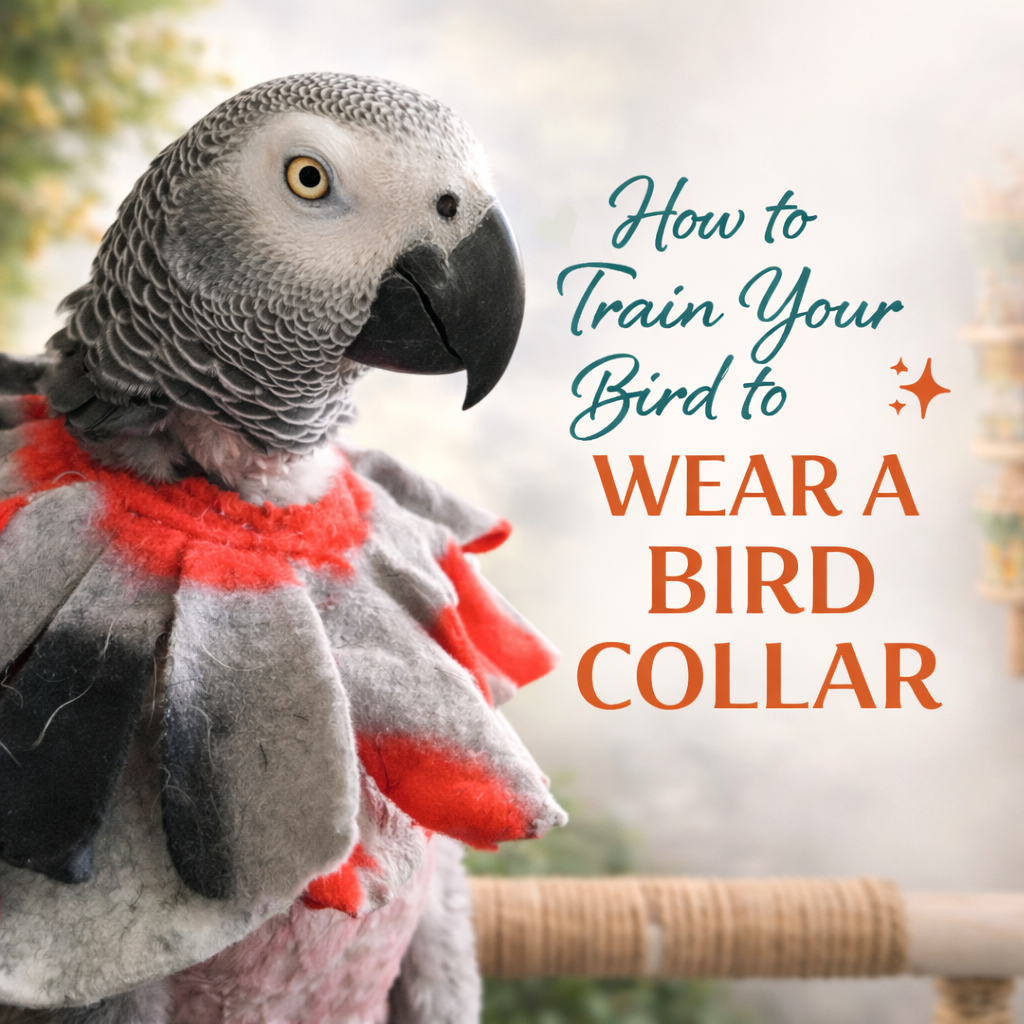
An avian collar serves as a physical barrier designed to prevent a bird from accessing and damaging specific areas of its body, primarily the chest, wings, and lower back. It is a critical tool when physical protection is immediately required, not as a punishment or a shortcut, but as a means to interrupt a destructive cycle while the underlying causes are simultaneously addressed.
Collars are commonly employed in several critical scenarios:
- Active Feather Destruction: When a bird is actively plucking, chewing, or barbering its feathers to the point of creating bare patches or skin irritation.
- Self-Mutilation: In cases where the bird is causing open wounds, reopening existing injuries, or engaging in severe self-inflicted trauma that poses a significant health risk.
- Post-Surgical Recovery: To prevent a bird from picking at stitches or surgical sites, ensuring proper healing.
- Wound Healing: To protect existing wounds from further damage or contamination, allowing them to heal effectively.
- Periods of Heightened Anxiety: During times of extreme stress or phobias where the bird’s anxiety leads to self-harm.
When introduced and managed correctly, bird collars offer several key benefits. They significantly reduce the risk of physical injury, slow the rehearsal of destructive habits, and provide owners with crucial "breathing room" to systematically investigate and implement solutions related to diet, environment, medical care, and behavioral support. This temporary interruption allows feathers to regrow, skin to heal, and a more positive behavioral pattern to be established.
Types of Avian Collars and Their Considerations
The market offers various types of avian collars, each with its own design, material, and suitability for different situations:
- Elizabethan Collars (E-Collars): Similar to those used for cats and dogs, these are cone-shaped and typically made from rigid plastic. They are highly effective at preventing access to large areas of the body but can significantly impede mobility, feeding, and social interaction. Clear plastic versions are preferred to maintain the bird’s visual field.
- Tube Collars: These are cylindrical collars, often made from fabric or soft plastic, that fit snugly around the bird’s neck, restricting head movement enough to prevent access to the body. They can be more comfortable than E-collars for some birds but may not prevent access to all areas depending on the bird’s flexibility.
- Soft Fabric Collars: These are less rigid and more comfortable, often made from fleece or cotton. They provide a softer barrier and are generally better tolerated, but their effectiveness can be limited if the bird is determined to bypass them. They are often used for milder cases or as a transition from more rigid collars.
The choice of collar type often depends on the severity of the FDB, the bird’s species and size, and its individual temperament. Consultation with an avian veterinarian is paramount to select the most appropriate collar and ensure proper fitting to prevent discomfort, injury, or escape.
When Collar Intervention May Be Unnecessary
It is equally important to recognize when adding a collar might be an overreach or even counterproductive. Not every plucking bird requires this intervention. If feather plucking is mild, seasonal, or directly correlated with and improving through enrichment and routine adjustments – and crucially, if the skin remains undamaged – a collar may be unnecessary.
Introducing an intervention without clear need can increase stress for the bird, potentially exacerbating underlying anxiety or creating new behavioral problems. Sometimes, the most helpful step is to refine and reinforce existing positive changes rather than layering on a new, potentially stressful, tool. Over-intervention can overwhelm a bird’s coping mechanisms and complicate the identification of primary stressors.
Common Missteps in Avian Collar Application
Even with the best intentions, owners often make understandable mistakes when considering or implementing collars:
- Attempting a "Quick Fix": Expecting the collar alone to resolve FDB without addressing its root causes. Collars are a temporary measure to protect, not a cure.
- Trying to Fix Everything at Once: Rapid and drastic changes to a bird’s environment, diet, and routine, coupled with collar introduction, can overwhelm an already stressed bird. Gradual, predictable adjustments alongside collar training are more effective.
- Following Advice Without Context: Applying generalized online advice without considering the individual bird’s species, personality, medical history, and specific FDB triggers. What works for one bird may be ineffective or harmful to another. A "time check" on when plucking occurs (e.g., during specific times of day, after certain interactions) often provides more valuable context than copying another owner’s solution.
- Insufficient Acclimatization: Rushing the introduction of the collar, leading to immediate high stress, fear, and resistance from the bird.
- Lack of Veterinary Oversight: Implementing a collar without a prior veterinary examination to rule out medical causes or without ongoing professional guidance.
These are not failures but common hurdles that highlight the need for a structured, patient, and informed approach.
The Meticulous Process of Collar Introduction and Training
The success of a bird collar hinges less on the device itself and more on the meticulous training and acclimatization process. The goal is to facilitate acceptance and minimize stress, allowing the bird to stay regulated while learning to adapt to a new physical sensation. This requires immense patience, positive reinforcement, and a deep understanding of avian behavior.
Diane Burroughs outlines an eight-step process for safely training a bird to wear a collar, emphasizing a gradual, non-coercive approach:
Step 1: Let the Collar Exist (No Pressure)
For 1-3 days, simply place the collar within the bird’s line of sight but at a safe distance. The objective is to allow the bird to habituate to its presence without any forced interaction. This teaches the bird that the collar is not an immediate threat and begins the process of desensitization.
Step 2: Make the Collar Part of Normal Routines
Over 1-2 days, integrate the collar into routine activities. For example, lay it on your shoulder during feeding times, cage cleaning, or calm interaction periods. This classical conditioning pairs the collar with positive, familiar experiences, building familiarity without directly forcing interaction.
Step 3: Invite Exploration
Place the collar closer to the bird, perhaps on a nearby perch or within its reach, and allow the bird to investigate it on its own terms. Reward any voluntary interaction, such as touching or inspecting the collar, with favorite treats and praise. Curiosity, when encouraged, is far more effective than coercion.

Step 4: Build Tolerance to Touch
During regular training sessions, gently work on handling the bird’s wings, shoulders, and torso. This helps desensitize the bird to the type of physical contact required for fitting the collar. Keep these sessions short, positive, and always end on a successful, calm note. Small, consistent progress is key.
Step 5: Prepare the Cage Environment
Before the first fitting, make essential adjustments to the cage. Temporarily lower perches, especially those for sleeping, and ensure food and water bowls are easily accessible. This prevents frustration and potential injury while the bird is adjusting to the collar’s impact on its mobility.
Step 6: First Fitting (Supervised)
When both the owner and bird are calm and ready, attempt the first fitting. Apply the collar for a very short duration, typically 1-3 hours, under close supervision. Observe the bird for signs of extreme distress. Awkward movements, attempts to remove the collar, and initial investigation are normal. Provide comfort and reassurance.
Step 7: Build Strength and Confidence
Once the initial fitting is tolerated, gradually increase wear time in 30-60 minute increments. This progressive exposure allows the bird to build the physical strength and coordination needed to comfortably navigate its environment with the collar. It also helps the bird mentally adapt to the new sensation and restriction. Visual aids, such as instructional videos demonstrating proper fitting techniques, can be invaluable during this stage.
Step 8: Return the Cage to Normal
As the bird’s tolerance and confidence improve, slowly return perches and bowls to their usual positions. Some birds, especially those that are naturally nervous, may require additional help and encouragement to relearn how to perch, climb, eat, and drink with the collar on. Patience and continued positive reinforcement are crucial during this final reintegration phase.
Expert Perspectives and Broader Implications
Leading avian veterinarians and behavior specialists consistently advocate for collars as a humane, temporary intervention when a bird’s physical safety is at risk due to FDB. They emphasize that the collar is a diagnostic and therapeutic aid, not a standalone treatment. Dr. Alice Roberts, a prominent avian veterinarian, stated in a recent symposium, "A collar gives us the window we need to perform diagnostics, implement environmental changes, and initiate behavioral modification without the constant threat of the bird harming itself further. It’s a critical tool for breaking the cycle of self-trauma."
The ethical considerations revolve around balancing the potential stress of the collar with the severe welfare implications of unaddressed FDB. A bird constantly injuring itself experiences chronic pain, fear, and a significantly diminished quality of life. In such cases, a properly fitted and managed collar, under veterinary guidance, is often the more compassionate choice.
The implications of a thoughtful approach to avian collars extend beyond individual bird welfare. It promotes more responsible pet ownership by encouraging owners to seek professional help and understand the complex needs of their birds. It also highlights the ongoing evolution of avian medicine, which increasingly integrates behavioral science with traditional veterinary care. As research continues into the underlying causes of FDB and the psychological well-being of companion birds, interventions like collars will continue to be refined, alongside the development of more comfortable designs and advanced behavioral therapies.
In conclusion, the question of whether birds can wear collars safely is unequivocally affirmative, provided the decision is made thoughtfully and implemented meticulously. Collars serve as a supportive bridge, offering physical protection and interrupting destructive habits, thereby creating an opportunity for owners and avian professionals to address the deeper, often complex, issues driving feather destructive behaviors. Far from being a setback, when used correctly, avian collars are a testament to the commitment to protecting and improving the quality of life for our feathered companions.

