


Published On: Dec 18, 2025
Last updated on: Dec 27, 2025
The inquiry into whether pet birds benefit from antioxidant supplementation during periods of heightened physiological demand, such as molting, aging, hormonal cycles, routine changes, or when facing dietary limitations, is a frequently discussed topic among avian enthusiasts and professionals alike. While the short answer is often a qualified "sometimes," contingent on specific situations and always within a broader nutritional framework, the underlying principles of avian health and cellular resilience warrant a deeper exploration. Most companion birds do not require daily, indiscriminate antioxidant support. However, during phases where a bird’s metabolism is working harder than usual, targeted and thoughtful nutritional reinforcement can be instrumental in maintaining normal cellular function and bolstering overall resilience against environmental and internal stressors. This question frequently emerges in dedicated bird owner forums and online communities, often prompted by subtle observations from owners whose birds, while not overtly ill, appear somewhat more taxed by life’s demands than usual. This instinct to proactively support long-term wellness without resorting to excessive intervention represents a responsible approach to pet bird care. This comprehensive analysis aims to demystify the role of antioxidants, elucidate the normal physiological process of oxidative stress, identify specific circumstances where additional support becomes beneficial, and clarify when such interventions are likely unnecessary, providing context without hype or unsubstantiated claims of miraculous cures.
The Science of Oxidative Stress in Avian Physiology
Oxidative stress is an unavoidable byproduct of life itself, an inherent component of metabolic processes in all living organisms, including birds. Every fundamental biological activity—eating, breathing, moving, growing feathers, and metabolizing food—generates reactive oxygen species (ROS), often referred to as free radicals. These unstable molecules, characterized by unpaired electrons, can cause cellular damage if their production overwhelms the body’s natural defensive mechanisms. Antioxidants are a crucial class of nutrients that assist the body in maintaining a delicate balance by neutralizing these free radicals. They do not halt oxidative processes entirely, which are essential for various bodily functions, but rather help the avian system manage them efficiently and prevent widespread cellular harm. A diverse array of nutritious, plant-based foods naturally provides these antioxidants, working synergistically with other essential nutrients to support the bird’s overall health.
Birds, in particular, exhibit high metabolic rates, a characteristic that fuels their vibrant personalities and active lifestyles. This rapid energy expenditure, however, means their bodies are in a constant state of work, necessitating robust nutritional support to maintain internal equilibrium. Over time, consistent antioxidant support can contribute significantly to keeping the bird’s physiological systems operating smoothly, thereby supporting their physical condition and enhancing their innate capacity to cope with daily stressors. The concern among owners about oxidative stress is not indicative of poor care; rather, it reflects an evolving understanding of good avian nutrition and a commitment to preventive health measures. It is a part of comprehensive avian care, not a cause for panic.
Why Birds are Uniquely Susceptible to Oxidative Load
While oxidative stress is universal, several factors make birds particularly susceptible to its impacts, especially in captive environments. In their natural habitats, wild birds engage in extensive foraging, consuming a vast array of plant materials, insects, and other food sources that provide a rich and varied spectrum of antioxidants. Their high activity levels, including sustained flight, while demanding energetically, also stimulate endogenous antioxidant systems, as indicated by research showing that intense physical activity can enhance the body’s protective mechanisms. However, the realities of domestication often diverge significantly from these natural conditions.
Companion parrots, even those receiving excellent care, inhabit environments profoundly different from the wild. Factors such as indoor air quality, which can be affected by household pollutants; reliance on artificial lighting; limited opportunities for natural foraging behavior; and the consumption of processed foods, even high-quality pellets, which may lack the full spectrum of phytochemicals found in fresh, whole ingredients, all contribute to a bird’s metabolic workload. Routine changes, social dynamics, and even subtle environmental shifts can induce stress, further elevating the body’s demand for antioxidant defenses. None of these elements necessarily imply that something is inherently "wrong" with a bird’s care; rather, they represent normal demands placed on a bird’s physiology in a captive setting. Optimal nutrition, encompassing both primary diet and judicious supplementation when needed, plays a pivotal role in how effectively birds cope, recover, and ultimately thrive over their often-long lifespans.
Key Periods When Antioxidant Support Becomes Critical
Understanding when a bird’s body is under increased physiological demand is key to determining the appropriate timing for targeted antioxidant support. This proactive approach can significantly contribute to maintaining cellular health and overall well-being.
-
Molting: A Nutrient-Intensive Process: Feather production is an extraordinarily nutrient-intensive biological process. During a molt, a bird’s body diverts a significant portion of its metabolic resources towards growing new feathers, which are primarily composed of keratin protein. This process demands high levels of amino acids, vitamins (especially A, D, E, K, and B-complex), and minerals (such as calcium, zinc, and selenium). The sheer metabolic effort involved in synthesizing these complex structures can increase the production of free radicals, making the molting period a prime candidate for enhanced antioxidant support. Even birds on otherwise excellent diets may benefit from an extra nutritional buffer during this demanding time.
-
The Challenges of Avian Aging: As birds age, their cellular machinery naturally becomes less efficient, and their endogenous antioxidant systems may weaken. Older birds, much like older humans, are often slower to recover from stress, injury, or environmental changes. This reduced capacity for cellular repair and detoxification means they are more susceptible to the cumulative effects of oxidative damage, which can contribute to age-related conditions and a general decline in vitality. Rescue birds, often with unknown histories and potentially compromised health due to past neglect or stress, may also exhibit signs of accelerated aging or chronic oxidative stress, making targeted support particularly relevant.
-
Hormonal Fluctuations and Reproductive Stress: Birds experience significant hormonal shifts linked to seasonal changes, breeding cycles, and photoperiods. These cycles can induce profound physiological and behavioral changes, including increased energy expenditure, altered metabolism, and heightened stress responses. The physiological strain associated with reproductive activity, whether nesting, egg-laying, or even exhibiting strong hormonal behaviors without actual breeding, can place considerable demands on a bird’s body, potentially increasing oxidative load. Supporting the body with antioxidants during these periods can help manage the metabolic byproducts of these intense physiological states.
-
Environmental and Emotional Stressors in Captivity: Companion birds live in environments vastly different from their evolutionary niches, introducing a unique set of stressors. Routine changes, such as cage rearrangements, new family members or pets, travel, or changes in an owner’s schedule, can be highly unsettling. Persistent noise, artificial lighting cycles that don’t mimic natural daylight, and social disruption (e.g., separation from preferred companions, introduction to new birds) all contribute to a bird’s perceived stress load. Stress, whether physical or psychological, triggers the release of stress hormones like corticosterone, which can, in turn, increase metabolic activity and the production of free radicals. Providing nutritional support, including antioxidants, can help the bird’s body cope with these unavoidable demands and maintain internal balance.
-
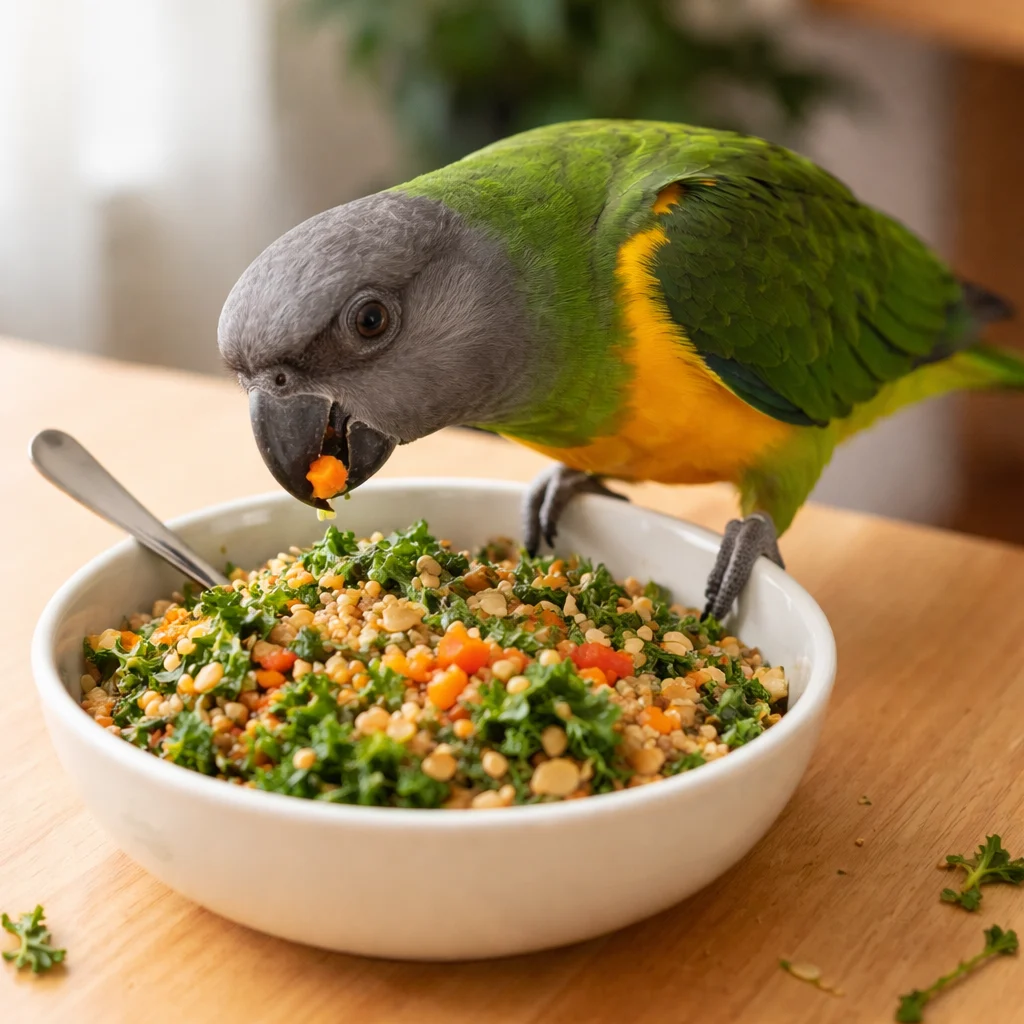
Dietary Gaps: The Foundation of Support: The cornerstone of avian health is a varied, nutrient-rich diet. Fresh foods, particularly colorful fruits, vegetables, and leafy greens, are naturally abundant in antioxidants such as vitamins C and E, beta-carotenes, lutein, zeaxanthin, and various flavonoids. However, many captive birds, despite their owners’ best efforts, do not consume a sufficiently wide variety of these plant-based foods consistently. This can lead to nutritional gaps where the intake of essential antioxidants is suboptimal. In such cases, targeted supplementation or the inclusion of specific antioxidant-rich natural toppers can act as a crucial nutritional bridge, helping to ensure the bird receives adequate protection.
The Role of a Comprehensive Nutritional Strategy
Antioxidant support is not a standalone solution but rather an integral component of a holistic avian wellness program. Nutrition profoundly influences a bird’s mood and cognitive function, as the intricate nervous system relies heavily on a steady supply of nutrients and plant compounds, not merely caloric intake. Amino acids, beneficial fatty acids, and calming herbs all exert their effects through this complex body-brain connection, albeit via different mechanisms.
When considering antioxidant support, it is important to clarify what it is—and what it is not. It is a straightforward method to provide additional physiological support during normal periods of stress, not by overhauling the bird’s entire routine, but by judiciously adding helpful nutrients to existing food or water sources. It is not intended to "fix" behavioral issues, nor can it replace the fundamental pillars of good care, which include a balanced diet, consistent routines, environmental enrichment, and appropriate veterinary oversight.
A varied, nutrient-rich diet acts as a robust protective buffer—a kind of physiological armor—against the daily onslaught of environmental and metabolic stressors. Incorporating elements like specific herbs, seeds, or plant-based toppers into a bird’s "chop" mix is one of the simplest and most effective ways to consistently build this foundational support. Furthermore, rotating different plant-based nutritional supports over time can function as a proactive insurance policy, helping to address potential nutritional gaps before they manifest as observable health issues. This simple, consistent habit can significantly ease the complexities of long-term avian care.
Navigating Supplementation: Best Practices and Pitfalls
While the benefits of targeted antioxidant support are clear, it is equally important to understand when such interventions might be unnecessary. If a bird is consuming a balanced diet of high-quality pellets and a wide variety of plant-based foods, and is consistently displaying normal behaviors—eating and maintaining weight appropriately, remaining active, exhibiting healthy feather condition, demonstrating steady energy levels, and engaging positively with its environment and family—then additional antioxidant support may not be immediately required. However, some conscientious bird owners still opt to include gentle, rotating nutritional supplements as an added layer of insurance, recognizing the unpredictable nature of captive bird environments.
The foundation of avian health rests on natural, unprocessed nutrition. Birds generally do not require a multitude of synthetic additives to thrive. A diet based on good quality pellets, simple, plant-based foods, and consistency often yields far superior results than relying on heavily processed supplements, particularly those with ingredient lists that resemble a chemistry experiment rather than real food.
Common mistakes in avian care, particularly concerning supplementation, typically stem from owners’ deep care and well-intentioned efforts to do too much, too quickly. A significant pitfall is changing multiple aspects of a bird’s diet, lighting, routine, and supplements simultaneously. When numerous variables are altered at once, it becomes virtually impossible to ascertain which specific intervention, if any, contributed to an improvement or, conversely, induced additional stress.
Another prevalent error is adopting advice from online communities without adequate context. While these forums can be invaluable for sharing experiences, they cannot replace a thorough understanding of the individual bird’s specific needs. Every bird is unique, possessing distinct physiological requirements, personality traits, and environmental circumstances. What proves beneficial for one bird may be entirely superfluous or even detrimental to another, simply because their needs are not aligned. Responsible bird ownership demands critical thinking and a personalized approach.
Expert Perspectives and Responsible Ownership
Avian care specialists and veterinarians consistently advocate for a safe and measured approach to introducing any dietary changes or supplements. The guiding principle for bird health is often "simple and steady."
-
Start Small and Observe: When introducing any new food item or supplement, the recommended practice is to start with minimal quantities and meticulously observe the bird for any changes. This includes monitoring appetite, the consistency and frequency of droppings, energy levels, and overall behavior. Gradual introduction allows the bird’s system to adjust and enables the owner to identify any adverse reactions or positive outcomes.
-
When to Involve a Professional: It is paramount to recognize that supplements are not a substitute for veterinary care. Sudden and significant changes in a bird’s health—such as unexplained weight loss, pronounced lethargy, severe appetite changes, respiratory distress, or dramatic shifts in behavior (e.g., aggression, excessive feather plucking, prolonged silence)—are clear indicators that immediate professional veterinary consultation is required. These symptoms warrant a diagnostic workup by an avian or exotic veterinarian, not the unilateral addition of supplements. Timely veterinary intervention is crucial for addressing underlying medical conditions.
Diane Burroughs, founder of BirdSupplies.com and UnRuffledRx™, with over 25 years of extensive hands-on experience in supporting parrot health, behavior, and nutrition, emphasizes evidence-based care and practical routines. Her work underscores the importance of informed choices, recognizing that a solid everyday diet performs the majority of the "heavy lifting" in maintaining avian health. Thoughtful, rotating plant-based support can then complement this foundation when a bird’s specific needs fluctuate, ensuring support without over-supplementation.
Conclusion: A Holistic Approach to Avian Wellness
Supporting a bird’s health does not necessitate an overly complicated regimen. In fact, small, consistent, and well-informed choices often yield more significant long-term benefits than attempts to achieve a fleeting "perfect" state. The scientific community, alongside experienced avian care specialists, increasingly highlights the importance of a balanced approach that combines a foundational, high-quality diet with strategic, targeted nutritional support during identified periods of physiological stress. This includes incorporating antioxidant-rich natural foods, and, where appropriate, carefully selected supplements, always under the guidance of observed individual needs and professional veterinary advice.
Ultimately, the goal is to enhance the bird’s quality of life and longevity. By understanding the intricate balance of oxidative stress and antioxidant defenses, and by adopting a proactive yet cautious stance on nutrition, bird owners can empower their feathered companions to navigate the demands of captive life with greater resilience and vitality. This commitment to holistic, evidence-based care represents the zenith of responsible pet bird ownership.

