


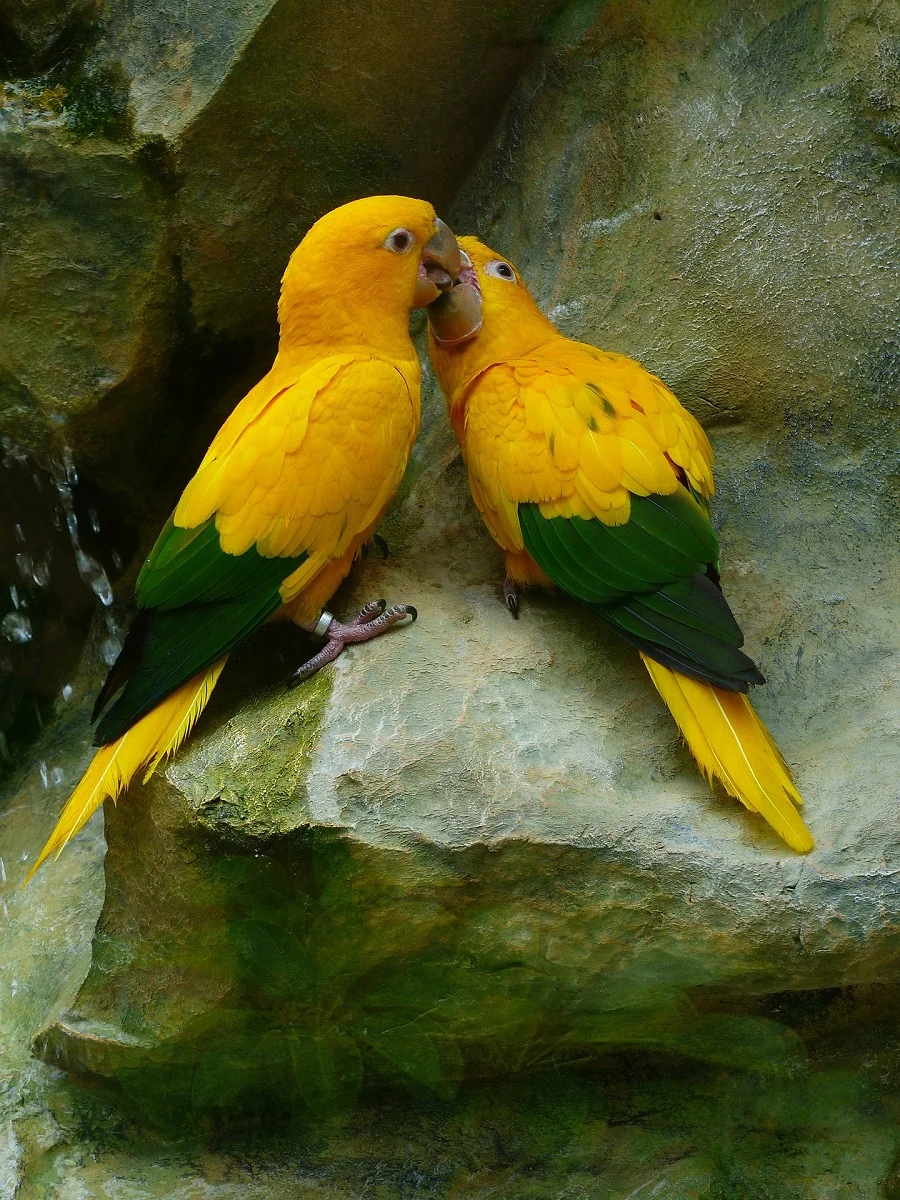
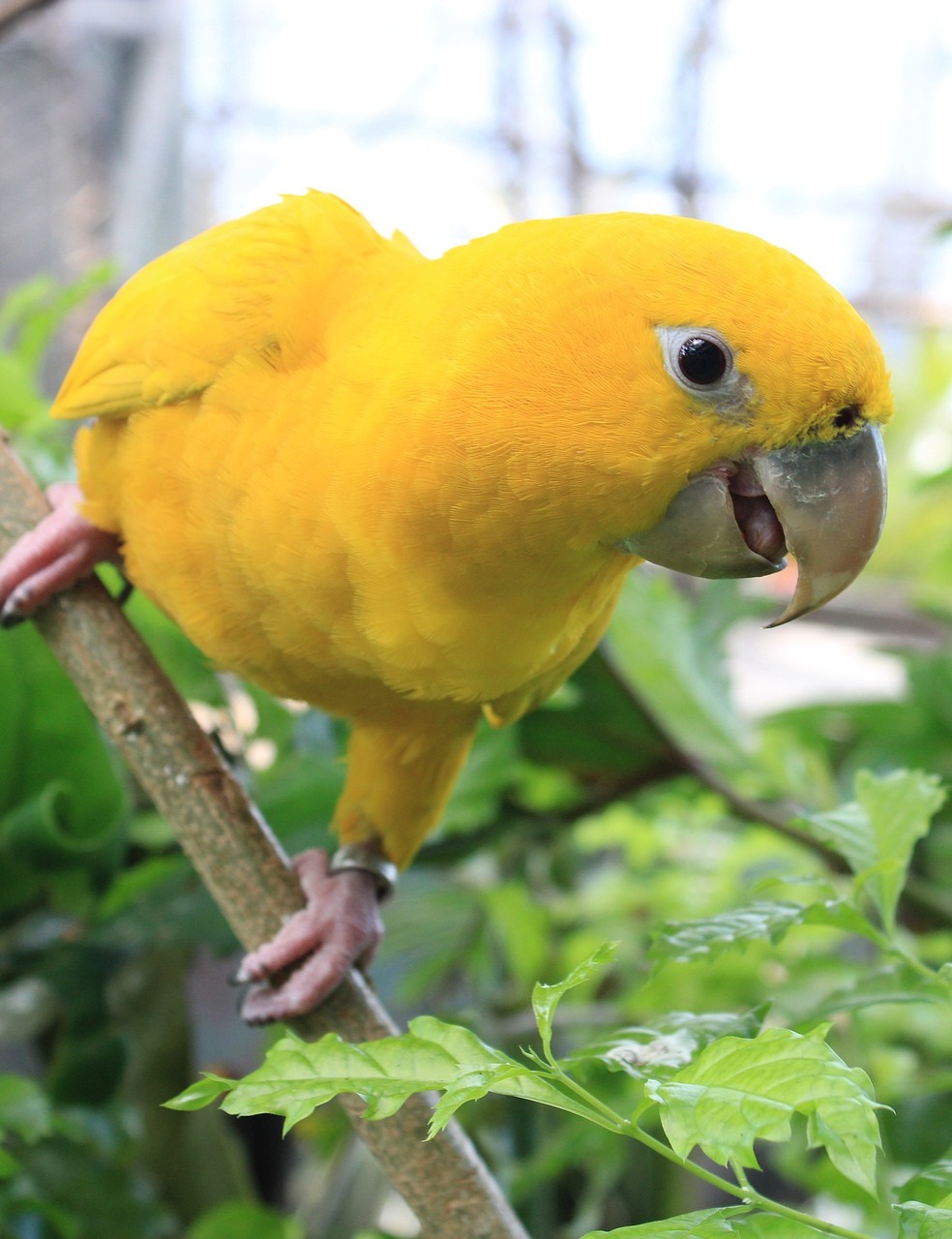
The Golden Conure, also known as the Queen of Bavaria Conure or Golden Parakeet (Guaruba guarouba), is undeniably one of the most visually striking members of the parrot family, captivating avian enthusiasts with its brilliant, uniform golden plumage. This magnificent bird, a beacon of the Brazilian Amazon, presents a unique blend of avian splendor, intricate ecological roles, and significant conservation challenges, alongside the demanding realities of its life in captivity. Understanding this species requires delving into its biological distinctiveness, its natural history, the threats it faces in the wild, and the comprehensive care required for its well-being as a companion animal.
Description and Distinctive Features
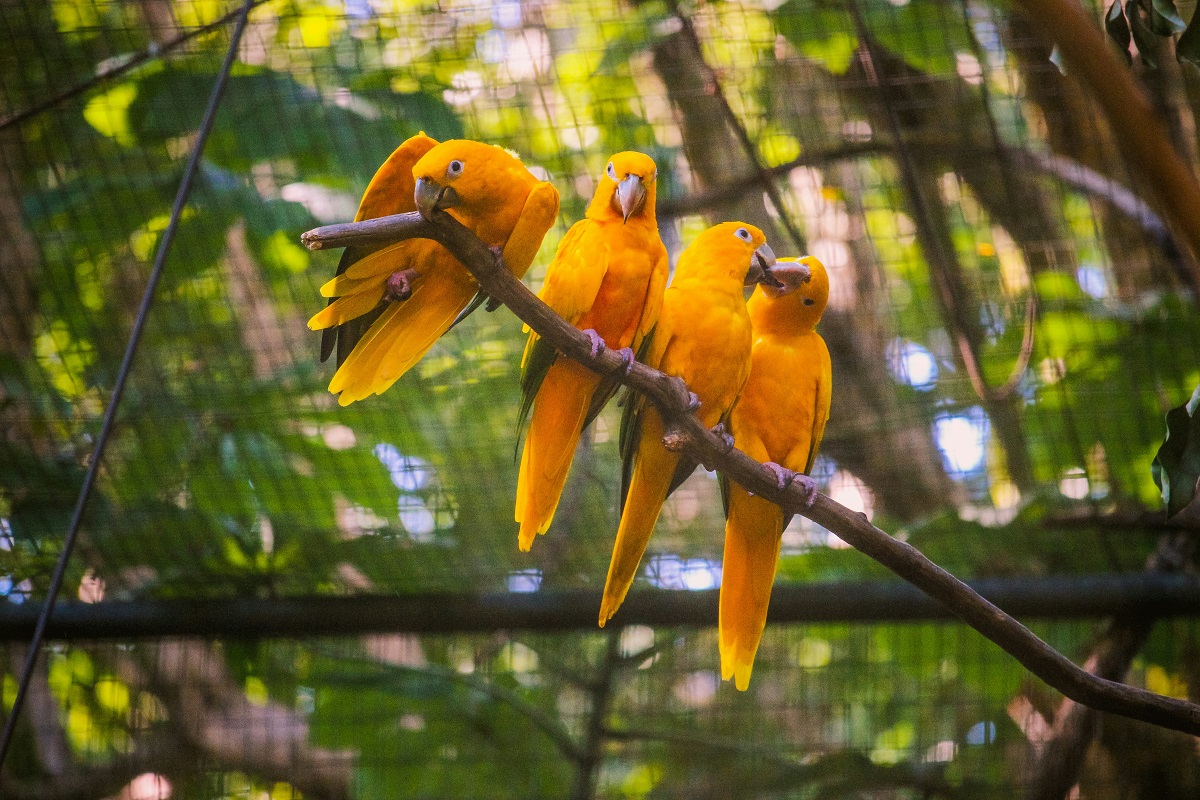
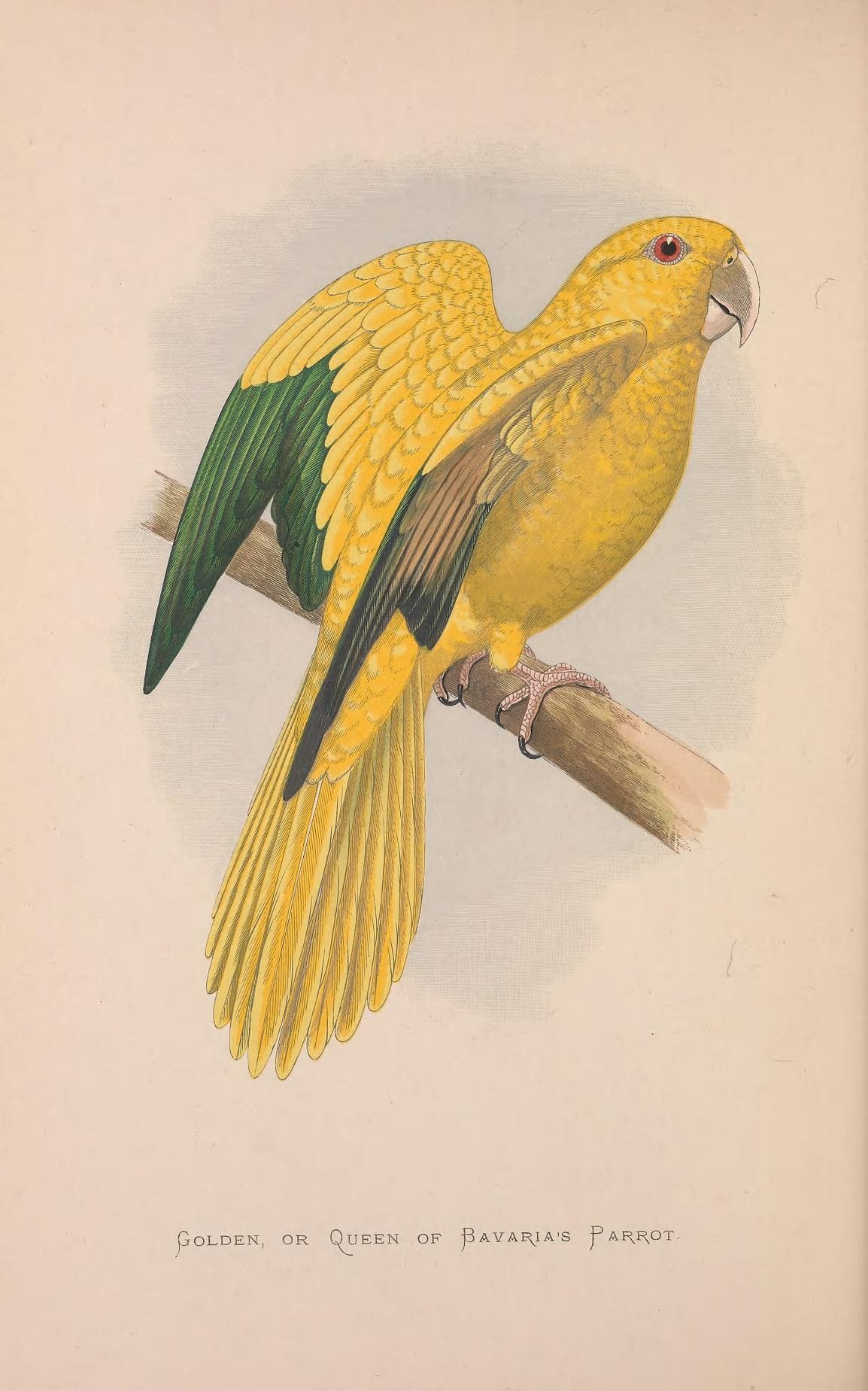
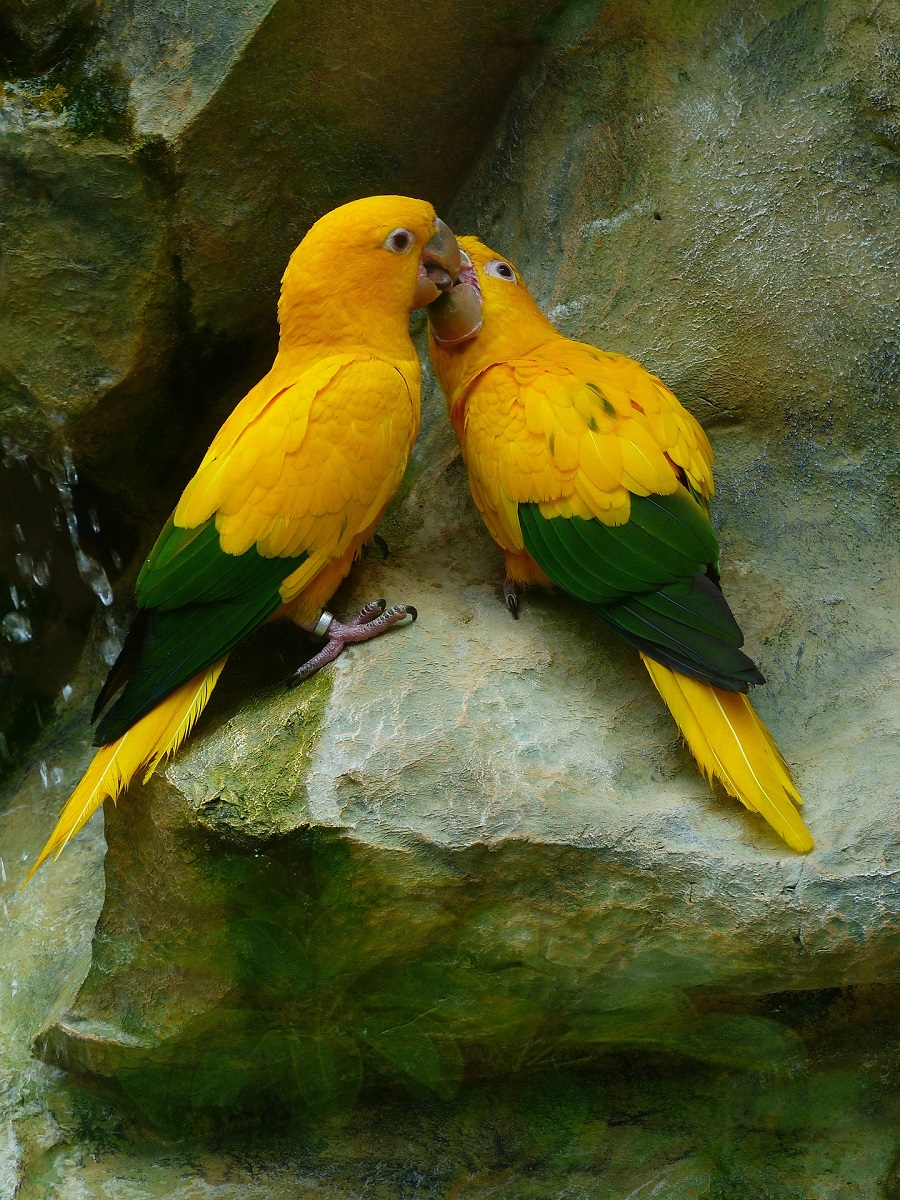
At first glance, the Golden Conure’s appearance is its most compelling attribute. Its body is almost entirely covered in a rich, buttery yellow, a hue that earns it its regal common name, "Queen of Bavaria Conure." The only significant deviation from this golden standard is the dark green primary flight feathers, which become visible when the bird spreads its wings, providing a striking contrast to the otherwise monochromatic brilliance. This medium-sized parrot typically reaches lengths of up to 14 inches (35 cm) and weighs an average of 250 grams, possessing a proportionately large, horn-colored beak well-suited for cracking nuts and fruits.
Visually distinguishing between male and female Golden Conures is impossible without genetic testing, as both sexes exhibit identical plumage. This lack of sexual dimorphism is a common trait among many parrot species. Juvenile birds, however, display a greater amount of green coloration, particularly on their wings and often speckled across their backs and heads, gradually transitioning to the adult golden hue as they mature. This developmental change serves as a natural indicator of age in the wild.
A Journey Through Taxonomy: Unraveling the Golden Conure’s Scientific Identity
The scientific classification of the Golden Conure offers a fascinating glimpse into the dynamic field of ornithological research and the continuous refinement of species relationships. Its journey through various genera reflects evolving understanding and technological advancements in genetic analysis. Initially, the species was classified under Conurus, then moved to Eupsittula, and subsequently to Aratinga. However, ornithologists consistently suspected its unique characteristics warranted its own distinct genus.
This suspicion was formally addressed with Joseph Forshaw’s influential 2006 guide, "Parrots of the World," which reclassified it as Guaruba guarouba. This revision marked a significant shift, recognizing its phylogenetic distinctiveness. Subsequent phylogenetic studies, particularly a landmark 2006 article in Systematic Biology, provided robust genetic evidence, confirming that Guaruba is more closely related to red-shouldered macaws (genus Diopsittaca) than to the Aratinga conures it was previously grouped with. This reclassification underscores the importance of molecular biology in resolving complex taxonomic puzzles and highlights the Golden Conure’s singular evolutionary path within the Psittacidae family.
Natural Habitat and Geographical Distribution
The Golden Conure is endemic to the Brazilian Amazon Basin, with its primary range concentrated in the state of Pará and potentially extending into parts of neighboring Maranhão. Within this vast tropical ecosystem, these parrots primarily inhabit dry lowland (terra firme) forests, characterized by their diverse tree species and stable ground. However, they demonstrate adaptability by occasionally venturing into seasonally flooded areas (várzea), particularly during periods when food resources might be more abundant there.
A notable characteristic of their wild behavior is their nomadic tendency. Observations indicate that during the breeding season, Golden Conures often temporarily depart the dense jungle environments for less dense, more open forested zones. This migratory pattern is likely influenced by the availability of nesting sites, food sources, and reduced predation risks. Nests are typically constructed in isolated hollow trees, often by enlarging cavities previously used by other species. An intriguing aspect of their breeding biology is the practice of communal nesting, where multiple females may lay eggs in the same nest, resulting in clutches that can exceed ten eggs. This cooperative breeding strategy is relatively uncommon among parrots and suggests a complex social structure within wild populations.
Conservation Status: A Vulnerable Future
Despite its beauty and unique biological traits, the Golden Conure faces a precarious future. The International Union for Conservation of Nature (IUCN) Red List classifies Guaruba guarouba as a Vulnerable species, a designation that underscores the significant threats to its wild populations. While trapping for the international pet trade, historically a major driver of decline, has reportedly decreased in recent decades due to stricter regulations and increased awareness, the primary threats today are habitat fragmentation and destruction.
The relentless expansion of agriculture, particularly cattle ranching and soy plantations, along with illegal logging and infrastructure development, continues to decimate the Amazon rainforest. This destruction directly translates into a loss of critical habitat, nesting sites, and food sources for the Golden Conure. Conservation organizations and researchers emphasize that without concerted efforts to protect and restore its native forests, the long-term survival of this species in the wild remains uncertain. Efforts include establishing protected areas, implementing sustainable land-use practices, and engaging local communities in conservation initiatives.
Cultural Significance and Indigenous Connections
Beyond its ecological role, the Golden Conure holds deep cultural significance for indigenous populations in Brazil. Locally known as "Ararajuba," meaning "yellow macaw," its striking golden feathers have long been prized for ceremonial adornment and other cultural practices. This historical and ongoing connection highlights the intrinsic value of the species within its native landscape, transcending its appeal as a pet. Anecdotal accounts from sources like Helmut Sick’s "Ornitologia Brasileira" even mention instances where other conure species were dyed yellow to fetch higher prices in local animal markets, illustrating the immense value placed on the Golden Conure’s distinctive coloration. This cultural importance further underscores the need for respectful and effective conservation strategies that involve and benefit local communities.
Diet in the Wild and Captivity: Nutritional Imperatives
The dietary habits of the Golden Conure are a critical aspect of its biology and care. In its lush Amazonian home, wild Golden Conures benefit from a diverse and seasonally varied diet, primarily consisting of fruits. Scientific studies, such as those published in Diversity, have identified key dietary components, including the fruits of açaí and bacaba palms, as well as those from cashew, ice cream bean, nance, and locustberry trees. Flowers and flower buds also form part of their diet. Like many opportunistic parrot species, they are also known to occasionally raid agricultural crops, showing a particular fondness for corn and mango, which can sometimes lead to conflict with local farmers.
In a captive environment, replicating this nutritional diversity is paramount for the health and longevity of a Golden Conure. The cornerstone of a healthy captive diet should be high-quality parrot pellets. Unlike traditional seed mixes, which are often high in fat and deficient in essential nutrients, pellets provide a balanced and comprehensive nutritional profile. Supplementing pellets with a wide array of fresh foods is crucial for both physical and psychological well-being. This includes:
- Fresh Fruits: Mango, papaya, apple, banana, berries, melon, grapes (in moderation).
- Vegetables: Leafy greens (kale, spinach, romaine), carrots, bell peppers, broccoli, sweet potatoes, corn.
- Healthy Grains & Legumes: Cooked brown rice, whole-wheat pasta, sprouted lentils or beans.
- Small amounts of Nuts: Almonds, walnuts, pecans (unsalted, in moderation due to high fat content).
It is essential to avoid avocado, chocolate, alcohol, and excessive salt, as these are toxic to parrots. A varied diet not only ensures nutritional adequacy but also provides mental stimulation, preventing boredom and promoting natural foraging behaviors. Avian veterinarians consistently emphasize that diet is a leading factor in preventing common captive parrot ailments such as obesity, liver disease, and vitamin deficiencies.
Housing and Environmental Enrichment: Creating a Stimulating Home
Given their active and intelligent nature, Golden Conures require substantial living spaces. For birds kept primarily in cages, a full-sized indoor aviary is ideal, providing ample room for flight and exercise. If a bird is allowed out of its enclosure for several hours daily, a cage with a minimum width of 40 inches (1 meter) can suffice, though larger is always better. The bar spacing must be appropriate to prevent escapes and injuries.
The interior of the cage is equally important. It should be furnished with a variety of natural wood perches of different diameters and textures to promote foot health and prevent pressure sores. Platforms and ladders add to the complexity of the environment, encouraging movement and exploration. Crucially, Golden Conures, like all parrots, are highly intelligent and playful beings that bore easily. A constant supply of parrot toys is essential for their mental and physical well-being. These toys should encourage chewing, shredding, preening, and noise-making, mimicking natural behaviors. Regular rotation of toys helps maintain novelty and interest.
Beyond the cage, providing a "safe zone" for out-of-cage time is vital. This can include a cage-top playground with additional perches and toys, or a dedicated parrot tree, offering vertical exploration and social interaction points. Parrot-proofing any room the conure has access to is non-negotiable, removing potential hazards such as exposed wires, toxic plants, open water, and small ingestible objects. This proactive approach prevents accidents and allows the bird to explore safely.
The Importance of Enrichment: Combating Boredom and Stress
Parrots in the wild spend their days foraging, socializing, flying, and solving problems. In captivity, without adequate stimulation, these highly intelligent creatures can suffer from chronic boredom and stress, leading to a range of undesirable behaviors. Excessive screaming, feather plucking (a self-mutilating behavior), and aggression are common manifestations of a lack of environmental and social enrichment. Therefore, keeping a Golden Conure busy is not merely optional; it is a fundamental requirement for its welfare.
Effective enrichment strategies include:
- Foraging Toys: Presenting food in puzzles or hidden containers encourages natural foraging instincts and keeps the bird mentally engaged.
- Chew Toys: Parrots have a natural need to chew to maintain beak health and for mental release. Provide a variety of wood, cardboard, and natural fiber toys.
- Puzzle Toys: Toys that require manipulation or problem-solving to access treats or other rewards are excellent for mental stimulation.
- Training and Socialization: Regular interaction, positive reinforcement training, and teaching new tricks provide mental engagement and strengthen the bond between bird and owner.
- Music and Auditory Stimulation: Playing music or bird-friendly sounds can provide auditory enrichment, especially when the bird is alone.
- Scheduled Out-of-Cage Time: Daily opportunities for supervised exploration and interaction outside the cage are crucial.
- Shower/Bath Opportunities: Providing a misting shower or a shallow dish of water allows for natural preening and feather maintenance.
It’s important to note that obesity is a leading cause of death in pet parrots. Enrichment activities, particularly those involving foraging and physical play, not only prevent boredom but also encourage activity, helping to maintain a healthy weight and overall physical fitness.
Temperament: A Bright and Affectionate Companion
The Golden Conure’s personality is often as vibrant as its plumage, making it a highly desirable companion bird for experienced owners. While individual variations exist, most Golden Conures are described as friendly, affectionate, and highly sociable. Unlike some parrot species that bond intensely with a single individual, Golden Conures often form strong attachments with multiple family members, making them excellent family pets.
They are energetic and playful, relishing opportunities for interaction, whether it’s engaging in boisterous playtime or simply perching on a shoulder for a quiet cuddle. Their even-tempered nature means they are not typically prone to aggression, provided they are well-socialized and receive adequate attention and enrichment. However, their sociable nature means they thrive on attention and interaction. Prospective owners must understand that Golden Conures are not low-maintenance pets; they demand significant daily engagement and thrive in environments where they are considered integral family members.
Vocalizations: The Sound of the Amazon
While Golden Conures may not possess the ear-piercing shrieks characteristic of some Aratinga conures like the Sun Conure, they are by no means quiet birds. Their vocalizations are robust and can be quite loud, reflecting their relatively large size and natural communication patterns in the wild. The specific noise level can vary between individuals, but potential owners must be prepared for a consistently vocal companion. Their calls can include a range of squawks, chirps, and alarm calls, often used to communicate with their flock (or human family).
Experiencing a Golden Conure’s vocalizations firsthand, perhaps by visiting a breeder or owners, is highly recommended before committing to ownership. This allows prospective owners to gauge whether the noise level is compatible with their living situation and tolerance. Recordings, such as those available on platforms like xeno-canto, can offer a general impression, but live experience provides the most accurate understanding.
Regarding their talking ability, Golden Conures, like most parrots, possess the physiological capacity to mimic sounds. However, they are not typically considered "champion talkers" in the same league as African Greys or Amazon parrots. While they can learn simple words, short phrases, easy tunes, and household sounds, their mimicry is often less clear and extensive than other species. Their primary mode of vocal communication remains their natural repertoire of calls.
Responsible Ownership and Conservation Implications
The decision to bring a Golden Conure into one’s home carries significant responsibilities, not only for the individual bird’s welfare but also with broader implications for the species’ conservation. A Golden Conure can live for up to 30 years, representing a long-term commitment that requires consistent dedication to its complex needs for nutrition, housing, enrichment, and social interaction. Neglecting these needs can lead to behavioral issues, health problems, and a diminished quality of life for the bird.
Furthermore, responsible ownership extends to understanding the species’ vulnerable status in the wild. While legal trade in captive-bred Golden Conures is permissible, supporting ethical breeders who prioritize the birds’ welfare and contribute to conservation efforts is crucial. The pet trade, even when legal, can sometimes inadvertently fuel demand that impacts wild populations if not carefully managed. Captive breeding programs play a vital role in creating sustainable populations, reducing pressure on wild birds, and potentially serving as a genetic reservoir for future reintroduction efforts, although such efforts are complex and challenging.
In conclusion, the Golden Conure stands as a testament to nature’s artistry, a vibrant symbol of the Amazon rainforest. Its captivating beauty, intelligent nature, and social disposition make it a cherished companion, yet its complex needs demand a deeply committed and knowledgeable owner. Simultaneously, its vulnerable status in the wild serves as a poignant reminder of the urgent need for conservation action. By embracing responsible pet ownership and supporting broader conservation initiatives, we can ensure that the luminous presence of the Queen of Bavaria continues to grace both our homes and the wild landscapes of Brazil for generations to come.

