


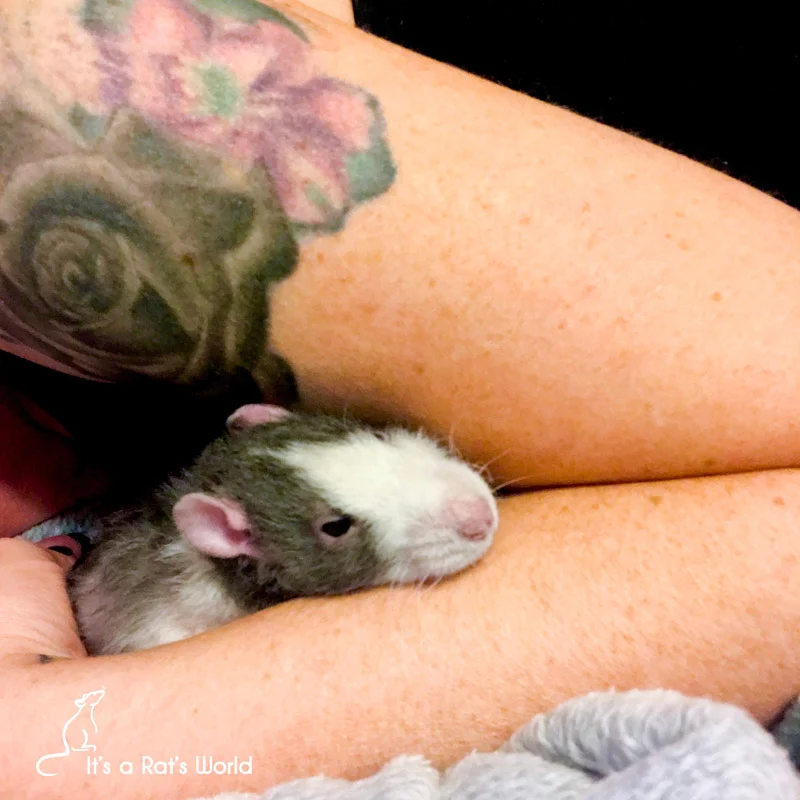
The absence of a deeply cherished animal companion can leave a profound void, a sentiment echoed by Brandi Saxton of "It’s A Rat’s World." For Saxton, this current "ratless" period marks an unusual hiatus in a lifelong journey of animal companionship, one where rats have occupied a uniquely significant space in her heart. While acknowledging the presence of two dogs and a cat in her household, Saxton emphasizes that these companions, while loved, do not fulfill the specific emotional connection she experienced with rats. This article delves into the intricacies of forming and nurturing these profound bonds with pet rats, exploring the psychological underpinnings of trust, personality variations, and the consistent efforts required to foster a deep connection.
The Unique Appeal of Rat Companionship
Before rats became a central part of her identity as a pet owner, Saxton shared her life with a variety of animals. However, she states unequivocally that rats offered a connection unlike any other, with ferrets coming in as a close second. The most cherished aspects of her rat ownership were the myriad of everyday moments shared. These included intimate snuggles on the couch during movie nights, the tender gestures of "rattie kisses," and communal grooming sessions on her hands. The sheer delight of rats rushing to their cage doors, their excited "dancing" upon her arrival, and the comical displays of jealousy over attention, with one rat nudging another aside for coveted head scratches, painted a vivid picture of their social intelligence and affection. Rats often stretched out contentedly in her lap or beside her as she worked, their presence a comforting constant. These seemingly simple, yet deeply meaningful interactions, were exclusive to her and her rats, a relationship where she was consistently their favored human.
Navigating the Early Stages: Building Trust and Overcoming Fear
For new rat owners or those contemplating bringing these intelligent rodents into their homes, the ultimate aspiration is to achieve a similar level of closeness. Saxton posits that this deep connection is essential to truly appreciate these animals to their fullest potential. However, the journey is not always straightforward. Some owners find themselves struggling to connect, particularly when their rats exhibit skittish or aloof behavior, showing little interest in interaction. This can lead to feelings of hopelessness, but Saxton assures that such challenges are not insurmountable; they merely necessitate a different approach.

A common hurdle for novice rat guardians is the initial timidity or jumpiness of their new pets. This behavior can, understandably, trigger a fear of being bitten. However, Saxton explains that most rats require time to acclimate to their new environment. For rats who may have experienced past trauma, the adjustment period can be extended, demanding extra patience and dedicated effort. Without a clear understanding of how to support their adjustment, these animals may become even more withdrawn and fearful. Saxton’s article, "Helping A Scared Pet Rat," offers guidance on recognizing fear in rats, understanding its potential causes, and systematically earning their trust.
Distinguishing Trust from True Bonding
It is crucial to understand the distinction between earning a rat’s trust and forging a genuine bond. While trust is a prerequisite for bonding, they are not synonymous. For a rat, trust signifies a belief that their human is not a threat. A bond, on the other hand, involves a mutual desire for companionship and a deeper, reciprocal connection.
A rat’s inherent personality and its past life experiences significantly influence the development of this connection. When a rat feels insecure or is operating in a state of self-preservation, its primary focus remains on safety, making it challenging to form a loving attachment. However, as a rat begins to feel secure and at ease, it starts to recognize and appreciate the value of spending time with its human companions. This shift marks the beginning of a deeper relational dynamic.
Understanding the Spectrum of Rat Personalities
Rats exhibit a diverse range of personalities, influencing the ease with which they form bonds.
-
Extroverted Rats: Brave and extroverted rats are typically the easiest to bond with. They readily adapt to new environments and people, even from a young age. Saxton notes that within a group of rats, there was almost always at least one extrovert who displayed immediate trust and affection, often demanding to be held and exploring their owner within moments of meeting. This suggests an innate willingness to connect, almost predating any established reason for trust.
-
Apprehensive Rats: At the other end of the spectrum are rats that are deeply frightened or apprehensive, viewing humans, including their owners, as potential predators. Establishing a connection with these rats requires first breaking through this ingrained barrier. While some may never fully overcome their innate sense of danger, achieving recognition and acceptance as a caregiver represents a significant milestone. The depth of the relationship that follows is contingent on the rat’s individual capacity and the consistent effort invested by the owner.
-
The Majority: Most rats fall somewhere between these two extremes. They may initially appear nervous, but with consistent daily interaction, they generally begin to feel safe and open up.
The Cornerstone of Connection: Quality Time
The most critical element in building a relationship with a rat is consistent and dedicated time spent together. This involves being a constant, reassuring presence, speaking to them, petting them, holding them, and engaging in play. This unwavering commitment is indispensable for establishing a genuine connection and for learning each rat’s unique characteristics.

Integrating rats into daily life can be highly beneficial. Keeping their enclosure in a room where the owner spends most of their time allows the rats to become accustomed to the owner’s voice and scent, weaving the human into their daily routine.
Furthermore, allowing rats out of their cage for at least one to two hours daily is essential. Beyond the need for physical exercise and freedom of movement, this time is crucial for quality interaction. This can occur on a couch, bed, or within a safely rat-proofed room. Dedicated cuddling time, whether while watching a movie, reading, or listening to music, provides an opportunity for deep connection. Owners are encouraged to observe how their rats prefer to be held and petted, identifying any specific spots they particularly enjoy.
Specialized accessories like bonding pouches and rat-sized blankets can be invaluable, especially for skittish rats. Rats have a natural inclination to burrow, and providing a secure space within their owner’s arms encourages them to snuggle closer, fostering a sense of safety and intimacy.
Even when rats are in their cage, regular vocal interaction is beneficial. This helps them become familiar with the owner’s voice while allowing them to remain in their comfort zone. Avoiding constant, abrupt removal from the cage can reduce their apprehension during subsequent interactions. Scientific evidence suggests that the act of petting an animal can trigger the release of endorphins, stress-relieving brain chemicals, in both the pet and the human. Gentle stroking of their back or head while conversing can initiate this positive physiological response.
For those encountering resistance or finding interaction difficult, Saxton recommends her article, "Honoring Your Rat’s Personal Space." This resource emphasizes that each rat has unique boundaries, and respecting these limits is paramount to successful bonding.
Leveraging the Power of Food and Treats
Food serves as one of the most effective tools for trust training and bonding. Saxton humorously reflects that the enthusiastic "happy dances" her rats performed upon her approach might have been as much about anticipated treats as about her presence. Regardless, their excitement was always a source of amusement.
Making mealtimes a significant event helps rats quickly associate their owner with the provision of food, thereby earning their favor. Selecting a healthy snack that the rats particularly enjoy and consistently announcing its arrival with a specific phrase or tone can train them to associate this cue with positive feelings. Saxton’s own signal, "Treats, Treats, Treats!" delivered in an ascending pitch, was so effective that it could rouse even the deepest sleepers from their slumber, prompting them to rush to the cage door. This enthusiastic response, even from previously standoffish rats who disliked being held, signaled significant progress in her bonding efforts. Witnessing nervous or introverted rats join the "stampede" for treats was a clear indicator of developing trust and a burgeoning connection.
Expanding the Bond: Enrichment and Shared Experiences
Taking the rat-owner friendship to the next level can involve teaching them tricks or creating mazes. While Saxton admits limited personal experience in these areas, she acknowledges their potential for deep engagement and unique personality exploration.
Similarly, traveling with rats can significantly strengthen the bond. Saxton recounts that road trips with her rats consistently resulted in a stronger connection, with them often becoming more cuddly upon their return. The experience of being outside their usual environment, she believes, demonstrated to her rats the extent of their trust in her.
Setting Realistic Expectations for Every Unique Rat
It is important to recognize that the bond formed with each rat is distinct. Some connections develop effortlessly, while others may seem challenging. Regardless of a rat’s individual disposition, maintaining a thriving relationship requires ongoing effort from the owner. Saxton advises against comparing one’s rats to those showcased on social media or becoming discouraged by a less responsive rat; each rat possesses its own unique personality.
The spectrum of bonds Saxton has experienced ranges from "soulmate" status to a more pragmatic "you’re the human I dislike the least, so I’m willing to tolerate you." Even a bond built on mere toleration felt special, a testament to the hurdles overcome to achieve it. The honor of a frightened rat finally lowering its guard and accepting an owner’s presence in its life is a profound reward.
Ultimately, every rat is deemed "worth the endeavor." The enduring legacy of a beloved pet lies not just in its memory, but in the unique bond shared and the special moments that emanate from it, which will forever reside in the owner’s heart.

