


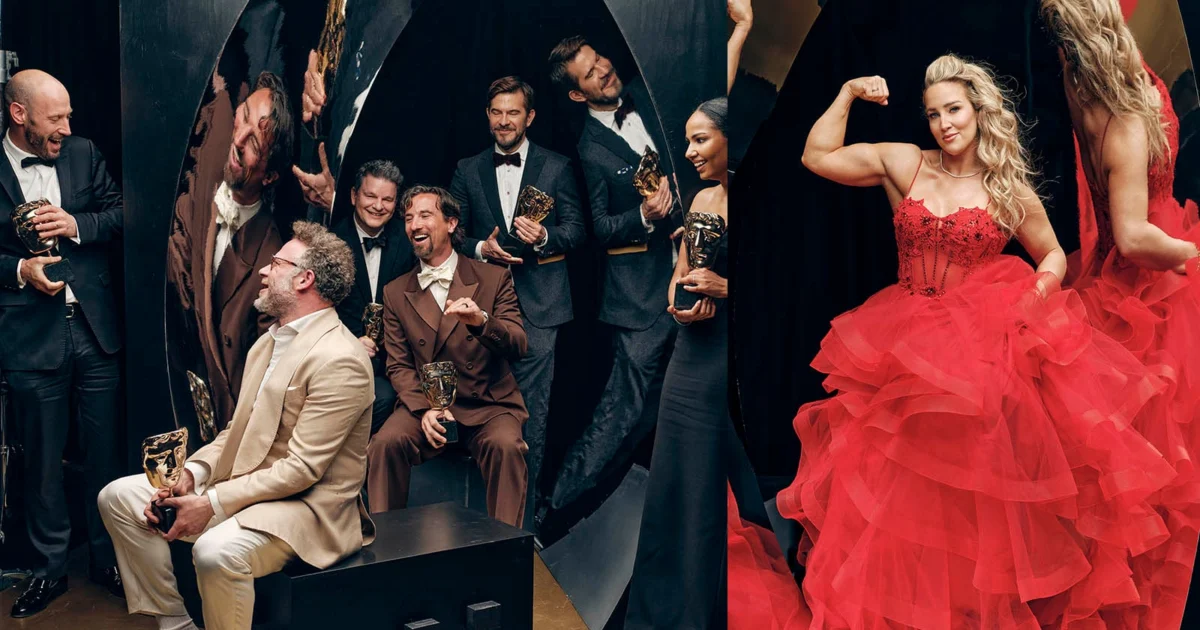
The 2026 BAFTA Television Awards, held at the historic Royal Festival Hall in London, served as more than just a celebration of the year’s most significant achievements in British and international broadcasting. Beyond the red carpet and the televised ceremony, a highly specialized operation took place within the confines of the official BAFTA portrait studio. This year, the task of capturing the visual legacy of the winners and nominees was entrusted to the London-based portrait photographer Sane Seven and her creative partner, Marius Seven. The resulting body of work offers a stark contrast between the serene, polished aesthetics of the final images and the high-velocity, chaotic environment in which they were produced.
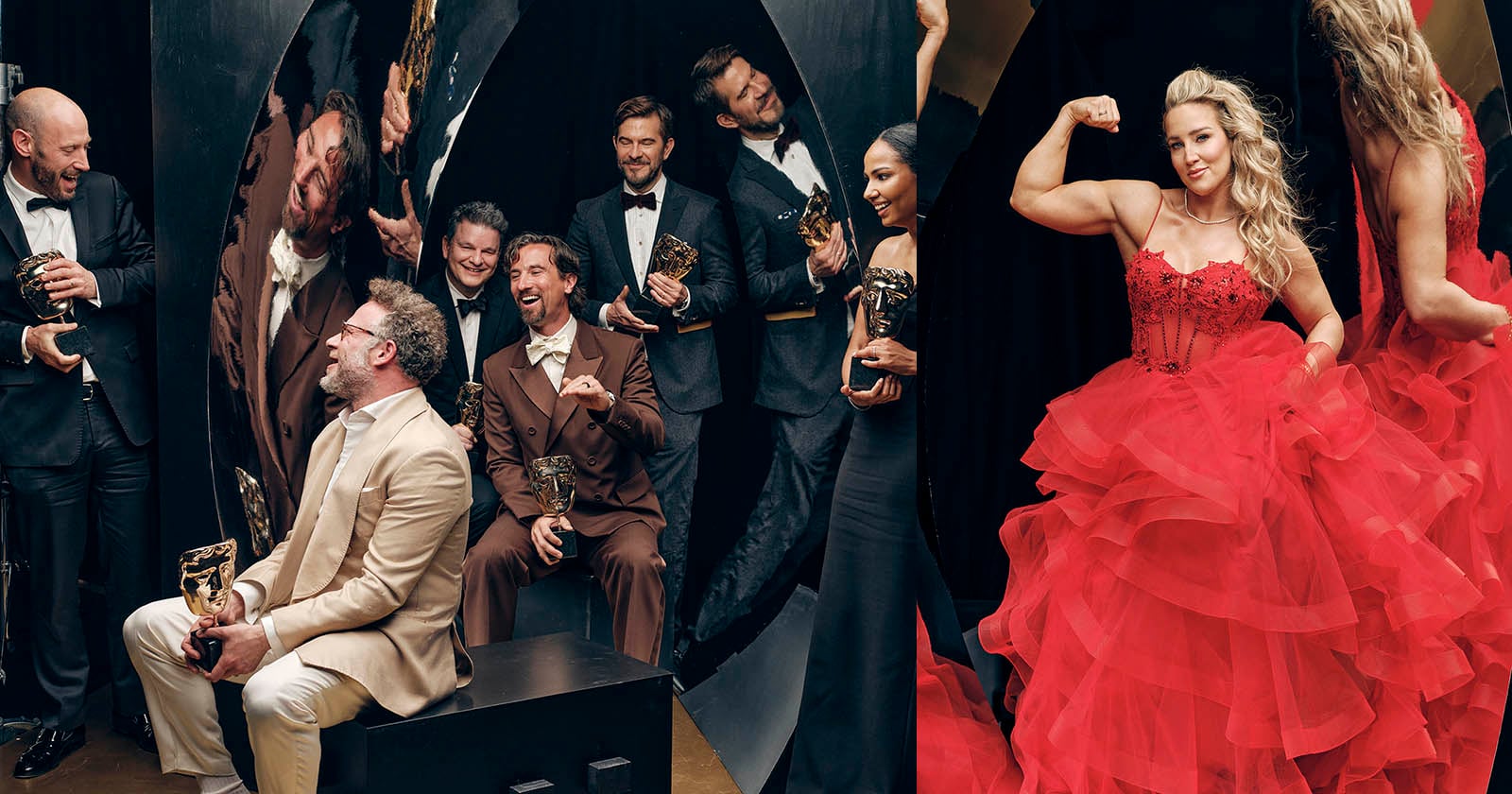
The portrait room at a major awards ceremony like the BAFTAs is a rare professional environment that blends elements of editorial photography, live event coverage, and high-stakes celebrity management. Unlike a traditional studio session, which may last several hours and allow for extensive rapport-building, the BAFTA portrait studio operates at what Sane Seven describes as "the speed of live television." This environment requires a specialized "machine" capable of producing high-art portraits under conditions that many photographers would find impossible to navigate.
The Temporal Constraints of Award Show Photography
One of the most significant challenges facing the photography team at the 2026 BAFTA TV Awards was the extreme limitation of time. In a professional landscape where a standard editorial cover shoot might afford a photographer half a day with a subject, the portrait studio at the Royal Festival Hall functioned on a timeline measured in seconds. Subjects—often accompanied by a retinue of publicists, BAFTA officials, and competing media crews—frequently spend less than sixty seconds in front of the lens.
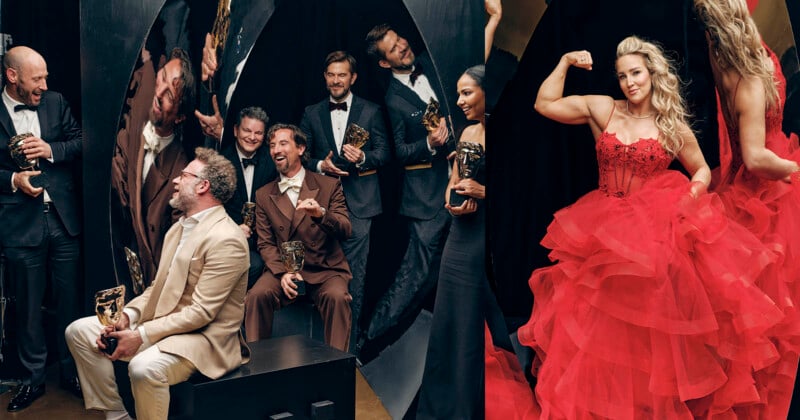
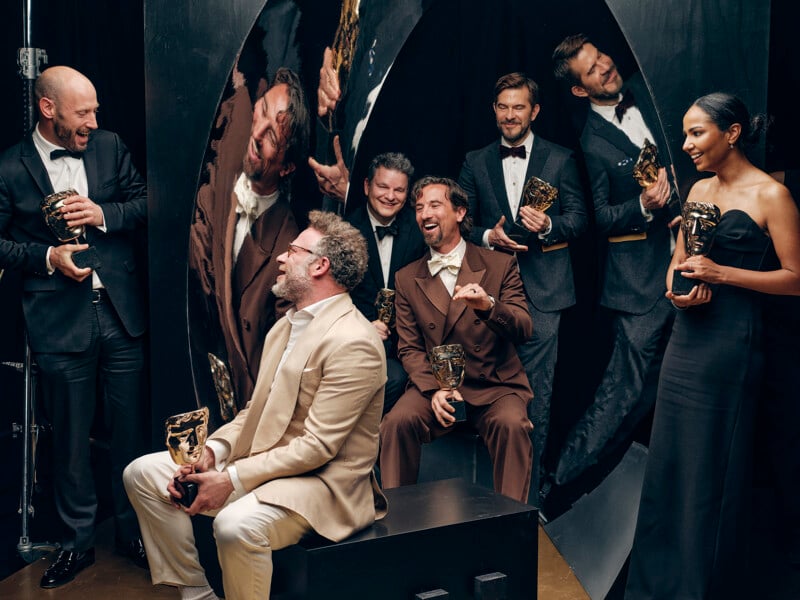
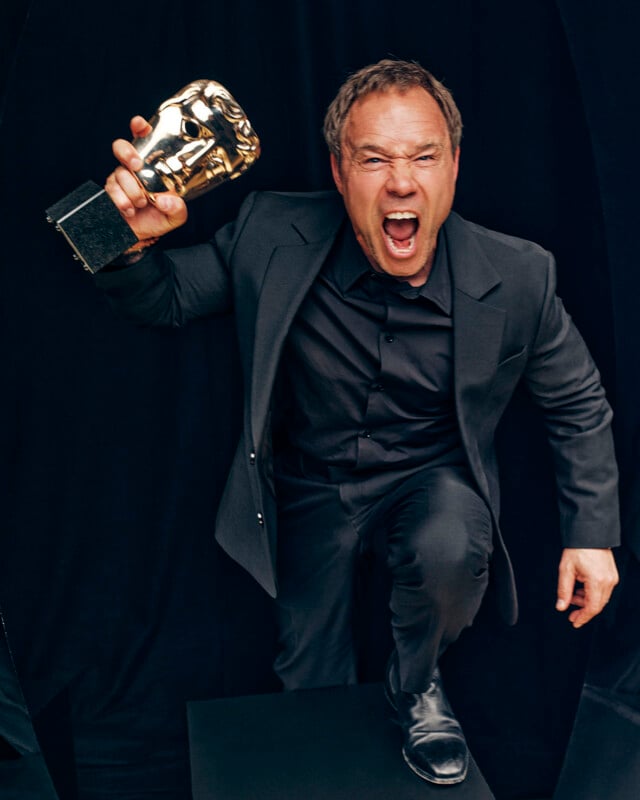
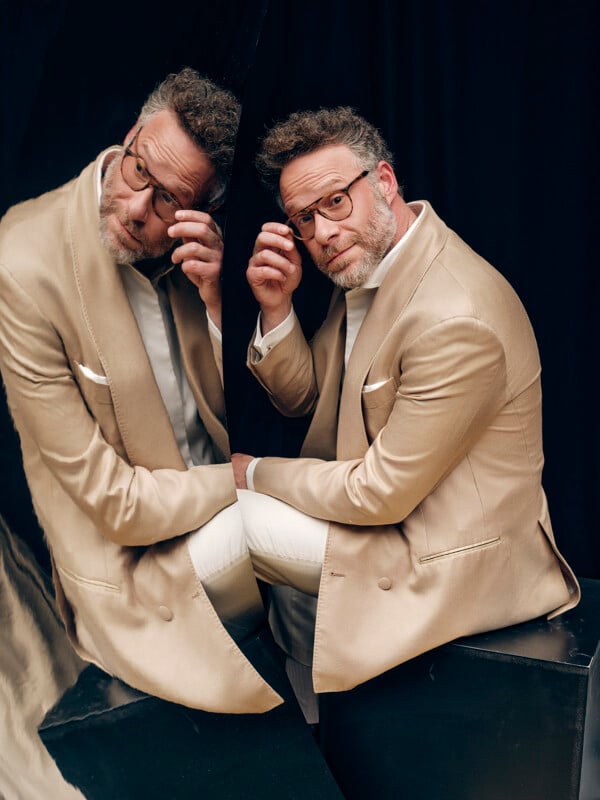
The workflow is dictated by the rhythm of the ceremony itself. As winners are announced on stage, they are immediately funneled through a series of press stations, with the portrait studio serving as a critical stop. The arrival of high-profile sitters is often unpredictable. The 2026 session saw a rapid succession of talent, including Stephen Graham, fresh from his Lead Actor win, followed by Seth Rogen and the production team of The Studio, and unexpected appearances by international stars such as Awkwafina and Adam Scott.
The atmosphere is characterized by a literal countdown. Crew members often signal the remaining time: "thirty seconds," "ten seconds," "last shot." This pressure eliminates the possibility of traditional creative exploration. Instead, the photographer must arrive with a fully realized vision while maintaining the flexibility to abandon it instantly if the subject’s energy or physical presence demands a different approach.
Conceptual Design: The Use of Distorted Mirrors
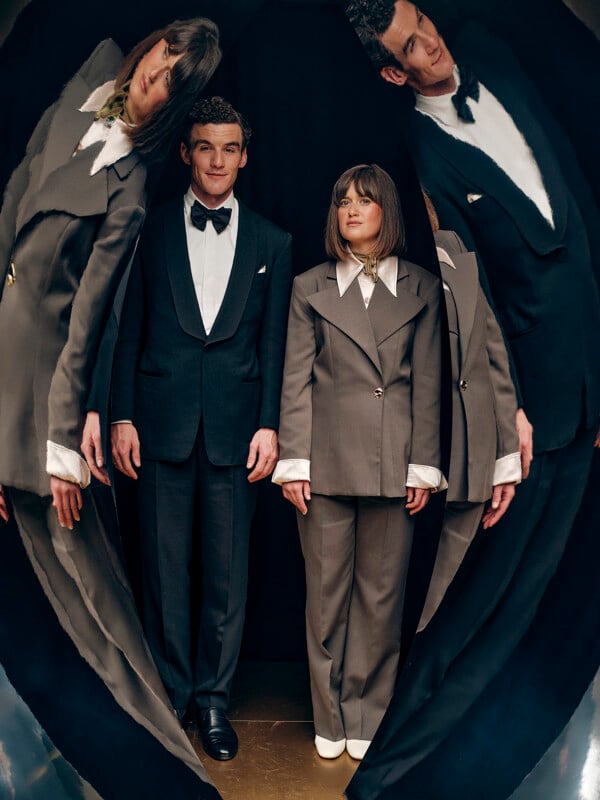
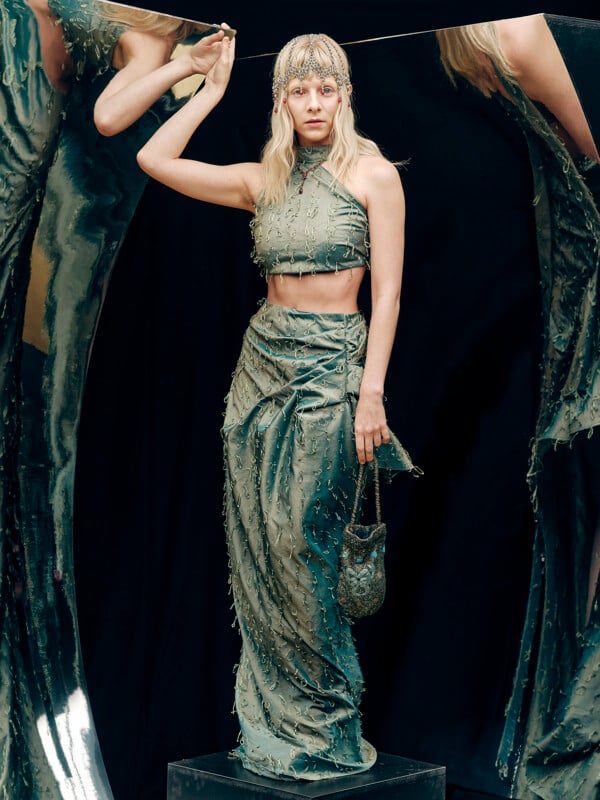
For the 2026 installation, Sane Seven and Marius Seven moved away from traditional backdrops, opting instead for a set design centered around large, bent mirrors. This choice was both aesthetic and metaphorical. Given that television actors spend their careers navigating the boundaries between their public identities, private selves, and the various characters they portray, the fragmented and distorted reflections provided a visual representation of this multifaceted existence.
From a technical perspective, however, the use of mirrors introduced significant complexity. Mirrors are notoriously difficult to manage in a studio setting, as they tend to reveal the "seams" of the production—crew members, lighting stands, cables, and the structural elements of the ceiling. The use of curved or bent mirrors compounded these issues, as even a minor shift in the subject’s position could radically alter the composition and reflection.
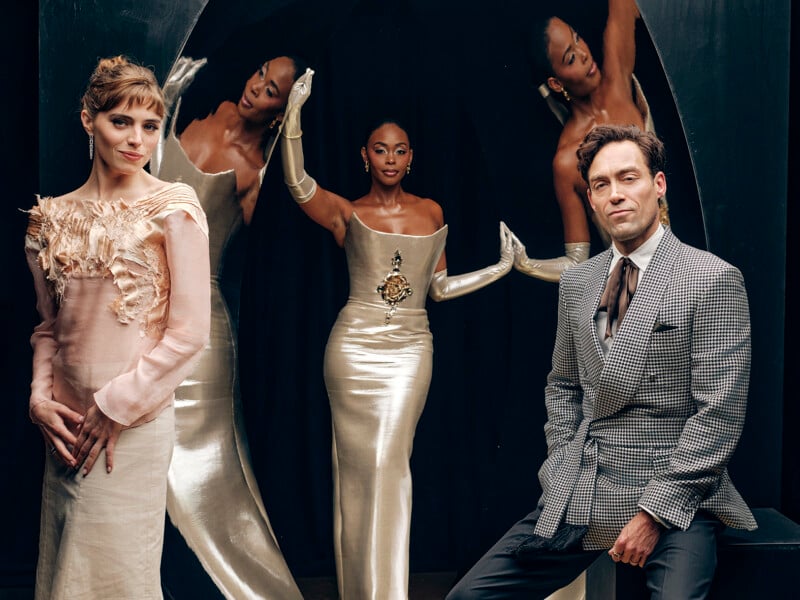
To mitigate these challenges, the set was engineered to be "resilient." It had to accommodate a wide variety of subjects, from solo winners to large production ensembles, while ensuring that the lighting remained consistent and the "off-camera" chaos remained invisible. The design was not merely a decorative choice but a functional tool that allowed the team to maintain a high standard of output despite the lack of time for fine-tuning.
The Psychology of the Sitter and Direction Techniques
A critical aspect of the portrait studio’s success lies in the photographer’s ability to manage the emotional state of the subjects. Winning a BAFTA is often one of the most significant moments in an artist’s career, and sitters enter the room in various states of emotional intensity—ranging from euphoria and exhaustion to overwhelming shock.
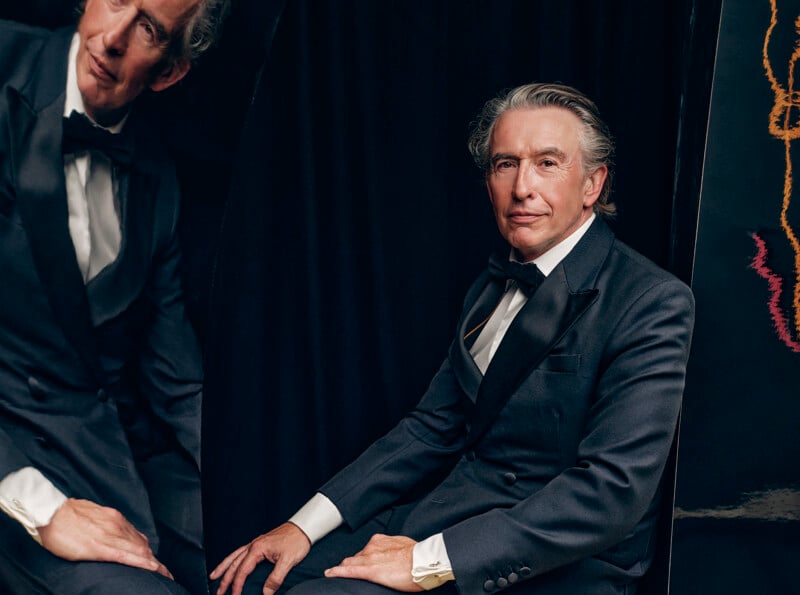
A common misconception in celebrity photography is that high status equates to high confidence in front of a camera. Sane Seven noted that even the most seasoned performers often look to the photographer for explicit direction, asking, "What do you want me to do?" In this context, the photographer’s role shifts from an artist to a director. Vague instructions or an apologetic demeanor can lead to a loss of trust, while over-direction can stifle the spontaneity of the moment.
The direction must be physical, fast, and authoritative. There is no room for the nuanced dialogue typical of a standard portrait session. Every word must serve a purpose. This was particularly evident in the handling of group portraits, which are prone to becoming visually "flat" or resembling amateur family photos. To counter this, the team utilized sculptural boxes to create varying levels of height and hierarchy, allowing for a more dynamic and energetic composition within the frame.
The Stephen Graham Case Study: Capturing the Spontaneous
One of the standout moments of the 2026 ceremony involved actor Stephen Graham. Initially, the team began with a series of controlled, understated portraits, assuming the actor might prefer a more "civilized" approach. However, the energy shifted abruptly when Graham, holding his BAFTA, broke into a spontaneous celebration.
Reflecting on his Liverpool roots—a background shared by Sane Seven—Graham discarded the formal posing, shouting, "I’ve just won a f***ing cup! It’s too civilized!" and roaring for the camera. This moment highlighted a fundamental truth of award show photography: while technical preparation is essential, the most impactful frames often occur outside of the established plan. The photographer’s primary duty in these instances is to ensure the technical infrastructure—focus, exposure, and lighting—is robust enough to catch the moment without hesitation.
Background Context: The Prestige of the BAFTA TV Awards
The British Academy of Film and Television Arts (BAFTA) has been a cornerstone of the global entertainment industry since its founding in 1947. The Television Awards, specifically, were established in 1955 to recognize excellence in the medium. Winning a "Mask" is considered the highest honor in British television, comparable in prestige to the Emmy Awards in the United States.
The 2026 ceremony took place at the Royal Festival Hall, a venue within the Southbank Centre that has hosted the awards since 2023. The choice of venue reflects the scale of the event, which attracts millions of viewers worldwide via broadcast and social media. The official portraits produced in the studio are a key component of the event’s global footprint, serving as the primary visual record for news outlets, archival documentation, and social media engagement.
Analysis of Implications: The Evolution of Award Show Imagery
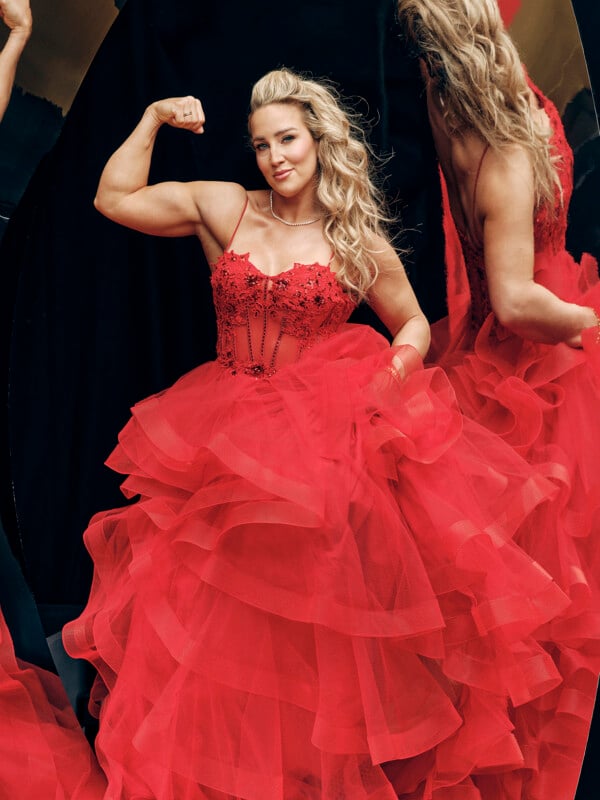
The work of Sane Seven at the 2026 BAFTAs represents a broader trend in the evolution of awards ceremony coverage. Historically, documentation of winners was limited to "step-and-repeat" photography on the red carpet or "trophy room" shots characterized by flat lighting and static poses.
In recent years, major organizations like BAFTA, the Academy (Oscars), and the Golden Globes have invested in high-concept portrait studios to elevate their visual branding. These portraits are no longer just records of an event; they are editorial-grade artworks that contribute to the "myth-making" of the industry. By bringing high-fashion aesthetics and conceptual set design into the backstage environment, BAFTA ensures that its winners are immortalized in a way that reflects the prestige of the award itself.
Furthermore, the rapid dissemination of these images on platforms like Instagram and TikTok has changed the way the public consumes award show content. The "first look" at a winner, captured in a high-art studio setting within minutes of their victory, provides a level of intimacy and quality that traditional press photography cannot match.
Conclusion: The Reality Behind the Curtain
The portraits from the 2026 BAFTA TV Awards are the result of a delicate balance between technical precision and instinctive artistry. While the public sees a collection of calm, powerful images of the industry’s most recognizable faces, the reality of the portrait room is one of brutal speed and technical complexity.
The success of the session was predicated on the ability of Sane Seven and her team to "absorb" the technical uncertainties before the first subject walked through the door. By creating a resilient environment—incorporating sculptural elements for group shots and using a "test frame" strategy to build instant trust with sitters—the team was able to capture the raw emotion of the night. In the high-pressure world of award show photography, the goal is not merely to take a picture, but to create a definitive image that stands the test of time, all within the span of a single minute.

