


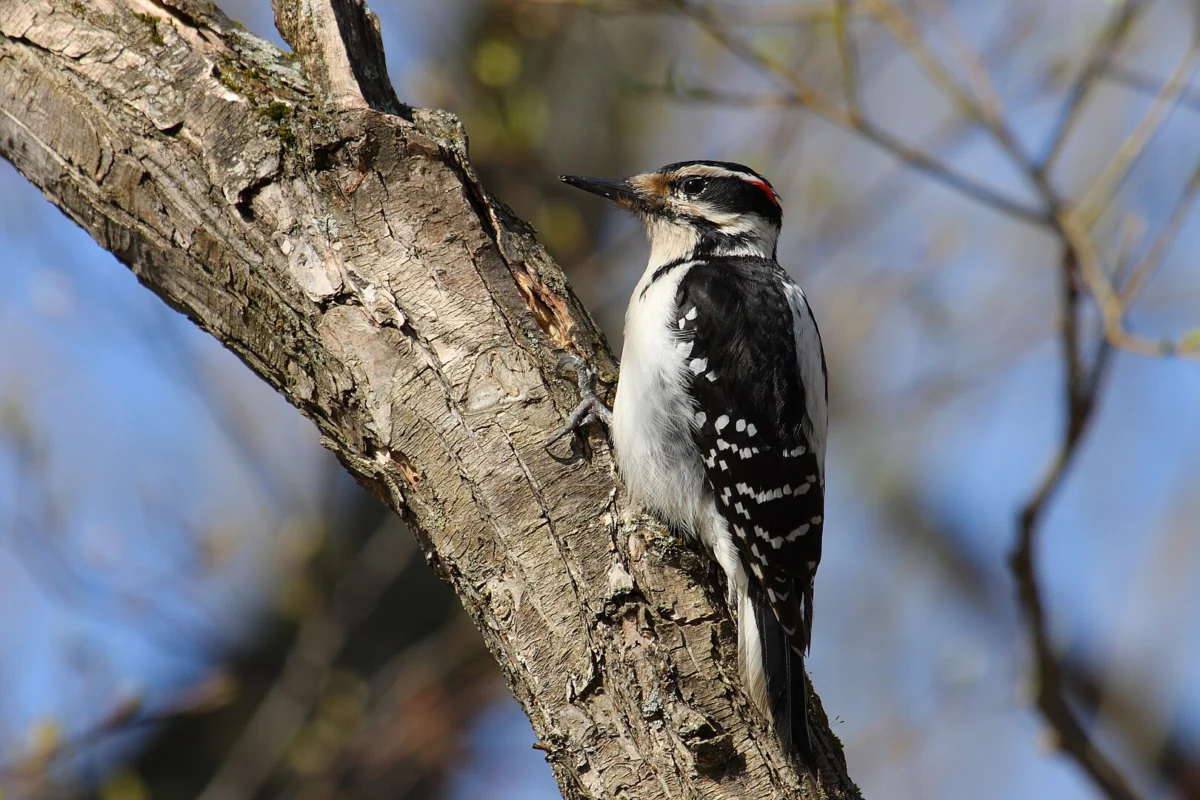
Maryland, a state recognized for its commitment to environmental stewardship, ranking as the fifth greenest state, provides a rich tapestry of habitats that support a remarkable diversity of woodpecker species. These energetic and often vibrantly colored birds, numbering eight distinct species within the Old Line State, are an integral part of the region’s ecological health, playing vital roles in forest ecosystems through their foraging and nesting habits. From the deep woods to suburban backyards, these fascinating avian architects contribute to the natural symphony of Maryland’s landscapes.
The presence of such a varied woodpecker population is a testament to Maryland’s successful conservation efforts and its abundant forested areas and wetlands. These environments offer the critical resources woodpeckers need: mature trees for nesting cavities, a varied diet of insects and other small prey, and the specific conditions required for breeding and survival. Understanding the unique characteristics, habitats, and behaviors of each species provides valuable insight into the health of Maryland’s natural environments and the intricate web of life they support.
The Intricate World of Maryland’s Woodpeckers
Maryland is home to eight distinct species of woodpeckers, each with its own ecological niche and behavioral patterns. These birds primarily inhabit the state’s extensive forested regions and wetland areas, where they excavate nests, forage for food, and contribute to the overall health of the ecosystem. The species found in Maryland include the Red-Cockaded Woodpecker, the Yellow-Bellied Sapsucker, the Hairy Woodpecker, the Pileated Woodpecker, the Northern Flicker, the Red-Bellied Woodpecker, the Downy Woodpecker, and the Red-headed Woodpecker.
1. The Red-Cockaded Woodpecker: A Pine Forest Specialist
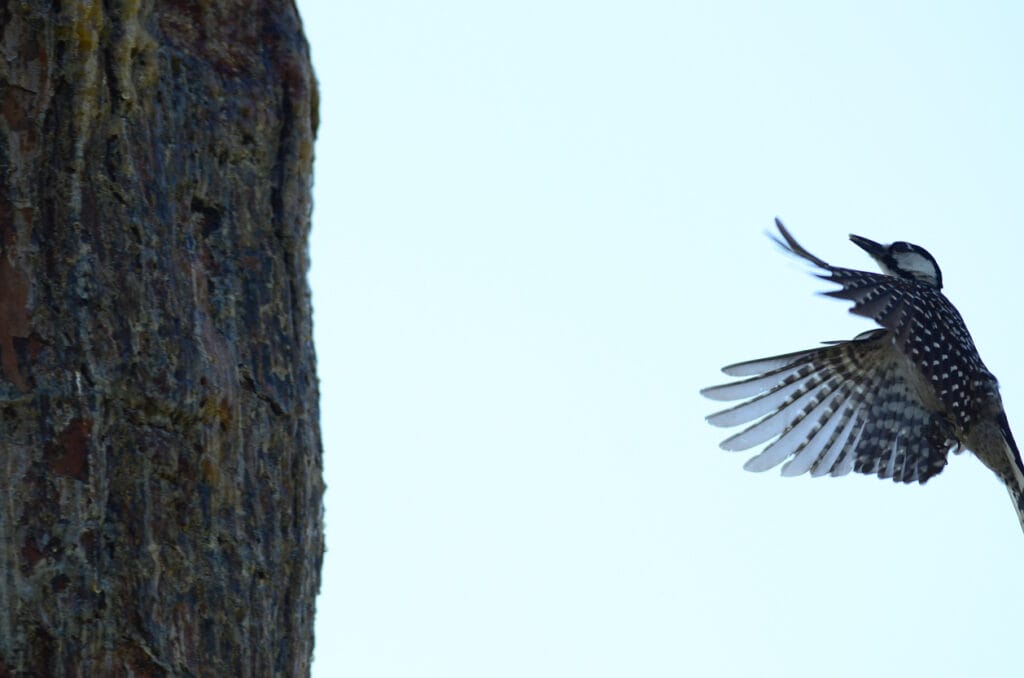
The Red-Cockaded Woodpecker (Picoides borealis) is a species of significant conservation concern, and its presence in Maryland, though limited, highlights the importance of mature pine ecosystems. This small to medium-sized woodpecker is uniquely adapted to living in mature pine forests, particularly those dominated by longleaf pines. Its name derives from a subtle, rarely visible red streak, or "cockade," on the side of the male’s cap.
Plumage and Identification: The Red-Cockaded Woodpecker exhibits a striking black and white barred pattern on its back and wings. Its head is predominantly black with distinctive white cheek patches. Males possess a small red spot on each side of the crown, often difficult to spot in the field.
Habitat and Nesting: The defining characteristic of this species’ habitat preference is its reliance on living, mature pine trees, especially longleaf pines. They excavate their nesting cavities in these trees, a process made significantly easier by a naturally occurring fungus called Red Heart Fungus (Phellinus pini). This fungus softens the heartwood of the tree, allowing the woodpeckers to create their homes with less effort. The cavities are crucial for nesting and roosting, providing shelter and protection from predators.
Diet: The diet of the Red-Cockaded Woodpecker consists primarily of insects, including ants, beetles, cockroaches, and spiders. They also consume pine seeds and other plant matter, especially during seasons when insect availability is lower. Their foraging behavior involves probing bark and excavating small holes in trees to find prey.
Conservation Status and Implications: The Red-Cockaded Woodpecker is listed as endangered under the U.S. Endangered Species Act. Habitat loss and fragmentation, primarily due to changes in forestry practices that have reduced the prevalence of mature pine forests and the natural occurrence of fire, have led to drastic population declines. Conservation efforts focus on restoring these specific pine ecosystems, managing fire regimes, and protecting existing populations. In Maryland, their presence is tied to specific remaining pine habitats, making their conservation a priority for state wildlife agencies and conservation organizations.
2. The Yellow-Bellied Sapsucker: A Delicate Sap Feeder
The Yellow-Bellied Sapsucker (Sphyrapicus varius) is a migratory species that visits Maryland during its migration and wintering periods. Unlike many woodpeckers that primarily focus on insects within tree bark, sapsuckers have a unique feeding strategy centered around tree sap.
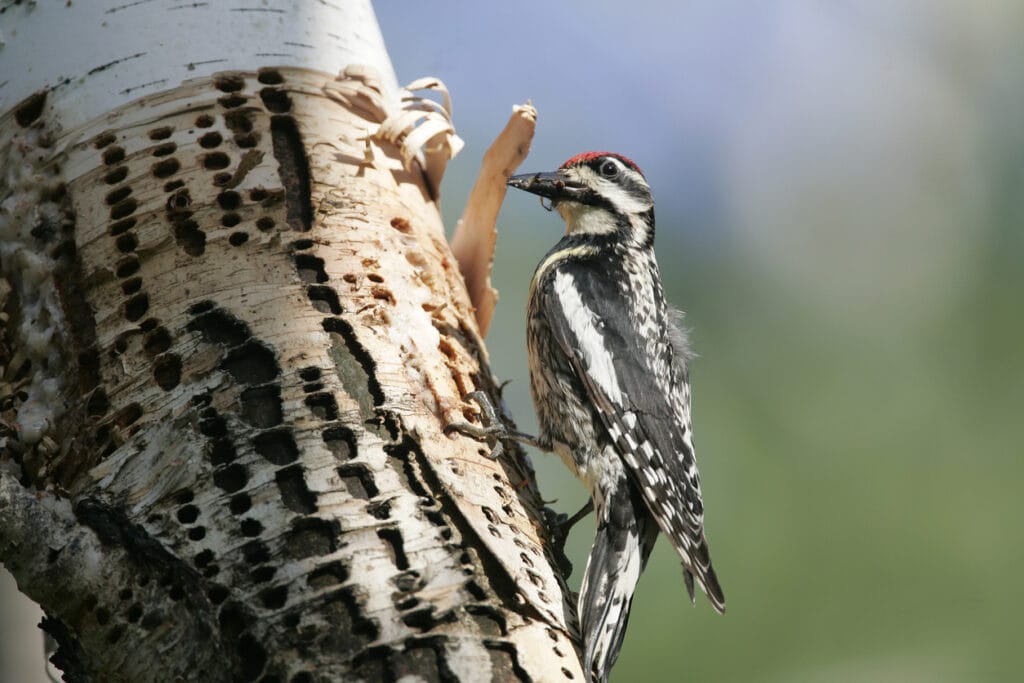
Plumage and Identification: Despite their name, Yellow-Bellied Sapsuckers are primarily black and white, with distinctive yellow washes on their undersides and a bright red forehead. Males are further distinguished by a red throat, while females have a white throat. They are relatively small, robin-sized birds with long wings and short bills.
Habitat and Nesting: During their time in Maryland, Yellow-Bellied Sapsuckers favor deciduous and mixed forests. They are often found in areas with a variety of hardwood trees, as these provide the sap they depend on. Their nesting habits involve excavating cavities, typically in dead or dying trees, often in softer woods like birch or maple.
Diet and Unique Feeding Behavior: The sapsucker’s diet is a fascinating combination of tree sap and the insects that are attracted to it. They drill precise, small, horizontal rows of holes, or "wells," in the bark of trees. These wells exude sap, which the woodpecker laps up with its brush-like tongue. This sap is a vital source of energy and nutrients, especially during migration. They also consume insects, spiders, and fruits that are drawn to the sap. This feeding method requires frequent maintenance of their wells to ensure a continuous flow of sap.
Migration and Presence: Yellow-Bellied Sapsuckers are not year-round residents in Maryland. They breed in northern forests and migrate south for the winter. Their presence in Maryland is most notable during the spring and fall migration seasons, and they can be found overwintering in the state, particularly in areas with suitable food sources.
3. The Hairy Woodpecker: A Forest Dweller
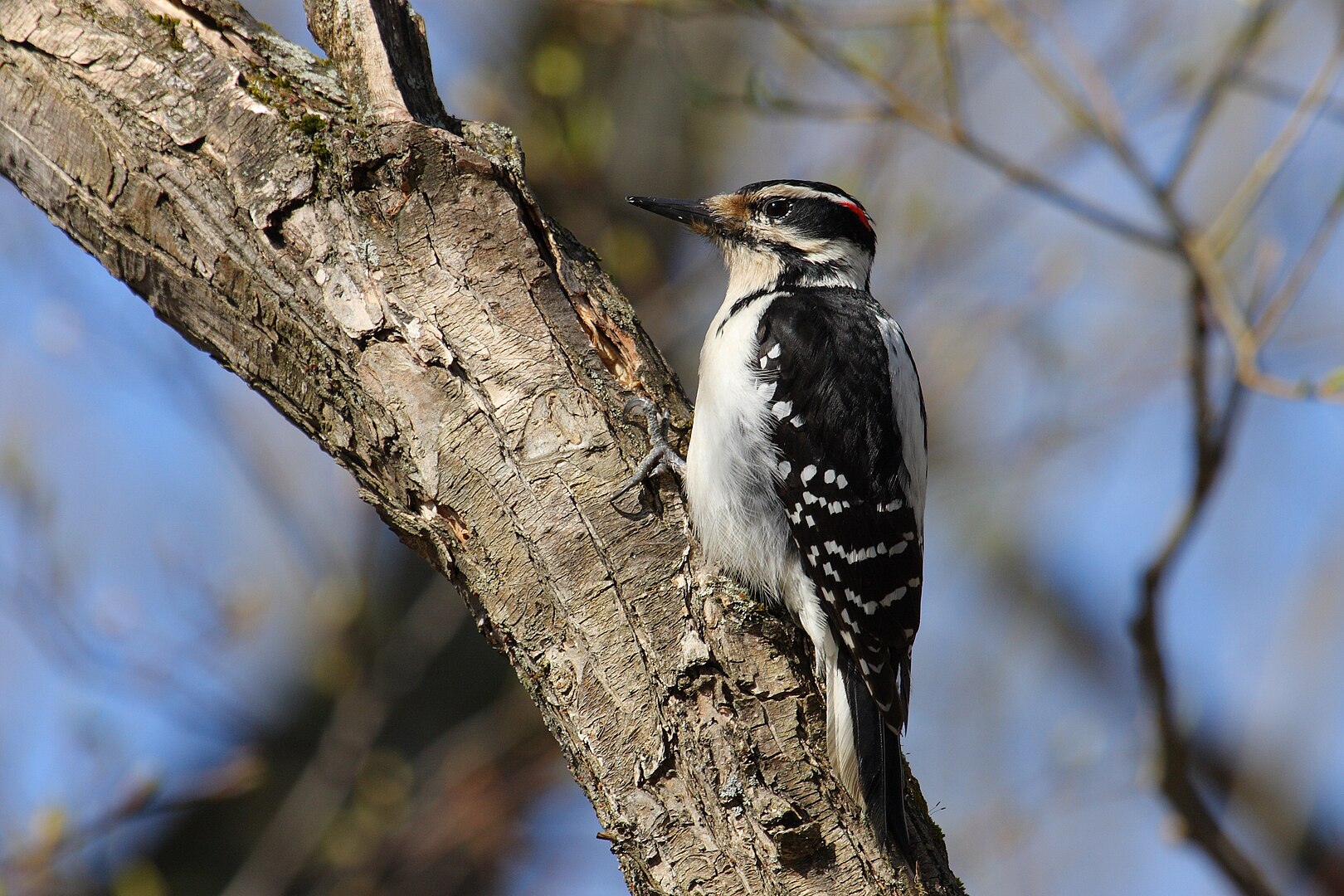
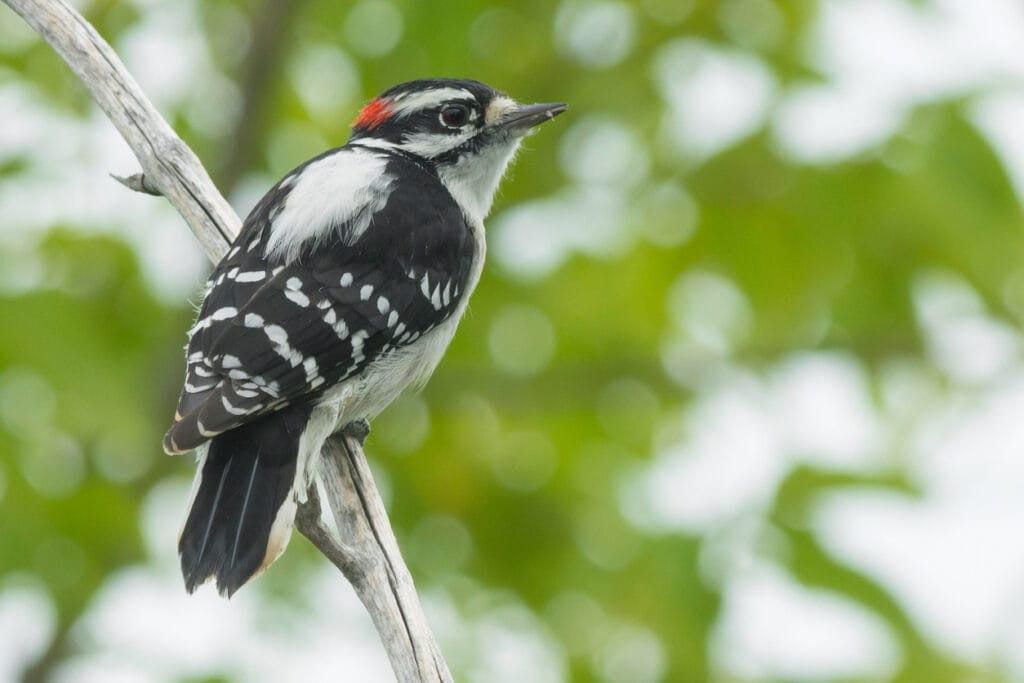
The Hairy Woodpecker (Dryocopus pileatus) is a medium-sized woodpecker commonly found in Maryland’s mature forests. It shares a striking resemblance to its smaller cousin, the Downy Woodpecker, making accurate identification a common challenge for birdwatchers.
Plumage and Identification: Hairy Woodpeckers are characterized by their bold black and white plumage. They have a prominent white stripe running down their back, black wings with white barring, and a white underside. Adult males sport a distinctive red streak at the back of their heads. Their most distinguishing feature, compared to the Downy Woodpecker, is their significantly larger, sturdier, chisel-like bill.
Habitat and Distribution: These woodpeckers prefer fully mature forests, but they are adaptable and can also be found in swamps, urban parks, orchards, suburban backyards, and even cemeteries, provided there are sufficient trees. Their presence indicates a healthy forest structure with ample foraging opportunities.
Diet and Foraging: The Hairy Woodpecker’s diet consists primarily of wood-boring insects, such as bark beetle larvae and ants. They also consume spiders, millipedes, pupae, bees, and caterpillars. Their powerful bills are adept at excavating deeper into wood to extract their prey. They often forage on tall trees, searching for insects or feeding on sap left behind by other species in existing holes.
Vocalizations and Behavior: Hairy Woodpeckers are known for their explosive, loud calls, often described as a powerful whinnying sound. Their drumming is also strong and resonant. They are generally solitary birds, though they may be seen in pairs during the breeding season. They nest in cavities excavated in dead trees or dead limbs of living trees, typically laying 3 to 6 eggs.
4. The Pileated Woodpecker: A Majestic Forest Giant
The Pileated Woodpecker (Dryocopus pileatus) is the largest woodpecker species in Maryland and North America, rivaling the size of a crow. Its impressive stature and distinctive appearance make it one of the most recognizable and awe-inspiring birds in the state’s forests.
Plumage and Identification: The Pileated Woodpecker is undeniably striking. It boasts a predominantly black body with bold white stripes running down the sides of its neck and flanks. The most captivating feature is its large, bright red, triangular crest that adorns its head. Adult males also have an additional red streak on their cheeks. Their long, sharp bills are perfectly adapted for their robust foraging activities.
Habitat and Distribution: These magnificent birds are most commonly found in large, mature coniferous and mixed forests. However, their adaptability has allowed them to extend their range into areas bordering large cities and even suburban neighborhoods with mature tree cover. Their presence is a strong indicator of healthy, extensive woodland ecosystems.
Diet and Unique Excavation Habits: Carpenter ants form a significant portion of the Pileated Woodpecker’s diet. They are also known to consume berries, wild fruits, and nuts. Their foraging behavior is characterized by the distinctive, large, rectangular holes they excavate in trees. Contrary to popular belief, they often prefer drilling into dead trees or softer wood logs, which are more easily penetrated, rather than live, hard-wood trees. This behavior is crucial for their survival and for the decomposition process in forests.
Nesting and Reproduction: Pileated Woodpeckers create large cavities in dead trees for nesting. They typically excavate a new nest each year, laying between three and five white eggs. The sheer size of these cavities can also provide shelter for other wildlife after the woodpeckers have moved on.
Conservation and Ecological Role: While not facing the same critical endangerment as the Red-Cockaded Woodpecker, the Pileated Woodpecker’s reliance on large, mature forests makes it susceptible to habitat loss. Their presence is a positive sign for forest health, as their excavation activities create opportunities for other species and contribute to nutrient cycling.
5. The Northern Flicker: An Unconventional Woodpecker
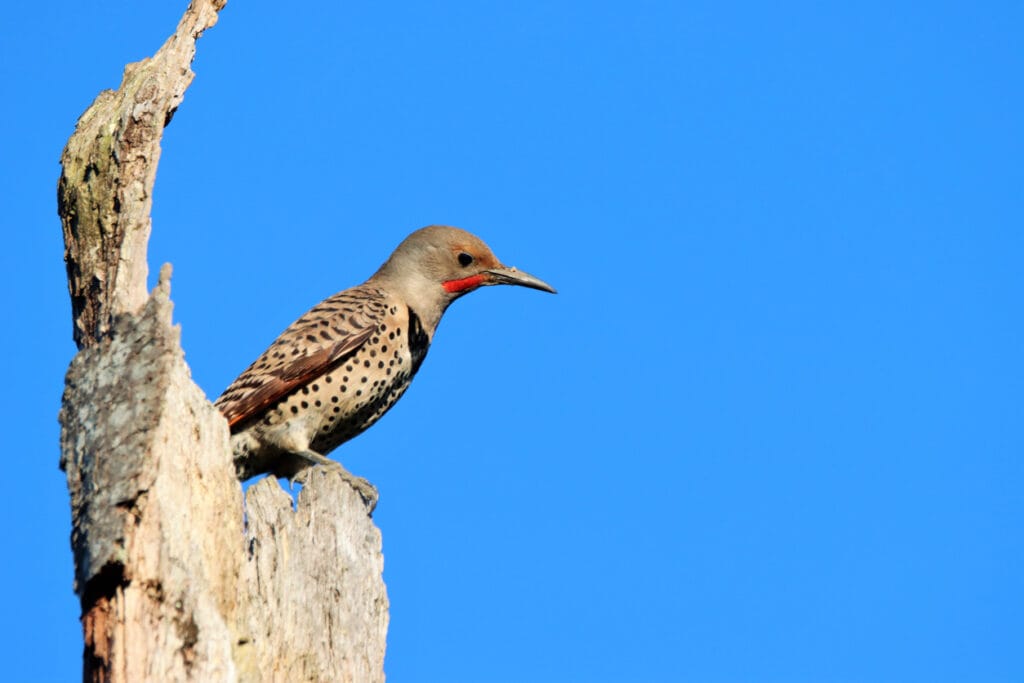
The Northern Flicker (Colaptes auratus) stands out among Maryland’s woodpecker population due to its unique plumage and its habit of foraging on the ground. This species is present in Maryland year-round, adding a consistent presence to the state’s avian landscape.
Plumage and Identification: Northern Flickers possess a distinctive gray and brown coloration, a departure from the typical black and white patterns of most woodpeckers. They are relatively large birds with round heads and large, curved bills. A notable feature is the dark, crescent-shaped streak on their breast, and bright yellow or orange streaks on their tails and wings, which create a flash of color during flight. Males have a prominent black malar stripe, or "mustache." They also feature a red patch on the nape of their neck and a white patch on their rump.
Habitat and Foraging Behavior: Northern Flickers are found in woodlands, particularly those with open fields and spaces, allowing for their ground-foraging habits. They are among the few woodpecker species that frequently forage on the ground, searching for ants and beetles. Their zygodactyl feet (two toes forward, two toes back) provide excellent grip for walking and climbing on tree trunks, but also enable them to scurry across the ground.
Diet and Nesting: Their diet is heavily influenced by their ground-foraging behavior, with ants and beetles forming a substantial part of their diet. They also consume fruits. Northern Flickers typically nest in tree cavities, which they excavate themselves, laying between five and eight white eggs.
Vocalizations: These woodpeckers are known for their repetitive, piercing calls and deep tree drumming. Their drumming is often described as resonant and prolonged, serving as a form of communication and territory advertisement.

6. The Red-Bellied Woodpecker: A Backyard Favorite
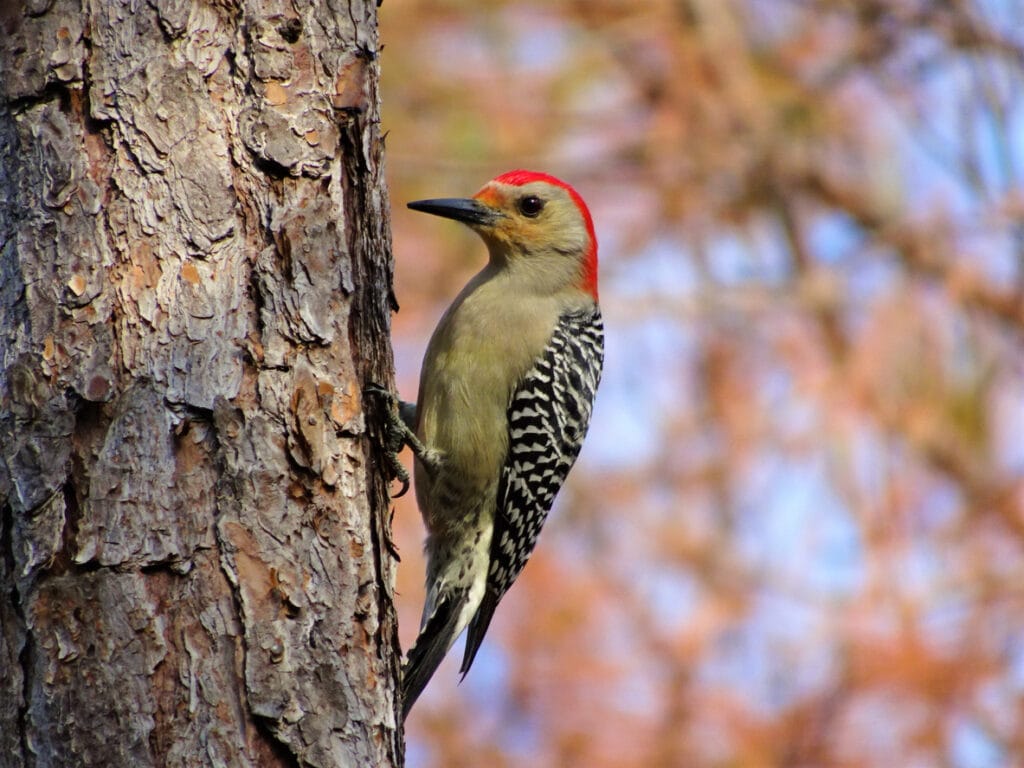
The Red-Bellied Woodpecker (Melanerpes carolinus) is a common and adaptable species that can be found in Maryland year-round, often gracing suburban backyards and bird feeders. Despite its name, the "red belly" is often subtle and difficult to discern.
Plumage and Identification: These woodpeckers exhibit a characteristic black and white barring pattern on their backs, similar to other species. However, their most prominent red coloration is found on their heads and napes. Adult males have red extending from their forehead to the nape, while females have red only on the nape. The subtle reddish or pinkish wash on their undersides gives them their name.
Habitat and Adaptability: Red-Bellied Woodpeckers are highly adaptable, thriving in both forested environments and human-modified landscapes like urban settings and suburban gardens. This adaptability makes them a frequently observed species for many residents.
Diet and Nesting Habits: Their diet is diverse, including insects, spiders, nuts, fruits, and seeds. This varied diet allows them to find sustenance in a range of environments. A unique aspect of their nesting behavior is their tendency to reuse the same nest site for many years. They excavate cavities in dead trees or limbs and lay four or five white eggs.
Vocalizations: Red-Bellied Woodpeckers are quite vocal, producing a variety of loud sounds, including trills and chuckles. They also engage in loud, deep drumming on trees, which serves communicative purposes.
7. The Downy Woodpecker: The Smallest of the Bunch
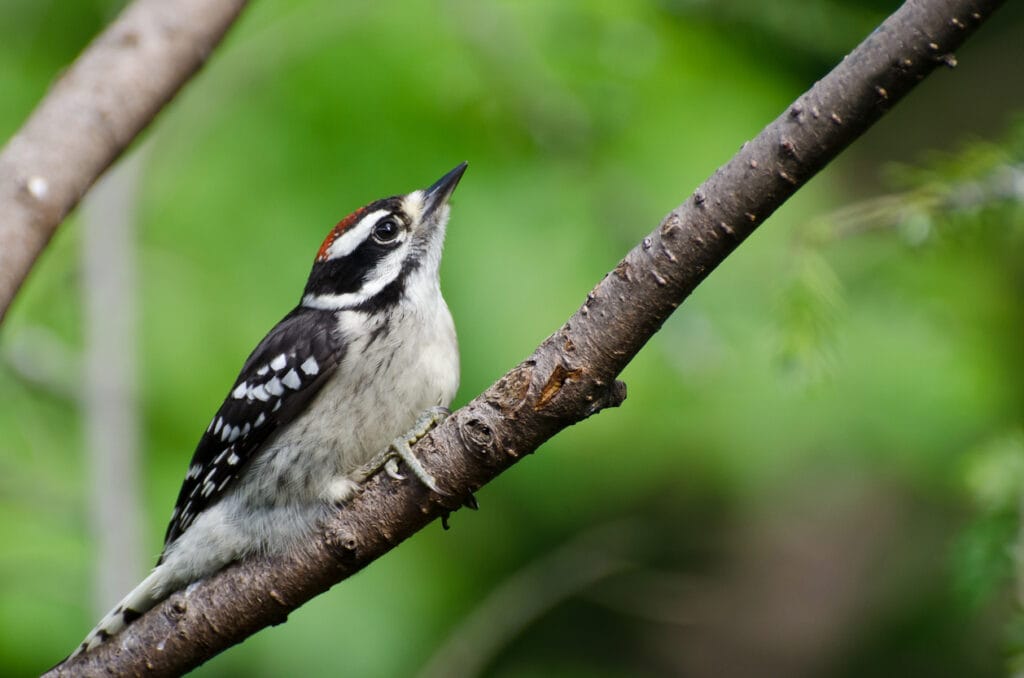
The Downy Woodpecker (Dryobates pubescens) is the smallest woodpecker species found in Maryland and across North America. Its diminutive size and active nature make it a delightful sight for observers.
Plumage and Identification: This species displays the familiar black and white plumage. They are primarily black with distinct horizontal white bars on their wings and a prominent white patch on their back. Adult males are distinguished by a small red patch on the back of their heads. The Downy Woodpecker is often confused with the Hairy Woodpecker, but its significantly smaller size and much shorter, more delicate bill are key distinguishing features. Additionally, Downy Woodpeckers have white spots on their tail feathers, which are absent in Hairy Woodpeckers.
Habitat and Foraging: Downy Woodpeckers are highly adaptable and can be found in a wide array of habitats, including open woodlands, urban yards, forest edges, and suburban areas. They are frequent visitors to backyard bird feeders. Uniquely, they not only peck at trees but also forage in long grass and weeds, seeking out insects and seeds.
Diet and Nesting: Their diet consists of nuts and larvae, supplemented by acorns, berries, and grains. They excavate small cavities in dead trees or branches for nesting and typically lay between 3 and 8 small white eggs.
Vocalizations and Activity: Known for their high-pitched sounds, loud rattles, and peeps, Downy Woodpeckers are highly active and engaging to watch. Their constant movement and cheerful calls make them a favorite among bird enthusiasts.
8. The Red-Headed Woodpecker: A Strikingly Colorful Resident
The Red-headed Woodpecker (Melanerpes erythrocephalus) is a medium-sized woodpecker renowned for its bold and distinctive coloration. While other woodpeckers may have flashes of red, the entire head of the adult Red-headed Woodpecker is a vibrant scarlet.
Plumage and Identification: Adults of this species are easily identifiable by their completely red heads. Their bodies feature a striking combination of black upper parts, bright white underparts, and wings that are equally divided between black and white. Juveniles, however, have brown heads that gradually turn red as they mature. They possess powerful bills and relatively short tails.
Habitat and Foraging Behavior: Red-headed Woodpeckers inhabit open woodlands, forest edges, and areas with scattered trees. They are notable for their ability to catch insects in midflight, a behavior known as "hawking." This aerial hunting skill supplements their diet, which also includes nuts, seeds, wild fruits, and occasionally small rodents.
Unique Food Storage Behavior: A fascinating aspect of their behavior is their habit of storing food. They will catch insects, fruits, or seeds and then wedge them into tree crevices or under bark for later consumption. This food caching is a survival strategy, especially during times of scarcity.
Territorial Defense and Nesting: Red-headed Woodpeckers can be fiercely territorial, sometimes even destroying the eggs or nests of other bird species to secure their own territory. They nest in tree cavities, often reusing existing sites, and typically lay four or five eggs.
Conservation Concerns: This species has faced significant population declines, estimated at around 70% between 1966 and 2014, primarily due to severe habitat loss. This decline underscores the vulnerability of specialized species to environmental changes and the critical need for habitat preservation.
Observing Woodpeckers in Maryland: Opportunities and Resources
Maryland’s diverse habitats, from the coastal plains to the Appalachian foothills, offer excellent opportunities for observing its eight woodpecker species. Forested parks, nature reserves, and even well-treed suburban areas can host these fascinating birds.
Where to Look: The Pickering Creek Audubon Center is specifically noted as a prime location for viewing woodpeckers, including the impressive Pileated Woodpecker. However, many other state and local parks, such as Patapsco Valley State Park or the Greenbelt Park, with their mature tree stands, are likely to harbor various species. Even backyard bird feeders can attract adaptable species like the Red-Bellied and Downy Woodpeckers.
Identifying Species: For those interested in tracking woodpecker sightings and learning more about local populations, resources like eBird are invaluable. This platform allows users to search for recent sightings of specific species or view what has been observed in particular geographic areas, providing real-time data on bird distribution and activity.
Most Common Species: Among the eight species, the Red-Bellied Woodpecker is frequently cited as one of the most common woodpeckers in Maryland, making it a relatively easy species to spot for casual observers.
Broader Implications and Conservation
The presence and health of Maryland’s woodpecker populations serve as important indicators of the overall well-being of the state’s forest ecosystems. The specialized needs of species like the Red-Cockaded Woodpecker highlight the importance of preserving mature, specific forest types. The decline of the Red-headed Woodpecker underscores the urgent need for habitat conservation and restoration efforts across the state.
The rhythmic drumming of woodpeckers is more than just a sound; it is a vital component of forest ecology. Their nesting activities create habitat for other species, and their foraging habits help control insect populations. By understanding and appreciating these eight distinct species, Marylanders can foster a deeper connection with their natural environment and contribute to the ongoing conservation of these essential avian inhabitants. The continued commitment to green initiatives and habitat protection within Maryland ensures that the sounds of woodpeckers will continue to echo through its diverse and vibrant landscapes for generations to come.

