


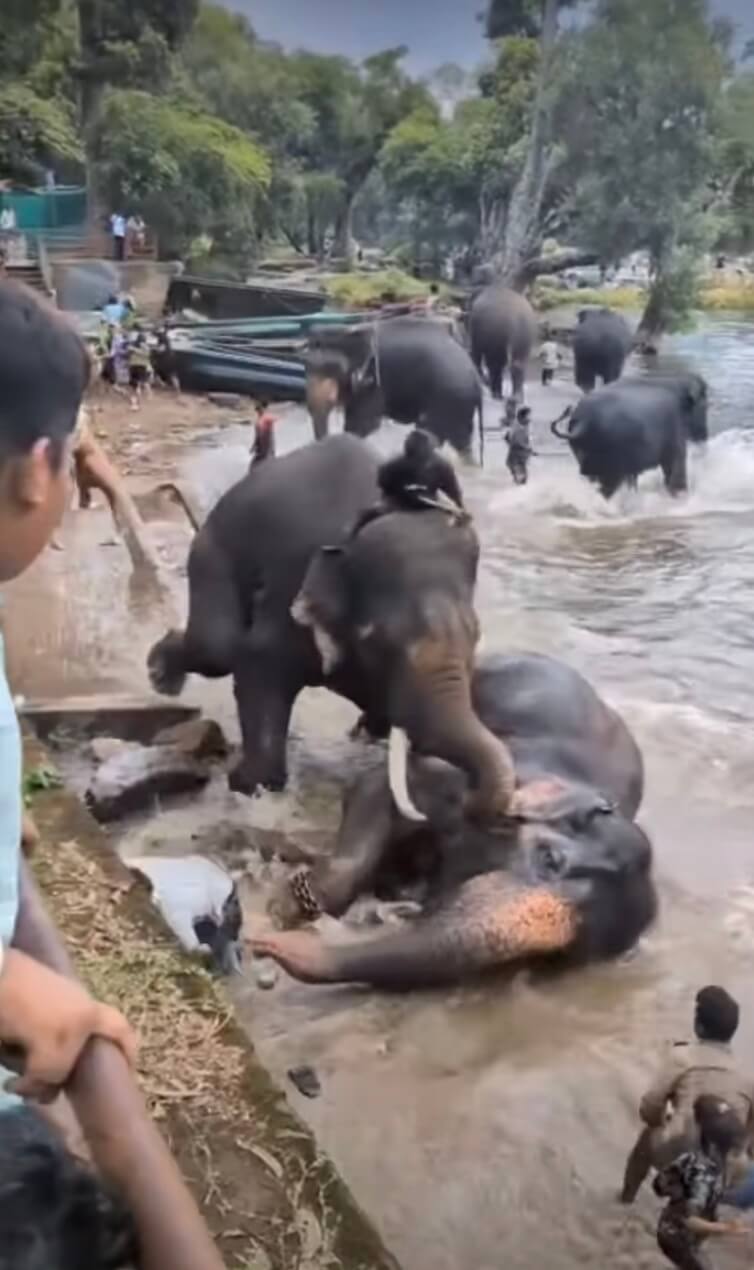
The recent death of a 33-year-old tourist at the Dubare Elephant Camp in Karnataka, India, has reignited a global debate regarding the safety and ethics of interactive wildlife tourism. According to local reports, the victim, a woman visiting the camp with her husband and young child, was caught in the middle of a violent altercation between two captive elephants. One of the animals, a 25-year-old tusker named Marthanda, reportedly fell on the woman during the struggle, causing fatal crushing injuries. In a tragic postscript to the event, Marthanda also succumbed to injuries sustained during the fight with the other elephant. This incident serves as a stark illustration of the inherent volatility of wild animals kept in captivity for human entertainment, highlighting a pattern of fatal encounters that span continents and species.
The Dubare Elephant Camp is a popular destination where visitors are encouraged to engage in "up-close" activities, including bathing and feeding 6,000-pound elephants. While marketed as an educational or conservation-oriented experience, these facilities often place animals and humans in high-stress proximity. Wildlife experts argue that the conditions of captivity—restricted movement, social disruption, and the pressure of constant human interaction—create a psychological environment where aggression is almost inevitable. The incident in India is not an isolated anomaly but rather a predictable consequence of an industry that prioritizes tourist access over the biological and behavioral needs of the animals involved.
A Chronology of Global Incidents in Interactive Tourism
The dangers of the animal tourism industry are not confined to a single region or species. A review of recent years reveals a disturbing timeline of fatalities and severe injuries resulting from the exploitation of wildlife for "photo opportunities" or performances.
The Egypt Snake-Charming Fatality
In a recent incident at a resort in Egypt, a male tourist lost his life during a snake-charming performance that was part of the hotel’s scheduled entertainment. Witnesses reported that the performer was placing snakes around the necks of guests when one of the reptiles slithered into the man’s clothing and bit him. Despite immediate medical attention and attempts at resuscitation, the victim died shortly after reaching the hospital. Biologists note that snakes are solitary, ectothermic animals that do not seek out human contact; when forced into loud, crowded environments, their natural defense mechanism is to strike. The "charm" of the performance often masks a high-stress situation for the animal and a high-risk scenario for the spectator.
The San Marcos Festival Tragedy in Spain
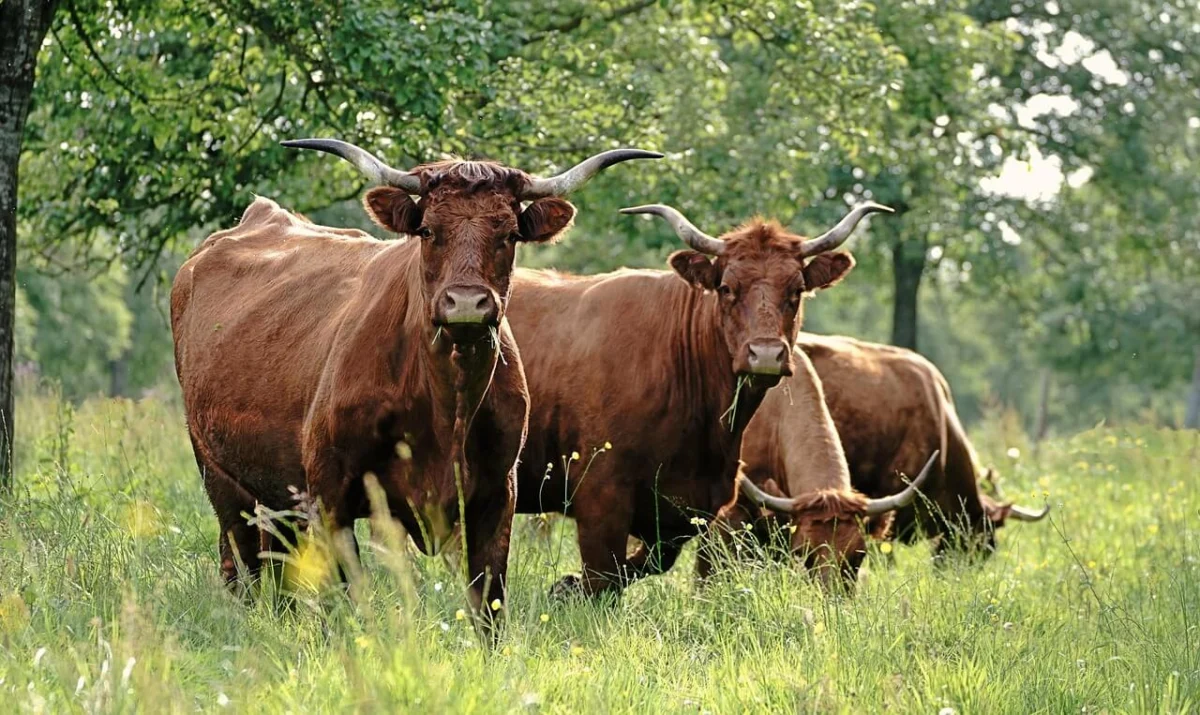
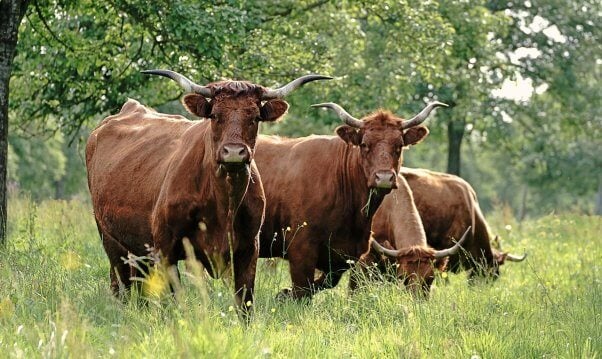
In Beas de Segura, Spain, the annual San Marcos Festival turned fatal when a 33-year-old bull breeder was gored to death. The bull, reportedly agitated by the chaotic atmosphere of the festival, charged the man, inflicting multiple wounds to his chest and abdomen. Although the victim was a professional with experience in handling bulls, the unpredictable nature of an animal in a "fight or flight" state proved insurmountable. Festivals involving the "running of the bulls" or public harassment of livestock are frequently criticized by safety advocates who point out that the narrow streets and screaming crowds disorient the animals, making them significantly more dangerous than they would be in a pasture environment.
The Thailand Elephant Trekking Attack
Thailand’s elephant tourism industry has long been under scrutiny, and a fatal attack involving a Scottish tourist and his 16-year-old daughter underscored the risks. During a guided trek, an elephant that had been repeatedly struck by its handler with a bullhook—a metal-tipped tool used for dominance—snapped. The elephant struck the handler, threw the tourists from its back, and then gored and stomped the father in front of his child. This incident highlighted the "Phajaan" or "the crush" process, a traditional training method used in parts of Southeast Asia to break an elephant’s spirit through isolation and physical pain, which often leads to long-term psychological trauma and explosive aggression.
The Beijing Tiger Mauling
At the Badaling Wildlife Park in China, a drive-through safari facility, a woman was mauled to death after she exited her vehicle inside the Siberian tiger enclosure. While the park’s regulations strictly forbade leaving the vehicle, the incident raised questions about the safety of "safari-style" attractions that allow humans into the immediate territory of apex predators. Even in large enclosures, captive tigers exhibit signs of "zoochosis"—repetitive, obsessive behaviors caused by the inability to hunt or roam—which can make their reactions to human presence lethal.
Supporting Data on Wildlife Tourism and Public Safety
The economic scale of wildlife tourism is vast, but it comes with a significant lack of standardized safety oversight. According to data from World Animal Protection, approximately 550,000 wild animals are currently held in captivity for tourist entertainment globally. Their research indicates that roughly 75% of wildlife tourist attractions have a negative impact on animal welfare, which in turn correlates with increased risks to human participants.
Statistical analysis of captive animal attacks suggests several key risk factors:
- Direct Contact: Attractions that allow touching, riding, or bathing animals have the highest rate of injury.
- Lack of Regulation: In many jurisdictions, "elephant camps" or "snake pits" operate as private businesses with little to no governmental safety inspections regarding animal temperament or handler qualifications.
- The "Sanctuary" Misnomer: A growing trend involves facilities labeling themselves as "sanctuaries" or "rescue centers" to attract ethical travelers, while still practicing invasive animal handling that compromises safety.
Official Responses and Industry Accountability
In the wake of the Dubare incident, the Karnataka Forest Department ordered the temporary closure of the camp for an investigation into the handling protocols. Local officials have faced pressure from animal rights organizations to transition the facility from an interactive model to an observation-only model. Similarly, in Thailand and Egypt, local tourism boards often face the difficult task of balancing lucrative tourist attractions with the increasing demand for stricter safety liabilities.
Insurance companies have also begun to take note. Many travel insurance policies now include clauses that exclude coverage for injuries sustained during "high-risk" animal interactions, such as elephant riding or swimming with captive dolphins. This shift reflects a growing recognition that these activities are fundamentally unsafe for the general public.
Broader Impact and Implications for the Travel Industry
The transition toward "compassionate tourism" is no longer just an ethical preference; it is becoming a safety necessity. The psychological state of animals used in tourism is a critical factor in human safety. When animals are denied their natural behaviors—socializing in herds, roaming vast distances, or remaining solitary—they experience chronic stress. This stress lowers their threshold for aggression, meaning a stimulus as simple as a camera flash or a child’s shout can trigger a lethal response.
The implications for the travel industry are significant. As news of fatalities spreads via social media and global news outlets, the reputation of destinations can suffer. Forward-thinking travel agencies and platforms, such as TripAdvisor and Expedia, have already begun removing bookings for attractions that involve direct contact with wild animals or performances that require animals to behave unnaturally.
Analysis of the Human-Animal Conflict in Tourism
The core of the issue lies in the commodification of sentient beings. When an animal is viewed as a "prop" for a photograph or a "taxi" for a ride, its biological reality is ignored. A 6,000-pound elephant or a 400-pound tiger is never truly "tame"; they are at best "trained," and that training is often maintained through fear.
The fatal incidents in India, Egypt, Spain, Thailand, and China demonstrate that no amount of training can fully override the natural instincts of a wild animal, especially one that is stressed or abused. For the tourism industry to evolve, there must be a shift toward "observation-only" wildlife experiences. These models, such as legitimate safaris in national parks where animals are viewed from a distance in their natural habitats, offer a safer and more authentic experience for travelers.
Ultimately, the tragic death at the Dubare Elephant Camp serves as a grim reminder that the boundary between humans and wild animals must be respected. The "up-close" encounter, though marketed as a once-in-a-lifetime experience, carries a risk that can result in the loss of life for both the tourist and the animal. Respecting the autonomy and physical space of wildlife is the only viable path forward for a sustainable and safe global tourism industry. Travelers are increasingly encouraged to "protect, respect, and object" to exploitation, ensuring that their holiday memories do not come at the cost of a life.

