


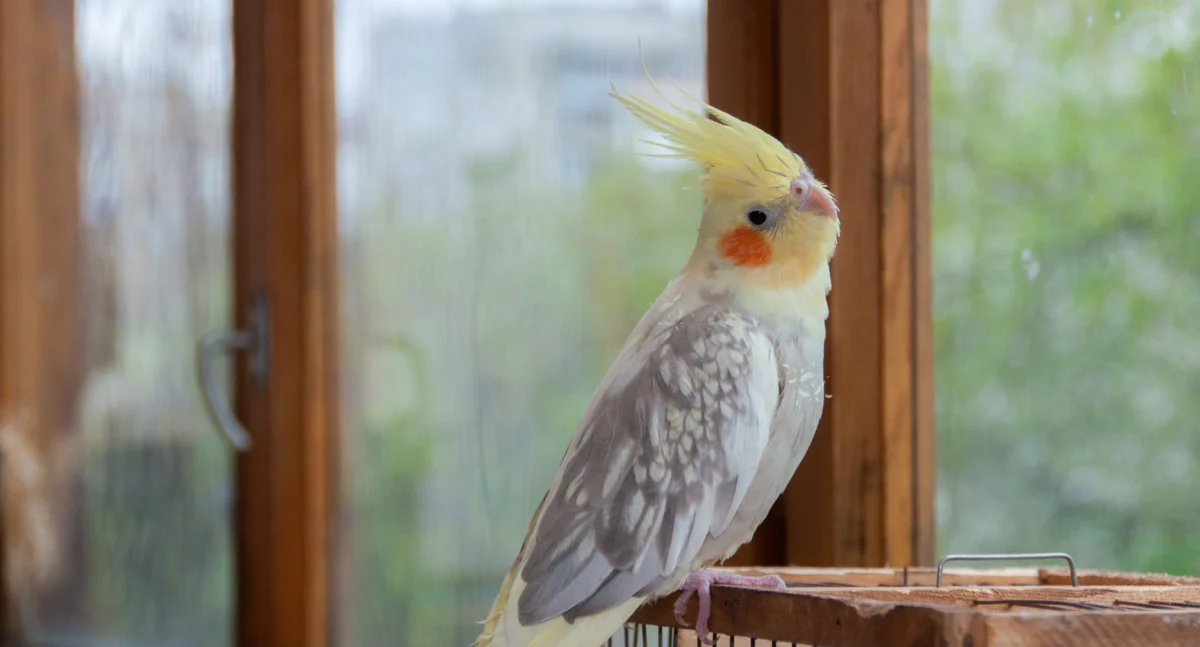
Cockatiel owners often experience moments of alarm when their feathered companions begin a molt, characterized by an abundance of shed feathers, noticeable changes in temperament, and uncertainty regarding the normality of the process. This natural biological phenomenon, while essential for a bird’s health and flight capabilities, can be a source of stress for owners concerned about discomfort, potential illness, or the onset of feather plucking. Understanding the intricate details of the molting cycle, distinguishing normal from problematic symptoms, and implementing appropriate supportive care are critical aspects of responsible avian husbandry. This comprehensive guide aims to demystify cockatiel molting, providing actionable insights for optimal bird welfare.
The Biological Imperative of Feather Renewal
Molting is the physiological process by which birds periodically replace their old, worn, or damaged feathers with new ones. This cycle is not merely cosmetic; it is fundamental for a cockatiel’s survival and well-being, ensuring the integrity of their plumage for vital functions such as flight, insulation, waterproofing, and display. Feathers, composed primarily of keratin—a fibrous protein also found in human hair and nails—are metabolically expensive to produce. A cockatiel’s body requires significant energy and specific nutrients to facilitate this renewal, making molting a demanding period for the bird’s system.
Research into avian physiology highlights that feathers constitute a substantial portion of a bird’s body weight, and their constant maintenance is non-negotiable. The process is hormonally regulated, primarily by thyroid hormones, which respond to environmental cues. A healthy molt ensures the continuous functionality of the plumage, critical for thermoregulation in varying temperatures and aerodynamic efficiency for flight. Without regular feather replacement, a bird’s ability to fly would diminish, and its susceptibility to environmental stressors would increase.
Stages and Types of Molt in Cockatiels
Cockatiels typically undergo distinct molting phases throughout their lives, each with specific characteristics and triggers. Recognizing these stages is crucial for owners to provide targeted support.
Juvenile Molt: The Transition to Adulthood
The first significant molt for a young cockatiel, known as the juvenile molt, usually occurs between 6 and 12 months of age. This is a transformative period where the soft, downy "baby feathers" are replaced by the stiffer, more vibrant adult plumage. During this molt, owners will observe changes not only in feather texture but often in color and pattern, marking the bird’s transition to its mature appearance. This initial molt is often a comprehensive one, preparing the bird for the demands of adult life.
Seasonal Molts: Adapting to Environmental Rhythms
Following the juvenile molt, adult cockatiels typically experience seasonal molts, most commonly in the spring and fall. These periods align with natural environmental shifts, such as changes in daylight length (photoperiod) and temperature, which serve as primary triggers for wild birds. Spring molts often precede the breeding season, ensuring birds are in prime condition for courtship and nesting, while fall molts prepare them for colder months by providing dense, insulating feathers.
However, for indoor pet cockatiels, these seasonal rhythms can be less pronounced or even disrupted. Consistent artificial lighting, stable indoor temperatures, and regular routines can lead to what is sometimes termed "soft molts" or prolonged, less intense molting periods that do not adhere to a strict seasonal schedule. This can result in continuous, light feather loss throughout the year, rather than concentrated periods. While not necessarily detrimental, it highlights the influence of the captive environment on natural biological processes.
Recognizing a Healthy Molt Versus Cause for Concern
Distinguishing a normal molt from symptoms of underlying health issues is paramount for responsible cockatiel care. Observant owners can identify several key visual and behavioral cues indicative of a healthy molting process.
Visual and Behavioral Cues of a Normal Molt
During a typical molt, owners will notice shed feathers at the bottom of the cage, ranging from small downy feathers to larger flight or tail feathers. A hallmark sign is the appearance of "pin feathers"—stiff, spiky new feathers encased in a keratin sheath. These often resemble tiny white or grey quills and are particularly noticeable on the bird’s head, neck, and wing areas. As these pin feathers mature, the bird will preen them, breaking down the keratin sheath to allow the new feather to unfurl.
Behaviorally, molting birds often exhibit changes due to the physical demands and potential discomfort. They may appear more withdrawn or quiet, spend increased time preening or scratching, and show a temporary decrease in activity or vocalization. The growth of new feathers is metabolically intensive, drawing significant protein and energy, which can lead to a slight reduction in overall vigor. Pin feathers, especially those on the head and neck, can be sensitive or even itchy, prompting the bird to rub against perches or solicit head scratches from owners. It is important to note that a healthy molt involves symmetrical feather loss, meaning corresponding feathers on both sides of the body typically shed around the same time.
When to Be Concerned: Warning Signs
While some behavioral shifts are normal during molting, certain symptoms warrant immediate veterinary attention. These include:
- Bald patches or uneven feather loss: Molting should be a gradual, symmetrical process. Bald spots suggest plucking, parasites, or an underlying medical condition.
- Red, swollen, or scabby skin: These are signs of irritation, infection, or trauma, not typical molting.
- Bleeding: Molting should not cause bleeding. Any blood indicates injury, a broken blood feather, or a more serious issue.
- Excessive fatigue or extreme lethargy: While a slight decrease in activity is normal, severe lethargy, loss of appetite, or prolonged disinterest in surroundings are red flags for illness.
- Feather pulling or mutilation: If a bird is actively pulling out its own feathers, especially repeatedly in specific areas, it suggests stress-related plucking, pain, or a medical problem, which is distinct from normal preening during a molt.
- Abnormal droppings: Changes in consistency, color, or frequency of droppings can signal illness.
According to veterinary literature, such as "Feather loss and feather damaging behavior in psittacine birds" by Groom & Williams (2015), differentiating between normal molting and pathological feather loss is critical for timely intervention. Plucking, for instance, tends to be targeted and aggressive, often resulting in patchy feather loss, whereas molting is a uniform and natural shedding process.
Optimizing Nutritional Support During Molting
The formation of new feathers is a nutritionally demanding process. Providing an enriched diet during molting is crucial for healthy feather growth and overall bird well-being.
Essential Nutrients for Feather Growth
Since feathers are primarily keratin, a protein, a molting cockatiel requires an increased intake of high-quality protein and the specific amino acids that constitute keratin. Insufficient protein during this period can lead to brittle, dull, or malformed feathers. Beyond protein, several other nutrients play vital roles:
- Biotin (Vitamin B7): Essential for healthy skin and feather growth.
- Omega-3 Fatty Acids: Contribute to skin health, feather sheen, and can have anti-inflammatory properties, potentially easing discomfort.
- Vitamin A: Crucial for epithelial tissue health, including feather follicles and skin.
- Calcium: Important for overall bone health and resilience, supporting the bird during a metabolically stressful period.
Best Dietary Practices
A foundation of high-quality, pelleted food should always be the cornerstone of a cockatiel’s diet, as pellets are formulated to provide balanced nutrition. During molting, this base should be supplemented with:

- Protein-rich foods: Cooked quinoa, legumes, small amounts of cooked lean chicken or egg, and specific nutrient-dense seeds like chia or flax (in moderation).
- Fresh leafy greens: Kale, spinach (in moderation due to oxalates), collard greens, and dandelion greens offer vitamins and minerals.
- Shredded vegetables and fruits: Carrots, bell peppers, broccoli, apples, and berries provide essential vitamins, antioxidants, and moisture.
- Nutritional Supplements: Owners may consider consulting an avian veterinarian about specialized supplements designed to support feather growth, which can help fill any potential nutritional gaps during this demanding phase.
It is critical to avoid diets consisting solely of bird seeds, as these are typically high in fat and low in essential vitamins and minerals, leading to nutritional deficiencies that can severely compromise feather quality and overall health during a molt.
Environmental Management for Molting Comfort
Creating a comfortable and low-stress environment is just as important as nutritional support for a molting cockatiel. Simple adjustments can significantly alleviate discomfort and promote a smoother molting process.
Reducing Irritation and Itching
- Regular Misting or Baths: Offering daily misting with lukewarm water or providing a shallow bath can help soften the keratin sheaths of new pin feathers, making them easier for the bird to preen. It also soothes dry, itchy skin associated with feather growth. Some avian experts recommend using bird-safe topical sprays, such as those containing aloe vera, known for its moisturizing and mild analgesic properties, to further soothe inflammation around feather follicles. After bathing or misting, ensure the bird can dry off in a warm, draft-free area.
- Never Pull Pin Feathers: It cannot be overstated that pulling out pin feathers is extremely painful for a bird. Even if a bird appears to be struggling with a particular pin feather, forced removal can cause trauma, bleeding, and necessitates the bird’s body to expend more energy regrowing the feather from scratch. Owners should only assist with preening if the bird actively solicits it and if the pin feather’s sheath is already soft and flaky. A soft toothbrush can sometimes be used gently on areas the bird cannot reach, like the crest, only if the bird clearly enjoys it.
Cage Setup and Rest
- Varied Perches: Provide perches of different textures and diameters, including natural wood and soft rope perches. These offer varied surfaces for the bird to rub against, aiding in the gentle breakdown of pin feather sheaths.
- Calm Environment: Maintain a consistent and calm environment. Molting is stressful, and additional disruptions or sudden changes can exacerbate anxiety, potentially prolonging the molt or leading to stress-related behaviors.
- Extra Rest: Molting birds benefit from increased rest. Owners can facilitate this by ensuring the bird receives adequate sleep (10-12 hours per night), perhaps by dimming lights earlier or providing a quiet, undisturbed sleeping area. A peaceful environment allows the bird’s body to conserve energy for feather growth and recovery.
When to Seek Professional Veterinary Care
While molting is a natural process, certain signs indicate that a cockatiel requires professional veterinary attention. Early intervention can prevent minor issues from escalating into serious health problems.
Warning Signs Requiring a Vet Visit
Owners should contact an avian veterinarian if their cockatiel exhibits any of the following symptoms during a suspected molt:
- Persistent bald spots or significant, non-symmetrical feather loss.
- Skin lesions, scabs, redness, or swelling.
- Active feather pulling, plucking, or self-mutilation.
- Bleeding from feather follicles or broken blood feathers.
- Extreme lethargy, loss of appetite, significant weight loss, or changes in droppings.
- A molt that seems abnormally prolonged (e.g., lasting many months with no new feather growth).
- Signs of pain or severe discomfort that bathing or environmental adjustments do not alleviate.
These symptoms can point to underlying conditions such as parasitic infestations (mites), bacterial or fungal infections, nutritional deficiencies, systemic illnesses (e.g., PBFD – Psittacine Beak and Feather Disease), or significant psychological stress leading to feather destructive behaviors. A prompt examination by an exotics or avian veterinarian is crucial for accurate diagnosis and appropriate treatment.
Broader Implications for Avian Health and Welfare
The molting process is a sensitive indicator of a cockatiel’s overall health. A healthy, uneventful molt signifies that the bird is receiving adequate nutrition, living in a suitable environment, and is free from significant stress or illness. Conversely, a problematic molt can be a warning sign of deeper issues.
Proactive and knowledgeable care during molting supports not just feather health but the bird’s entire physiological system. A successful molt ensures robust immunity, efficient flight, effective thermoregulation, and a vibrant, healthy appearance. Owners who are attentive to their cockatiel’s molting cycle, providing appropriate nutritional, environmental, and emotional support, contribute significantly to their pet’s long-term health and well-being. Understanding and accommodating this critical natural process is a fundamental aspect of fostering a strong, positive bond between cockatiels and their human companions.
Expert Consensus and Future Outlook
Avian veterinarians and behaviorists consistently emphasize the importance of a holistic approach to molting care. This includes providing a high-quality diet, ensuring adequate environmental enrichment, minimizing stressors, and recognizing the subtle cues that differentiate a normal molt from a medical concern. The ongoing research in avian medicine, as referenced in works by Speer (2016) and Jayson et al. (2022), continues to refine our understanding of feather disorders and the best practices for supportive care. Ultimately, the ability of a cockatiel to undergo a healthy molt is a testament to the quality of its care, underscoring the profound responsibility of pet owners to meet the complex needs of their feathered friends year-round.

