


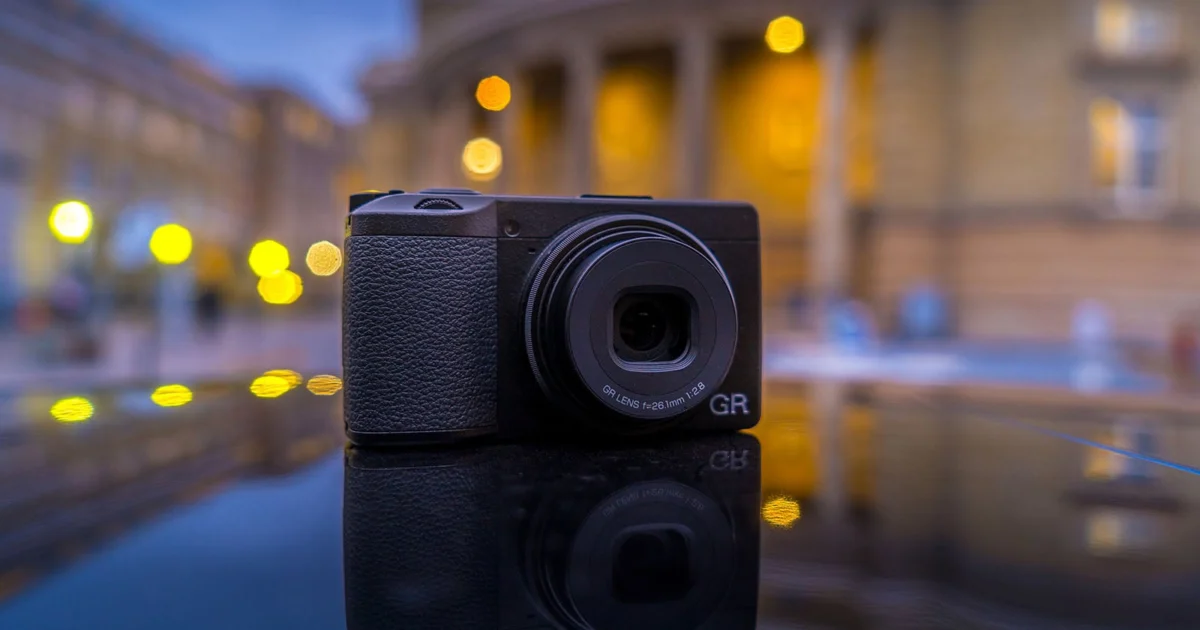
The intersection of high-end horology and digital photography has long been a space defined by professional-grade DSLRs and expensive macro lenses. However, a quiet revolution has taken place within the inner circles of the watch-collecting world, centering not on a piece of heavy machinery, but on a pocket-sized compact camera. The Ricoh GR IIIx, a device originally released in 2021, has emerged as the definitive tool for watch enthusiasts, influencers, and industry insiders. This phenomenon, recently documented by GQ watch editor Cam Wolf, highlights a rare moment where a specific piece of technology transcends its intended market to become a cultural staple within a niche community.
The trend began as a series of word-of-mouth recommendations among some of the most influential figures in the watch industry. Cam Wolf’s own entry into this "elite club" was sparked by a suggestion from Cameron Barr, the founder of Craft + Tailored. Barr recommended the Ricoh GR IIIx as a solution for those who wanted to capture high-quality images of timepieces without the steep learning curve or the bulk of traditional professional equipment. This sentiment is echoed across the industry, with representatives from Rime & Reason, Hodinkee, and Unpolished all adopting the camera within a similar timeframe.
The Technical Shift from 28mm to 40mm
To understand why the Ricoh GR IIIx has achieved such monolithic status among horophiles, one must look at the technical evolution of the GR series. For decades, the Ricoh GR brand was synonymous with street photography, characterized by its fixed 28mm equivalent wide-angle lens. While the standard Ricoh GR III (released in 2019) was a powerhouse in its own right, its wide field of view presented challenges for product photography, specifically for small, intricate objects like wristwatches.
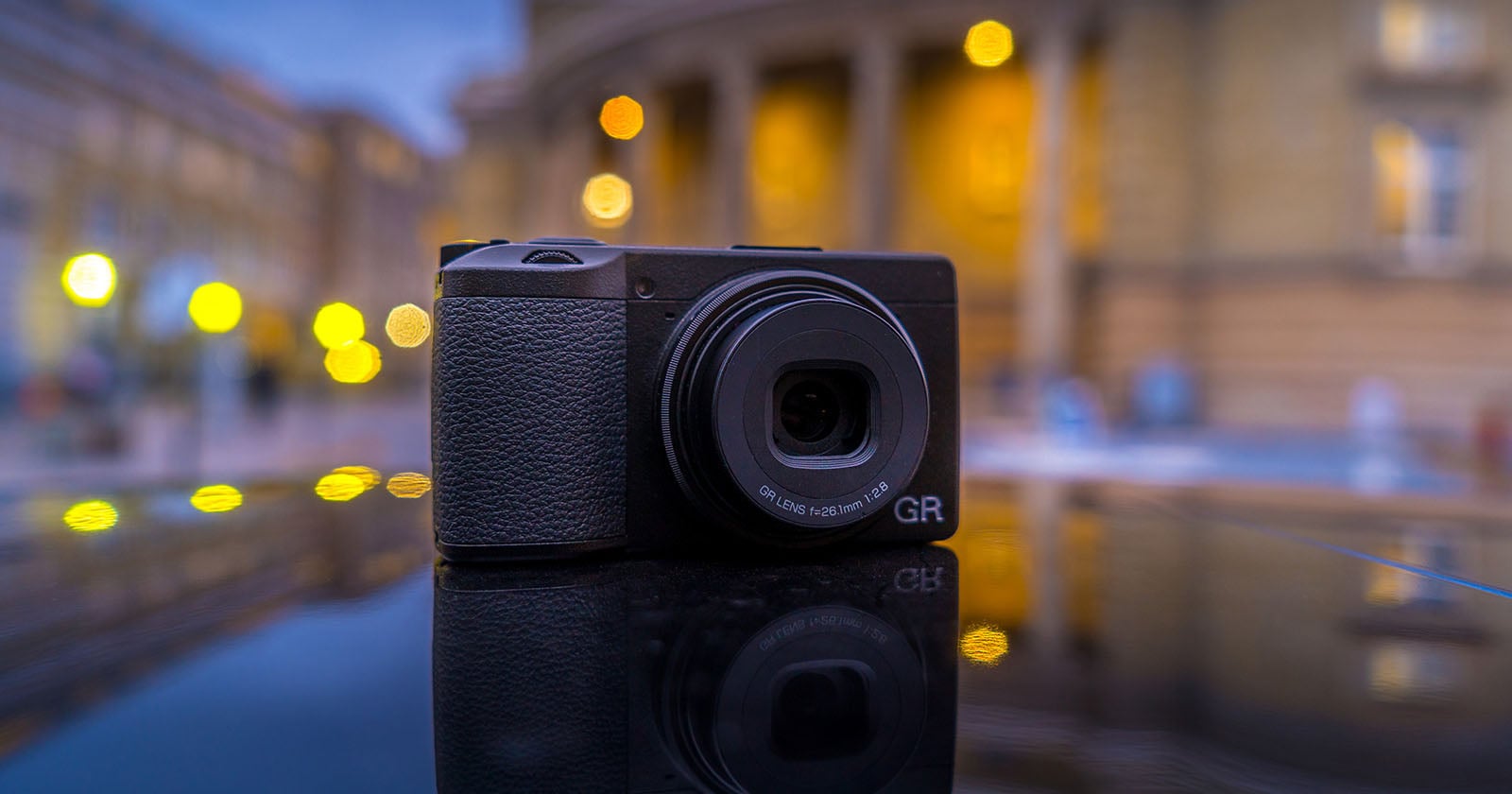
The 28mm lens often introduced perspective distortion when used for close-up "wrist shots," making the watch appear unnaturally large or the proportions of the lugs and dial seem skewed. When Ricoh announced the GR IIIx in September 2021, it introduced a newly designed 26.1mm lens, providing a 40mm focal length in the 35mm full-frame format. This shift proved to be the "sweet spot" for watch collectors.
The 40mm focal length offers a more natural perspective that closely mimics the human eye’s central field of vision. For horological photography, this means less distortion and a more flattering representation of the watch’s geometry. Stephen Pulvirent of Rime & Reason noted that for those focused on "watch stuff," the "X" variant of the GR III is the only logical choice. The tighter frame allows for better isolation of the subject while still providing enough context of the wearer’s wrist or surroundings.
The Chronology of an Industry Trend
While the GR IIIx became a viral sensation in watch circles around 2022 and 2023, its roots in the community go back much further. The lineage of this trend can be traced back to "patient zero" figures who bridge the gap between professional photography and watchmaking. Tony Traina of Unpolished pointed to James Kong, a lawyer turned watch photographer and co-founder of the watch brand Fleming, as a key influencer in the camera’s adoption.
Kong, in turn, credits his interest in the Ricoh system to Ming Thein. Thein is a figure of significant stature in both industries; he served as the Chief of Strategy for Hasselblad and later founded MING, a highly successful independent watch brand. Thein has been a proponent of the Ricoh GR system for over two decades, valuing its "transparency" as a tool—a camera that gets out of the way of the photographer. He transitioned to the GR IIIx immediately upon its release, citing its build quality and tactile feedback as features that naturally resonate with those who appreciate the mechanical precision of a luxury timepiece.
The timeline of the GR IIIx’s success is also linked to the broader "Everyday Carry" (EDC) movement. As collectors began sharing their "pocket dumps" on social media platforms like Instagram and Substack, the matte black, minimalist silhouette of the Ricoh became a recurring character alongside Rolex Submariners and Patek Philippe Nautiluses.
Design Philosophy and Aesthetic Synergy
Watch enthusiasts are, by nature, obsessed with the details of construction, finishing, and tactile interaction. The Ricoh GR IIIx appeals to these sensibilities through its "stealth wealth" aesthetic. Unlike the flashy, retro-inspired designs of the Fujifilm X100 series or the iconic red dot of a Leica, the Ricoh is understated. It is a tool that prioritizes function and portability without sacrificing the quality of the output.
The camera features a 24-megapixel APS-C sensor, which is significantly larger than the sensors found in even the most advanced smartphones. This allows for a level of depth of field and dynamic range that makes watch dials "pop" in a way mobile photography cannot replicate. Furthermore, the GR IIIx includes a macro mode that allows for a minimum focusing distance of approximately 12 centimeters. For a watch collector, this means the ability to capture the graining on a bridge, the polish of a hand, or the texture of a "fumé" dial with clarity.
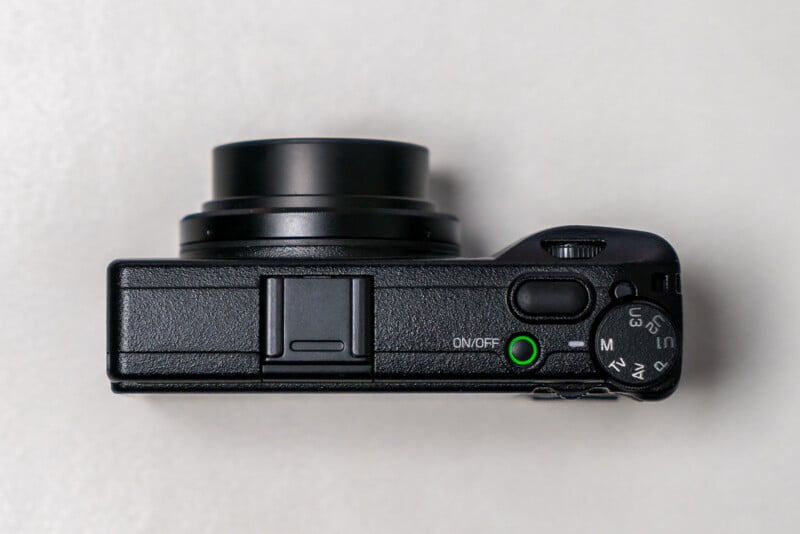
The build quality of the Ricoh also mirrors the values of the horological community. Its magnesium alloy body is durable yet lightweight, fitting easily into a jacket pocket. The tactile feedback of the mode dial and the snap-focus distance settings provide a mechanical engagement that feels familiar to someone used to winding a watch crown or clicking a diving bezel.
Market Context and the Compact Camera Renaissance
The rise of the Ricoh GR IIIx within the watch community is occurring during a wider renaissance for premium compact cameras. In recent years, the market for fixed-lens cameras has exploded, driven by a desire for "intentional" photography and a backlash against the over-processed look of smartphone computational photography.
While the Fujifilm X100V and its successor, the X100VI, have faced chronic supply shortages and massive price markups on the secondary market, Ricoh has managed to maintain a more consistent, albeit still high-demand, presence. The GR IIIx has frequently appeared on best-seller lists, such as those from Map Camera in Japan, often outselling much newer mirrorless models.
For watch influencers, the Ricoh offers a competitive advantage. In an industry where "the shot" can determine the engagement of a post or the perceived value of a timepiece for sale, having a dedicated sensor and a sharp 40mm lens provides a professional edge. Tony Traina famously dubbed the GR IIIx "the official camera of the watch influencer," a title that reflects its ubiquity at trade shows like Watches & Wonders and Geneva Watch Days.
Implications for the Future of Ricoh and Horology
The success of the GR IIIx has created high expectations for Ricoh’s future roadmap. While the company recently released the Ricoh GR III HDF and GR IIIx HDF (Highlight Diffusion Filter) models to cater to a more "filmic" aesthetic, the community is eagerly awaiting a true successor in the form of a GR IV.
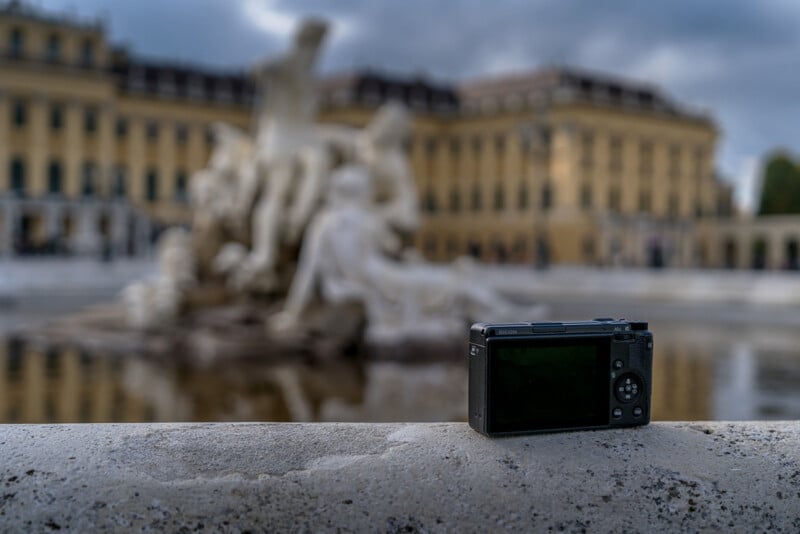
The primary question for the watch community is whether Ricoh will continue to support the "X" line of focal lengths. Given the overwhelming adoption of the 40mm lens by this affluent and vocal demographic, it is highly probable that Ricoh will maintain a dual-focal-length strategy. There is even speculation among enthusiasts about the possibility of a "telephoto" version—perhaps a GR IVz with a 75mm equivalent lens—which would be even better suited for true macro horological photography.
Beyond the hardware, the Ricoh GR IIIx phenomenon represents a shift in how niche communities interact with technology. It demonstrates that when a product perfectly aligns with the functional needs and aesthetic values of a group, it can become an industry standard through organic, peer-to-peer validation rather than traditional marketing.
The Ricoh GR IIIx is more than just a camera for the watch-obsessed; it is a testament to the enduring appeal of specialized tools. In an era where the smartphone is the default for almost everyone, the horological community’s commitment to a dedicated, high-quality compact camera proves that for those who value precision, the right tool makes all the difference. As long as there are mechanical watches to be admired, there will likely be a Ricoh GR in the pocket of the person admiring them.

