


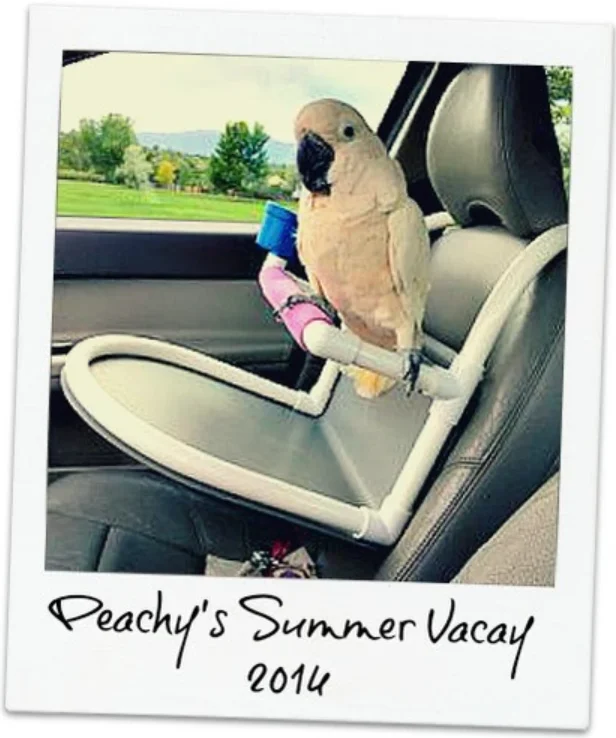
The landscape of pet ownership is evolving, with a growing number of avian enthusiasts opting to bring their feathered companions along on journeys rather than leaving them behind. Once a niche practice, traveling with a bird has become a significant trend, driven by the desire to maintain the strong bond between parrots and their human "flocks" and to avoid the anxieties associated with pet sitters or boarding facilities. This comprehensive guide delves into the nuances of taking a car trip with your bird, offering expert insights, practical strategies, and essential safety protocols to ensure a rewarding and stress-free experience for both pet and owner.
The Paradigm Shift: From Pet Sitter to Travel Companion
For thousands of parrot parents, the question of whether traveling with a bird is safe or even enjoyable for their avian friend has been definitively answered in the affirmative. This shift represents a deeper understanding of parrot psychology; as inherently social, flock-minded creatures, parrots derive immense security from being in the presence of their trusted human companions. Industry experts note a discernible increase in pet bird owners integrating their feathered friends into family travel plans, with surveys by organizations like the American Avian Association indicating a steady rise in owners choosing to travel with their pets over the last five years. This trend underscores a broader cultural movement towards including pets as integral family members in all aspects of life, including vacations.
However, the decision to embark on vacationing with pet birds is not one to be taken lightly. It demands meticulous preparation, foresight, and a commitment to treating the bird as a full-fledged family member with unique needs, rather than a mere tagalong. The initial enthusiasm for travel must be tempered with a pragmatic approach to training, equipment, and environmental management. This guide builds upon foundational advice, expanding on the core principles of safe avian car travel to address the nuanced concerns and detailed strategies requested by a growing community of bird owners.
Pre-Travel Readiness: Assessing Your Avian Companion
The cornerstone of a successful bird road trip is thorough preparation, beginning weeks or even months before departure. This phase focuses on ensuring the bird’s physical and psychological readiness for the journey.
1. Veterinary Consultation and Health Check:
Approximately one to two weeks before any planned travel, a visit to an avian veterinarian is paramount. This pre-trip wellness check serves multiple critical purposes:
- Health Assessment: The vet will confirm the bird is in optimal health, free from any underlying conditions that could be exacerbated by travel stress.
- Grooming: Nails and wing feathers can be safely trimmed if there are concerns about accidental escape during stops or transfers.
- Medication/Supplements: Discuss with your vet whether a mild calming supplement or probiotic is appropriate for your parrot’s species and temperament, particularly if it’s prone to anxiety.
- Identification: Ensure your bird is microchipped and has updated ID tags on its leg band, along with current photographs, in case of an unforeseen separation.
2. Behavioral Assessment and Training:
Travel readiness is not solely physical; it’s also behavioral. Parrots thrive on routine, so introducing new stimuli gradually is crucial.
- Carrier Acclimatization: Carrier training should commence well in advance. Start by placing the travel carrier in a familiar, safe area of the home with the door open. Entice your bird to explore it by placing favorite treats, toys, or familiar perches inside. The goal is to build positive associations, making the carrier a safe haven rather than a source of fear.
- Vehicle Desensitization: Once comfortable with the carrier, introduce it to the vehicle. Begin by simply placing the secured carrier in the car with the engine off. Gradually progress to turning the engine on, then to short drives around the block. Observe your bird’s body language closely during each step.
- Harness Training (Optional but Recommended): For owners considering supervised out-of-carrier time during breaks, harness training offers unparalleled freedom and safety. A harnessed parrot can stretch, explore, and interact with its surroundings securely. This training requires patience and positive reinforcement, ideally starting months before travel.
3. The Comprehensive Readiness Checklist:
To determine if your bird is truly ready for a road trip, consider this expanded checklist:
- Is your bird comfortable and calm in its travel carrier for extended periods?
- Does it adapt well to new environments without exhibiting signs of panic or severe stress?
- Does it consistently eat, drink, and play normally when away from its primary home?
- Has it successfully completed several short car rides without significant distress?
- Is your bird free from any acute illness, heavy molting, or extreme hormonal fluctuations?
Answering "yes" to most of these questions indicates a high likelihood of a successful trip. If not, prioritize training and gradual exposure to these stimuli.
Essential Gear for the Avian Adventurer
The right equipment is non-negotiable for safe and comfortable avian travel.
1. Travel Carriers: Safety and Comfort First:
The choice of carrier is paramount. It must be secure, well-ventilated, easy to clean, and appropriately sized.
- Types: Options range from specialized avian carriers like the Pak’o’Bird (known for its backpack design and ventilation) to clear-sided acrylic travel cages or sturdy wire carriers. Each offers distinct advantages in terms of visibility, durability, and bird comfort.
- Features: Look for carriers with secure latches, adequate ventilation (mesh or drilled holes), perches that can be adjusted or removed, and space for food/water dishes that won’t spill easily.
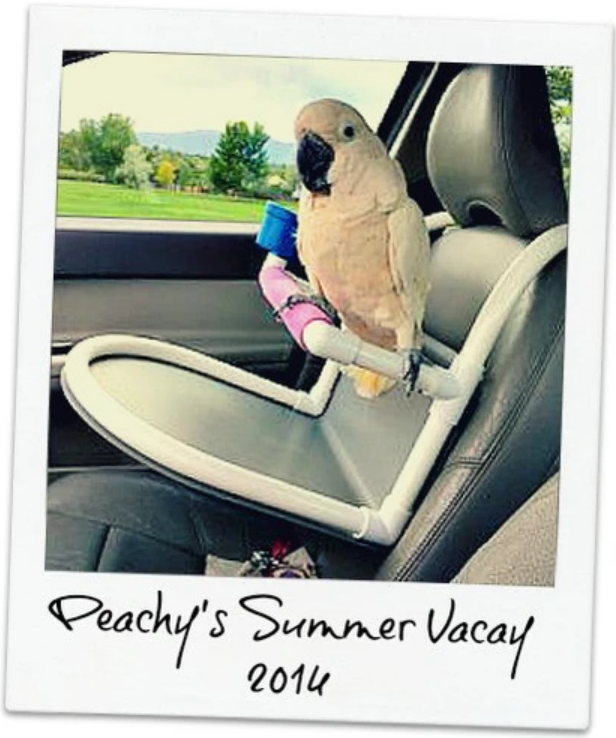
- Securing the Carrier: In a vehicle, the carrier must be securely fastened to prevent shifting, tipping, or injury during sudden stops or turns. Seatbelts are ideal for this purpose, ensuring the carrier is level and stable.
2. Hydration & Nutrition on the Road:
Maintaining hydration and providing familiar, nutritious food is crucial.
- Water: Sipper bottles designed for birds are often preferred over open bowls, as they minimize spills and ensure a continuous water supply. Offer fresh water at every stop.
- Food: Pack your bird’s usual diet, pre-portioned and easy to access. Familiar food helps reduce stress. Avoid messy or highly perishable items.
- Treats: Bring favorite treats for positive reinforcement during training and to reward calm behavior during the journey.
3. Comfort & Enrichment Items:
Familiar items can significantly reduce travel-related anxiety.
- Perches: Include a familiar perch from their home cage to provide a sense of normalcy.
- Toys: Choose stationary, non-dangling toys that won’t swing wildly and cause disorientation. Shredding toys or foraging blocks can keep your bird engaged.
- Cage Cover: A lightweight, breathable cage cover can help reduce visual stimulation and provide a sense of security, especially during breaks or overnight stays.
4. First Aid & Emergency Kit:
Prepare for the unexpected with an avian-specific first aid kit:
- Essentials: Styptic powder (for bleeding nails), antiseptic wipes, gauze, vet wrap, bird-safe pain relief (as advised by your vet), and emergency contact information for your avian veterinarian.
- Emergency Plan: Have a plan for how to handle an emergency during travel, including knowing the location of emergency avian vets along your route.
Navigating the Journey: Best Practices for Car Travel
Once equipped, the focus shifts to managing the actual travel experience to minimize stress and maximize safety.
1. Managing Motion Sickness:
Birds, like humans and other pets, can experience motion sickness.
- Symptoms: Watch for signs such as regurgitation, lethargy, excessive panting, or unusual quietness.
- Prevention: Ensure the carrier is stable and level. Avoid erratic driving. Gradual desensitization to car movement helps. Some vets may recommend a mild anti-nausea medication for highly susceptible birds. Remove overly stimulating or dangling toys.
2. Temperature Regulation & Environmental Control:
Birds are highly sensitive to temperature extremes.
- Optimal Range: Maintain the car’s interior temperature between 65-75°F (18-24°C).
- Avoid Extremes: Never expose your bird to direct sunlight through a window for extended periods, as this can lead to rapid overheating. Similarly, avoid direct blasts from the air conditioning or heating vents. Use window shades if necessary.
- Never Leave Unattended: Under no circumstances should a bird be left alone in a parked car, even for a few minutes. Temperatures inside a vehicle can soar or plummet rapidly, leading to heatstroke or hypothermia. This is a critical safety rule.
3. Strategic Break Planning:
Regular breaks are essential for your bird’s well-being.

- Frequency: Aim for breaks every 90 to 120 minutes.
- Location: Choose quiet, safe locations away from heavy traffic or loud noises.
- During Breaks: With the car turned off and the area secure, offer fresh water and a familiar snack. Check your bird’s comfort level. If harness-trained, allow 5-10 minutes of supervised stretching and exploration outside the carrier, ensuring no escape routes.
- Sun & Temperature Safety: During breaks, be mindful of direct sunlight and ambient temperatures. Never let the carrier sit in direct sun. Check the carrier’s temperature.
4. Noise and Stimulation Management:
New sounds and sights can be overwhelming.
- Minimizing Noise: Keep radio volume low. Consider covering part of the carrier to reduce visual stimulation from passing scenery.
- Familiar Sounds: Playing soft, familiar music or even a recording of your voice can provide comfort.
Beyond the Car: Accommodation and Legalities
The journey extends beyond the vehicle itself.
1. Bird-Friendly Accommodations:
"Pet-friendly" does not automatically mean "parrot-friendly."
- Call Ahead: Always call hotels directly to confirm their specific policies regarding birds. Some may have restrictions due to noise, dander, or allergy concerns. Inquire about quiet floors or rooms away from high-traffic areas.
- Room Setup: Upon arrival, set up your bird’s cage in a quiet corner of the room, away from drafts, direct sunlight, and electronic noise (TV, mini-fridge). Place a waterproof mat under the cage for easy cleanup. Use a cage cover to promote rest.
2. Legal and Ethical Considerations:
While car travel within a country usually involves fewer legal hurdles than international or air travel, it’s still wise to be informed.
- Local Ordinances: Be aware of any local pet ordinances at your destination that might affect your bird, especially regarding noise or outdoor access.
- Responsible Ownership: Always prioritize your bird’s welfare, ensuring it is not a nuisance to others and that its presence complies with all local regulations.
Addressing Travel Stress: Signs and Solutions
Understanding and mitigating stress is key to a positive travel experience.
1. Recognizing Distress Signals (Expanded):
Beyond common signs like panting or fluffing, watch for:
- Behavioral Changes: Increased aggression, unusual vocalizations (screaming, excessive squawking), pacing, withdrawal, or refusal to interact.
- Physical Manifestations: Feather plucking, feather ruffling, repetitive behaviors, refusal to eat or drink, changes in droppings.
- Lethargy or Hyperactivity: Uncharacteristic sluggishness or frenetic activity.
If you observe these signs, pull over, assess the situation, and offer comfort.
2. Proactive Calming Strategies:
- Desensitization: The gradual pre-travel training is the most effective calming strategy.
- Natural Supplements: Consult your vet about avian-specific calming formulas or supplements (e.g., those containing L-theanine or chamomile) to administer before and during travel.
- Pheromone Sprays: While more commonly used for dogs and cats, some avian pheromone products exist and may offer a subtle calming effect; discuss with your vet.
- Owner Demeanor: Your calm and confident attitude directly influences your bird. Maintain a soothing voice and predictable interactions.
- Hydration and Skin Health: A quick spritz of UnRuffledRx Aloe Vera Spray before and during the drive can help soothe dry skin and feathers caused by dry car air or altitude changes.
3. Emergency Preparedness:
As demonstrated by real-world events like wildfire evacuations, having an emergency plan is vital. This includes not only your bird’s first aid kit but also knowing evacuation routes and designated safe zones. Practicing emergency drills with your bird can significantly reduce stress during actual crises.

When Not to Take Your Bird: Responsible Decision-Making
Despite the benefits, there are times when traveling with a bird is not advisable or safe. Responsible pet ownership means knowing when to leave your bird at home with a trusted sitter.
1. Health Concerns:
If your bird is experiencing any significant health issues—such as an active illness, heavy molting (which can be physically taxing), or recovering from surgery—travel should be postponed. Stress can compromise an already weakened immune system.
2. Lack of Training:
If your bird has not been adequately carrier-trained or desensitized to car travel, forcing the experience will likely result in extreme stress and potentially negative long-term associations with travel. Patience and preparation are key.
3. Weather Extremes:
Travel should be avoided if ambient temperatures are projected to be consistently above 85°F (29°C) or below 45°F (7°C). Birds can overheat or chill rapidly, and maintaining safe temperatures in a vehicle during extreme weather is challenging, even with air conditioning.
Conclusion: Travel Smart, Travel Safe
The decision to travel with your parrot can be an incredibly enriching experience, deepening the bond between you and your feathered companion. By embracing a proactive approach to preparation, prioritizing safety, and understanding your bird’s unique needs, you can transform potential stress into a shared adventure. Birds thrive when they feel secure, seen, and connected to their flock, and with the right setup, a road trip can become a source of positive stimulation and bonding, not just a means to a destination.
As the trend of pet-inclusive travel continues to grow, resources like specialized avian carriers and calming products become invaluable. Products such as the Pak’o’Bird carrier, known for its security and comfort, paired with calming supplements and hydration aids, form the foundation of a "Bird Travel Kit" that equips owners for confidence on the road.
Ultimately, successful avian travel hinges on the owner’s commitment to responsible planning and attentive observation of their bird’s well-being. When these elements are in place, the journey itself can be as enjoyable and memorable as the destination, fostering a lifetime of positive experiences for both parrot and person.

