


Bringing home your first pair of rats is an exciting milestone, often met with a mix of anticipation and a flurry of questions. While the initial setup – a proper cage, essential supplies, and a balanced diet – is crucial, the immediate aftermath of their arrival can leave new owners feeling a touch overwhelmed. This guide aims to demystify the first few days, weeks, and months of rat ownership, providing a structured approach to building a positive and lasting relationship with your new companions.
The First Homecoming: Navigating the Initial Hours
The moment you arrive home with your new rats marks the beginning of their acclimation process. The initial approach should prioritize their comfort and minimize stress. Brandi Saxton, a seasoned rat enthusiast and author of numerous articles on rat care, emphasizes that rats do not immediately understand their new environment. They have been removed from their familiar surroundings, possibly separated from littermates, and are now in an unfamiliar place, handled by a stranger.

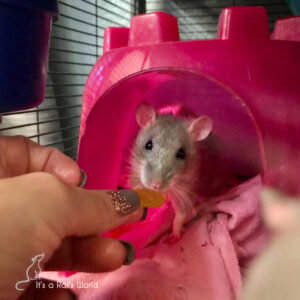
Therefore, the immediate priority is to introduce them to their pre-prepared cage. This space should be a sanctuary, equipped with food, water, bedding, and enrichment items. Allowing them to explore this safe haven at their own pace is paramount. Saxton suggests remaining present during this initial exploration, offering gentle reassurance through your voice and perhaps a small, appealing treat. This guided introduction helps them associate their new home with positive experiences, rather than fear or confusion. The cage also serves as an immediate and accessible place for them to relieve themselves, addressing potential "nervous tummy" issues that can arise from the stress of relocation.
Post-Cage Introduction: Gauging Your Rats’ Readiness
Following the initial cage exploration, the next step involves assessing your rats’ demeanor and the circumstances of their acquisition. If the journey to their new home was short and local, and the rats appear relatively confident, it may be appropriate to consider bringing them out for supervised interaction. However, if the rats endured a significant travel time or exhibit skittish behavior, granting them an additional 30 to 60 minutes to decompress within their cage is a prudent measure. This period of quiet observation allows them to settle in without feeling pressured. It’s essential to follow their lead; some rats will be eager to engage, while others will require more time to adjust.
Understanding Rat Behavior: Expectations for the First Month
The behavioral patterns of newly acquired rats can vary significantly. Some rats may exhibit boldness from the outset, readily exploring and interacting with their environment and new human caretakers. Others might display a mixture of caution and curiosity, while a significant portion may initially appear nervous, jumpy, or even frightened. This initial apprehension is a natural survival instinct for prey animals.
It is crucial for new owners to understand that this fear will not dissipate on its own. Saxton stresses that consistent, positive interaction is the key to building trust. This process should commence on day one and continue daily. Even if your rats are hiding or appear fearful, daily exposure to gentle handling, calm voices, and rewarding interactions is essential. Neglecting this crucial bonding period can exacerbate their fear and lead to a strained relationship. For owners concerned about potential biting, Saxton recommends consulting her article, "Do Pet Rats Bite?" which aims to alleviate common anxieties and provide confidence in managing such situations.
Addressing Common Rat Quirks and Behaviors
Beyond general nervousness, rats can exhibit specific behaviors that may surprise new owners. One notable quirk is their tendency to nip at socked feet. This behavior, while potentially startling, is not indicative of aggression. Saxton clarifies that rats are not typically prone to biting, and this sock-nipping is usually a playful or exploratory action, rarely causing harm. Understanding this behavior helps prevent misinterpretations that could lead to undue fear or neglect.
Another behavioral consideration involves sensitivity to certain household chemicals. The fumes from products like nail polish remover can disturb rats, potentially leading them to nip at fingers or toes. It is advisable to avoid using such products in the vicinity of your rats, given their compromised sense of smell and vision.
Essential Care Practices: Diet, Hygiene, and Veterinary Needs
Cage Cleaning Schedule: Maintaining a clean living environment is fundamental to your rats’ health and well-being. Daily spot cleaning, focusing on soiled bedding and waste, is highly recommended to manage odors and prevent the buildup of bacteria. A complete cage cleaning frequency depends on several factors, including the number of rats, their litter box habits, and their sex, as male rats may be more prone to marking their territory. Saxton’s article, "Resolve To Keep Your Rat’s Habitat Cleaner," offers a detailed guide to establishing an effective cleaning routine.
Feeding Regimen: Rats possess fast metabolisms and often benefit from a consistent feeding schedule. Dividing their daily staple diet into two meals, breakfast and dinner, can help them pace their intake and prevent overeating. Fresh fruits and vegetables can be incorporated into these meals or offered as smaller snacks throughout the day. Resources like the Rat Guide’s nutrition articles can provide more in-depth guidance on creating a balanced diet.
Veterinary Care: The necessity of immediate veterinary attention depends largely on the source of your rats. If acquired from a reputable rescue organization that adheres to strict quarantine protocols and provides pre-adoption medical care, an immediate vet visit may not be required. However, rats obtained from pet stores, unknown breeders, or situations where their previous care was questionable, may warrant a veterinary check-up. Stress can compromise their immune systems, making them susceptible to respiratory issues. Symptoms such as sneezing, labored breathing, or wheezing within the first few weeks of adoption should prompt veterinary consultation. Proactive financial planning for future veterinary expenses is also strongly advised, as specialized rodent care can be costly.

Building a Lasting Bond: Interaction and Enrichment
The journey of bonding with your rats extends beyond basic care. Once your rats have settled in and demonstrate a level of comfort, engaging them in out-of-cage playtime is crucial for their physical and mental stimulation, as well as for strengthening your connection. This playtime should occur in a safe, rat-proofed environment. Saxton suggests creating dedicated play areas, such as a "rat playground," which can include tunnels, climbing structures, and foraging toys. Her recommendations for utilizing furniture, like a decorated couch, offer practical solutions for extended, interactive sessions.
Understanding rat communication is also vital for a deeper bond. Saxton’s article, "Rat Communication: How Your Rat ‘Talks’ To You," delves into the various vocalizations, body language, and behaviors rats use to convey their needs and emotions. While this understanding develops over time, it significantly enhances the owner’s ability to respond appropriately to their pet’s cues.
The process of forming a strong bond with rats requires patience, consistency, and a willingness to learn their individual personalities. By providing a secure environment, engaging them in enriching activities, and responding to their needs with care and understanding, owners can foster a deep and rewarding relationship with these intelligent and social creatures. The initial apprehension often experienced by new owners can gradually transform into confidence and joy as they witness their rats thrive under their attentive care.

