


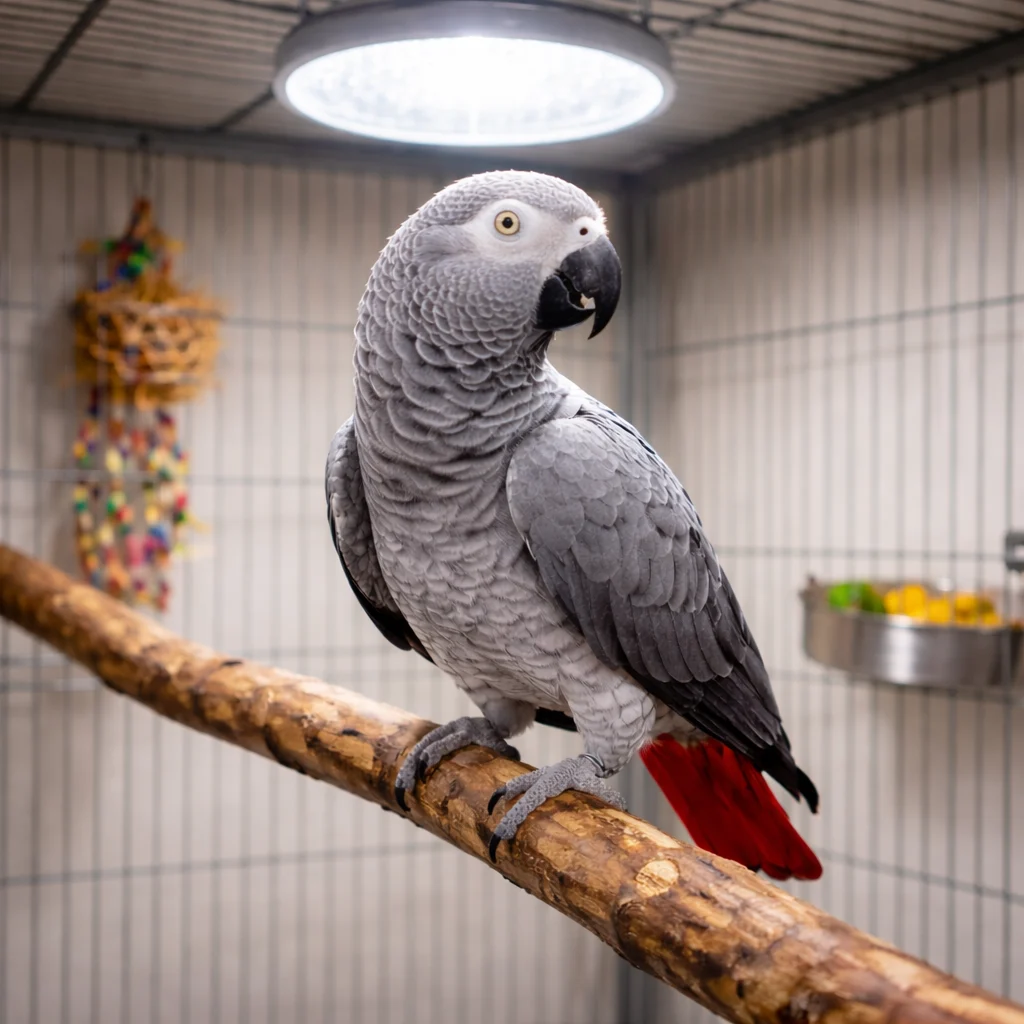
The prolonged indoor confinement of companion birds during winter months, often without adequate exposure to direct sunlight or specialized ultraviolet B (UVB) lighting, is precipitating a concerning rise in physiological imbalances, primarily manifesting as calcium and vitamin D3 deficiencies. This critical issue, frequently misdiagnosed as mere "winter blues" or behavioral quirks, can lead to a cascade of health problems ranging from subtle neuromuscular weakness and compromised feather quality to severe skeletal deterioration and life-threatening neurological events. Avian wellness experts caution that a healthy indoor bird should exhibit consistent strength, coordination, vibrant feather quality, and stable behavior year-round; any deviation during winter should be treated not as a seasonal anomaly but as a serious underlying health concern requiring immediate intervention.
The Crucial Role of UVB Light and Vitamin D3 in Avian Health
At the heart of this winter health crisis lies the unique physiology of birds. Unlike humans and many other mammals, birds possess a specialized mechanism in their preen gland (also known as the uropygial gland) and skin to synthesize Vitamin D3 (cholecalciferol) when exposed to specific wavelengths of UVB radiation. When a bird preens, it spreads the oils containing the D3 precursors over its feathers, which are then converted into active Vitamin D3 upon subsequent exposure to UVB light. This active Vitamin D3 is absolutely essential for the absorption of dietary calcium from the gut into the bloodstream. Without sufficient Vitamin D3, calcium, no matter how abundant in the bird’s diet, simply passes through the digestive system unutilized.
Calcium itself is a cornerstone of avian health, far beyond just bone strength. It plays indispensable roles in neuromuscular function, including muscle contraction and nerve signal transmission; cardiac rhythm regulation; blood clotting; immune system support; and the structural integrity of feathers and eggshells in breeding females. When Vitamin D3 is insufficient, the body cannot absorb enough calcium, leading to a state of hypocalcemia. To compensate for this deficit and maintain vital functions like heart rhythm and nerve impulses, a bird’s body will begin to resorb calcium directly from its bones. This silent depletion can continue for weeks or even months, progressively weakening the skeletal structure without any overt signs, until the bone density becomes critically low.
A Chronology of Silent Depletion: Recognizing the Warning Signs
The progression of calcium and Vitamin D3 deficiency often follows a discernible, albeit sometimes subtle, timeline:
- Early Phase (Silent Depletion): This stage typically occurs during the initial weeks or months of reduced UVB exposure. The bird’s body prioritizes critical physiological functions by drawing calcium from its bone reserves. During this period, owners may observe no outward symptoms, or perhaps only very minor, easily dismissed changes such as a slight decrease in overall energy. The bird may still eat its fortified pellets and vegetables, providing a false sense of security regarding its nutritional status.
- Subtle Symptomatic Phase: As bone density continues to decline and calcium levels become more precarious, the first noticeable signs often emerge. These include a weaker perch grip, where the bird might appear to slide or grasp less firmly, indicating early neuromuscular compromise. Owners might also notice a slight increase in irritability or a "shorter fuse," as mineral imbalances can heighten nervous system excitability. Feather quality may begin to decline, appearing duller than usual, or molting might be delayed or irregular. Activity levels may subtly decrease.
- Moderate Symptomatic Phase: At this point, the symptoms become more pronounced and difficult to ignore. Excessive shredding of toys, cage papers, or feathers can be a sign of underlying stress and neurological irritation linked to calcium-magnesium imbalances. Feathers might develop visible "stress bars" – horizontal lines across the feather vane – indicating periods of nutritional stress during feather growth. The bird’s overall posture might appear slightly slouched or less alert, and flight duration or agility may decrease noticeably.
- Advanced/Critical Phase: This stage represents a severe, life-threatening emergency. Symptoms include obvious instability, falling from perches, tremors, uncontrolled muscle spasms, and even seizure-like episodes. In breeding females, severe hypocalcemia can lead to life-threatening egg-binding. By the time these severe signs manifest, the bird’s bone strength is often dangerously depleted, and irreversible organ damage may have occurred. Immediate veterinary intervention is crucial, but prognosis can be guarded due to the extent of the internal damage.
Beyond Pellets: Why Diet Alone is Insufficient
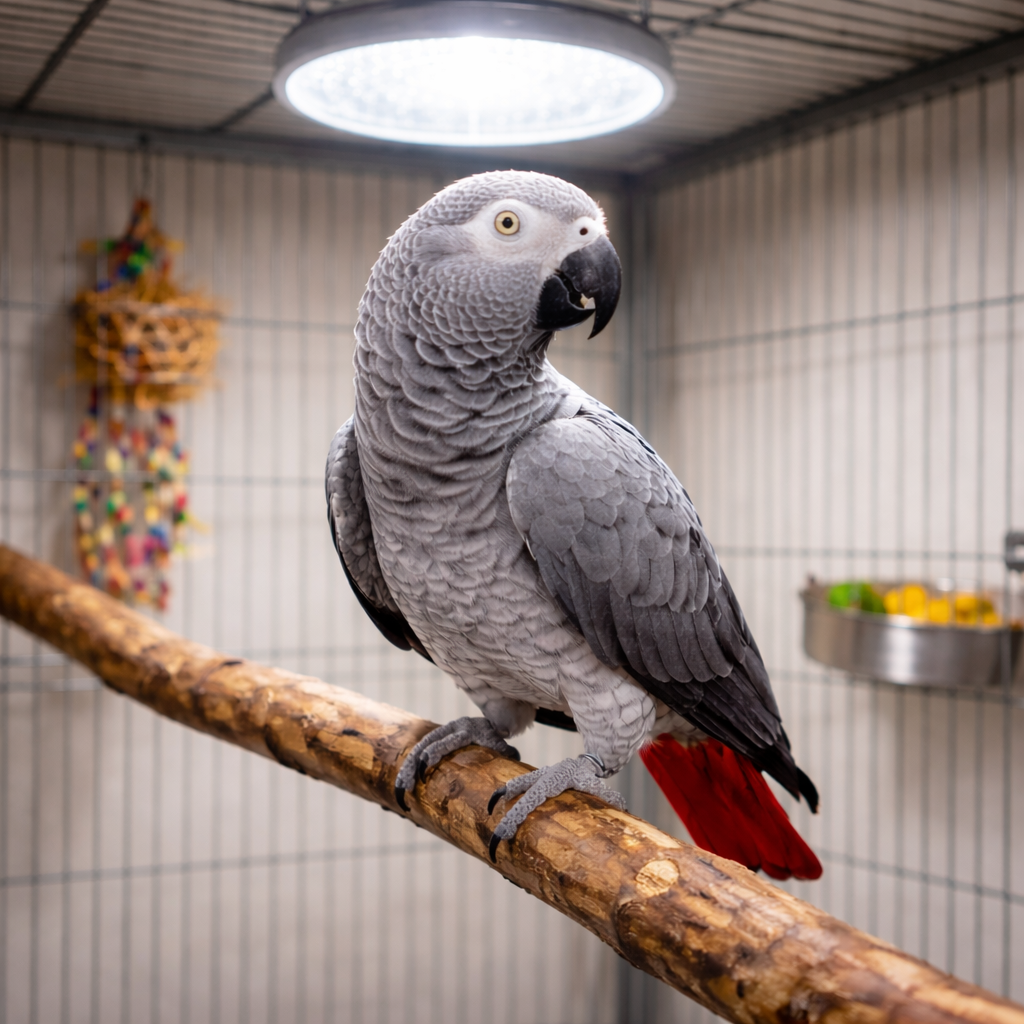
Many conscientious bird owners provide their pets with high-quality pelleted diets and fresh vegetables, believing this covers all nutritional bases. While these diets are crucial for overall health, they cannot compensate for a lack of Vitamin D3 synthesis. The observation that a bird consuming pellets and vegetables still exhibits weaker grip, dull feathers, or lower energy is a classic indicator of a Vitamin D3-calcium absorption issue.
The problem is not the amount of calcium in the food, but the bird’s inability to utilize that calcium. Without the enzymatic processes facilitated by Vitamin D3, calcium from pellets, cuttlebone, mineral blocks, or even liquid calcium supplements will largely pass through the digestive system unabsorbed. Providing more calcium without addressing the Vitamin D3 deficiency is akin to pouring water into a bucket with a hole – the resource is there, but it cannot be retained or used effectively. This underscores the fundamental principle that winter weakness in indoor birds is primarily a light problem that secondarily manifests as a mineral absorption problem.
Expert Insights and Veterinary Recommendations
Diane Burroughs, LCSW, a licensed psychotherapist and avian wellness educator, emphasizes the importance of understanding the physiological basis of these symptoms. "Birds will pull calcium out of their own bones to keep the heart and muscles functioning," Burroughs states. "This compensation can continue silently for weeks or months. By the time you see falling, tremors, or seizure-like episodes, bone strength may already be dangerously depleted." This expert note highlights the insidious nature of the deficiency and the urgency of proactive prevention.
Avian veterinarians universally concur on the critical need for proper environmental enrichment, particularly adequate lighting. Dr. Susan O’Malley, a prominent avian specialist, often advises, "The best calcium supplement for a bird is proper UVB light. Dietary calcium is inert without it." This sentiment is echoed across the veterinary community, emphasizing that prevention through appropriate husbandry is far more effective and humane than treating advanced stages of deficiency.
The 3-Step Winter Bone Reset: A Proactive Approach
To counteract the effects of winter light loss and restore a bird’s calcium metabolism, a comprehensive approach focusing on light, diet, and monitoring is essential:
-
Optimize UVB Lighting: This is the most crucial step. Install a full-spectrum avian-specific UVB lamp (not a reptile bulb, as spectrums differ) within the bird’s cage or enclosure. These bulbs typically come in compact fluorescent or mercury vapor varieties.

- Placement: Position the lamp so the bird can bask directly in its light without any glass or plastic barrier, which blocks UVB rays. The optimal distance varies by bulb type, but generally, 6-12 inches from the bird’s favorite perch is recommended.
- Duration: Provide 10-12 hours of UVB exposure daily, mimicking natural daylight cycles.
- Replacement: UVB bulbs lose their efficacy long before they burn out, typically needing replacement every 6-12 months, depending on the manufacturer’s recommendations. Mark the purchase date and replacement date on the bulb itself.
- Natural Sunlight: Whenever weather permits and it is safe, allow your bird supervised outdoor time in a secure cage, exposed to unfiltered natural sunlight. Even short periods can be highly beneficial.
-
Enhance Dietary Calcium & D3 Support: While UVB is primary, dietary support remains vital.
- Calcium-Rich Foods: Continue offering a balanced pelleted diet, supplemented with calcium-rich vegetables like dark leafy greens (kale, collard greens, dandelion greens), broccoli, and fortified cereals.
- Vitamin D3 Supplements (with caution): If a bird is already showing signs of deficiency or has limited UVB access, a veterinarian may recommend a Vitamin D3 supplement. However, Vitamin D3 is fat-soluble and can be toxic in overdose, so supplementation should always be done under direct veterinary guidance and never without professional consultation. Oral calcium supplements are often given in conjunction with D3 if a severe deficiency is diagnosed.
-
Monitor and Consult Your Avian Veterinarian:
- Daily Observation: Regularly observe your bird for any of the subtle or overt symptoms discussed above. Keep a journal of changes in behavior, activity, and feather quality.
- Annual Check-ups: Regular wellness exams with an avian veterinarian are crucial for early detection of health issues. Blood tests can measure calcium and Vitamin D3 levels, providing objective data.
- Emergency Vet Visit: If your bird exhibits severe symptoms such as falling, tremors, seizures, or appears acutely unwell, seek immediate veterinary care. These are life-threatening emergencies.
Broader Implications and The Call for Education
The widespread occurrence of winter-related calcium and Vitamin D3 deficiency in companion birds highlights a significant gap in owner education regarding avian husbandry. Many well-meaning owners are simply unaware of the specific light requirements of their birds, often confusing "full-spectrum" bulbs (which provide visible light but not necessarily UVB) with true avian UVB lights. This lack of awareness contributes to silent suffering for countless birds and places an avoidable burden on veterinary resources.
The economic implications are also noteworthy. The cost of preventing calcium deficiency through proper lighting and diet is minimal compared to the expenses associated with emergency veterinary care, diagnostic tests, and long-term treatment for advanced skeletal or neurological damage. Beyond the financial aspect, the ethical imperative to provide optimal welfare for companion animals demands a proactive approach to understanding and meeting their fundamental biological needs.
In conclusion, the notion that a bird becoming "weaker" or "duller" in winter is normal or acceptable is a dangerous misconception. This guide serves as a critical call to action for bird owners to assess their birds’ environmental conditions and dietary support. By understanding the intricate link between UVB light, Vitamin D3, and calcium absorption, and by implementing appropriate preventative measures, we can ensure our feathered companions maintain their strength, vitality, and well-being throughout the winter months and beyond. Prioritizing proper light and nutrition is not just about avoiding problems; it’s about fostering a vibrant, healthy life for our birds, ensuring they thrive, not just survive.

