


Published On: May 25, 2026
Last updated on: May 25, 2026
Avian digestive health is a critical, yet often overlooked, cornerstone of a parrot’s overall well-being. Many companion bird owners find themselves grappling with perplexing changes in their pet’s droppings, subtle behavioral shifts, or a general lack of vitality that points towards underlying digestive inefficiencies. These issues, frequently stemming from dietary imbalances and environmental stressors, can escalate from mild inconveniences to serious health threats if not addressed proactively. This comprehensive guide aims to illuminate the complexities of avian digestion, offering insights into preventative strategies, natural dietary interventions, and crucial indicators for seeking professional veterinary care.
The Silent Epidemic: Dietary Roots of Avian Digestive Distress
The journey from a wild existence to a captive environment brings with it profound dietary shifts for parrots. In their natural habitats, birds consume an incredibly diverse array of fresh plant materials, seeds, buds, insects, and seasonal fruits, ensuring a constant intake of moisture, fiber, and a broad spectrum of micronutrients. This contrasts sharply with the often monotonous, dry, and calorie-dense diets prevalent in many captive settings. Avian nutritionists and veterinarians consistently point to this stark difference as the primary catalyst for a range of digestive disturbances.
Experts like Diane Burroughs, a licensed psychotherapist and ABA-trained behavior specialist with decades of avian experience, frequently highlight that "many digestive issues begin long before a bird looks visibly sick. Dry repetitive diets, low moisture intake, poor plant diversity, stress, and selective eating slowly affect the digestive tract over time." This chronic, low-grade dietary stress, rather than an acute event, is often the insidious root cause. Birds evolved to thrive on a diet rich in moisture and fiber, which are crucial for optimal gut motility, nutrient absorption, and maintaining a healthy gut microbiome. When these elements are deficient, the digestive system struggles, leading to a cascade of subtle symptoms that owners may initially dismiss.
Common observations by owners that signal early digestive issues include inconsistent droppings, periods of stress-induced diarrhea ("stress poops"), reduced interest in fresh vegetables, and messy or poorly formed stools. While these may appear minor, they are often the avian equivalent of a human experiencing chronic indigestion or IBS, indicating that the digestive machinery is not operating at peak efficiency.
Decoding Droppings: What Your Bird’s Poop Reveals About Its Health
One of the most immediate and informative indicators of a bird’s health is the appearance of its droppings. However, distinguishing between normal variations and concerning anomalies requires a keen eye and understanding of avian physiology. A healthy bird dropping typically consists of three components:
- Feces: The solid, often coiled or formed part, varying in color from green to brown depending on diet.
- Urates: The white or cream-colored, semi-solid portion, representing kidney function.
- Urine: The clear liquid component, often minimal in well-hydrated birds.
Normal variations that might cause initial alarm but are often benign include color changes due to specific foods (e.g., berries causing red stools), slightly wetter droppings after consuming a large amount of fresh produce, or larger droppings after a prolonged sleep. These are usually transient and not accompanied by changes in the bird’s behavior or appetite.
However, certain changes demand immediate attention. These include consistently watery droppings (polyuria), which indicate excessive urine production; diarrhea, characterized by unformed, loose feces; dramatic color changes not attributable to diet (e.g., black, tarry stools suggesting internal bleeding, or bright yellow/green indicating liver issues); an absence of urates; or the presence of undigested food. Most critically, any of these changes become significantly more serious when they occur alongside observable shifts in the bird’s behavior, such as lethargy, fluffed feathers, reduced appetite, or weight loss. In such cases, professional avian veterinary care is imperative.
The Unsung Heroes: Moisture and Fiber in Avian Diets
Many companion birds consume diets that are calorie-dense but biologically dry, such as seed mixes or extruded pellets, without adequate supplementation of fresh, moist foods. This dietary pattern often leads to a subtle but significant form of dehydration and fiber deficiency, impacting digestive function profoundly.
Fiber, often found in the cell walls of plants, acts as a natural prebiotic, supporting beneficial gut bacteria and promoting healthy bowel movements. It adds bulk to the stool, aiding in the smooth transit of food through the digestive tract. Moisture, intrinsically linked with fresh produce, facilitates enzyme activity, nutrient dissolution, and overall gut hydration. Without sufficient moisture and fiber, birds may compensate by drinking excessive amounts of water, leading to chronically messy or watery droppings, or they may overeat calorie-dense dry foods in an attempt to feel satiated, exacerbating nutritional imbalances.
The avian digestive tract, including the crop, proventriculus, ventriculus (gizzard), and intestines, functions optimally when food provides a rich tapestry of moisture, texture, fiber, and nutrient variety. This complex interplay supports efficient digestion, nutrient absorption, and the maintenance of a robust gut microbiome, which is essential for immunity and overall health.
Natural Dietary Interventions for Optimal Avian Digestion
Transitioning a bird to a digestion-supportive diet involves consistent, small upgrades rather than drastic overhauls. The goal is to mimic the diversity and nutritional profile of a wild avian diet as closely as possible within a captive setting.
-
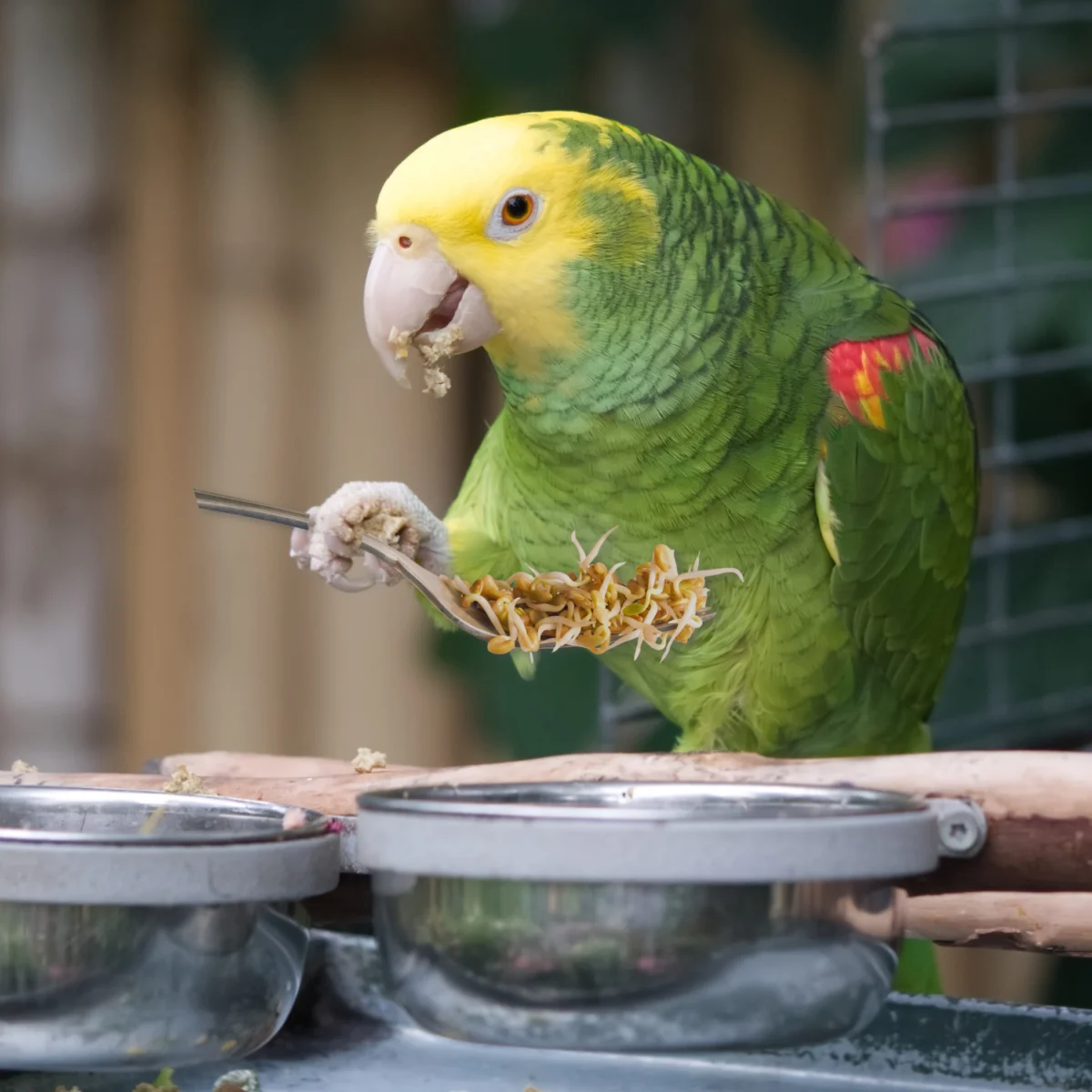
Sprouts: Live Food for a Lively Gut
- Observable Problem: Birds consuming mostly dry food, exhibiting inconsistent or dry droppings, and showing little interest in fresh vegetables.
- Why Sprouts Help: Sprouting transforms dormant seeds into living foods, significantly increasing their moisture content, enzyme activity, and bioavailability of nutrients. They offer a concentrated source of vitamins, minerals, and antioxidants, and their high water content directly aids hydration and softer stools.
- Why This Works: The process of sprouting unlocks stored energy and nutrients, making them more accessible and digestible for birds. It also introduces feeding enrichment, encouraging natural foraging behaviors. High-quality sprouting seeds (e.g., mung beans, lentils, alfalfa) are excellent choices.
-
Omega-Rich Seeds: Enhancing Stool Quality and Gut Lining
- Observable Problem: Dry, flaky droppings, low fresh food intake, dull feathers, or a history of heavily processed diets.
- Why Omega-Rich Foods Help: Seeds like chia, flax, and hemp hearts are powerhouses of both soluble and insoluble fiber, along with essential omega-3 and omega-6 fatty acids. This combination helps to lubricate the digestive tract, improve stool consistency, and support the integrity of the gut lining.
- Why This Works: Fiber adds bulk and helps regulate transit time, while essential fatty acids reduce inflammation and support the mucosal barrier of the intestines, which is crucial for nutrient absorption and protection against pathogens. For instance, chia seeds are hydrophilic, forming a gel that aids hydration and smooth passage, while flax provides lignans and omega-3s beneficial for overall cellular health.
-
Leafy Greens: The Foundation of Fiber and Phytonutrients
- Observable Problem: Birds refusing vegetables or consuming an extremely repetitive, nutrient-poor diet.
- Why Greens Help: Dark, leafy greens such as kale, dandelion, collard greens, and romaine lettuce are rich in fiber, vitamins (A, C, K), and a vast array of phytonutrients. They contribute significantly to microbiome diversity, which is linked to stronger immunity and better digestive function.
- Why This Works: Plant diversity is fundamental to a healthy avian diet. Different greens offer unique nutrient profiles that collectively support various bodily functions, including detoxification pathways and the production of beneficial gut bacteria. For birds reluctant to eat fresh greens, finely chopped "chop" mixes or specialized bird green supplements can bridge the nutritional gap.
-
Calming Herbs: Addressing Stress-Related Digestive Upset
- Observable Problem: "Stress poops," watery droppings during environmental changes, appetite fluctuations, or regurgitation during hormonal periods.
- Why Calming Herbs Help: The avian nervous system and digestive system are intimately connected. Stress, whether from environmental changes, social dynamics, or hormonal fluctuations, directly impacts gut motility, enzyme secretion, and stool quality. Herbs like chamomile, lavender, or passionflower, often found in specialized avian teas or supplements, can help modulate the stress response.
- Why This Works: By promoting a sense of calm, these herbs can indirectly support more stable digestive function. A relaxed bird is less likely to experience stress-induced gastrointestinal disturbances, leading to better appetite regulation and more consistent droppings.
The Profound Impact of Stress on Avian Digestion
Stress is a significant, often underestimated, factor in avian digestive health. Parrots are highly sensitive creatures, and even subtle changes in their environment can trigger a physiological stress response that directly affects their gut. Avian veterinarians note a consistent pattern of digestive changes during:
- Relocation or changes in living arrangements.
- The introduction of new pets or family members.
- Changes in routine or social interaction.
- Seasonal hormonal fluctuations.
- Exposure to loud noises or unfamiliar stimuli.
- Periods of illness or recovery.
The physiological manifestations of stress on digestion can include altered gut motility (leading to either constipation or diarrhea), reduced appetite, increased water intake (resulting in polyuria), changes in the composition of gut flora, and even regurgitation not associated with courtship. The constant communication between the gut and the brain means that a stressed mind often translates to a troubled gut. Recognizing and mitigating stressors is therefore a crucial component of holistic digestive care.
Detrimental Habits: What to Avoid for a Healthy Gut
While focusing on beneficial additions is important, understanding what habits can exacerbate digestive issues is equally critical.
- Repetitive Dry Diets: Feeding the same dry seeds or pellets day in and day out, without fresh food supplementation, is arguably the biggest mistake. It leads to nutrient deficiencies, lack of moisture, and an impoverished gut microbiome.
- Excessive Sugary Treats: Fruits should be given in moderation as treats, not a staple. High sugar intake can disrupt gut flora balance and lead to yeast overgrowth.
- Processed Human Foods: Many human foods contain salt, sugar, fats, and artificial ingredients that are toxic or indigestible for birds.
- Inconsistent Feeding Schedules: Birds thrive on routine. Irregular feeding can cause stress and impact digestive rhythm.
- Lack of Water Diversity: Only offering water in one location or form can lead to suboptimal hydration. Providing multiple water sources and types (e.g., ceramic bowls, sipper bottles) can encourage intake.
- Poor Hygiene: Contaminated food or water bowls are breeding grounds for bacteria and fungi, leading to infections and digestive upset.
- Over-reliance on Supplements: While supplements have their place, they cannot compensate for a fundamentally poor diet. A "healthier microbiome is usually built through better daily feeding habits," as stated by many avian experts.
Probiotics: A Supporting Role, Not a Standalone Solution
The market for avian probiotic products is substantial, leading many owners to believe they are a daily necessity. Current avian research suggests that probiotics can be beneficial, particularly after a course of antibiotics, during periods of stress, or in recovering birds, by helping to re-establish a healthy balance of gut flora. However, they are not a magic bullet. Their efficacy is maximized when combined with a nutritionally sound diet. A bird consuming a diverse diet rich in fiber and moisture will naturally foster a healthier and more resilient gut microbiome than a bird on a poor diet supplemented with probiotics. The emphasis should always be on establishing a strong foundation through diet first.
Building a Digestion-Supportive Chop Bowl: A Practical Approach
A "chop bowl" is a fantastic way to introduce dietary diversity. It involves finely chopping a mix of vegetables, grains, sprouts, and other healthy ingredients, making them more appealing and easier to consume for picky eaters. Here’s how to build a digestion-supportive chop:
| Component | Why It’s Beneficial |
|---|---|
| Sprouts | Increases moisture, enzyme activity, and nutrient availability. Enhances digestibility. |
| Leafy Greens | Provides essential fiber, vitamins, and a broad spectrum of phytonutrients. Supports gut flora diversity. |
| Omega-Rich Seeds | (e.g., Chia, Flax, Hemp Hearts) Adds healthy fats, fiber, and helps improve stool quality and gut lining health. |
| Cooked Grains | (e.g., Quinoa, Brown Rice) Offers complex carbohydrates and additional fiber. |
| Shredded Vegetables | (e.g., Carrots, Sweet Potato, Bell Peppers) Provides vitamins, minerals, and moisture. |
| Calming Herbs (optional) | (e.g., A pinch of SereniTea) May support digestive comfort during stressful periods. |
This blend can be prepared in bulk and frozen in daily portions, ensuring convenience and consistent access to a diverse diet.
When Digestive Symptoms Demand Veterinary Intervention
While many mild digestive issues can be managed through dietary adjustments, it is paramount for bird owners to recognize when symptoms cross the line from a home nutrition situation to an urgent veterinary concern. The following signs warrant immediate consultation with an avian or exotics veterinarian:
- Vomiting or Regurgitation: Persistent or forceful expulsion of food (distinct from self-induced regurgitation during courtship).
- Passing Blood: Any visible blood in droppings.
- Significant Weight Loss: Unexplained and rapid decrease in body mass.
- Persistent Lethargy or Weakness: A bird sitting fluffed, unresponsive, or unusually quiet.
- Undigested Food in Droppings: Indicating severe malabsorption or rapid gut transit.
- Sudden Changes in Dropping Volume/Consistency: Especially if accompanied by behavioral shifts.
- Distended Abdomen: Suggesting fluid retention or organ enlargement.
- Any combination of the above, particularly if rapid onset.
The adage "droppings matter most when they change alongside the bird’s behavior" underscores the critical link between physical symptoms and overall well-being. A bird that is merely passing looser droppings but remains active, alert, and has a good appetite may simply need a dietary tweak. However, a bird exhibiting similar droppings alongside lethargy, anorexia, or fluffed posture is likely experiencing a serious underlying condition. Early intervention by an experienced avian veterinarian can be life-saving.
Conclusion: A Proactive Approach to Lifelong Avian Health
Maintaining optimal digestive health in companion parrots is a continuous commitment that significantly impacts their quality of life and longevity. By understanding the evolutionary dietary needs of these magnificent creatures, recognizing the subtle cues their droppings provide, and implementing proactive dietary and environmental strategies, owners can prevent many common digestive ailments. Prioritizing fresh, diverse, moisture-rich foods, minimizing stressors, and knowing when to seek professional veterinary assistance are the pillars of responsible avian care. The long-term implication of such a holistic approach is a vibrant, healthy parrot, whose digestive system functions efficiently, contributing to a robust immune system, shiny feathers, and a joyful demeanor for years to come.
References:
- Merck Veterinary Manual, 2024.
- Harrison & Lightfoot, Clinical Avian Medicine.
- Frontiers in Veterinary Science, Avian Nutrition & Gut Health Research.
- Burroughs, Diane, UnRuffledRx. (Inferred expert statements and recommendations based on provided content).

