


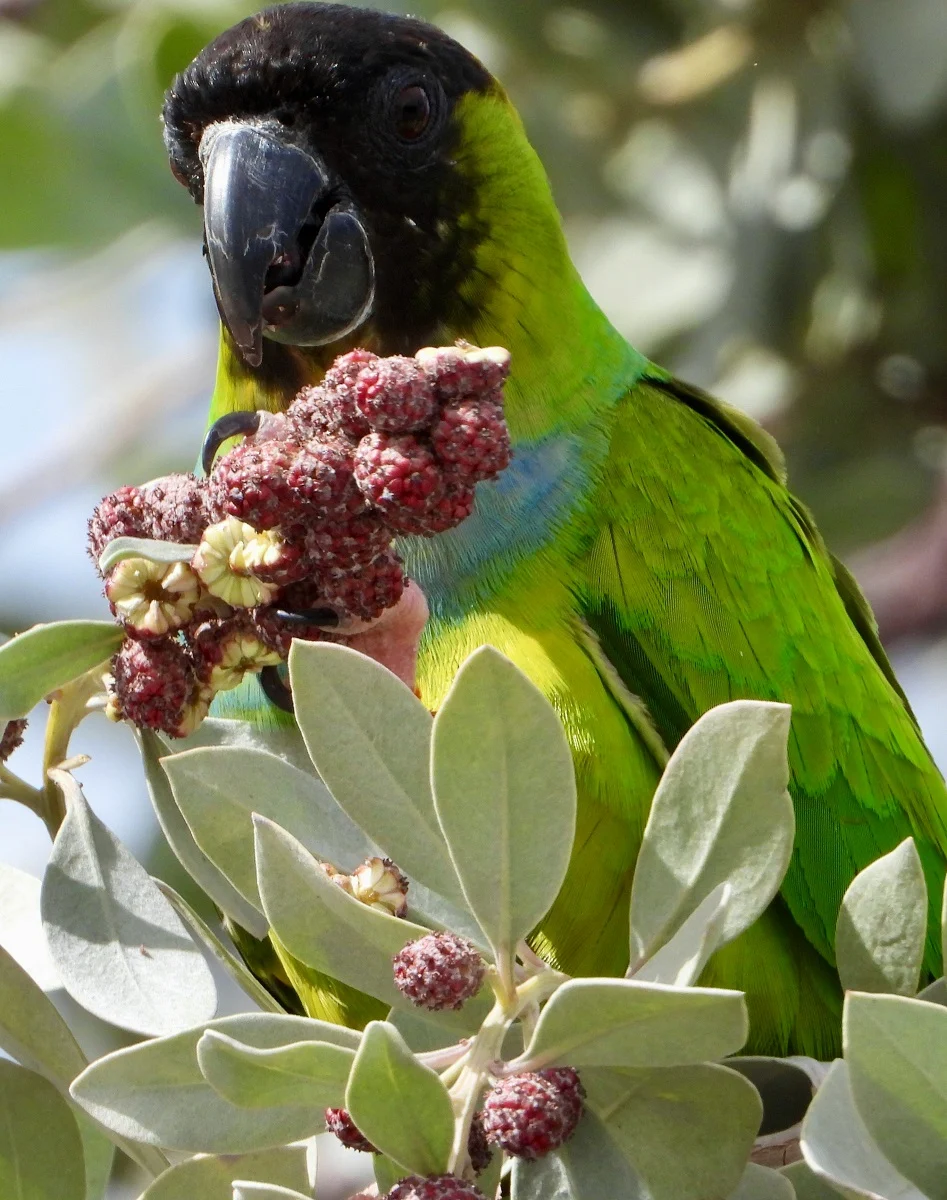
Considering the addition of a Nanday Conure, also known as the Black-Hooded Conure (Aratinga nenday), to a household requires a comprehensive understanding of its unique characteristics, particularly its striking personality and formidable vocalizations. These intelligent, friendly, and playful South American parrots offer immense companionship but are unequivocally suited only for individuals prepared for a significant commitment, notably a very high tolerance for noise. This species, recently reclassified from Nandayus nenday based on molecular phylogenetic studies, embodies a paradox: a small-to-medium-sized avian friend capable of producing sounds that rival industrial machinery.
Detailed Appearance and Taxonomic Classification
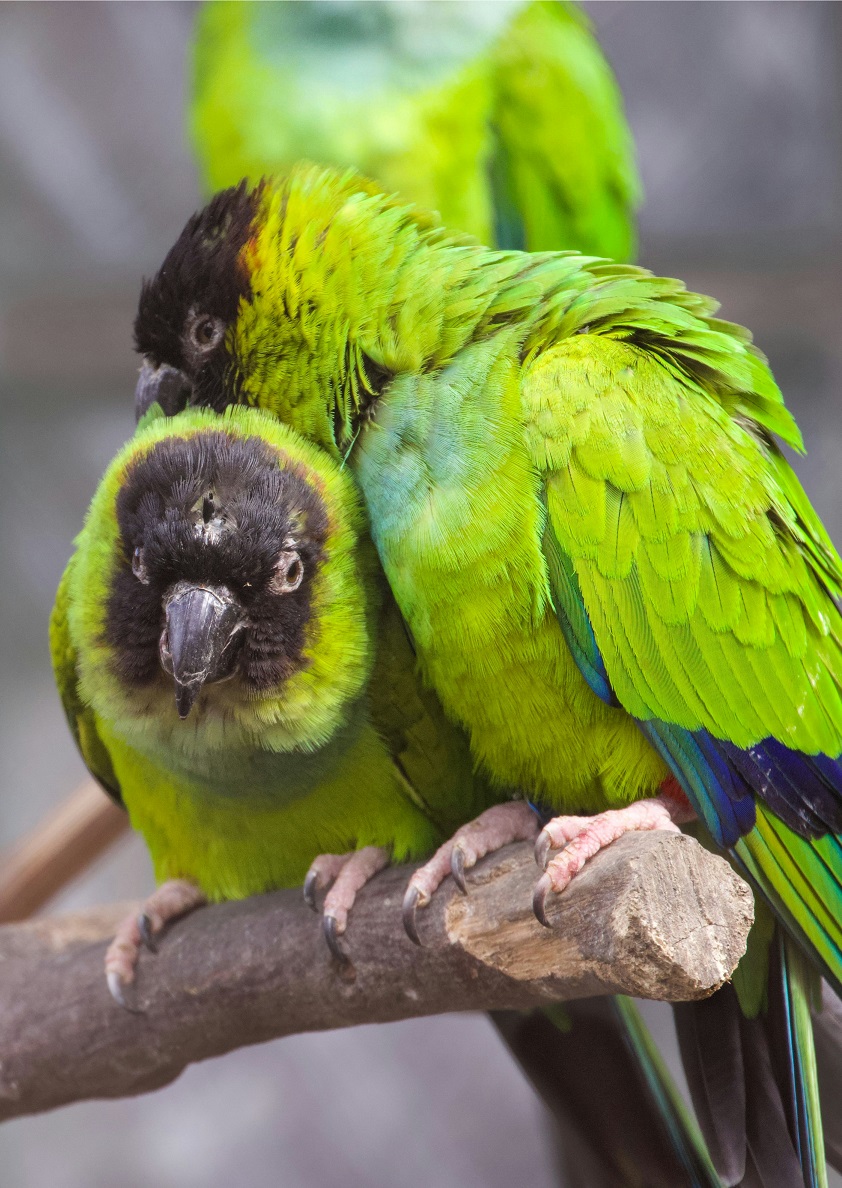
The Nanday Conure’s common name, "black-hooded conure," is a direct descriptor of its most distinguishing feature: a stark, glossy black head that contrasts sharply with an otherwise brilliant emerald green body. This captivating plumage is further accentuated by a black beak, prominent white eye rings that frame expressive dark eyes, and feathers that transition from blue-green on the chest to vibrant red on the thighs. Reaching an adult size of up to 12 inches (30 cm) in length and typically weighing around 140 grams, these parrots are considered compact yet robust. Their vibrant appearance belies a longevity that can span up to 30 years with appropriate care, making them a significant, long-term commitment for any prospective owner.
The taxonomic journey of the Nanday Conure provides an interesting insight into avian classification and the dynamic nature of scientific understanding. For many years, the species held its own distinct genus, Nandayus nenday. However, a pivotal study published in 2004, leveraging advanced molecular phylogenetic techniques, concluded that the species did not warrant its separate genus. Genetic analysis revealed a closer kinship with other well-known conures, such as the Sun Conure (Aratinga solstitialis) and Jenday Conure (Aratinga jandaya). This scientific realignment underscored shared evolutionary paths and genetic similarities, leading to its reclassification into the Aratinga genus. This shift highlights the ongoing efforts in ornithology to accurately map avian relationships based on genetic evidence, consolidating its position within a group celebrated for its vivacious and often vocal members.
Geographic Distribution and Natural Habitat Ecology
In its natural range, the Nanday Conure is indigenous to central South America, occupying a narrow geographical band that stretches through several countries. This includes the heart of Paraguay, extending into southern Brazil, eastern Bolivia, and reaching as far south as northern Argentina. These parrots thrive in open lowlands, typically found at elevations up to approximately 2,600 feet (800 meters) above sea level. Their preferred habitats are often characterized by former forests that have been converted into cattle pastures, indicating a degree of adaptability to human-altered landscapes. These areas are frequently dotted with palm trees, particularly Copernicia species, which are critical for nesting, and can vary significantly in moisture content, ranging from swampy wetlands to relatively arid environments.
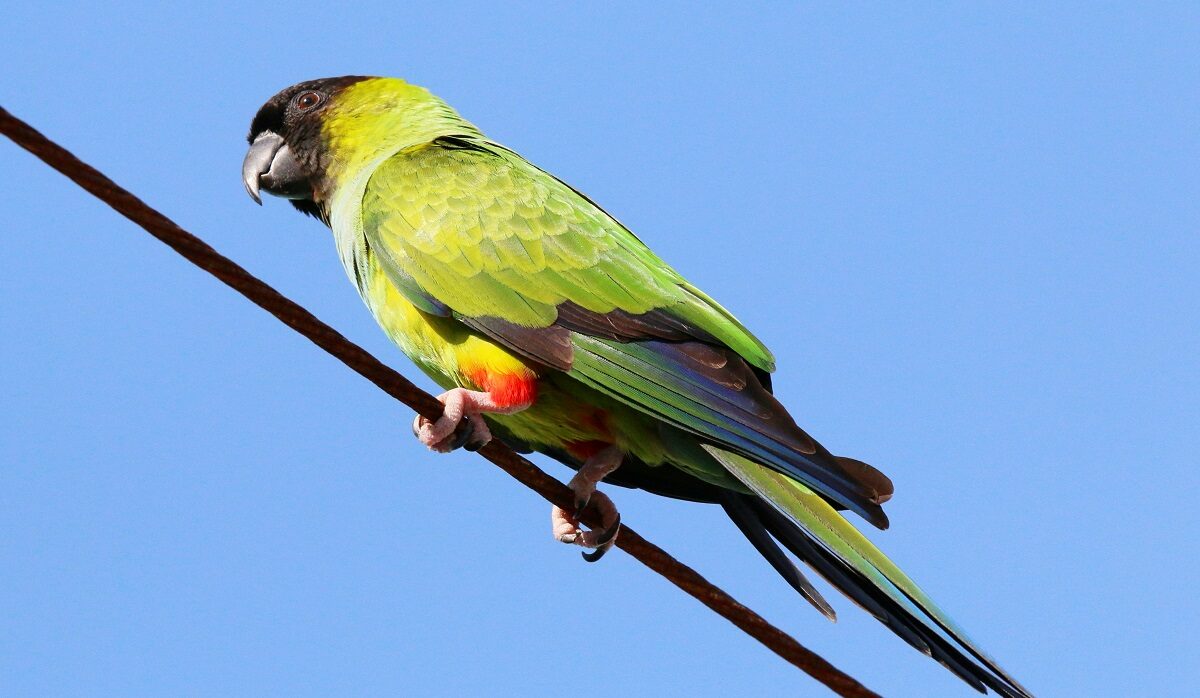
Remarkably, the International Union for Conservation of Nature (IUCN) Red List classifies Aratinga nenday as a species of "Least Concern." The wild population is not only stable but appears to be increasing, a phenomenon attributed in part to habitat modifications resulting from human agricultural activities. The clearing of dense forests for pastureland has, in some instances, inadvertently created more suitable open lowland habitats for this adaptable species. This adaptability, while beneficial in its native range, has contributed to a complex ecological challenge in other parts of the world.
The Invasive Species Phenomenon: An Ecological Concern
Like numerous other parrot species, the Nanday Conure has established itself as an invasive species in several non-native countries, particularly within urban and suburban environments. Released or escaped pets have demonstrated a remarkable ability to survive, breed, and form thriving feral flocks outside their natural distribution. Notable populations have been observed in diverse regions such as Spain, various parts of California and Florida in the United States, and other locales globally. A comprehensive 2019 study on naturalized parrots in the United States highlighted its prominence, ranking it among the top three most successfully established naturalized parrot species in the country, alongside species like the Monk Parakeet.
The presence of invasive parrot populations raises significant environmental concerns for conservationists and local authorities. These non-native birds can exert negative pressures on native ecosystems through various mechanisms. They may compete with indigenous wildlife for vital resources such as food, water, and nesting sites, potentially displacing native bird species or other fauna. Furthermore, invasive parrots can act as vectors for diseases and parasites, introducing novel pathogens to native populations that lack natural immunity. Economically, they can cause agricultural damage by feeding on crops and fruit orchards, and their large flocks can contribute to noise pollution and infrastructure damage in urban settings. The proliferation of Nanday Conures in these non-native areas necessitates ongoing monitoring, research, and, where appropriate, management strategies to mitigate their ecological and economic footprint.
Dietary Habits: Wild Foraging vs. Captive Nutrition
The Nanday Conure’s diet in its natural habitat is notably diverse, reflecting its opportunistic foraging strategies and the rich biodiversity of its South American home. Wild individuals primarily subsist on a variety of wild fruits, including those from the Copernicia palm, a common sight in their native lowlands. Their diet also encompasses a wide array of seeds, berries, flowers, and flower buds, providing a rich spectrum of essential nutrients. A fascinating aspect of their wild feeding behavior, documented in a 2002 study published in the Brazilian Journal of Biology, identifies the Nanday Conure as a pollinator for the striking Erythrina dominguezii tree. By consuming nectar from its vibrant flowers, these birds inadvertently facilitate the spread of pollen, playing a crucial ecological role in plant reproduction. Moreover, like many other South American parrot species, Nanday Conures frequently visit natural clay licks to ingest soil. This geophagy is hypothesized to aid in obtaining essential micronutrients lacking in their regular diet and to neutralize natural toxins present in certain fruits or seeds they consume, a crucial adaptive behavior for survival.
In a captive setting, replicating this nutritional diversity and ensuring a balanced diet is paramount for the bird’s health and longevity. Avian veterinarians, including specialists in psittacine health, universally advocate for a base diet of high-quality, species-appropriate pellet food. This recommendation marks a significant shift from historical practices where seed mixes constituted the primary diet for pet parrots. Experts now widely agree that a seed-heavy diet is often deficient in essential vitamins, minerals, and amino acids, and can lead to severe malnutrition, obesity, and related health issues such as fatty liver disease in parrots.
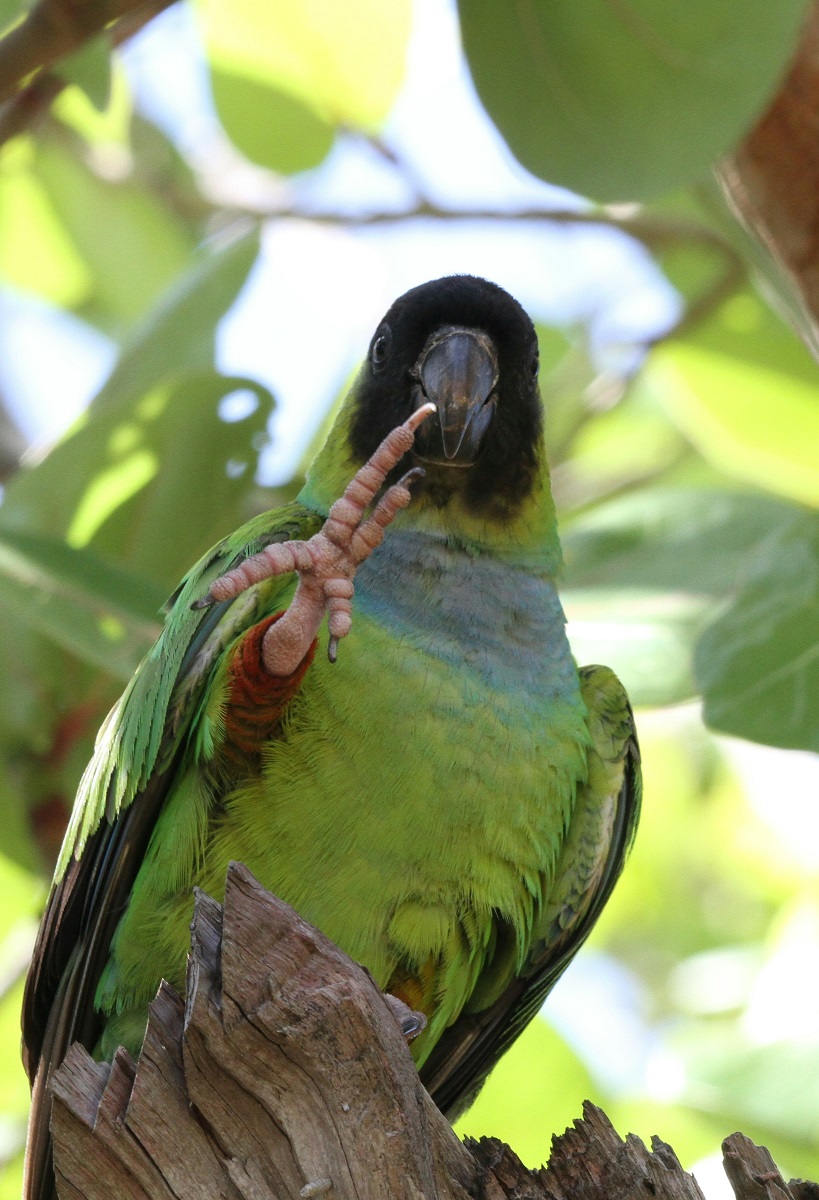
To supplement the pellet base, owners should offer a wide array of fresh fruits and vegetables daily. Parrot-safe options include grapes, leafy greens (e.g., kale, spinach), apples, bell peppers, broccoli, carrots, and various berries, among many others. These fresh produce items supply crucial vitamins, minerals, fiber, and antioxidants, contributing significantly to overall health. Additionally, small quantities of sprouted seeds, cooked whole grains such as pasta and brown rice, and occasional protein sources like small pieces of boiled egg or cooked lean chicken can be incorporated to further enrich the diet and provide variety. Adhering to a meticulously balanced diet is the cornerstone of maintaining a Nanday Conure in optimal physical condition, underscoring the importance of comprehensive research into parrot nutrition and regular consultation with an avian veterinarian.
Housing Requirements for a Thriving Nanday Conure
Providing an appropriate and stimulating living environment is fundamental to the physical and psychological well-being of a Nanday Conure. For owners who do not intend to allow their bird extensive free-roaming time outside its enclosure, a full-sized aviary is the ideal solution, offering ample space for flight, exercise, and natural behaviors. Such an aviary should ideally boast a length of approximately 10 feet (3 meters) to accommodate their active nature and allow for sustained flight.
Even with regular out-of-cage time, a spacious indoor cage is indispensable for safety and comfort. The minimum recommended dimensions for a single Nanday Conure are at least 30 x 24 x 24 inches (75 x 60 x 60 cm), though larger is always preferable. Critically, cage length is often considered more important than height for conures, as they primarily fly horizontally. The cage must be large enough to allow the Nanday Conure to fully stretch its wings in all directions without touching the sides or top, which is vital for maintaining muscle tone and preventing feather damage. Bar spacing should be appropriate for the bird’s size, typically between 5/8 to 3/4 inch, to prevent escapes or injuries.
The interior of the cage should be thoughtfully outfitted to promote physical health and mental stimulation. A variety of natural wood perches of differing diameters and textures should be provided to prevent foot problems like bumblefoot and encourage natural foot exercise. Platforms can offer additional resting spots and opportunities for exploration. Crucially, a wide assortment of conure-specific toys is essential to combat boredom, prevent destructive behaviors stemming from lack of stimulation, and satisfy their natural chewing instincts. These toys should be rotated regularly to maintain novelty and engagement. Furthermore, at least two food bowls (one for pellets, one for fresh produce) and a constant source of clean, fresh water are absolute necessities, changed daily.
Environmental Safety and Parrot-Proofing the Home
Parrots, including Nanday Conures, possess highly sensitive respiratory systems, making them exceptionally vulnerable to airborne toxins that might be harmless to humans or other pets. Owners must exercise extreme caution regarding household chemicals and fumes. Sources of danger include smoking (cigarette, vape, or cannabis), the use of aerosol sprays (e.g., air fresheners, cleaning products, hairspray), burning scented candles or incense, and even the fumes emitted from overheated nonstick cookware (which can release polytetrafluoroethylene, or PTFE, a lethal toxin to birds). Carbon monoxide, gas leaks, and even strong cleaning product fumes can also be fatal. Creating a "parrot-proofed" space involves diligently eliminating these hazards, ensuring adequate ventilation, and being perpetually mindful of all substances introduced into the bird’s immediate environment. This proactive approach is vital for safeguarding their delicate lungs and overall health over their long lifespan.
Enrichment and Social Needs: Combating Boredom and Stress
Perhaps the most demanding aspect of Nanday Conure ownership is ensuring continuous mental and physical stimulation. These highly intelligent birds are prone to boredom and lack of engagement, which can manifest in severe behavioral and health issues. Such problems include obesity, aggression, excessive screaming, depression, feather picking, and even self-mutilation, all stemming from a lack of appropriate outlets for their cognitive and social needs.
The social dimension is paramount. Nanday Conures are inherently gregarious animals, thriving on attention, interaction, and companionship. A lack of consistent engagement from their human companions can lead to profound stress and severe behavioral problems. For individuals who maintain regular 9-to-5 work schedules, leaving a parrot alone for eight hours a day is generally not advisable without significant mitigation strategies. In such cases, acquiring a second Nanday Conure (after a proper quarantine and introduction period) can provide invaluable avian companionship, helping to alleviate loneliness and stress. However, even with a companion bird, human interaction remains critical.
Beyond direct human interaction or avian companionship, a variety of enrichment activities are crucial. Foraging toys, which require the bird to "work" for its food by solving puzzles or manipulating objects, stimulate natural problem-solving behaviors and mimic wild feeding activities. Chew toys, made from bird-safe materials like natural wood, shreddable paper, or cotton rope, satisfy their innate need to chew and help maintain beak health. Regular training sessions, even for simple commands, tricks, or target training, provide mental exercise and strengthen the bond between bird and owner. Opportunities for supervised out-of-cage time, allowing exploration and play in a safe, parrot-proofed environment, are also essential for physical exercise and mental stimulation. Rotating toys, introducing new challenges, and varying the daily routine are key to preventing stagnation.
It is also important for owners to be prepared for potential emergencies. Parrots, by nature, are incredibly curious and often accident-prone, exploring their environment with their beaks and feet. Every bird owner should possess basic knowledge of parrot emergency care, including how to identify signs of illness or injury, how to stabilize a bleeding feather, and what immediate steps to take before professional avian veterinary help can be sought. This preparedness can be life-saving for such fragile yet adventurous creatures.
Temperament and Behavioral Characteristics
Nanday Conures, like other members of the Aratinga genus, are widely admired by parrot enthusiasts for their affable, playful, and outgoing dispositions. In contrast to some other conure species, such as the green cheeks of the Pyrrhura genus, which can sometimes be prone to nipping, well-socialized Nandays rarely exhibit aggressive biting behavior towards humans. While individual personalities can vary, most Nanday Conures are generally accepting of new people and tend to integrate well with an entire family, often forming bonds with multiple members rather than exclusively bonding with one individual.
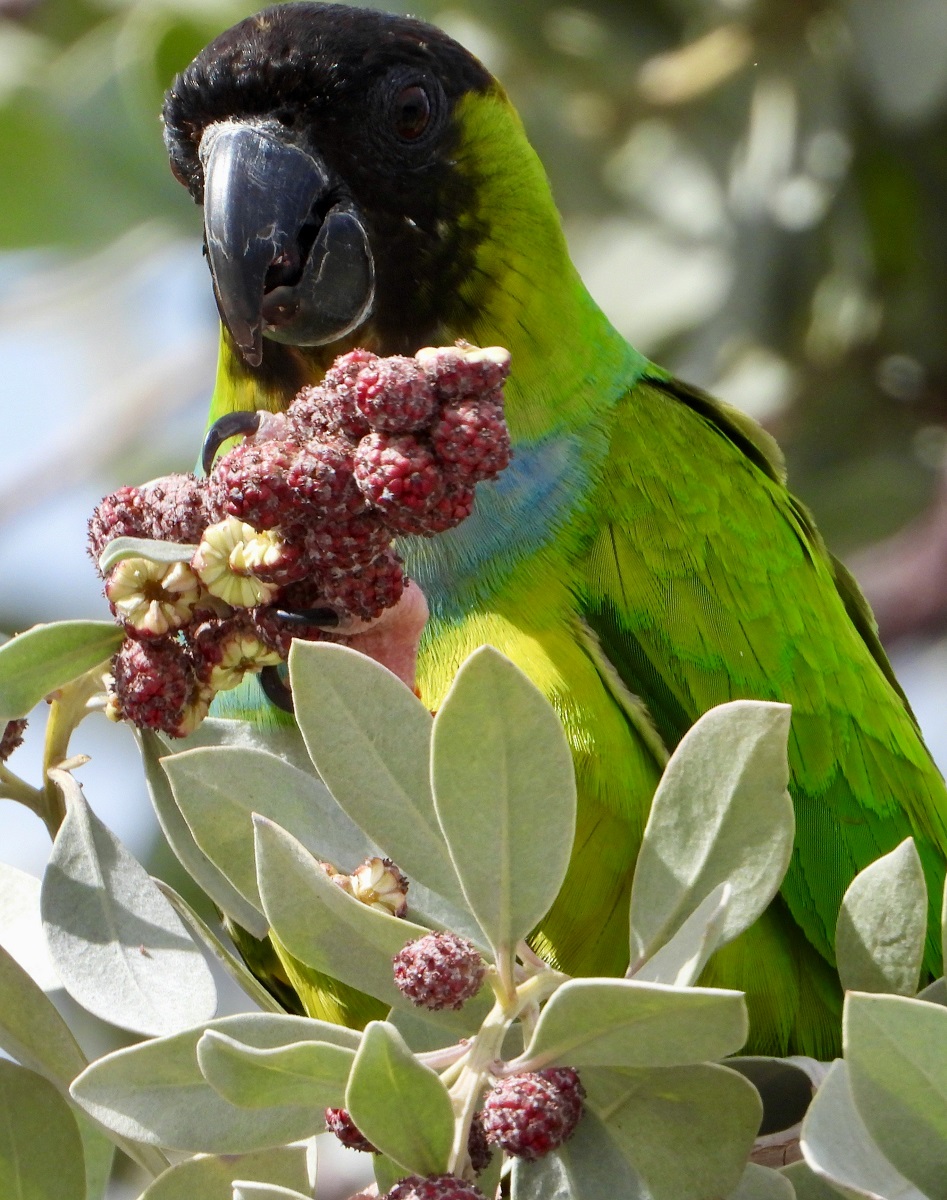
Their inherent sociability means they are often highly interactive, affectionate, and enjoy being the center of attention. However, this same trait can also lead to them becoming overly needy or demanding. They may scream persistently for attention when their owner leaves the room or display jealousy towards perceived "competitors" for affection, such as other family members, pets, or even inanimate objects. An ideal day for a Nanday Conure would likely involve a combination of stimulating play with noise-making toys, engaging in talking training sessions with their human companions, receiving affectionate head scratches and cuddles, and perhaps a peaceful nap perched contentedly on their owner’s shoulder. Understanding and proactively managing these social dynamics are key to fostering a harmonious and rewarding relationship.
The Unmistakable Sounds of the Nanday Conure: A Critical Consideration
Any prospective Nanday Conure owner must confront one undeniable truth: these parrots are incredibly, exceptionally loud. This is not an exaggeration but a fundamental characteristic that profoundly impacts their suitability as pets. Conures within the Aratinga genus are widely recognized as the most vociferous among their kind, and Nandays stand out even within this group for their formidable vocalizations.
To put their vocal capacity into stark perspective, consider comparative data on parrot decibel levels. While a Macaw, a much larger parrot, can scream at approximately 105 decibels and a Moluccan Cockatoo at 135 decibels, the relatively smaller Nanday Conure has been recorded reaching astounding peaks of up to 155 decibels. As highlighted in Robin Deutsch’s 2009 book, Good Parrotkeeping, screams of this intensity are not merely annoying; they are capable of causing permanent damage to human eardrums with prolonged exposure. This level of noise far exceeds typical conversation (around 60 dB), a busy street (80-85 dB), or even a rock concert (120 dB), placing it in a category of extreme acoustic output.
Before committing to a Nanday Conure, it is absolutely imperative to thoroughly assess one’s personal tolerance for such high-decibel vocalizations, as well as the tolerance of family members and neighbors. Potential owners are strongly advised to actively seek out and listen to recordings of Nanday Conure calls, such as those readily available on ornithological sound libraries like xeno-canto. Crucially, visiting a reputable breeder or an individual who already owns a Nanday Conure provides an invaluable real-world experience of their volume and persistence. The living situation is another vital factor; these conures are generally unsuitable for apartment dwellers, those in duplexes, or homes in close proximity to neighbors, as their piercing calls can easily penetrate walls and disrupt the peace of an entire neighborhood.
Parrots typically exhibit their loudest vocalizations during

