


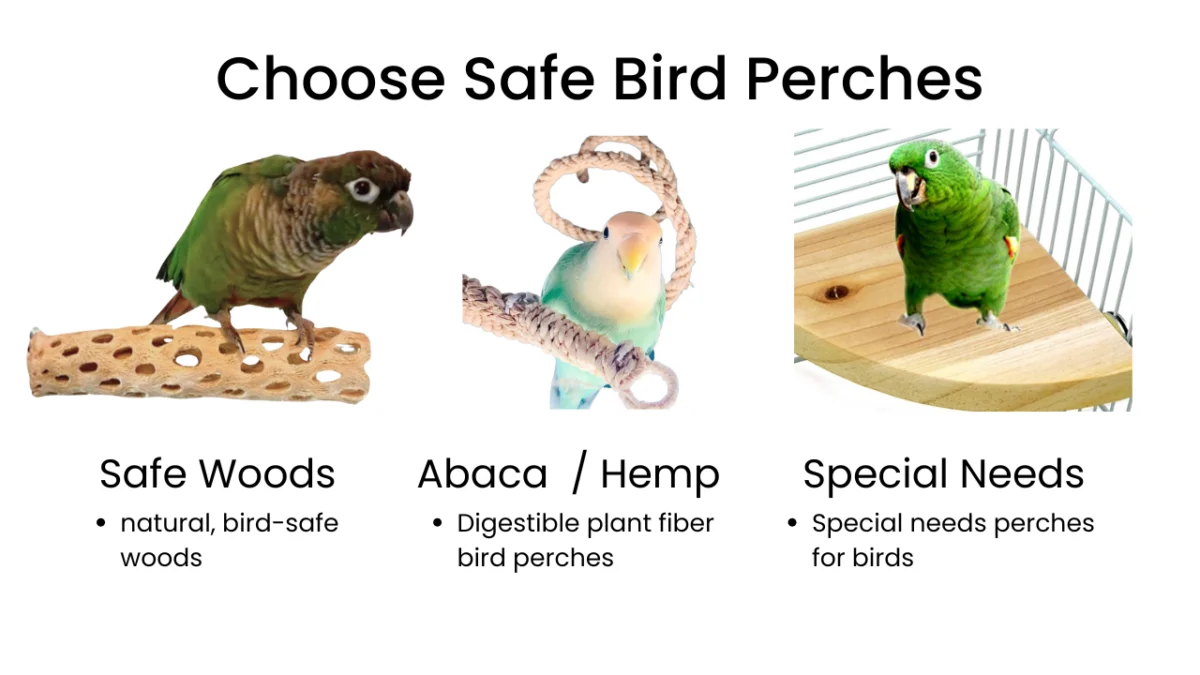
Every perch a parrot utilizes is fundamental to its health and well-being. Far from being mere resting spots, perches are integral components of a bird’s daily life, supporting physical comfort, encouraging healthy joint function, strengthening grip, and promoting overall agility. The profound impact of appropriate perching can be likened to the difference between wearing ill-fitting, uncomfortable shoes versus ergonomically designed footwear that supports and cushions the feet throughout the day. For parrots, this translates into a life free from preventable foot ailments, enhanced mental stimulation, and a greater capacity to express natural behaviors.
This comprehensive guide delves into the often-overlooked science and artistry of selecting, placing, and maintaining perches. Drawing upon insights from avian experts and contemporary research, we explore the safest materials, optimal diameters, and strategic placement techniques that can transform a parrot’s enclosure from a functional space into a dynamic, enriching habitat. Understanding these principles is paramount for bird owners seeking to provide the highest standard of care, ensuring their feathered companions not only survive but truly thrive.
The Biomechanics of Avian Foot Health: Why Perches Matter Beyond Rest
A perch is more than a simple resting surface; it is a critical element of a parrot’s anatomical and psychological well-being. The continuous pressure exerted on a bird’s feet necessitates a varied environment to prevent a range of health issues. Without diverse perching options, parrots are susceptible to conditions such as pododermatitis, commonly known as bumblefoot. This painful inflammatory condition often manifests as sores, calluses, and infections on the plantar surface of the foot, arising from constant pressure on a single point or an abrasive surface. Over time, poorly designed perches can lead to chronic arthritis, joint deformities, muscle atrophy, and even nerve damage, severely impacting a bird’s mobility and quality of life.
In the wild, parrots encounter an extensive array of natural substrates—branches of varying diameters, textures, and angles—that continually engage different muscle groups and distribute pressure across their feet. This natural diversity prevents repetitive strain and promotes robust foot health. Captive environments, by contrast, often fall short of replicating this crucial environmental enrichment. A single, uniform dowel perch, while seemingly innocuous, can be a primary contributor to debilitating foot problems. By offering a spectrum of textures and diameters, owners can mimic this natural stimulation, encouraging the development of strong, agile feet and providing vital mental stimulation that combats boredom and associated behavioral issues like feather plucking or aggression. This principle applies universally, whether caring for a large macaw or a diminutive cockatiel; the need for varied foot exercise remains constant.
A Deep Dive into Perch Materials: Safe, Stimulating, and Sustaining
The material composition of a perch is a fundamental consideration for avian safety and health. Owners must exercise extreme caution, strictly avoiding treated, painted, or resin-coated perches, as these can harbor toxic chemicals harmful if ingested. Only bird-safe materials, meticulously sourced and prepared, should ever be introduced into a parrot’s environment.
Natural Wood Perches: The Gold Standard
Natural wood perches are widely regarded as the superior choice due to their inherent variability in shape, texture, and diameter. They provide the irregular surfaces necessary for foot exercise and often satisfy a parrot’s innate chewing instincts.
- Safe Wood Species: Prominent examples of bird-safe woods include Manzanita, Java wood, Dragonwood, Grapewood, Birch, Oak, Maple, and fruit tree woods such as Apple and Pear (ensure they are pesticide-free). These woods are non-toxic, durable, and offer varying degrees of hardness for chewing. Manzanita and Java wood, in particular, are favored for their unique, gnarled shapes and excellent durability.
- Sourcing and Preparation: When collecting branches from outdoor environments, it is imperative to confirm the tree species is non-toxic and has not been exposed to pesticides, herbicides, or vehicle exhaust. Branches must be thoroughly cleaned—scrubbed with a stiff brush and mild soap, rinsed meticulously, and then baked at a low temperature (around 250°F or 120°C) for several hours to sterilize them and eliminate potential parasites or fungi.
- Unsafe Wood Species: A critical list of woods to avoid includes Cherry, Peach, Apricot, Plum, Avocado, Rhododendron, Yew, and Oleander. Many of these contain cyanogenic glycosides or other compounds that are highly toxic to birds.
Rope Perches: For Climbing and Play, With Caveats
Rope perches can offer excellent opportunities for climbing, swinging, and play, contributing to physical exercise and mental engagement. However, the choice of material and careful monitoring are crucial.
- Preferred Materials: Abaca, hemp, or natural sisal are generally safer alternatives to cotton. These materials are less prone to fraying into fine, ingestible strands.
- Cotton Dangers: Cotton rope perches, while soft, pose significant risks. They can fray easily, and if strands are ingested, they can accumulate in a bird’s crop or digestive tract, forming an indigestible wad. This "cotton impaction" can lead to severe gastrointestinal blockages, infection, and often requires costly and risky surgical intervention to remove. Regular inspection for fraying and immediate replacement of damaged ropes are essential.
Mineral and Pedicure Perches: Use with Caution
Perches made from mineral or cement are marketed for their ability to naturally trim nails and beaks. While they can serve this purpose to a limited extent, they come with significant drawbacks.

- Risks: These perches are typically hard, abrasive, and often cold. Prolonged contact can lead to pressure sores, calluses, and even contribute to the development of pododermatitis. They should never be the sole perch type and, if used, should be placed strategically (e.g., near food bowls for short periods) and monitored closely for any signs of foot irritation. They do not replicate the varied textures and angles birds encounter in the wild, which naturally wear down nails and beaks.
Plastic and PVC Perches: Limited Utility
Plastic or PVC perches are easy to clean and sanitize, making them useful in quarantine cages or for temporary setups. However, their uniform, often smooth surface offers no textural variety or grip challenge. Exclusive use can lead to "perch potato" syndrome, where birds develop weak foot muscles and a lack of agility due to insufficient exercise.
Heated Perches: Therapeutic Applications
Heated perches serve a specific therapeutic purpose, primarily for sick, elderly, or debilitated birds that struggle to maintain body temperature. They provide localized warmth and comfort. However, they should always be used under veterinary guidance, with careful monitoring to prevent overheating or burns. They are not a substitute for proper ambient temperature control or a varied perching environment for healthy birds.
The Art of Perch Placement: Size, Shape, and Strategic Positioning
Beyond material, the dimensions, contours, and strategic placement of perches are paramount for creating an optimal avian habitat. The goal is to replicate the dynamic perching environment a bird would experience in nature, promoting continuous movement, varied foot engagement, and psychological enrichment.
Diameter: The Three-Quarters Rule
The ideal perch diameter allows a parrot to comfortably wrap its toes approximately three-quarters of the way around, with each toe joint slightly bent. The toes should not meet or overlap, nor should they be stretched out flat. This ensures a secure grip and prevents the feet from being constantly splayed open or overly cramped. Crucially, a variety of diameters should be offered within the cage, ranging from slightly thinner to slightly thicker than the ideal, to engage different foot muscles and prevent repetitive strain. Uniform dowel perches, which force a bird to maintain the same grip constantly, are detrimental to long-term foot health.
Shape: Embracing Irregularity
Natural, irregular shapes are vastly superior to straight, uniform dowels. Gnarled, branched perches with knots and varying angles provide a constantly changing surface that stimulates blood flow, exercises different tendons and ligaments, and massages the footpads. This mimics the natural environment and helps prevent pressure sores.
Texture: Beyond Smoothness
Different textures—smooth, rough, bumpy, fibrous—provide sensory stimulation and help condition footpads. Natural wood offers a range of textures, while materials like abaca rope add another tactile dimension. However, excessively abrasive textures should be avoided, as they can cause irritation or injury.
Strategic Placement for Activity and Comfort
Thoughtful perch placement is key to encouraging movement, providing comfort, and facilitating natural behaviors.
- High Perches for Security and Sleep: Position a sturdy, comfortable perch as the highest point in the cage. Birds instinctively seek height for security and often prefer to sleep on the highest available perch, as it mimics their natural instinct to roost above potential predators.
- Mid-Level Perches for Activity: Place perches at various mid-levels throughout the cage to encourage climbing, exploration, and access to toys, food, and water. These should facilitate movement between different cage sections.
- Lower Perches for Foraging and Play: Include perches at lower levels, particularly near foraging toys or play stands, to promote ground-level exploration and enrichment.
- Preventing Contamination: Strategically place perches to avoid droppings accumulating in food and water bowls. This often means staggering perches and ensuring they are not directly above feeding stations.
- Encouraging Flight and Movement: In larger cages or aviaries, ensure perches do not obstruct potential flight paths, allowing birds to fly or hop between perches. This promotes cardiovascular health and muscle strength.
- Variety is Key: Rotate perch types, materials, and positions periodically to keep the environment novel and stimulating. This prevents boredom and encourages adaptive behavior.
Rigorous Safety and Cleaning Protocols
Maintaining impeccable hygiene and ensuring the structural integrity of perches are non-negotiable aspects of responsible bird care. Unclean or unstable perches can quickly become vectors for disease or sources of injury.
Cleaning Frequency and Methods
- Daily Spot Cleaning: Perches should be spot-cleaned daily to remove droppings. Birds often wipe their beaks on perches, which can also contribute to grime.
- Weekly Deep Cleaning: A thorough deep cleaning is essential at least once a week, or more frequently if a perch becomes heavily soiled or shows signs of mold.
- Cleaning Solutions: Perches can be scrubbed with hot water and a bird-safe disinfectant. Diluted bleach (1 part bleach to 10 parts water) followed by meticulous rinsing and complete drying is an effective option. Specialized avian-safe cleaners are also available. White vinegar (diluted 1:1 with water) can also be used as a milder disinfectant and deodorizer.
- Drying: Perches must be completely dry before being returned to the cage to prevent mold growth.
Inspection for Wear and Damage
Regular inspection is critical. Owners should check perches for:

- Splintering or Sharp Edges: Especially with natural wood, wear and chewing can create sharp points that could injure a bird’s feet or beak.
- Cracks or Weakness: Damaged perches can break, leading to falls and potential injury.
- Mold or Mildew: Damp conditions or inadequate cleaning can lead to fungal growth, which poses respiratory risks.
- Pest Infestation: If using outdoor branches, always inspect for insects or their eggs, even after sterilization.
Hardware and Securing Perches
The stability of perches is paramount. Unstable or wobbly perches can cause falls, leading to physical injury, and can also induce anxiety in birds, making them feel insecure in their environment.
- Secure Anchoring: All perches must be firmly anchored to the cage bars using appropriate hardware. Bolt-on perches with wing nuts are generally the most secure.
- Safe Hardware: Ensure all metal hardware (bolts, washers, nuts) is made of stainless steel. Avoid galvanized metals, zinc, or lead, as these can be toxic if a bird chews or licks them. Exposed threads or sharp points on hardware should be covered or positioned to prevent injury.
- DIY Branches: If using natural branches, ensure the attachment mechanism is robust and safe. Some owners use stainless steel eye bolts and washers, or secure branches directly through the cage bars if the design allows.
- Commercial vs. DIY: While DIY branches offer natural variety, commercial perches from reputable avian suppliers often guarantee consistent quality, bird-safe materials, and secure attachment mechanisms. A combination of both can offer the best of both worlds, provided DIY elements are prepared meticulously.
Expert Perspectives and Modern Avian Science
The understanding of avian welfare, particularly concerning environmental enrichment, has evolved significantly over the past few decades. Modern avian veterinary science and behaviorism strongly advocate for comprehensive, species-appropriate habitats, with perches identified as a cornerstone of preventative care.
Diane Burroughs, LCSW, an expert in avian behavior and wellness, consistently highlights that "every bird perch your parrot steps on matters." Her work, often featured in publications like the Journal of Avian Medicine and Surgery, underscores the direct link between proper perching and a parrot’s physical and psychological health. Avian veterinarians nationwide echo this sentiment, often seeing a reduction in common foot ailments when owners implement varied perching strategies.
Recent research in avian biomechanics emphasizes that birds actively adjust their grip, foot pressure, and muscle engagement based on the surface they are on. Perches that offer varied textures, diameters, and angles allow for natural proprioception—the bird’s sense of its body position and movement—and promote healthy foot mechanics, reducing the risk of musculoskeletal problems. This scientific understanding has shifted the paradigm from simplistic dowel rods to complex, naturalistic perching systems.
Addressing Common Misconceptions: Fact vs. Fiction
Several misconceptions persist regarding bird perches, often leading to suboptimal or even harmful choices.
- "A single type of perch is fine." This is fundamentally incorrect. Relying on a single perch type, especially a uniform dowel, deprives a bird’s feet of the varied stimulation necessary for health. It’s akin to humans wearing the same, unsupportive shoes every day for their entire lives.
- "Dowel perches are standard and sufficient." While historically common, plain dowel perches are now understood to be detrimental. Their uniform diameter and smooth surface do not allow for natural foot exercise, leading to pressure points and potential foot deformities.
- "Rope perches are always a safe alternative." While beneficial for climbing, not all rope materials are safe. Cotton rope, as discussed, carries a high risk of impaction. Owners must select safer materials like abaca or hemp and vigilantly monitor for fraying.
- "Outdoor branches are too much trouble or unsafe." With proper preparation (identification of non-toxic species, thorough cleaning, and sterilization), outdoor branches offer unparalleled natural enrichment. The effort involved is a small investment in a bird’s long-term health.
- "Hard, abrasive perches are good for nails." While some pedicure perches exist, over-reliance on hard, abrasive surfaces like concrete or mineral perches can cause more harm than good, leading to foot sores and calluses. Natural wood and varied textures provide more gentle and effective nail conditioning.
Broader Impact and Implications for Avian Welfare
The implications of proper perch selection extend far beyond the individual bird’s cage. From an ethical standpoint, providing a species-appropriate and enriching environment is a fundamental responsibility of pet ownership. Neglecting perch variety and safety can be viewed as a form of neglect, impacting a bird’s quality of life significantly.
Economically, investing in a diverse array of high-quality, safe perches can lead to substantial long-term savings. The cost of treating severe cases of pododermatitis, arthritis, or surgical removal of impacted foreign bodies from ingesting unsafe rope can far outweigh the initial investment in a well-outfitted cage. Preventative care through appropriate environmental enrichment is consistently more cost-effective and humane than reactive veterinary interventions.
Furthermore, the growing awareness among bird owners about the importance of perches has spurred innovation in the pet industry. Manufacturers are increasingly offering a wider range of natural wood, abaca, and strategically designed perches, moving away from outdated, less beneficial options. This market shift reflects a positive evolution in avian care standards.
In conclusion, the humble perch, often overlooked, is a cornerstone of avian wellness. By prioritizing varied, safe, and strategically placed perches, bird owners can provide an environment that fosters physical health, mental stimulation, and the expression of natural behaviors. This commitment to thoughtful perch selection is not merely a recommendation; it is an essential component of responsible parrot care, enabling these intelligent and sensitive creatures to lead healthier, happier, and more fulfilling lives in captivity.

