


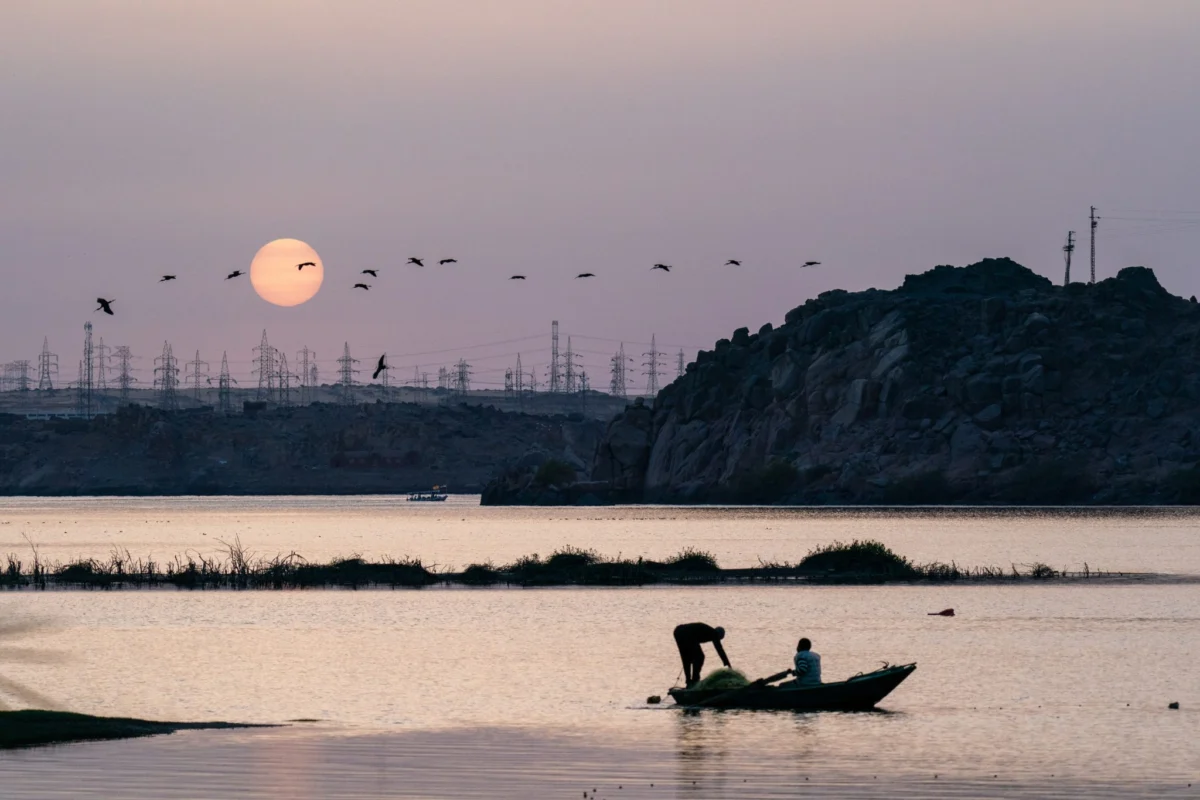
The alarming decline of migratory bird populations transcends the immediate tragedy of potential species extinction and the loss of natural wonders. It serves as a profound and urgent warning about the interconnected health of our planet. These remarkable avian travelers, undertaking vast journeys across continents, are indicators of broader environmental degradation, highlighting the urgent need for global conservation action and a unified approach to preserving our shared natural heritage. Their plight underscores the intricate web of life and the critical importance of safeguarding the ecosystems upon which all species, including humanity, depend.
The very nature of migratory bird conservation necessitates a scale of international cooperation that has, until now, remained largely unexplored. Protecting these species requires a concerted effort that transcends national borders, fostering a global collaboration among governments, non-governmental organizations, and scientific communities. This shared endeavor has the potential to unite nations in a common cause, demonstrating that collective action can achieve far more than individual efforts. By focusing on the needs of migratory birds, the world gains a powerful mechanism for addressing the interconnected crises of biodiversity loss and climate change. The impact of successful migratory bird conservation extends far beyond avian populations, influencing the health of landscapes, the efficacy of pollination, and the resilience of ecosystems on a global scale.
The Urgent Call to Action: A Global Conservation Imperative
Migratory birds are nature’s ultimate travelers, their epic journeys a testament to the resilience and adaptability of life. However, these journeys are increasingly fraught with peril, and their survival now hinges on collective human intervention. The challenge of reversing their decline demands a global approach to conservation, one that recognizes the transboundary nature of their habitats and the widespread threats they face.
In response to this critical situation, organizations are mobilizing to implement conservation strategies on an international scale. A significant aspect of this effort involves appealing to the public for support. Through donation drives, these initiatives aim to fund vital research, habitat restoration, and policy advocacy necessary to protect these vulnerable species. A notable aspect of these fundraising efforts often includes matched giving opportunities, where a generous supporter pledges to double every donation up to a certain threshold. This mechanism significantly amplifies the impact of individual contributions, making each gift more powerful in its ability to support critical conservation work. For instance, a matched giving campaign up to $20,000 can effectively double the resources available, providing a substantial lifeline for ongoing projects and expanding their reach. Such opportunities encourage broader participation and underscore the collective responsibility to ensure the survival of these natural marvels.
Species in Peril: Examples of Conservation Efforts
The ongoing plight of migratory birds necessitates targeted conservation interventions, with several species serving as poignant examples of the challenges and the work being done to address them. These examples illustrate the diverse threats faced by these avian travelers and the multifaceted strategies employed by conservationists.

The Egyptian Vulture: A Symbol of Endangerment
The Egyptian Vulture (Neophron percnopterus) is a species that breeds across southern Europe, North Africa, and Asia, embarking on extensive migrations to sub-Saharan Africa. Its migratory route follows the African-Eurasian flyways, a path increasingly perilous for this scavenger. The species is currently classified as Endangered, facing severe threats from poisoning, both intentional and unintentional, as well as electrocution on power lines and the pervasive loss of its natural habitats.
Conservation efforts for the Egyptian Vulture are primarily spearheaded by initiatives like the Flyways Programme. This program operates on an international level, focusing on identifying and mitigating threats along the entirety of the vulture’s migration routes. A critical component of this work involves protecting key sites that serve as essential stopover points and breeding grounds. The effectiveness of these efforts is often dependent on cross-border collaboration, as poisoning incidents in one region can have devastating consequences for populations thousands of miles away. Scientific monitoring of population trends and the causes of mortality is crucial for adapting conservation strategies in real-time.
The Bobolink: A Grassland Specialist Under Pressure
The Bobolink (Dolichonyx oryzivorus) is a familiar sight in the grasslands of North America, where it breeds before undertaking a remarkable migration to southern South America along the Americas Flyway. This species has been categorized as Near Threatened, a designation reflecting a significant decline in its population. The primary drivers of this decline are linked to agricultural intensification and the subsequent loss of its preferred grassland habitats. Modern farming practices, including early mowing of fields and the conversion of grasslands to row crops, have severely reduced the availability of suitable nesting and foraging areas.
Conservation efforts for the Bobolink involve a multi-pronged approach. A key focus is the identification of critical grassland habitats along its migratory route, both in its breeding and wintering grounds. Furthermore, there is a growing emphasis on promoting sustainable land management practices within agricultural landscapes. This includes working with farmers to implement conservation-friendly practices, such as delaying mowing until after the nesting season or maintaining buffer zones of native vegetation. The success of these initiatives relies on engaging with agricultural communities and demonstrating the ecological and economic benefits of grassland conservation.
The Spoon-billed Sandpiper: A Critically Endangered Icon
The Spoon-billed Sandpiper (Calidris pygmaea) represents one of the most critically endangered migratory bird species in the world. This diminutive wader breeds in the Arctic regions of Russia and undertakes a long migration to Southeast Asia, traversing the East Asian–Australasian Flyway. Its survival is gravely threatened by widespread habitat loss, particularly the degradation and destruction of coastal wetlands and mudflats, which are essential for its foraging and resting during migration. Hunting and pollution further exacerbate these pressures.
The conservation of the Spoon-billed Sandpiper is a testament to the challenges of protecting species with vast and complex migratory routes. The Flyways Programme, in conjunction with numerous local and international partners, is actively involved in supporting habitat protection efforts across its entire migratory range. This includes safeguarding crucial stopover sites and wintering grounds in countries such as China, Vietnam, and Bangladesh. Coordinated action is paramount, as threats in one part of the flyway can have cascading effects on the entire population. Efforts are also underway to address direct threats like hunting through community engagement and law enforcement. The critically endangered status of the Spoon-billed Sandpiper underscores the urgency and the intricate nature of international conservation collaboration.

The Broader Context: A Global Environmental Barometer
The decline of migratory birds is not an isolated ecological event; it is a potent indicator of the broader health of our planet’s ecosystems. These species undertake immense journeys, connecting disparate landscapes and environments. Their success or failure is intrinsically linked to the quality of the habitats they encounter along their routes, from their breeding grounds to their wintering sites and the myriad stopover points in between.
Supporting Data and Trends:
- Population Declines: Studies have consistently shown significant declines in migratory bird populations. For instance, a 2019 study published in Science indicated that North America has lost nearly 3 billion birds since 1970, with migratory species being among the hardest hit. This translates to an estimated 29% decline in total bird population.
- Habitat Loss: A primary driver of these declines is habitat loss and degradation. The conversion of grasslands for agriculture, the destruction of coastal wetlands for development, and deforestation in forests all reduce the available resources and safe havens for migratory birds. The Ramsar Convention on Wetlands, for example, highlights the critical role of wetlands for migratory waterbirds, many of which are facing severe threats from drainage and pollution.
- Climate Change Impacts: Climate change is also playing an increasingly significant role. Shifting weather patterns can disrupt the timing of insect hatches, a crucial food source for many migratory birds, leading to a mismatch between arrival times and food availability. Extreme weather events, such as prolonged droughts or intense storms, can also decimate populations.
- Pollution and Toxins: Pesticides, herbicides, and other pollutants accumulate in the environment and can be directly toxic to birds or disrupt their reproductive capabilities. Poisoning, as seen with the Egyptian Vulture, remains a significant threat in many regions.
- Infrastructure Threats: Collisions with man-made structures, particularly windows and wind turbines, are responsible for millions of bird deaths annually. Electrocution on power lines is another significant cause of mortality for larger bird species.
The Chronology of Concern: A Growing Awareness
The scientific understanding of migratory bird declines has been building for decades, with a growing body of research highlighting the severity of the issue.
- Mid-20th Century: Early ornithological studies began to document localized population declines in certain bird species, prompting initial concerns among researchers.
- Late 20th Century: The establishment of international conventions like the Convention on Migratory Species (CMS) in 1979 marked a formal recognition of the need for global cooperation in protecting these species.
- Early 21st Century: A surge in research, utilizing advanced tracking technologies and citizen science data, provided more comprehensive evidence of widespread population declines and identified key threats across vast migratory flyways. The publication of major synthesis reports, such as the one in Science in 2019, brought the issue to broader public and policy attention.
- Present Day: The focus is now on implementing effective, large-scale conservation actions, fostering stronger international partnerships, and raising public awareness to secure the future of migratory birds.
Official Responses and Expert Perspectives
Conservation organizations and intergovernmental bodies have consistently voiced their concerns and are actively engaged in mitigation efforts.
"Migratory birds are silent witnesses to the state of our shared planet," stated a spokesperson for an international conservation NGO. "Their journeys connect continents, and their struggles reflect the interconnectedness of environmental challenges. Protecting them is not just about saving birds; it’s about safeguarding the vital natural systems that support all life."
The Convention on Migratory Species (CMS) plays a crucial role in facilitating international cooperation. Its Secretariat works with Parties to develop and implement agreements and action plans for migratory species, including birds. The CMS often highlights the need for coordinated efforts to address threats across flyways, emphasizing that conservation actions in one country can be undermined by inaction in another.

Dr. Anya Sharma, an avian ecologist specializing in migratory bird behavior, commented, "The data is unequivocal. We are seeing significant and accelerating declines in many migratory bird populations. This is a clear signal that our current land and sea management practices are unsustainable. The interconnectedness of their life cycles means that a problem in their wintering grounds can impact breeding success thousands of miles away. This necessitates a holistic, flyway-wide approach to conservation."
Broader Impact and Implications: More Than Just Birds
The decline of migratory birds carries profound implications that extend far beyond the avian populations themselves.
- Ecosystem Services: Migratory birds provide crucial ecosystem services. Many are vital pollinators, contributing to the reproduction of plant species. Others are important seed dispersers, aiding in forest regeneration and the maintenance of plant diversity. Insectivorous birds play a critical role in controlling insect populations, which can have significant economic benefits for agriculture and forestry.
- Biodiversity Indicators: As mentioned, migratory birds act as highly visible indicators of environmental health. Their decline signals broader issues such as habitat degradation, pollution, and the impacts of climate change, which affect countless other species and ecological processes.
- Economic and Cultural Value: Birds hold significant cultural and economic value. Birdwatching is a major recreational activity, contributing billions of dollars to economies worldwide through tourism. Furthermore, birds are woven into the cultural fabric of many societies, featuring in folklore, art, and spiritual practices.
- Human Health: The health of bird populations can also be linked to human health. For instance, healthy populations of scavengers like vultures can help prevent the spread of diseases by consuming carcasses. Disruptions in these natural processes can have unintended consequences for human well-being.
- Global Cooperation and Diplomacy: The challenge of migratory bird conservation offers a unique opportunity for nations to collaborate on shared environmental goals. Successful joint conservation initiatives can foster stronger diplomatic ties and build trust between countries, demonstrating that collective action on environmental issues is not only possible but essential.
The fight to protect migratory birds is, therefore, a fight for the health of our planet and the sustainability of the natural world that supports us all. It demands a unified, global response that addresses the complex web of threats they face and recognizes their indispensable role in the global ecosystem. The urgency of their plight calls for immediate and sustained action, from local habitat restoration to international policy reform, ensuring that future generations can witness the breathtaking spectacle of nature’s greatest travelers continuing their ancient journeys.

