


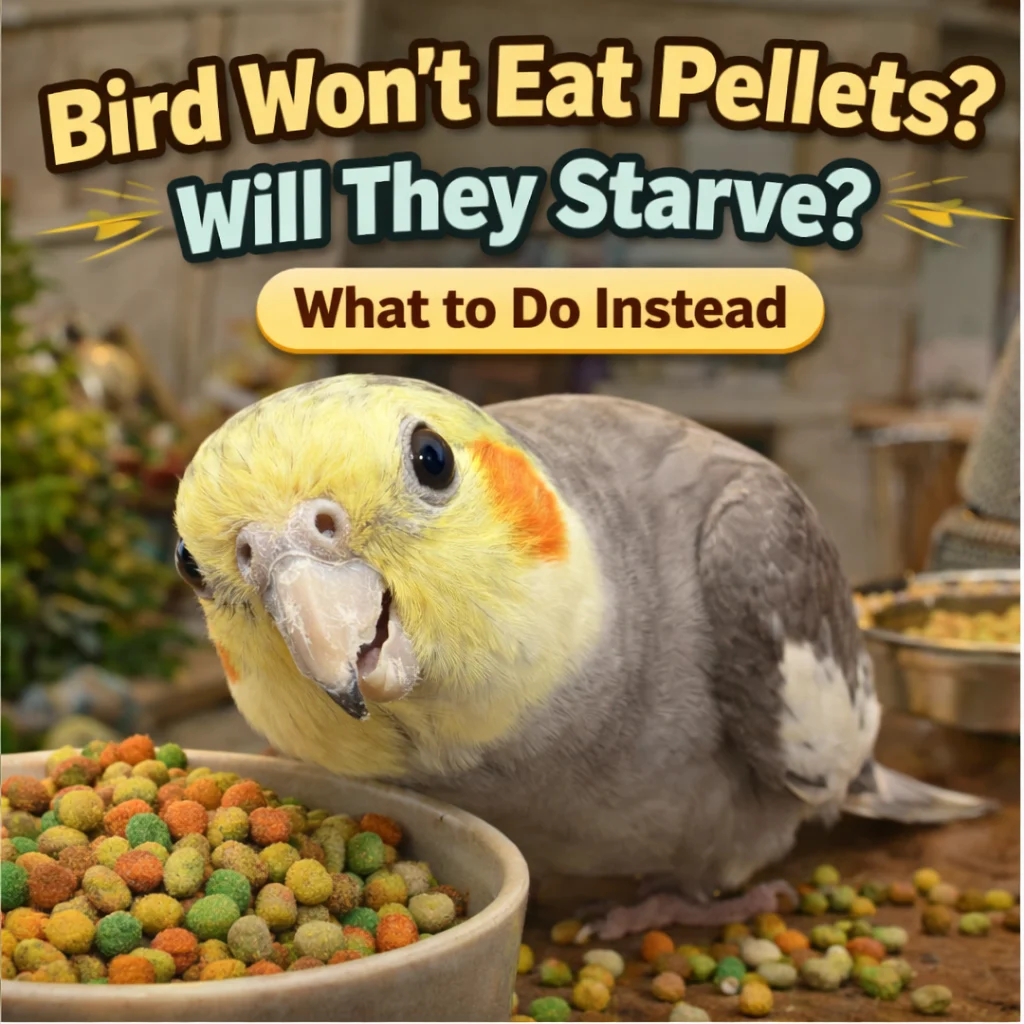
For many pet bird owners, the challenge of transitioning their feathered companions from a seed-heavy diet to a more nutritionally complete pelleted one represents one of the most common, yet often perplexing, hurdles in avian care. This dietary shift, critical for a bird’s long-term health and well-being, is frequently met with resistance, leading to concerns about food refusal, weight loss, and the potential for starvation. Expert consensus, however, firmly establishes that while a bird’s initial rejection of new foods is a deeply ingrained survival instinct, successful and safe transitions are entirely achievable through evidence-based, force-free methodologies.
The Genesis of the Avian Dietary Conundrum
Historically, the pet bird industry predominantly promoted seed mixes as the primary food source for captive birds. This practice largely stemmed from convenience and a lack of comprehensive understanding regarding avian nutritional requirements. Seeds, while a natural food for wild birds, constitute only a small, seasonal portion of a wild parrot’s incredibly diverse diet, which includes fruits, vegetables, nuts, insects, and plant matter. In captivity, a diet consisting solely or primarily of seeds is akin to a human living on fast food; it is high in fat, deficient in essential vitamins (like Vitamin A, crucial for immune function and epithelial health), minerals (such as calcium, vital for bone density and egg production), and an imbalanced amino acid profile.
The consequences of this seed-heavy diet became alarmingly evident in veterinary clinics. Avian veterinarians routinely observed a plethora of diet-related health issues, including liver disease (hepatic lipidosis), kidney dysfunction, respiratory problems, brittle bones, feather abnormalities, and a weakened immune system, all significantly contributing to shortened lifespans and reduced quality of life for pet birds. These observations catalyzed a paradigm shift in avian nutrition research. Beginning in the mid-to-late 20th century, and accelerating into the 21st, avian nutritionists and veterinarians collaborated to develop scientifically formulated pelleted diets. These pellets are engineered to provide a balanced nutritional profile, mimicking the diversity of a wild bird’s diet by combining grains, fruits, vegetables, vitamins, and minerals into a single, digestible form.
Understanding Avian Neophobia: Why Birds Resist Pellets
The core of the challenge lies in a bird’s innate behavioral ecology. In their natural habitats, parrots and other psittacines are exposed to a vast array of plant life, some of which are toxic. As a survival mechanism, wild parent birds meticulously teach their offspring what is safe to eat, often through weeks of observation and guided foraging. This learned caution translates into a strong aversion to novel or unfamiliar food items, a phenomenon known as neophobia.
When a bird refuses a pellet, picks around it, or throws it out of the bowl, it is not exhibiting stubbornness or defiance. Instead, it is responding instinctively to an unfamiliar object that does not register as "food" in its learned behavioral repertoire. The familiar seed, despite its nutritional shortcomings, represents safety and sustenance. Consequently, attempting an abrupt dietary switch by simply removing seeds and offering only pellets can be profoundly dangerous. Birds have high metabolic rates and can rapidly lose weight, become lethargic, and even starve if they perceive the new food as unsafe and refuse to eat. This is why the common advice to "wait them out" is not only ineffective but potentially life-threatening. The goal is not to force an animal into submission through hunger, but to educate and reassure it through a structured, positive learning process.
The Avian Veterinary and Behaviorist Consensus: A Force-Free Approach
Leading avian veterinary organizations, such as the Association of Avian Veterinarians (AAV), and certified avian behaviorists unequivocally advocate for a gradual, force-free, and positive reinforcement-based approach to dietary transitions. This methodology respects the bird’s natural instincts while systematically introducing new, healthier food options. The core principle is consistent, gentle exposure designed to build trust and familiarity, transforming the unknown into the recognized and safe.
The 3-Phase Pellet Transition Reset: A Structured Methodology
Successful transitions typically unfold over several weeks or even months, depending on the individual bird’s age, personality, and previous dietary history. Patience and consistency are paramount.
Phase 1: Familiarization and Exploration
The initial phase focuses on making pellets a non-threatening, observable part of the bird’s environment, without directly replacing their familiar food.
- Separate Presentation: Begin by offering pellets in a separate bowl from the bird’s regular seed mix. This allows the bird to investigate the new food without feeling its existing food source is threatened. Placing the pellet bowl near a favorite perch or a high-traffic area can encourage interaction.
- Variety in Presentation: Pellets come in various shapes, sizes, and colors. Experimenting with different brands and forms (e.g., crumbles, small pellets, large pellets) can increase appeal. Some birds prefer moistened pellets, which can be made by adding a small amount of warm water or fruit juice to create a "pellet mash" or "pellet soup."
- Modeling Behavior: Birds are keen observers and learn through social cues. Owners can "model" eating pellets by pretending to eat them, making appreciative sounds, or offering them to the bird from their hand. If multiple birds are present, a bird already eating pellets can be a powerful role model.
- Pellet as a Toy/Foraging Item: Instead of just food, treat pellets as an item for exploration. Sprinkle a few pellets on a clean surface, hide them in foraging toys, or offer them as a reward during training sessions. This desensitizes the bird to the new item and associates it with positive experiences.
- Introduction of Healthy Fresh Foods: Alongside pellets, this is an excellent time to introduce a wide variety of fresh vegetables (e.g., dark leafy greens, carrots, broccoli) and fruits (in moderation due to sugar content). This broadens the bird’s palate and prepares it for a truly balanced diet.
Phase 2: Gradual Integration and Substitution
Once the bird shows some interest in pellets (e.g., picking them up, crumbling them, or taking a tentative taste), the integration phase can begin. This requires careful monitoring of food intake and weight.
- Morning Pellet Offering: Birds are often hungriest in the morning. Offer pellets as the first meal of the day. After an hour or two, if the bird hasn’t eaten them, then provide a small portion of their regular seed mix. This creates a subtle incentive without inducing starvation.
- Progressive Mixing: Slowly begin mixing a very small amount of pellets (e.g., 10%) into the bird’s familiar seed mix. Over days or weeks, very gradually increase the proportion of pellets while decreasing seeds. The pace is dictated entirely by the bird’s acceptance. A good rule of thumb is to increase pellets by no more than 5-10% every few days, only if the bird is consistently eating the current mix.
- Timed Seed Access: For some birds, limiting access to seeds for short, supervised periods (e.g., 2-4 hours in the morning) while pellets are freely available can encourage exploration. It is critical to ensure the bird has access to its familiar food for the remainder of the day to prevent weight loss.
- Weight Monitoring: Daily or every-other-day weighing of the bird using a gram scale is crucial during this phase. Any significant weight loss (e.g., more than 5-10% of body weight) indicates the transition is happening too quickly and requires slowing down or reverting to a higher proportion of familiar food.
Phase 3: Reinforcement and Maintenance
Once pellets constitute a significant portion (e.g., 70-80%) of the bird’s diet, the focus shifts to reinforcing this new eating habit and maintaining a diverse, healthy diet.
- Positive Reinforcement: Continue to praise and reward the bird for eating pellets. Positive associations are key to long-term acceptance.
- Continued Variety: While pellets are the foundation, a truly optimal avian diet includes daily fresh vegetables, small amounts of fruit, and occasional healthy treats. This variety prevents boredom and ensures a broad spectrum of micronutrients.
- Consistency: Maintain a consistent feeding schedule and availability of pellets. Any sudden reintroduction of large amounts of seeds can lead to a relapse.
- Regular Veterinary Check-ups: Ongoing veterinary care, including annual check-ups, allows for monitoring of overall health, weight, and dietary adequacy.
Addressing Challenges and Seeking Professional Guidance
Despite best efforts, some birds may present more significant challenges. Older birds, those with deeply ingrained seed habits, or rescue birds with potentially traumatic backgrounds may require extended transition periods. In these cases, consulting with an avian veterinarian or a certified avian behaviorist is highly recommended. These professionals can offer tailored strategies, address underlying health issues that might affect appetite, and provide essential support.
The Broader Impact and Implications
The successful transition to a pelleted diet has profound implications for avian welfare and pet ownership. For the individual bird, it translates into a significantly improved quality of life: brighter feathers, increased energy levels, enhanced cognitive function, a stronger immune system, and a drastically reduced risk of chronic diseases. This can extend their lifespan by many years, allowing for a longer, more fulfilling companionship with their owners.
For owners, the initial investment of time and patience yields immense rewards in the form of a healthier, happier bird and potentially reduced veterinary expenses for diet-related ailments. It also strengthens the bond between owner and pet, as the process itself is an act of dedicated, caring "parronting" – patient, consistent, and focused on teaching, not forcing.
On a broader scale, the increasing adoption of pelleted diets reflects a maturing understanding of avian science and responsible pet ownership. It highlights the ethical imperative for owners to provide optimal care, moving beyond mere sustenance to true nutritional well-being. This shift continues to drive innovation in the avian nutrition industry, leading to more specialized pellet formulations for different species and life stages, further enhancing the health prospects for captive birds worldwide.
In conclusion, the journey from a seed-based diet to a pellet-based one is a testament to the complex interplay of avian biology, behavior, and dedicated human care. It is a process that demands empathy, scientific understanding, and unwavering patience, but one that ultimately unlocks the potential for a vibrant, healthy, and long life for our cherished feathered companions.

