


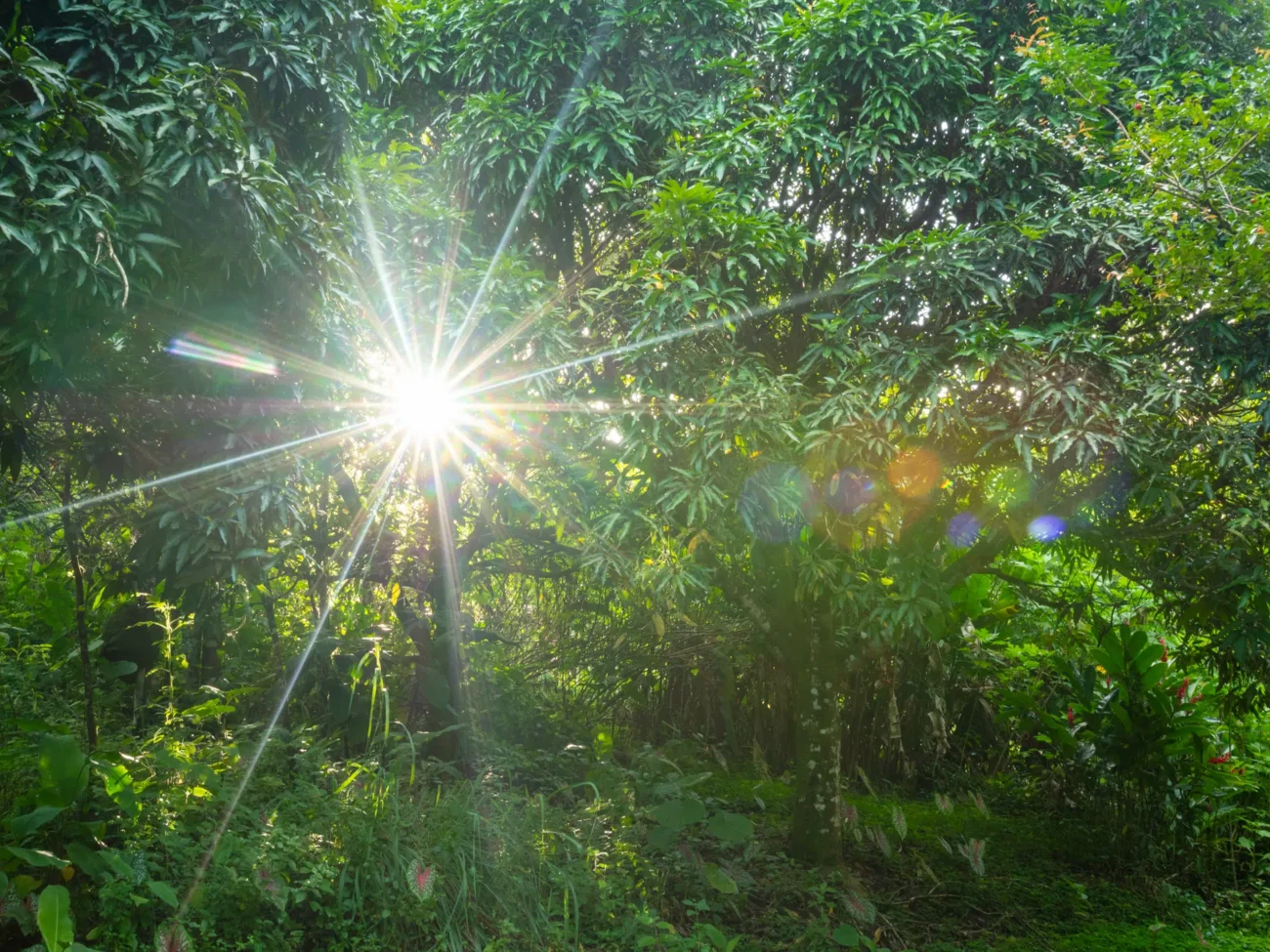
For decades, the Atlantic Forest, a globally significant biodiversity hotspot stretching along Brazil’s coast and extending into Paraguay and Argentina, has been relentlessly shaped by the forces of deforestation, cattle ranching, sugarcane expansion, and widespread land-use change. Today, the stark reality is that more than 80% of this vital biome has vanished, leaving behind fragmented forest remnants. These isolated patches, however, continue to harbor extraordinary biodiversity, including hundreds of bird species found nowhere else on Earth, underscoring their critical ecological value. Yet, the narrative of the Atlantic Forest is not solely a chronicle of loss; it is also a powerful testament to persistence and the unwavering spirit of conservation.
A Regional Workshop Ignites Renewed Action
In a significant development for the future of this beleaguered ecosystem, BirdLife International recently convened a crucial regional workshop in northeastern Brazil. This gathering brought together BirdLife International and its esteemed partners: Aves Argentinas, Guyra Paraguay, and SAVE Brasil. The workshop’s primary objective was to advance the Atlantic Forest Action Plan, focusing on three overarching priorities: protection, restoration, and the implementation of sustainable land-use practices. This collaborative effort signifies a renewed commitment to safeguarding the remaining forest and fostering its recovery.
The workshop wasn’t merely an exercise in theoretical discussions and technical exchanges. It was deeply rooted in the tangible realities of the territory, offering participants an immersive experience within the very landscapes they aim to protect. This hands-on approach allowed for direct engagement with the challenges and successes of conservation initiatives on the ground.

Local Producers Leading the Way in Sustainable Land Use
A compelling highlight of the field visits was the encounter with João Evangelista, a local producer whose family has transformed their land into a vibrant example of agroforestry. This initiative is deeply inspired by his father’s enduring legacy, demonstrating how traditional knowledge can be integrated with modern sustainable practices. In a region historically dominated by monoculture agriculture, particularly cattle ranching and sugarcane, João’s work presents a compelling alternative – a model where agricultural production and ecological conservation are not in opposition but are mutually reinforcing.
João’s farm showcases a harmonious blend of diverse agricultural practices and native vegetation. Banana trees thrive alongside indigenous flora, while the cultivation of cacao and coffee diversifies the landscape and enhances its ecological resilience. This integrated approach is actively contributing to the gradual return of the forest to areas that were once cleared for intensive farming. For João, the act of restoration extends far beyond simply replanting trees. It encompasses the vital protection of water sources, the improvement of crop yields through natural methods, the reduction of pest infestations without the reliance on harmful chemicals, and the creation of meaningful opportunities for younger generations to remain connected to their rural heritage and way of life.
"Where there are trees, there are birds," João explained during the visit, articulating a fundamental ecological truth. "And where there are birds, the land becomes healthier." This simple yet profound statement encapsulates the interconnectedness of biodiversity and ecosystem health, a principle that underpins the success of his agroforestry model.
The Reserva Particular do Patrimônio Natural Pedra D’Antas: A Beacon of Hope
The workshop participants also visited the Reserva Particular do Patrimônio Natural (RPPN) Pedra D’Antas, a private reserve meticulously protected by SAVE Brasil for over two decades. Nestled within the remaining forest fragments, this sanctuary is a vital haven for an astonishing array of wildlife. It is home to more than 250 bird species, including 14 that are globally threatened, alongside a rich diversity of mammals, amphibians, and unique endemic plant life. These species continue to resist and thrive despite the pervasive fragmentation of their habitat over many decades.

At Pedra D’Antas, the profound integration of conservation and local livelihoods became vividly apparent. Local guides, dedicated park rangers, passionate researchers, and the surrounding communities shared their experiences, illustrating how conservation efforts have become intrinsically linked to their daily lives. This includes the development of ecotourism, the implementation of restoration projects, and the long-term stewardship of the territory. These individuals are the frontline guardians of the forest, their commitment a daily act of preservation.
The challenges faced by Pedra D’Antas are representative of many protected areas within the Atlantic Forest. The relentless pressure from agricultural expansion, infrastructure development, and the effects of climate change pose ongoing threats. However, the dedication of the people involved in the reserve’s protection demonstrates a powerful resilience. Their intimate knowledge of the forest, passed down through generations or acquired through dedicated research, forms the bedrock of effective conservation. They are the silent heroes, ensuring the survival of these precious ecosystems even as external pressures intensify.
A Legacy of Fragmentation and the Dawn of Collaborative Action
The history of the Atlantic Forest is a stark reminder of the devastating consequences of unchecked development. From the colonial era onwards, the forest has been systematically cleared for timber, agriculture, and urban expansion. The introduction of sugarcane plantations in the 16th century marked a significant turning point, leading to widespread deforestation. This was followed by the expansion of cattle ranching and, more recently, the intensive cultivation of soybeans and eucalyptus. This relentless exploitation has resulted in a landscape characterized by isolated forest patches, often referred to as "forest islands," surrounded by agricultural matrices.
This fragmentation has had profound ecological impacts. It isolates populations of species, reducing genetic diversity and increasing their vulnerability to extinction. It disrupts ecological processes such as pollination and seed dispersal. It also makes the remaining forests more susceptible to edge effects, such as increased exposure to wind, sunlight, and invasive species, further degrading their ecological integrity.

However, the workshop and the experiences shared at sites like Pedra D’Antas underscore a critical shift: the recognition that effective conservation requires a multi-faceted approach that integrates local communities, scientific research, and collaborative partnerships. The Atlantic Forest Action Plan, spearheaded by BirdLife International and its partners, represents a strategic framework designed to address these complex challenges through coordinated efforts across national borders.
Key Pillars of the Atlantic Forest Action Plan
The three core priorities of the action plan – protection, restoration, and sustainable land use – are designed to work in synergy:
- Protection: This involves strengthening existing protected areas, establishing new ones where possible, and implementing effective enforcement mechanisms to prevent illegal logging, poaching, and habitat destruction. It also includes advocating for policy changes that support conservation and discourage environmentally destructive practices.
- Restoration: This focuses on actively re-establishing forest cover in degraded areas. This can involve reforestation with native species, ecological restoration of degraded habitats, and creating ecological corridors to connect fragmented forest patches, thereby facilitating species movement and gene flow.
- Sustainable Land Use: This aims to promote land management practices that are both economically viable for local communities and environmentally sustainable. This includes supporting agroforestry systems, sustainable agriculture, ecotourism, and other initiatives that provide livelihoods while minimizing the impact on the natural environment.
Supporting Data and Scientific Insights
Scientific data paints a sobering picture of the Atlantic Forest’s plight. Studies indicate that habitat fragmentation has led to a significant decline in species richness and abundance in many areas. For instance, research published in journals like "Conservation Biology" has highlighted the disproportionate impact of fragmentation on large mammals and specialist species with specific habitat requirements.
The rate of deforestation, while fluctuating, remains a critical concern. According to data from organizations like INPE (National Institute for Space Research) in Brazil, while there have been periods of reduced deforestation, the pressures remain substantial. The economic incentives for agricultural expansion often outweigh the perceived benefits of forest conservation, creating a persistent challenge for conservationists.

Furthermore, the role of endemic species in the Atlantic Forest cannot be overstated. These species, found nowhere else on Earth, represent a unique component of global biodiversity. Their survival is directly tied to the health of the remaining forest fragments. The loss of these species would represent an irreplaceable extinction event.
Broader Implications and Future Outlook
The success of conservation efforts in the Atlantic Forest has implications that extend far beyond the region. The biome plays a crucial role in regulating regional climate, protecting watersheds that supply water to major urban centers, and sequestering carbon, thereby contributing to global climate change mitigation efforts. The loss of this ecosystem would have cascading negative effects on water security, climate stability, and the livelihoods of millions of people.
The collaborative approach championed by BirdLife International and its partners offers a beacon of hope. By fostering partnerships and empowering local communities, these initiatives are building a more resilient future for the Atlantic Forest. The experiences of producers like João Evangelista and the dedication of the people at RPPN Pedra D’Antas demonstrate that conservation can indeed go hand-in-hand with sustainable development.
The ongoing work in the Atlantic Forest is a microcosm of the global challenge of biodiversity conservation. It highlights the critical need for sustained investment in protected areas, robust policy frameworks, and the active engagement of local communities. While the forest may survive today in fragments, these fragments are increasingly connected through shared purpose, innovative partnerships, and collective action that transcends borders. Within these resilient remnants, something more profound than biodiversity persists: the unyielding decision to resist degradation and fight for a healthier, more sustainable future. The story of the Atlantic Forest is a powerful reminder that even in the face of immense challenges, persistence, collaboration, and a deep connection to the land can pave the way for recovery and renewal.

