


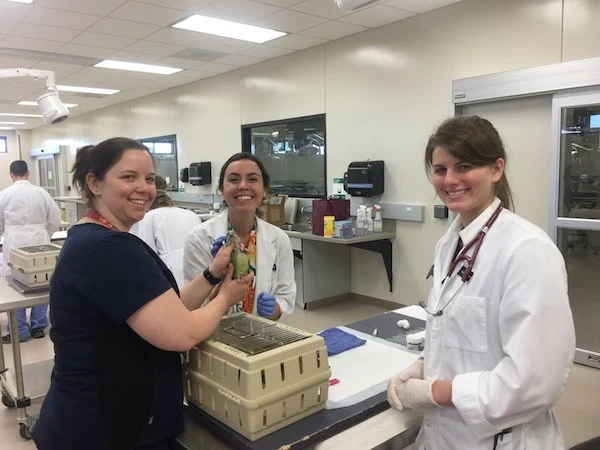
The landscape of veterinary medicine is undergoing a significant transformation as the demand for specialized care for non-traditional species—including birds, reptiles, exotic companion mammals, and wildlife—continues to rise globally. At the forefront of this movement, Lafeber Company has established itself as a pivotal architect of veterinary continuing education, fostering a multi-decade legacy of academic sponsorship and clinical training. By bridging the gap between theoretical classroom learning and advanced clinical practice, the organization has facilitated hundreds of educational events across the world’s most prestigious veterinary institutions. From the intricate techniques of avian reproductive surgery to the complexities of elephant reproduction and shellfish disease monitoring, the scope of these initiatives reflects a profound commitment to the health and welfare of all species.
A Legacy of Academic Integration and Clinical Excellence
For nearly twenty years, Lafeber Company has maintained a consistent presence within the veterinary academic community, serving as a primary sponsor for student-led organizations such as the Zoo, Exotic, and Wildlife (ZEW) clubs and the Association of Avian Veterinarians (AAV) student chapters. This support is not merely financial; it is pedagogical. By connecting world-renowned specialists with the next generation of veterinarians, Lafeber ensures that emerging practitioners are equipped with the latest evidence-based protocols.
The chronological record of these events reveals a strategic emphasis on high-impact areas of veterinary science. For instance, the upcoming presentation on April 20, 2026, by Dr. Rebecca Duerr, Senior Director of Research and Veterinary Science for the International Bird Rescue, at Kansas State University, underscores a critical focus on environmental medicine. Her lecture, "Medical Problems of Oiled Birds," addresses the immediate and long-term physiological impacts of environmental pollutants on avian species—a topic of increasing relevance in the face of global climate and industrial challenges.
Similarly, the involvement of experts like Kara Burns, a specialist in veterinary nutrition and internal medicine, highlights the foundational role of diet in exotic animal health. Her recurring presentations on "Avian Nutrition Fundamentals" at institutions like Purdue University and the University of Florida emphasize that proper husbandry and nutrition are the first lines of defense against the metabolic and chronic diseases that frequently afflict companion birds.
The Evolution of Veterinary Pedagogy: From Wet Labs to Virtual Platforms
A significant trend in the Lafeber educational timeline is the adaptation of delivery methods to meet the changing needs of the global veterinary community. Historically, the focus was heavily weighted toward intensive, in-person "wet labs." These hands-on sessions, such as the Rabbit Dentistry Lab led by Dr. Javier Nevarez at Louisiana State University in November 2025 or the Avian Blood Smear Wetlab at North Carolina State University in 2021, provide students with tactile experience that is impossible to replicate in a standard lecture hall.
However, the period beginning in 2020 marked a definitive shift toward distance learning. This transition, initially necessitated by global travel restrictions, has evolved into a permanent and highly effective tool for international collaboration. A notable example occurred in January 2025, when Dr. Yvonne van Zeeland presented a distance-learning event on "Behavior & Medical Issues in Birds" that simultaneously connected Kansas State University, the European Association of Avian Veterinarians Student Group, and the Archaeopteryx club at Utrecht University in the Netherlands. This "borderless" approach to education allows students in different hemispheres to benefit from the same high-level expertise, fostering a more unified global standard of care.
Diverse Clinical Focus: Addressing the Spectrum of Non-Traditional Species
While avian medicine remains a cornerstone of the Lafeber-sponsored curriculum, the breadth of topics covered in the last two decades is remarkably diverse. This diversity reflects the reality of modern veterinary practice, where a "general" practitioner may be called upon to treat everything from a backyard chicken to a pet hedgehog or a rescued sea turtle.
Key thematic areas explored through these sponsored events include:
1. Advanced Diagnostics and Imaging
The use of advanced technology in exotic medicine has been a recurring theme. In December 2021, Dr. Petra Schnitzer presented on "Ultrasound in Birds: Finch to Goose" at the University of Georgia, illustrating how diagnostic imaging can be scaled for patients of vastly different sizes. Similarly, the Virginia-Maryland College of Veterinary Medicine hosted a "Sea Turtle Radiographs and CT Scans" session in March 2024, highlighting the intersection of high-tech diagnostics and wildlife conservation.
2. Surgical Innovation and Critical Care
Surgical techniques specifically tailored for small and fragile patients are vital. Dr. Grayson Doss’s 2025 presentation on "Hedgehog Anesthesia & Surgery" at the University of Illinois and Dr. Larry Nemetz’s 2025 discussion on "Emergency & Critical Care" at Western University of Health Sciences provide practitioners with the confidence to handle high-stakes medical situations in species with unique physiological requirements.
3. Conservation and Public Health
The role of the veterinarian as a steward of public health and conservation is frequently emphasized. Events such as the 2023 lecture on "Shellfish Disease Monitoring and Control" by Hannah Sharpe of the Canadian Food Inspection Agency and the 2021 presentation by Dr. LoraKim Joyner on "Transformative Parrot Conservation" demonstrate that veterinary medicine extends far beyond the clinic walls. These sessions connect animal health to ecosystem stability and food security.
Supporting the Veterinary Ecosystem: Institutional Partners and Specialized Clubs
The success of these educational initiatives relies on a robust network of institutional partners. Universities such as Cornell, Texas A&M, UC Davis, and the Atlantic Veterinary College have become hubs for exotic animal medicine, often hosting annual symposiums that draw attendees from across the country.
Lafeber’s role as a "Gold Sponsor" for events like the Cornell Special Species Symposium and the UC Davis Wildlife & Exotic Animal Symposium provides the financial stability necessary for these student-led organizations to attract top-tier talent. These symposiums often serve as the primary networking events for students seeking residencies and internships in zoological and exotic medicine, fields that are notoriously competitive.
Furthermore, the support extends to niche organizations. The involvement of the Association of Avian Veterinarians (AAV), the American Association of Avian Pathologists (AAAP), and the Veterinary Emergency and Critical Care Society (VECCS) ensures that the education provided is multidisciplinary. For example, the 2025 collaboration between the Western University of Health Sciences and the AAAP/VECCS student chapters allowed for a comprehensive look at emergency protocols through the lens of avian pathology.
Chronological Highlights and Supporting Data
The data gathered from 2007 to 2026 illustrates a consistent and growing investment in education. In the early 2010s, the focus was primarily on established companion species like parrots and rabbits. By the mid-2020s, the curriculum had expanded to include specialized topics such as:
- Avian Atherosclerosis: (University of Tennessee, 2025) – Addressing the rising incidence of cardiovascular disease in aging companion birds.
- Elephant Reproduction: (University of Tennessee, 2023) – Discussing rare twin births and the challenges of megavertebrate medicine.
- HPAI (Highly Pathogenic Avian Influenza): (Kansas State University, 2023) – Providing critical updates on a virus that threatens both wildlife and global poultry industries.
The participation of experts like Dr. Irene Pepperberg, famous for her work on parrot cognition, at the 2024 North Carolina State University symposium, further demonstrates the commitment to understanding the psychological and behavioral needs of animals, which is now recognized as being as important as their physical health.
Broader Impact and Future Implications
The long-term impact of Lafeber Company’s educational sponsorship is difficult to overstate. By providing thousands of students with access to specialized knowledge, the organization is directly contributing to an increase in the quality of veterinary care available to the public. As more veterinarians become proficient in exotic and wildlife medicine, the "barrier to care" for owners of non-traditional pets is lowered, leading to better health outcomes and higher standards of animal welfare.
Moreover, these initiatives support the "One Health" initiative—the recognition that human, animal, and environmental health are inextricably linked. By training veterinarians to recognize shellfish diseases, monitor lead toxicity in local bird species (as discussed at Purdue in 2020), and understand the pathology of zoonotic diseases, Lafeber is helping to create a frontline of defense against future health crises.
In conclusion, the extensive timeline of sponsored lectures, wet labs, and symposiums represents more than a corporate social responsibility program. It is a fundamental contribution to the evolution of veterinary science. As the industry looks toward the late 2020s, the foundation laid by these decades of educational support will continue to empower veterinarians to treat the diverse array of species that share our world with skill, compassion, and scientific rigor.

