


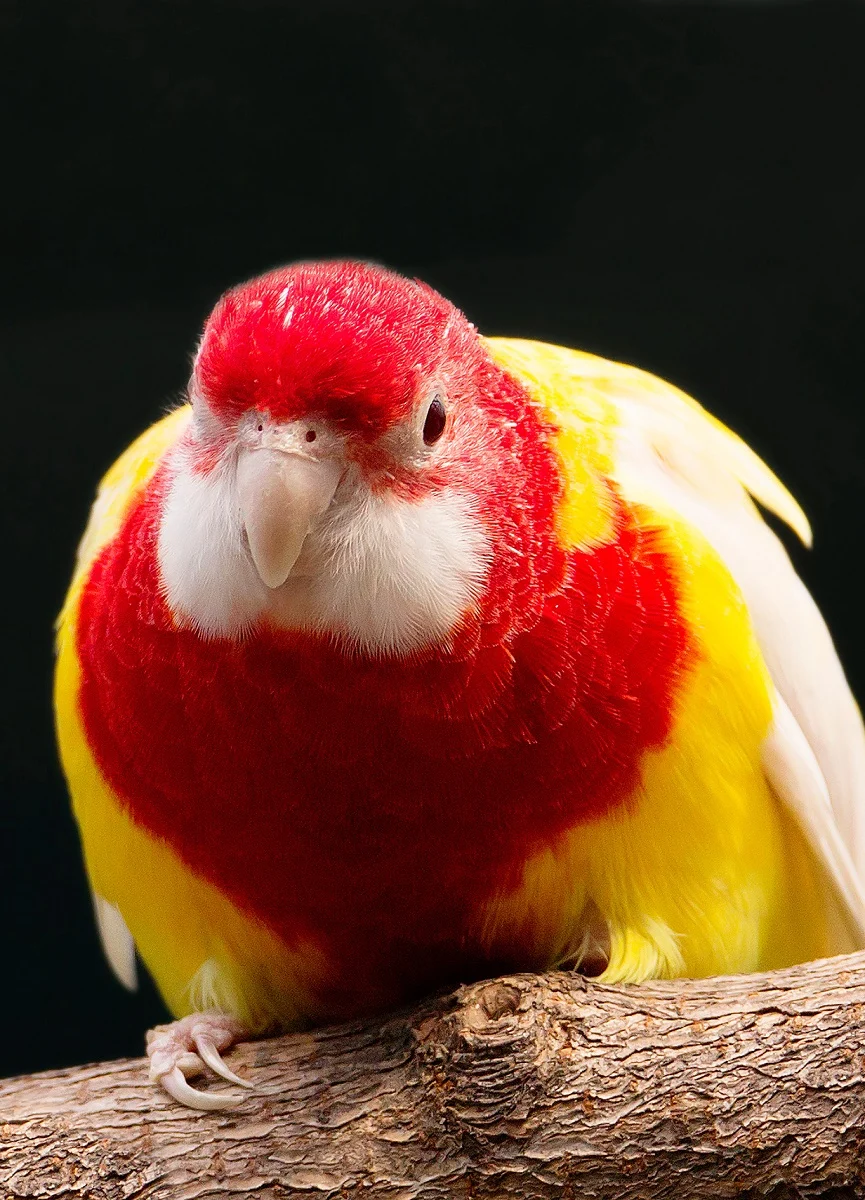
The Eastern Rosella (Platycercus eximius) stands as a vibrant testament to the natural beauty of Australian avifauna. Renowned for its exceptionally colorful plumage, this medium-sized parrot, though not massive, is undeniably captivating and rarely goes unnoticed. Beyond its striking appearance, the Eastern Rosella has garnered popularity as a companion bird, cherished for its engaging and amiable demeanor. This comprehensive article delves into the fascinating world of the Eastern Rosella, exploring its origins, ecological role, dietary habits, and the considerations for its care in a domestic setting.
An Overview of the Eastern Rosella
| Name(s) | Eastern Rosella, Platycercus eximius |
|---|---|
| Natural Habitat | Lightly wooded areas, open forests, and farmlands in Southeastern Australia |
| Adult Size | Approximately 30 cm (12 inches) long, weighing around 100 grams |
| Lifespan | 20-30 years in captivity |
| Noise Level (for a parrot) | Relatively low, primarily whistles and cheeps |
| Conservation Status | Least Concern (IUCN Red List) |
Appearance and Identification: A Symphony of Colors
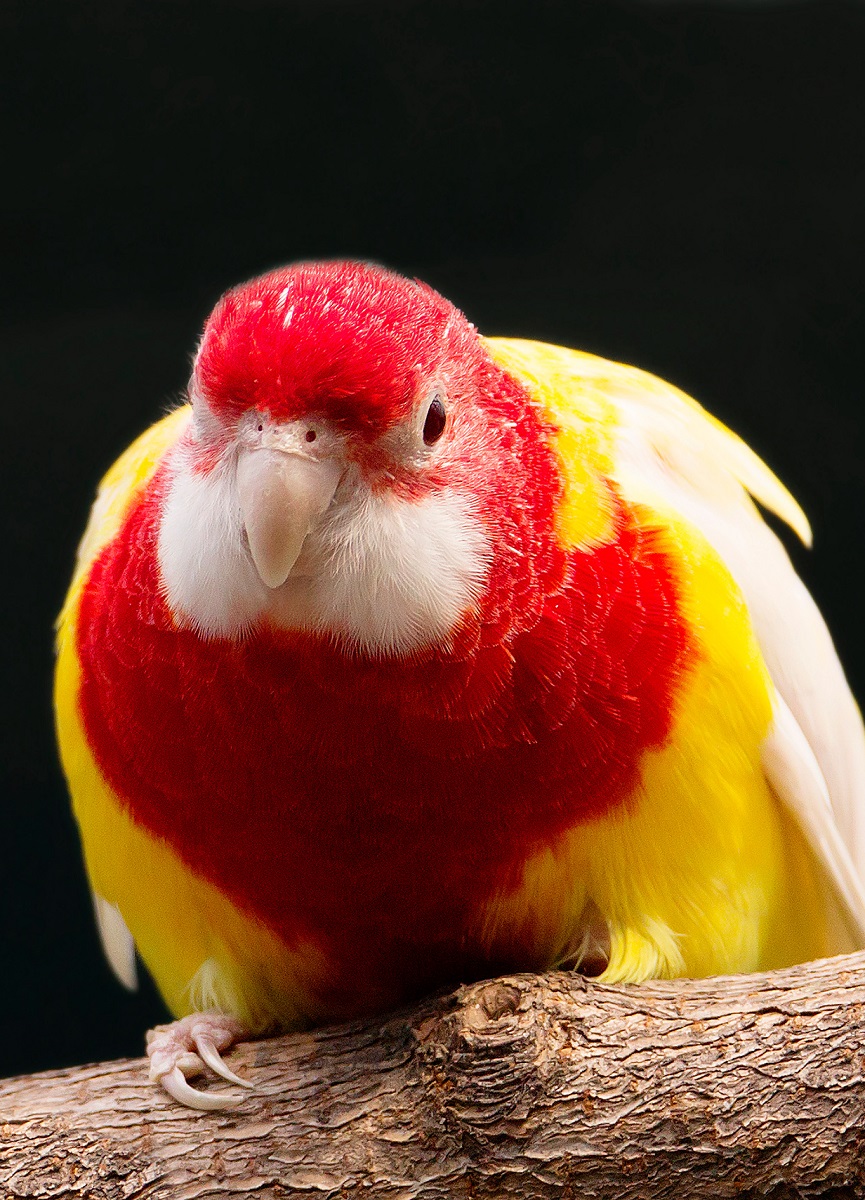
Despite its moderate size, the Eastern Rosella is a visually stunning bird. Its plumage is a complex tapestry of bright hues. The head and chest are dominated by a vivid crimson, sharply contrasting with immaculate white cheek patches. Moving downwards, the belly and "pants" transition to a lively yellow-green. The upper wing feathers exhibit a scalloped pattern of yellow-green and black, while the back is a rich green. The undersides of the wings are a striking blue, complementing a long, elegant blue-green tail. This intricate coloration provides a remarkable example of natural artistry, serving both as camouflage within dappled foliage and as a signal for mate attraction.
Subspecies and Regional Variations
The species comprises three recognized subspecies, each occupying a distinct geographical area and possessing subtle yet unique characteristics that differentiate them:
- Platycercus eximius eximius (the nominate subspecies): Predominantly found in Tasmania and parts of Victoria.
- Platycercus eximius elecica: Inhabits northern New South Wales and southeastern Queensland, often displaying a slightly more intense yellow on the lower belly.
- Platycercus eximius diemenensis: Exclusively found in Tasmania, often noted for being slightly larger and having a brighter red on the head and chest.
Juvenile Appearance and Molting
Young Eastern Rosellas present a slightly different appearance compared to their adult counterparts. Their colors are generally less intense and muted, often appearing duller. A notable distinguishing feature is their beak, which starts as yellow and gradually transitions to the characteristic white of adults. This juvenile plumage is typically retained until their first molt, which occurs between 2 and 6 months of age. Following this initial molt, the birds acquire their full adult coloration and distinct features.
Selective Breeding and Color Morphs
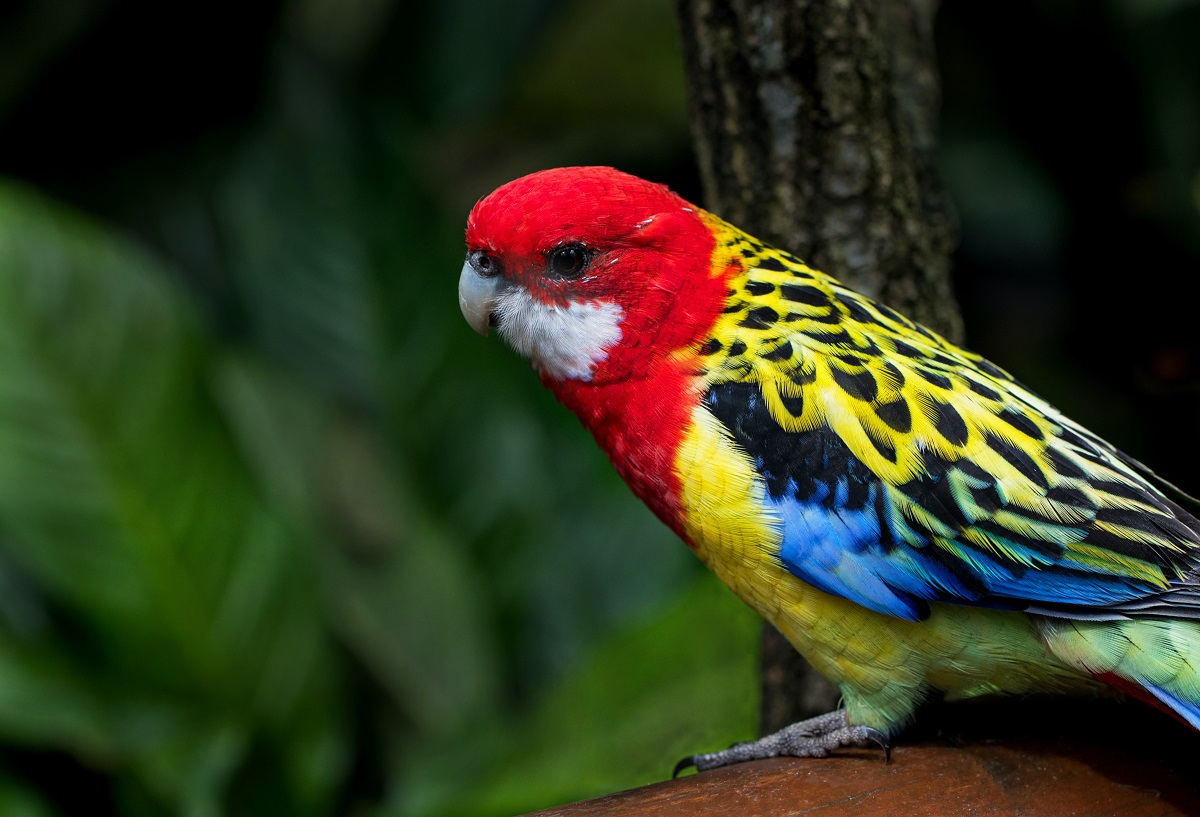
In the pet trade, selective breeding has led to the development of various color morphs, offering enthusiasts even more visual diversity. One particularly common morph is the "Rubino," characterized by its striking red, yellow, and white coloration, conspicuously lacking the natural blue, green, or black pigments found in wild birds. These captive-bred variations highlight the genetic plasticity of the species and the aesthetic preferences within aviculture.
The Phenomenon of Hybridization
Birdwatchers occasionally report sightings of rosellas with unusual color patterns, a phenomenon often attributable to hybridization. Members of the genus Platycercus are known to interbreed, leading to the emergence of hybrid birds in areas where their ranges overlap. Crosses between Eastern Rosellas and Crimson Rosellas (P. elegans) or Pale-headed Rosellas (P. adscitus) are not uncommon. These hybrid offspring can exhibit a fascinating blend of features from both parent species, often resulting in exceptionally striking and unique plumages that can make identification challenging for observers.
Determining Sex: Visual Cues and Challenges
Visually distinguishing between male and female Eastern Rosellas can be challenging, particularly before the bird reaches full maturity and undergoes its first molt. Generally, adult males tend to be slightly larger and exhibit more vibrant and intense coloration, especially on the red areas of their head and chest. Females, conversely, may have a somewhat duller plumage, a slightly smaller head, and a more slender beak. However, these differences are often subtle and can vary individually, making definitive visual sexing unreliable. For accurate determination, especially in juvenile birds, DNA sexing remains the most dependable method.
Geographical Distribution and Natural Habitat
Range: An Australian Endemic with Introduced Populations
True to its name, the Eastern Rosella is an endemic species to the eastern and southeastern regions of mainland Australia, extending its natural range to the island of Tasmania. Its distribution is closely tied to the availability of suitable wooded habitats.
Beyond its native shores, the Eastern Rosella has established introduced populations in New Zealand. The presence of these populations is attributed to a combination of factors, including accidental escapes from captivity and intentional releases. A notable historical incident in 1910 involved a shipment of rosellas being released after New Zealand Customs refused entry, contributing to the establishment of wild colonies. Similarly, records indicate instances of birds escaping from damaged cages, such as 12 rosellas in Dunedin, further bolstering the non-native populations. These introduced populations have since adapted and spread within the New Zealand landscape, raising ecological considerations regarding their interaction with native avian species.
Natural Habitat: Adapting to Diverse Landscapes
Eastern Rosellas exhibit a preference for lightly wooded environments, demonstrating a remarkable adaptability to various landscapes shaped by both natural processes and human activity. Their ideal habitats include open forests, forest edges, and areas characterized by patches of Eucalyptus trees. They also thrive in modified environments such as parks, orchards, and farmlands, particularly those with ample rainfall or reliable water sources. The species can be found at moderate altitudes, typically up to 1,250 meters (4,100 feet).
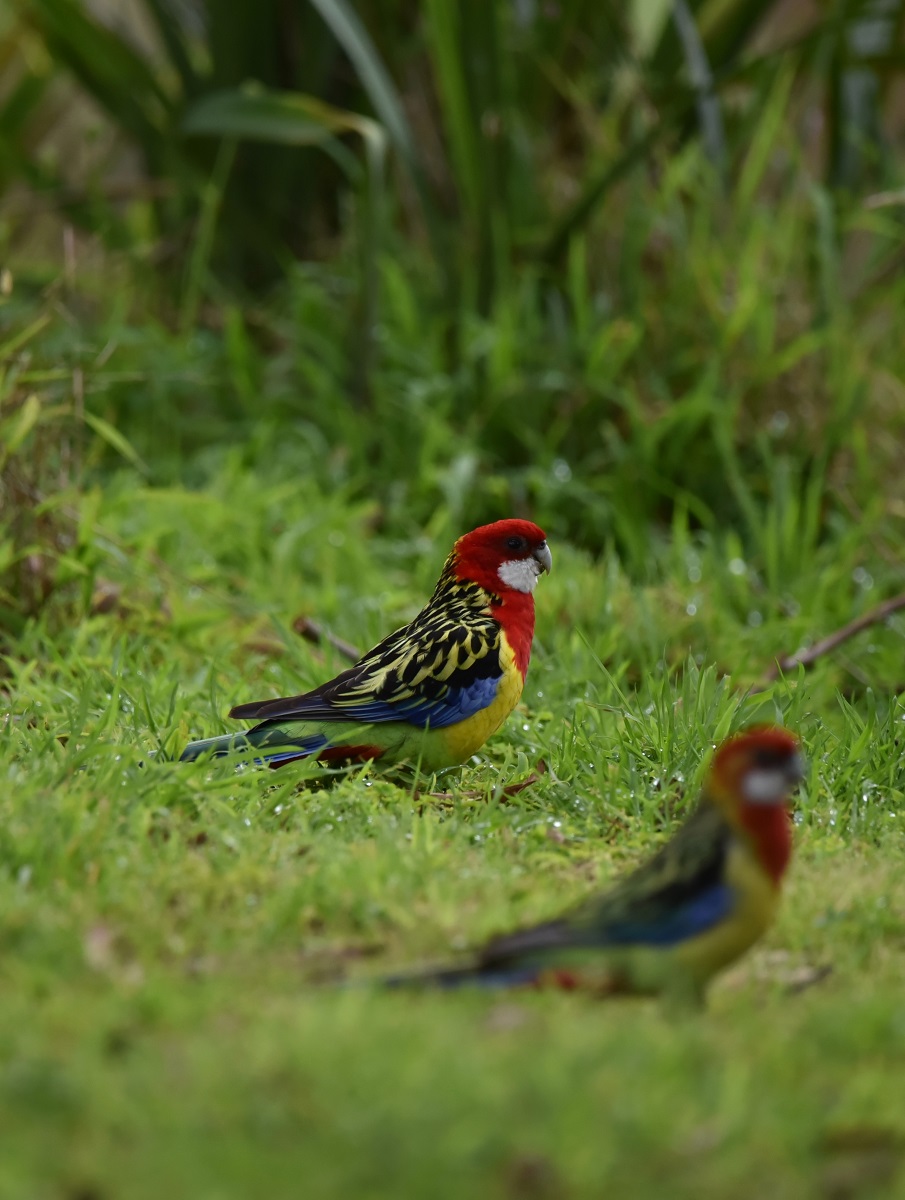
In the wild, these parrots are commonly observed in pairs or small groups, often foraging alongside other parrot species, including their rosella cousins. Like many psittacines, they are cavity nesters, utilizing hollows in mature trees for breeding and roosting, a critical aspect of their reproductive success.
Conservation Status: A Species of Least Concern
According to the IUCN Red List, the Eastern Rosella is currently classified as a species of "Least Concern." This favorable conservation status is attributed to its wide natural range and, notably, a population trend that appears to be stable or even increasing. Paradoxically, this species’ success is partly linked to habitat degradation driven by human activities. The conversion of natural landscapes for agriculture, while detrimental to many species, has inadvertently created advantageous conditions for the Eastern Rosella. The resulting farmlands provide abundant food sources, such as maize and various grains, which the birds readily exploit. This adaptation to anthropogenic landscapes highlights the complex interplay between human development and wildlife population dynamics.
Diet and Ecological Interactions
Wild Diet: A Mix of Seeds, Fruits, and Insects
The wild diet of the Eastern Rosella is diverse and opportunistic, primarily centered around seeds, with a particular fondness for thistle seeds. Beyond seeds, their palate extends to a variety of fruits, such as apples, and a range of berries, flowers, and flower buds. Researchers have also documented their consumption of insects, particularly during breeding season when protein requirements are higher. This varied diet allows them to exploit different food resources throughout the year and across various habitats.
Interaction with Agriculture: A Pest Status
For centuries, the Eastern Rosella has been perceived as a pest by farmers in eastern Australia due to its propensity for raiding orchards and damaging crops. This conflict highlights the ongoing tension between agricultural practices and wildlife conservation. While the species is protected by law, Australian farmers can obtain permits to cull rosellas if they can demonstrate significant crop damage and the ineffectiveness of alternative mitigation strategies. This policy underscores the economic impact of these birds on agricultural livelihoods and the challenges in balancing conservation with agricultural protection. Efforts are ongoing to develop non-lethal deterrents and promote coexistence.
Captive Diet: Mimicking Nature for Optimal Health
In captivity, providing a diet that mirrors the nutritional diversity of their wild foraging is crucial for the Eastern Rosella’s health and longevity. A simple seed-only diet, common in the past, is insufficient and can lead to nutritional deficiencies. Modern veterinary consensus, including recommendations from avian specialists, advocates for a base diet of high-quality, formulated pellets. These pellets provide a balanced nutritional foundation, ensuring the birds receive essential vitamins and minerals.
Supplementing the pellet diet with a wide array of fresh produce is vital. Daily offerings should include various vegetables, such as leafy greens (kale, spinach), carrots, and bell peppers. Fruits, such as apples, bananas, and oranges, can be provided a few times a week as treats due to their higher sugar content. Further enrichment can be achieved through sprouted seeds, cooked whole grains (like whole-wheat pasta and rice), and occasional treats such as millet sprays or small quantities of nuts. Protein sources, such as boiled eggs or freeze-dried mealworms, can be offered sparingly, especially during breeding periods. Additionally, foraging opportunities can be created by offering parrot-safe branches, weeds, and edible flowers, encouraging natural foraging behaviors.
The Eastern Rosella as a Companion Bird
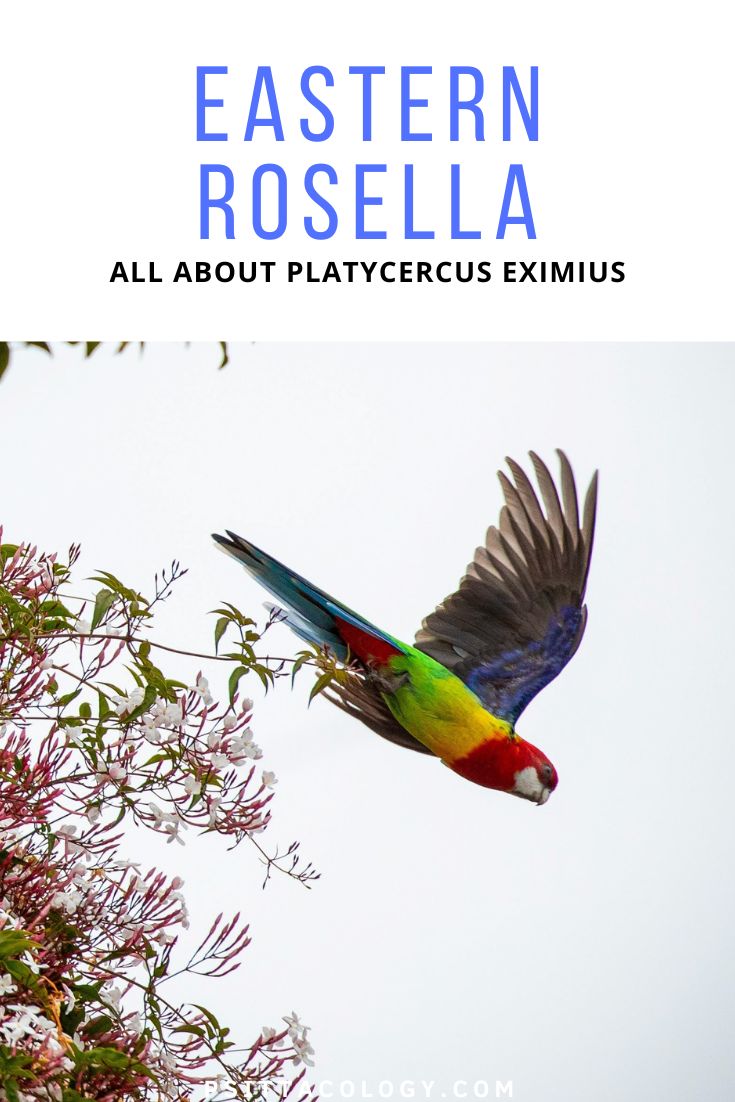
Eastern Rosellas are among the more commonly kept parrot species in captivity, prized for their beauty and engaging personalities. They are particularly popular as aviary birds, where their vibrant colors can be admired. However, their territorial nature means they are often not ideal for cohabitation with smaller, more docile aviary birds like budgies. For individuals seeking an indoor companion, a well-socialized rosella can be an excellent choice. They are generally active, curious, and social birds, known for their independence compared to some other parrot species, yet most still form strong bonds and enjoy interaction with their human caregivers. Their relatively low noise level further enhances their appeal as indoor pets.
Housing: Creating a Suitable Environment
Proper housing is paramount for the well-being of a captive Eastern Rosella. As with all parrots, the largest possible cage should be provided. A minimum cage length of 1 meter (40 inches) is recommended to allow the bird sufficient space to stretch its wings and engage in limited flight. For safety, cage bar spacing should not exceed 1.25 cm (0.5 inches) to prevent escapes or injuries.
The cage interior should be furnished with a variety of natural perches of different diameters and textures to promote foot health. Essential accessories include a food bowl and multiple sources of fresh water, which should be changed daily.
Enrichment: Stimulating a Bright Mind
Parrots are highly intelligent creatures prone to boredom, which can manifest as stress, feather plucking, and other undesirable behaviors. Providing ample enrichment is crucial for an Eastern Rosella’s mental and physical health. Beyond a selection of parrot toys, which should be rotated regularly, consider incorporating:
- Foraging Opportunities: Hide food in puzzle toys or within the cage substrate to stimulate natural foraging instincts.
- Chew Toys: Provide branches from safe trees (e.g., eucalyptus, bottlebrush) or commercially available chew toys to satisfy their natural need to chew and keep their beaks trimmed.
- Social Interaction: Dedicate consistent daily time for interaction, training, and play with your bird.
- Out-of-Cage Time: Supervised time outside the cage in a bird-proofed room allows for greater exercise and exploration.
- Bathing Opportunities: A shallow dish of water or a light misting encourages preening and feather health.
Noise Level and Vocalization: A Melodious Companion
Compared to many other parrot species, Eastern Rosellas are not known for being excessively loud. While all parrots produce vocalizations, rosellas typically communicate through a repertoire of whistles and cheeps rather than piercing flock calls. This characteristic makes them a more suitable choice for apartment living or homes where excessive noise might be a concern, provided walls are not unusually thin. Enthusiasts can explore their diverse vocalizations on platforms like Xeno-Canto.
Regarding speech, Eastern Rosellas can learn to mimic sounds and words. While they may not be among the most prolific talking parrots, they are capable of imitating household noises and, with patience and consistent training, can learn a surprising number of words or short tunes. This ability adds another layer of charm to their companionship.
Safety and Emergency Preparedness
Due to their inherent curiosity and delicate nature, parrots can easily encounter hazards in a household environment. It is imperative for owners to parrot-proof any space their rosella has access to, removing toxic plants, securing windows and doors, and eliminating potential ingestion risks. Furthermore, owners should familiarize themselves with basic parrot emergency care protocols, including recognizing signs of illness or injury and knowing how to safely transport their bird to an avian veterinarian. Regular veterinary check-ups are also crucial for preventative care and early detection of health issues.
Conservation and Future Outlook
The Eastern Rosella’s current "Least Concern" status on the IUCN Red List is a positive indicator of its robust population. Its adaptability to human-modified landscapes, particularly agricultural areas, has ironically contributed to its success, even as it presents challenges for farmers. However, the long-term implications of this reliance on anthropogenic food sources and the potential for increased conflict with human interests warrant ongoing monitoring. In New Zealand, the ecological impact of introduced rosella populations on native flora and fauna is a subject of continuous study and management.
As a species, the Eastern Rosella exemplifies the vibrant diversity of Australian parrots and its ability to thrive in a changing world. Understanding its ecology, behavior, and care requirements ensures its continued presence, both in the wild and as a cherished companion, for generations to come.

