


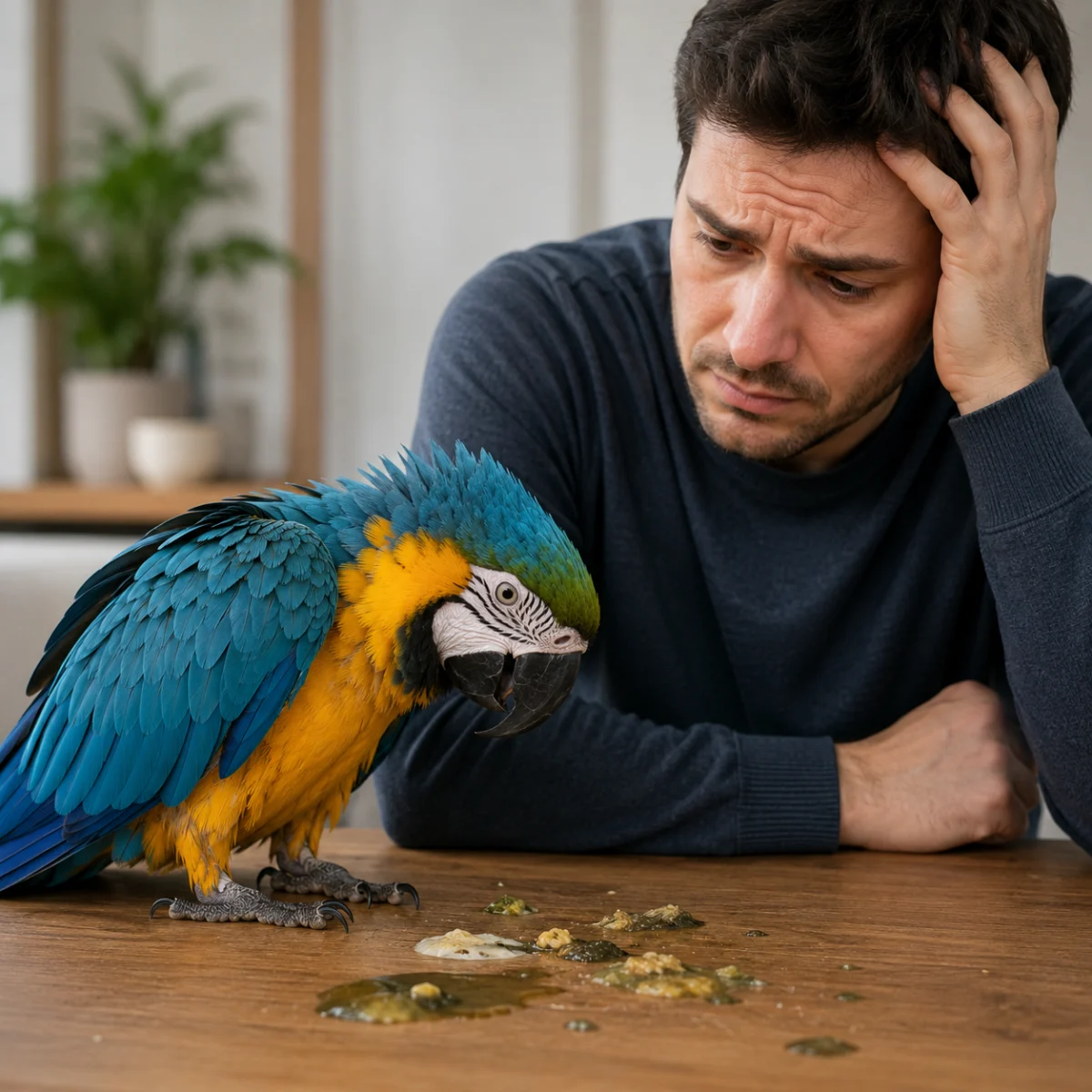
The health of companion birds is a delicate balance, often reflected in subtle changes that can easily be overlooked by even the most attentive owners. Among the most critical indicators of a bird’s well-being are its droppings. Unlike mammals, birds excrete feces, urine, and urates simultaneously through a single opening, the cloaca, creating a complex output that, when understood, offers a wealth of diagnostic information. This guide, drawing on insights from avian health specialist Diane Burroughs, LCSW, aims to equip bird owners with the knowledge to discern normal variations from serious health concerns, ensuring timely intervention and optimal care for their feathered companions.
The Nuance of Avian Excrement: Watery Poop vs. True Diarrhea
One of the most frequent concerns for bird owners is the appearance of excessively watery droppings. It is crucial to differentiate between increased liquid content, often a benign physiological response, and true diarrhea, which indicates a more serious underlying issue. Avian droppings are composed of three distinct parts: the fecal portion (typically solid and coiled or pelleted, varying in color depending on diet), the liquid urine, and the white, pasty urates (metabolic waste products).
When the liquid component increases, resulting in a "watery poop," this can be due to several non-alarming factors. A sudden increase in the consumption of fruits or watery vegetables (like cucumber, lettuce, or melon) can naturally lead to more urine. Similarly, stress, even mild environmental changes, or increased water intake (polydipsia) can temporarily increase the liquid output. In these cases, the fecal component remains well-formed, and the bird typically exhibits normal appetite, energy, and posture. The change is primarily in the volume of the clear liquid surrounding the solid fecal matter.
Conversely, true diarrhea is characterized by an abnormal, unformed fecal portion. Instead of distinct pellets or coils, the feces appear loose, mushy, or completely liquid, often mixed indiscriminately with the urine and urates. This indicates a disruption in the digestive tract’s ability to properly absorb water and nutrients, a symptom that warrants immediate attention. While occasional loose droppings might stem from a minor dietary upset, persistent true diarrhea, especially when accompanied by other signs such as lethargy, reduced appetite, or a fluffed-up appearance, is a clear signal for urgent avian veterinary consultation. Avian veterinarians consistently emphasize that while monitoring can be appropriate for transient, isolated watery droppings, any sustained alteration in fecal consistency points to potential gastrointestinal pathology.
Undigested Food: A Critical Red Flag
The presence of recognizable, undigested food particles—be it seeds, pellets, or pieces of chop—in a bird’s droppings is a grave sign and should never be dismissed. The avian digestive system is remarkably efficient, designed to break down food into its most basic components for nutrient absorption. This complex process involves several specialized organs: the crop (for softening and temporary storage), the proventriculus (the glandular stomach where digestive enzymes begin breakdown), the ventriculus or gizzard (the muscular stomach for grinding), and the intestines (for further digestion and nutrient absorption).
When whole food particles exit the body, it indicates a significant failure at one or more stages of this process. Owners might notice whole seeds, distinct pieces of vegetables, or unground pellets. This symptom bypasses the "wait and see" approach; it mandates prompt veterinary investigation. The implications of undigested food are wide-ranging and often severe, pointing to conditions such as:
- Proventricular Dilatation Disease (PDD): A highly fatal viral disease that damages the nerves controlling the proventriculus and gizzard, leading to impaired digestion and a classic symptom of undigested food.
- Severe Bacterial or Fungal Infections: Pathogens can inflame the digestive tract, hindering enzyme production or motility.
- Malabsorption Syndromes: The intestines may be unable to properly absorb nutrients, often due to disease or damage.
- Pancreatic Insufficiency: The pancreas produces essential digestive enzymes; dysfunction here can lead to undigested food.
- Heavy Metal Toxicity: Ingestion of lead or zinc can severely disrupt gut motility and enzyme function.
According to the Association of Avian Veterinarians (AAV), undigested food combined with weight loss, vomiting, or general weakness is an emergency. It’s not a condition that can be remedied with home supplements, as the underlying cause requires precise diagnosis and targeted treatment from a specialist.
Decoding Dropping Colors: A Visual Diagnostic Aid
The color of a bird’s droppings, particularly the fecal and urate portions, provides further diagnostic clues. However, color changes alone are rarely definitive; they must always be interpreted in conjunction with the bird’s overall demeanor, appetite, and the consistency of the droppings.
-
Green Droppings: A common observation, green droppings can be benign or concerning. If a bird has recently consumed a large quantity of green leafy vegetables or a diet rich in green pellets, a green tint to the fecal portion is often normal due to pigment transfer. However, a persistent dark green fecal portion, especially when the bird is not eating much (anorexia), can signify bile stagnation or liver involvement. When a bird is sick and not consuming food, the bile continues to pass through the digestive tract, leading to dark green, often scanty, droppings. This scenario is a clear prompt to contact an avian vet.
-
Yellow Urates: The urates, normally chalky white, can turn yellow or greenish-yellow. This change is frequently indicative of liver disease, dehydration, or a systemic infection. The bilirubin, a byproduct of red blood cell breakdown, is processed by the liver and, when elevated due to liver dysfunction, can impart a yellow hue to the urates. Any persistent yellowing of the urates should be investigated by a veterinarian, as it can signal metabolic distress.
-
Black or Tarry Stool: A truly alarming sign, black or tarry droppings typically suggest digested blood originating from the upper gastrointestinal tract (e.g., proventriculus, gizzard, or upper small intestine). The blood is chemically altered as it passes through the digestive process, turning it dark. This is distinct from fresh red blood, which would indicate bleeding closer to the cloaca. Black, tarry stools, known as melena, are an urgent veterinary emergency, as they signify significant internal bleeding.
-
Red Droppings: Fresh red coloration in droppings can be caused by food pigments (e.g., beets, red berries) or, more critically, fresh blood. If red droppings appear shortly after consuming red-pigmented foods and the bird is otherwise active and healthy, monitoring might be sufficient. However, if the source is uncertain, if the red persists, or if accompanied by any signs of illness, it must be treated as a veterinary emergency. Fresh blood can indicate lower GI bleeding, cloacal irritation, or reproductive tract issues in hens.
Distinguishing Between Regurgitation and Vomiting
These two actions, while appearing similar, have vastly different implications for a bird’s health. Understanding the distinction is vital for accurate assessment.
-
Regurgitation: This is often a controlled, voluntary action where the bird brings up contents from its crop or esophagus. It is frequently associated with bonding, courtship behavior, or feeding young. A bird that is regurgitating will typically stretch its neck, bob its head, and then expel semi-digested food directly to a perceived mate (owner, toy, or another bird). The bird usually appears otherwise healthy, alert, and continues its normal activities shortly after. The expelled material is often warm and relatively intact. While normal for certain contexts, excessive or persistent regurgitation can sometimes indicate hormonal imbalances or even crop stasis if the material isn’t being passed efficiently.
-
Vomiting: In contrast, vomiting is an involuntary, often violent expulsion of food from deeper in the digestive tract (proventriculus or ventriculus). A bird that is vomiting will typically shake its head vigorously, scattering messy, often foul-smelling, partially digested or undigested food particles over its feathers, cage bars, and surrounding area. The bird often appears distressed, fluffed up, weak, or lethargic both before and after the event. Vomiting is always a sign of illness and requires immediate veterinary attention. It can be caused by a wide array of conditions, including infections, toxins, organ disease, foreign bodies, or systemic illness affecting the gastrointestinal tract. Treating messy vomiting as a normal bonding behavior can lead to dangerous delays in critical care.
Common Etiologies of Avian Digestive Distress
Digestive symptoms in birds are rarely isolated events; they are often the manifestation of underlying issues ranging from benign dietary shifts to severe systemic diseases.
-
Dietary Changes or Watery Foods: The most straightforward cause. A sudden introduction of new fruits, vegetables, or increased hydration can temporarily alter droppings. However, persistent issues after a dietary change suggest either an intolerance or the new food exacerbating an underlying condition.
-
Spoiled Food or Dirty Dishes: Avian digestive systems are highly susceptible to bacterial and fungal overgrowth from contaminated food and water. Wet chop, sprouts, or soft foods left out for too long, especially in warm environments, can quickly become breeding grounds for pathogens like E. coli, Salmonella, or Candida. Poor cage hygiene, including infrequent cleaning of food and water dishes, also contributes significantly to this risk.
-
Bacterial, Fungal, Viral, or Parasitic Diseases: Infectious agents are a leading cause of avian digestive problems.
- Bacterial: Common culprits include Chlamydia psittaci (causing psittacosis), Salmonella, E. coli, and various gram-negative bacteria, leading to enteritis, diarrhea, and systemic illness.
- Fungal: Candida albicans (yeast infections) is prevalent, especially in young birds or those on antibiotics, causing crop stasis, vomiting, and diarrhea.
- Viral: Viruses like Polyomavirus, Pacheco’s Disease, and PBFD (Psittacine Beak and Feather Disease) can have gastrointestinal manifestations alongside other severe symptoms. Proventricular Dilatation Disease (PDD), a viral disease affecting the nervous system, is a prime example of a viral cause for severe digestive issues.
- Parasitic: Protozoa like Giardia and Cochlosoma (especially in cockatiels and finches) or intestinal worms can cause chronic diarrhea, weight loss, and malabsorption.
-
Toxins or Metal Exposure: Birds are highly sensitive to various toxins. Ingesting heavy metals (lead from old paint, toys; zinc from galvanized cage wire or coins), pesticides, household chemicals (cleaners, aerosols), certain unsafe houseplants, or even overdosing on medications can trigger acute digestive upset, vomiting, diarrhea, neurological signs, and weakness.
-
Foreign Material or Obstruction: Birds are naturally curious and explore with their beaks. Ingesting indigestible materials like rope fibers, bedding, toy fragments, wood splinters, or small plastic pieces can irritate the digestive tract, lead to impaction, or cause a complete obstruction, resulting in vomiting, anorexia, and severe distress.
-
Proventricular Disease or Malabsorption Syndromes: Beyond PDD, other conditions can affect the proventriculus, ventriculus, or intestines, leading to chronic maldigestion or malabsorption. These often manifest as undigested food in droppings, persistent weight loss despite a good appetite, chronic vomiting, or a gradual decline in condition.
Proactive Steps for Bird Owners: Immediate Actions and Data Collection
When a bird exhibits signs of digestive upset, immediate, informed action is critical. The goal is to gather crucial information without delaying necessary veterinary care.
- Observe and Isolate: If possible, move the bird to a quiet, warm, and low-stress environment. Closely observe its behavior, posture, and energy levels. Note any changes in vocalization, activity, or interaction.
- Document Symptoms: Take clear photographs of the abnormal droppings, noting their color, consistency, and presence of any unusual elements like undigested food or blood. Document the exact date and time of the observations.
- Review Diet and Environment: Make a detailed list of the bird’s recent diet, including any new foods, treats, or supplements. Note any recent changes in its environment, cage setup, or household routine that could be sources of stress or toxin exposure.
- Monitor Food and Water Intake: Record how much the bird is eating and drinking. Is it showing interest in food but not consuming it? Is it drinking excessively or not at all?
- Collect a Fresh Dropping Sample: If a veterinary visit is anticipated, attempt to collect a fresh dropping sample in a clean, dry container. This can expedite diagnostic testing.
Bring this to the vet: A comprehensive history is invaluable for an avian veterinarian. This includes:
- Clear photos of the abnormal droppings over time.
- A detailed list of the bird’s diet and any recent changes.
- A timeline of when symptoms started and how they have progressed.
- Observations about the bird’s energy, appetite, vocalizations, and behavior.
- Information about any recent stressors or potential toxin exposures.
- Details of any other birds in the household and their health status.
The Role of Probiotics in Avian Gut Health
Probiotics, beneficial microorganisms, can play a supportive role in maintaining a healthy gut microbiome in birds. They are most effective when used as a prophylactic measure or during recovery phases, such as after a course of antibiotics that may have disrupted the natural gut flora, during periods of stress, or following minor dietary disruptions. By introducing beneficial bacteria, probiotics can help restore balance, potentially improving digestion and immune function.
However, it is crucial to understand that probiotics are not a cure for underlying diseases. They will not resolve issues like severe infections, heavy metal toxicity, foreign body obstructions, organ disease (like PDD or liver disease), or chronic malabsorption syndromes. They should never be used as a substitute for a veterinary diagnosis and treatment, especially when a bird is exhibiting serious symptoms such as weakness, vomiting, significant weight loss, or persistently abnormal droppings. Their best use is as a complementary therapy, providing gut support under veterinary guidance, not as a diagnostic tool or a primary treatment for illness.
When to Seek Professional Avian Veterinary Care: The Critical Threshold
While some minor digestive variations can be monitored, certain signs unequivocally demand immediate attention from a qualified avian veterinarian. The overarching rule is that abnormal droppings, when combined with any behavioral changes, elevate the situation from a "watch and wait" scenario to a veterinary emergency.
Urgent Veterinary Signs Include:
- Persistent Vomiting: Not to be confused with regurgitation; always an emergency.
- Undigested Food in Droppings: A critical sign of digestive failure.
- Significant Weight Loss: Often subtle, requires consistent weight monitoring.
- Lethargy or Weakness: A bird sitting fluffed up, at the bottom of the cage, or with drooping wings.
- Loss of Appetite or Refusal to Eat: Anorexia rapidly leads to severe decline in birds.
- Passing Blood: Fresh red blood or black, tarry stools.
- Persistent Diarrhea: Unformed fecal matter that lasts more than 24 hours.
- Yellow or Dark Green Urates: Indicating potential liver or systemic issues.
- Neurological Changes: Tremors, seizures, loss of balance, or paralysis.
- Difficulty Breathing: Open-mouthed breathing, tail bobbing, or labored breaths.
Avian health organizations, including the Association of Avian Veterinarians, consistently emphasize that birds are masters at masking illness. By the time clear symptoms become apparent, the disease may be advanced. Therefore, any combination of the above symptoms with abnormal droppings should trigger an immediate call to an avian or exotics veterinarian. Delaying care can significantly worsen the prognosis and lead to irreversible damage or fatality.
Broader Implications and Preventive Care
The vigilance required in monitoring avian digestive health underscores a broader truth about companion bird care: prevention and early detection are paramount. Regular wellness examinations with an avian veterinarian, even for seemingly healthy birds, are crucial for establishing a baseline and detecting subtle changes. These visits often include fecal parasite screens and other diagnostic tests that can catch issues before they become symptomatic.
A balanced, species-appropriate diet, as recommended by avian nutrition experts, is the cornerstone of digestive health. Moving away from seed-only diets, which are often nutritionally deficient, towards a pelleted diet supplemented with fresh fruits, vegetables, and greens, can prevent many common gastrointestinal problems. Strict hygiene practices, including daily cleaning of food and water dishes, regular cage cleaning, and using bird-safe cleaning products, drastically reduce the risk of infectious diseases.
Moreover, understanding a bird’s natural behaviors and providing an enriching environment minimizes stress, which can indirectly impact digestive function. Owners must also be acutely aware of potential household toxins and ensure their bird’s environment is safe and free from hazards.
Ultimately, informed observation and proactive care are the most powerful tools in a bird owner’s arsenal. While the complexity of avian droppings can seem daunting, learning to interpret these vital signs, coupled with knowing when to seek professional help, is fundamental to ensuring a long, healthy, and happy life for our feathered companions. As Diane Burroughs aptly states, "abnormal poop alone may be a clue. Abnormal poop plus a bird acting sick is a veterinary problem." This simple rule serves as a guiding principle for all responsible bird owners.

