


For countless pet bird owners, the struggle to introduce fresh vegetables into their feathered companions’ diets is a common and often frustrating challenge. Whether a bird disdainfully tosses broccoli, meticulously picks seeds from a chop mix, or displays an exclusive preference for human plate offerings, this guide provides a structured, evidence-based approach to fostering healthier eating habits. This isn’t about forcing dietary changes through hunger, but rather leveraging a bird’s natural learning instincts to cultivate curiosity and acceptance of essential plant-based foods. It is crucial to note that this methodology is designed for healthy birds; any bird exhibiting signs of illness, weight loss, weakness, or other medical fragility should be immediately assessed by an avian veterinarian before any dietary modifications are attempted.
The Avian Dietary Dilemma: Bridging the Gap Between Wild Instincts and Captive Care
In their natural habitats, wild parrots thrive on an incredibly diverse diet comprising a vast array of plant-based foods: leaves, various seeds, grasses, fruits, flowers, bark, shoots, nuts, and seasonal vegetation. This ecological abundance, however, does not imply that every plant is safe to consume. Consequently, young parrots do not learn what to eat through trial and error; instead, they meticulously observe their parents and flock mates, internalizing safe dietary choices through social learning.
This innate wiring remains profoundly influential in pet birds. A bird accustomed to a diet primarily composed of seeds or commercial pellets for years will instinctively view unfamiliar items like kale, carrots, squash, sprouts, or a complex vegetable chop with suspicion. To them, a vibrant orange carrot shred or a leafy green may appear alien, potentially unsafe, and certainly not recognized as food. Therefore, a bird’s refusal of vegetables is rarely an act of stubbornness; it is often a primal response, a waiting for definitive proof that this strange new offering belongs in the "safe to eat" category. This is where the human caregiver assumes the vital role of teacher, guiding their bird through a gentle, repetitive process of exposure and trust-building.
The significance of a varied diet extends beyond mere preference; it is fundamental to avian health. A diet overly reliant on seeds, while palatable, is notoriously deficient in critical nutrients, particularly Vitamin A, and excessively high in fats. This imbalance can lead to a host of serious health issues, including fatty liver disease, kidney problems, respiratory complications, and weakened immune systems, all of which significantly reduce a bird’s quality of life and lifespan. Conversely, a diet rich in fresh vegetables provides essential vitamins, minerals, fiber, and antioxidants, crucial for vibrant plumage, robust organ function, and overall vitality. Leading avian veterinarians consistently advocate for a diverse, plant-based diet, often recommending that fresh produce constitute a significant portion of a bird’s daily intake, complemented by a high-quality pelleted diet.
A Phased Approach to Dietary Enrichment: Leveraging Avian Learning Principles
The fundamental principle for teaching a bird to eat vegetables mirrors how they naturally learn safe foods: through repetition, curiosity, flock behavior, and safe, low-pressure exposure. Your bird observes what you trust. By demonstrating your own interest in bird-safe vegetables, offering tiny, non-coercive choices, and repeating this routine calmly, you harness their natural flock mentality to your advantage. Research, such as the pellet conversion study by Cummings et al. (2022) on methods like Birdie’s Choice, Slow and Steady, and Tough Love, while designed for seed-to-pellet conversion, provides invaluable insights into the behavioral learning principles applicable to introducing fresh foods. These methods underscore the effectiveness of behavioral modification techniques rooted in avian learning patterns, focusing on choice, routine, exposure, and modeling.
Phase 1: Building Trust Through Modeling and Social Cues
Your bird is already attuned to your behavior, especially around food. When you use an enthusiastic, happy mealtime voice ("Chow time!"), you are inadvertently teaching them that "This is safe, familiar, and part of our routine." This same energy can be applied to vegetables.

- The "Flock Lesson": Begin by consuming plain, bird-safe vegetables in front of your bird. Act genuinely delighted with the food. Take a small, visible bite of a piece you intend to offer them. Let your bird see that fresh food is something the "flock" (you) gets excited about. This social modeling is incredibly powerful.
- Low-Pressure Offering: Offer tiny pieces of the vegetable directly from your plate or hand, but without any pressure. Do not force it. The goal is to invite curiosity, not to make them eat. Praise any interaction – looking, touching, shredding, or even a hesitant lick.
- Why Your Plate? Many birds readily eat from their owner’s plate but ignore the same food in their own bowl. This isn’t defiance; it’s a testament to social learning. Your plate signals that the food has been "pre-screened" and deemed safe by a trusted flock member. Carefully utilize this by offering only plain, bird-safe options.
- Consistency is Key: Repeat these "food lessons" regularly, ideally at the same time each day, to establish a predictable routine.
Phase 2: Introducing Textures and Variety with Chop and Toppers
Once your bird shows initial curiosity about a few individual vegetables or fruits, the next step is to make these foods easier and more appealing to consume. This is where "chop" comes into play.
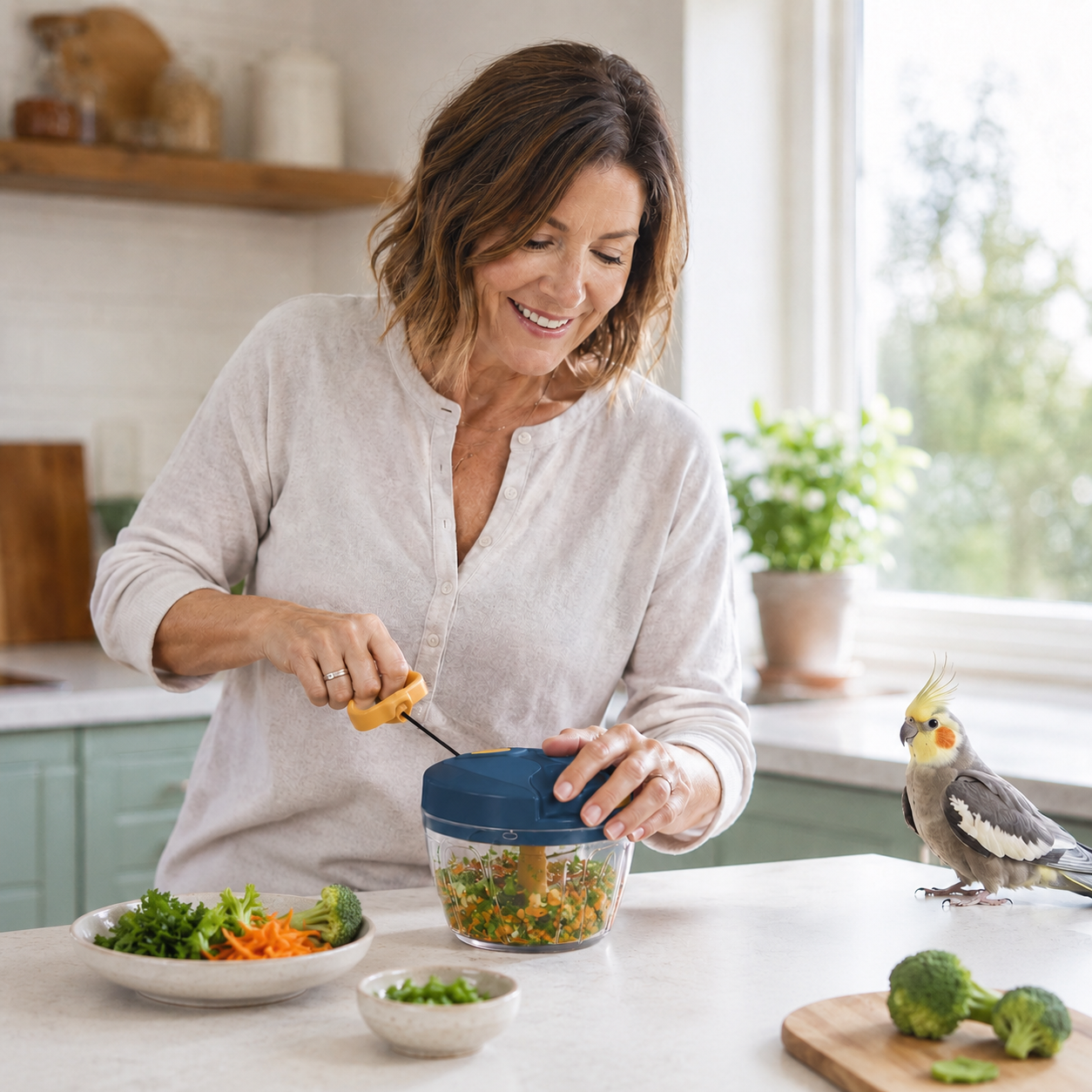
- The Art of Chop: Bird chop is a finely chopped mixture of bird-safe vegetables, leafy greens, and a minimal amount of fruit. The key is consistent, small, bite-sized pieces – think rice-sized or even smaller, especially for birds with small beaks. A handheld manual food chopper or a food processor can achieve this texture. Fine chopping prevents selective eating, ensuring that your bird ingests a balanced mix of nutrients rather than just picking out favored, larger pieces.
- Optimizing Chop Toppers: The best chop topper isn’t necessarily the sweetest or fattiest ingredient; it’s something that adds scent, texture, and visual curiosity while maintaining the focus on healthy plant-based foods.
- Herbs: A tiny sprinkle of fresh herbs like parsley, cilantro, or basil can add natural aroma and novelty.
- Sprouts: Freshly sprouted seeds offer a unique crunch, living plant nutrition, and natural foraging texture.
- Omega-rich Seeds: Ingredients like chia, flax, and hemp seeds (e.g., UnRuffledRx OmegaGlow Seed Fusion) provide beneficial omega fatty acids, protein, fiber, and an interesting texture.
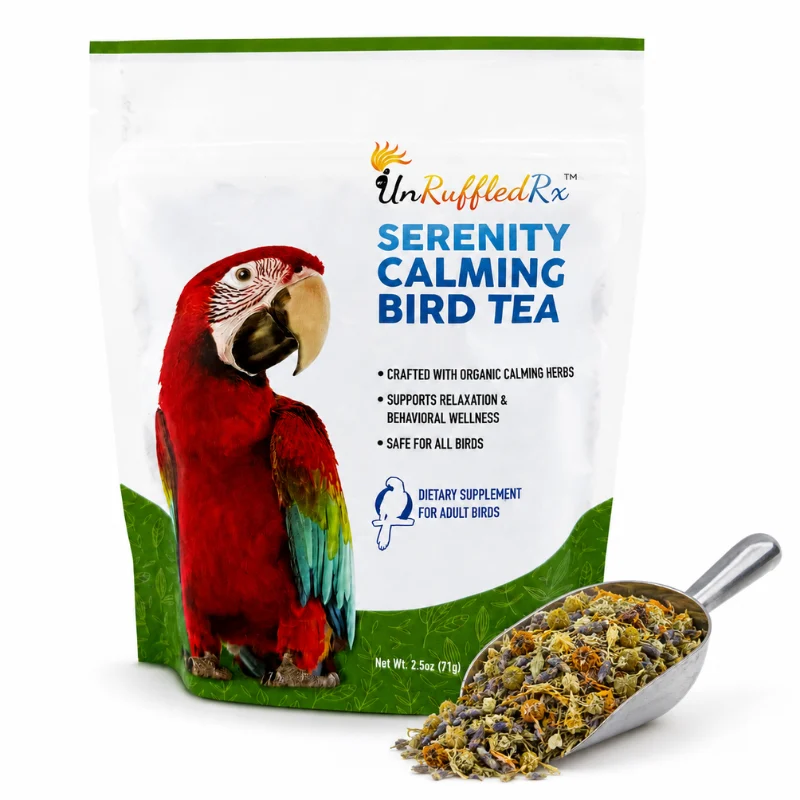
- Herbal Blends: Gentle herbal blends (e.g., UnRuffledRx Serenity Bird Calming Tea) can introduce subtle aromas and natural variety, inviting further investigation.
- Red Palm Oil (Used Sparingly): For birds that enjoy bold color and flavor, a tiny, infrequent dab of Red Palm Oil can add Vitamin A, but due to its richness, it should be used very sparingly as part of a highly varied fresh-food routine.
- Application: Start with a tiny sprinkle of any topper. The goal is to make vegetables more interesting without turning the chop into a "treat bowl." These additions act as sensory lures, encouraging your bird to explore the fresh food beneath. Avian nutritionists often recommend these types of additions to stimulate investigation without compromising the nutritional integrity of the main chop.
Phase 3: Targeted Strategies for Resistant Eaters
For birds that remain hesitant, adapting evidence-based pellet conversion principles can be highly effective. The key distinction for vegetables and chop is that the goal is curiosity and acceptance, not calorie restriction. It is critical to reiterate: never use hunger to force vegetables.
- Birdie’s Choice (for the Curious and Social Bird):
- Behavior Profile: This method suits birds that watch you eat, solicit attention, step up readily, or are generally engaged with their human.
- Adaptation: While you are eating your bird-safe vegetables, offer 2-3 tiny, distinct vegetable choices simultaneously. Present them on a small dish or directly from your hand. Praise any form of interaction – a glance, a touch, a shred, a tentative taste. The element of choice and social interaction makes the experience positive and rewarding.
- Slow and Steady (for the Cautious and Routine-Driven Bird):
- Behavior Profile: Ideal for birds that are suspicious, resistant to novelty, or thrive on predictability.
- Adaptation: Offer the same small fresh-food opportunity daily, at the exact same time. This could be a tiny piece of carrot, a single broccoli floret, or a small pinch of chop. Keep the pressure extremely low. The aim is to make the new food a familiar, non-threatening, and predictable part of their daily routine. Consistency over weeks, or even months, allows the food to transition from "suspicious" to "normal."
- Tough Love Adaptation (for the Skillfully Avoidant or Selective Bird):
- Behavior Profile: For birds that adeptly avoid vegetables, pick out only favorites, or simply ignore fresh food in their main bowl.
- Adaptation: This method focuses on maximum fresh-food exposure without restricting calories from their primary diet.
- Ubiquitous Presence: Place fresh greens (clipped to the cage bars), skewers of vegetables, small foraging cups filled with chop, or shallow dishes of vegetables in various "normal activity areas" throughout the cage and play stand.
- Variety in Presentation: Experiment with different textures (grated, finely diced, steamed, raw, pureed) and presentations (on a skewer, mixed into toys, hidden in foraging puzzles). The goal is to make fresh food so commonplace and accessible that the bird inevitably interacts with it out of curiosity or boredom.
- No Restriction: Ensure the bird still has access to its main diet (pellets/seeds) during this process. The intent is to increase familiarity and interaction, not to create hunger-driven consumption.
Timeline and Expectations:

It is essential to manage expectations regarding the timeline. Some birds, particularly younger or more naturally curious individuals, may begin investigating fresh food within days. Others, especially older birds or those with deeply ingrained dietary habits, may require weeks or even months of calm, consistent repetition. The measure of success in the initial stages is not immediate consumption, but rather progress in interaction: watching the food, touching it, shredding it (even if not eating), licking it, holding it, or simply moving closer to it. Every small interaction is a step forward in building trust and familiarity.
Addressing Common Concerns: Insights from Avian Experts
- "How do I get my bird to eat vegetables?" Start by prioritizing safety and familiarity. Eat plain, bird-safe vegetables yourself, offer tiny pieces without pressure, experiment with textures, and reward any signs of curiosity before expecting significant consumption. Dr. Sarah Johnson, an avian veterinarian specializing in nutrition, emphasizes that "patience is paramount. Owners often feel frustrated, but understanding a bird’s natural instinct to be wary of new foods is key. We’re asking them to override millions of years of evolutionary programming."
- "Why will my bird eat from my plate but not their bowl?" Your bird trusts what they observe you eating more than what appears unannounced in their own bowl. Birds are social learners; your plate acts as a powerful social cue, signaling that a food is safe. Use this carefully, offering only plain, bird-safe items.
- "What vegetables should I try first?" Good starting options often include grated carrot, finely chopped broccoli florets, various leafy greens (kale, spinach in moderation, romaine), cooked sweet potato, squash, peas, green beans, sprouts, and fresh herbs. The "best" first vegetable is ultimately one that you can offer safely in a texture your bird is willing to investigate, even if it’s just to shred it.
- "What if my bird only picks out favorite pieces?" This is a common challenge with chop. Try chopping ingredients more evenly and finely. Use smaller batches with fewer ingredients initially, and rotate one or two new ingredients at a time. Additionally, offer some foods separately (e.g., a small piece of carrot on its own) so your bird learns them as individual safe foods, not just as components of a mix where they can be ignored.
- "Is fruit okay for birds?" Fruit can be offered in small amounts as a treat, but it should not become the primary fresh-food goal due to its high sugar content. The bulk of fresh food should consist of vegetables, leafy greens, sprouts, and herbs. Fruit should be viewed as a supplemental item, not a staple.
- "How long does it take for a bird to accept chop?" As mentioned, the timeline varies greatly, from days to many weeks or even months. Focus on celebrating small victories: any observation of curiosity, touching, shredding, licking, holding, or moving closer to the food indicates progress. Behavioral specialists suggest viewing this process as a "food lesson," akin to teaching any new trick, where positive reinforcement and consistency yield results.
Broader Impact and Implications: A Lifelong Investment in Well-being
Successfully transitioning a pet bird to a diet rich in fresh vegetables represents a profound investment in their long-term health and well-being. The implications extend far beyond mere nutrition:
- Enhanced Physical Health: A balanced diet improves feather quality, strengthens the immune system, supports optimal organ function, and significantly reduces the risk of common avian diseases associated with poor nutrition. This translates to increased longevity and a higher quality of life.
- Improved Behavioral Health: The act of foraging for and consuming fresh produce provides crucial mental stimulation and enrichment, mimicking natural behaviors. This can alleviate boredom, reduce stress-related behaviors like feather plucking, and promote a more engaged and active bird.
- Strengthened Human-Animal Bond: The process of gently introducing new foods, especially through social modeling and positive reinforcement, can deepen the bond between owner and bird. It establishes the owner as a trusted provider and teacher, fostering a sense of security and companionship.
- Ethical Responsibility: Providing optimal nutrition is a fundamental ethical responsibility of pet ownership. By dedicating time and effort to dietary enrichment, owners fulfill a critical aspect of their bird’s welfare needs.
In conclusion, the journey to a vegetable-rich diet for a pet bird requires patience, understanding, and a consistent application of avian learning principles. It is a testament to the owner’s commitment to their bird’s health, transforming a potential source of frustration into a rewarding process that significantly enhances the life of their feathered companion. Always remember to consult an avian veterinarian for any concerns regarding your bird’s health or significant dietary changes, especially if they are unwell.

References:
Cummings, A. M., Hess, L. R., Spielvogel, C. F., & Kottwitz, J. J. (2022). An evaluation of three diet conversion methods in psittacine birds converting from seed-based diets to pelleted diets. Journal of Avian Medicine and Surgery, 36(2), 145–152. https://doi.org/10.1647/21-00025

