


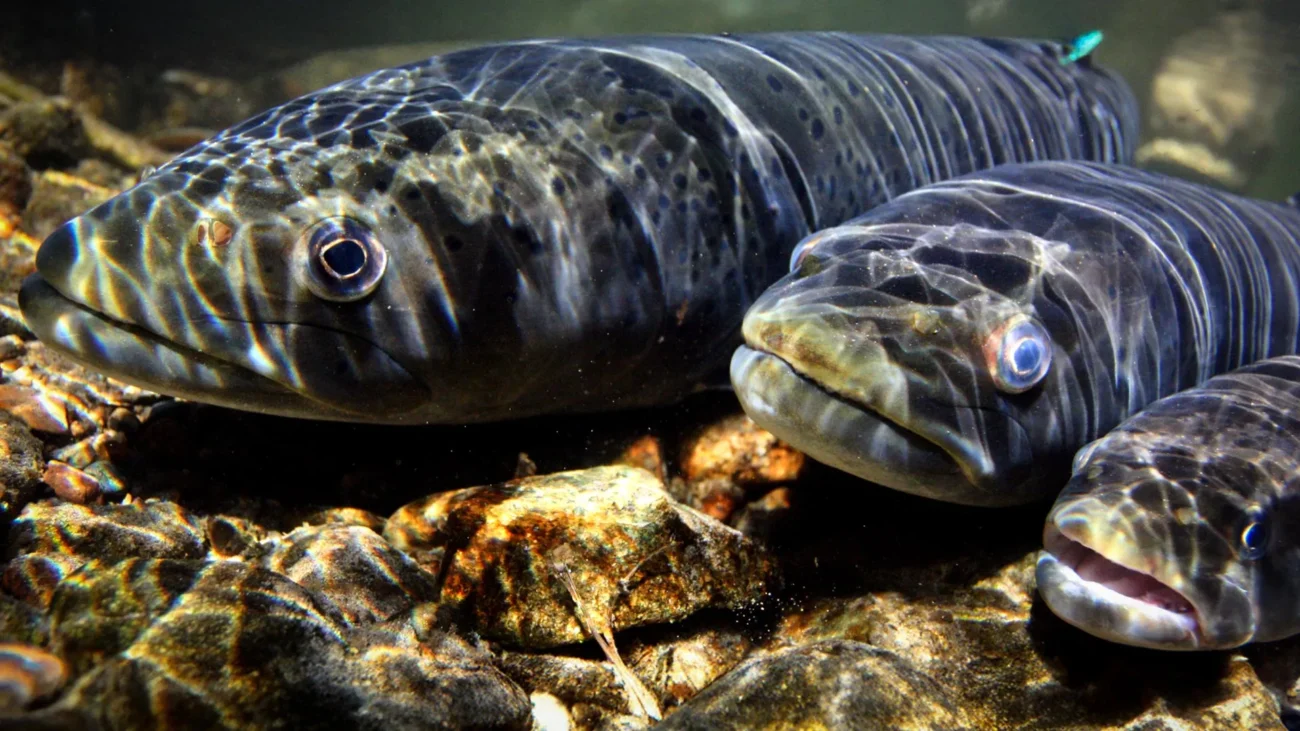
A stark warning has emerged from the heart of the Convention on the Conservation of Migratory Species of Wild Animals (CMS), a crucial United Nations environmental treaty: the planet’s most vital and extensive underwater journeys, undertaken by migratory freshwater fish, are rapidly disintegrating. The newly released "Global Assessment of Migratory Freshwater Fishes," presented at the 15th Meeting of the Conference of the Parties (COP15) in Brazil, paints a dire picture, identifying these aquatic travelers as some of the most imperiled species on Earth. Their decline is not merely an ecological tragedy; it signifies a profound threat to the health of riverine ecosystems, the sustainability of vast inland fisheries, and the food security and livelihoods of hundreds of millions worldwide.
A Crisis Unfolding Beneath the Waves
The comprehensive assessment, which meticulously analyzed data from nearly 15,000 freshwater fish species globally, with a specific focus on IUCN Red List assessments, underscores a largely overlooked biodiversity crisis. Migratory freshwater fish, by their very nature, depend on vast, interconnected river systems to complete their life cycles. These intricate networks, often spanning multiple national borders, serve as vital conduits for spawning grounds, feeding areas, and nursery habitats. When these pathways are severed or degraded, populations can plummet with alarming speed.
The report identifies a staggering 325 migratory freshwater fish species as candidates for international conservation efforts, in addition to the 24 already listed under the Convention’s Appendices. This points to an urgent need for coordinated global action to protect species that navigate rivers like the Amazon, La Plata-Paraná, Danube, Mekong, Nile, and Ganges-Brahmaputra. These iconic waterways, often considered the lifeblood of continents, are increasingly fragmented by human activity.
The Scale of the Decline: A Statistical Reckoning
The statistics presented are sobering. Migratory freshwater fish populations have experienced an estimated decline of approximately 81% worldwide since 1970. This catastrophic drop highlights the vulnerability of species that rely on predictable and unimpeded aquatic highways. Furthermore, a staggering 97% of the 58 migratory fish species (both freshwater and saltwater) currently listed by CMS are now facing a serious threat of extinction. This near-universal vulnerability underscores the systemic nature of the crisis.
The assessment meticulously details the pressures driving this decline. Dam construction, a pervasive feature of modern river management, fragments habitats and impedes upstream and downstream movements critical for reproduction and feeding. Pollution, ranging from agricultural runoff to industrial discharge, contaminates their environments and compromises their health. Overfishing, often unsustainable, depletes populations before they can recover. Compounding these issues are climate-related ecosystem changes, including altered rainfall patterns, rising water temperatures, and increased frequency of extreme weather events, which further disrupt the delicate balance of freshwater ecosystems.
Urgent Calls for Coordinated Global Action
The findings of the "Global Assessment of Migratory Freshwater Fishes" were unveiled at COP15, a pivotal gathering of nations committed to conserving migratory species. The event, hosted by Brazil, provided a platform for intensified dialogue and the proposal of concrete conservation measures. Brazil, in particular, has championed initiatives focused on the critical South American river systems of the Amazon and La Plata-Paraná.
The Amazon Basin, renowned as one of the last great refuges for migratory freshwater fish, is now facing escalating development pressures that threaten its unique biodiversity. A parallel case study released alongside the global assessment pinpointed 20 migratory fish species within the Amazon that meet the criteria for inclusion in CMS Appendix II, signifying the need for international cooperation in their conservation. These species are not only ecologically significant but also form the backbone of regional fisheries, accounting for approximately 93% of total landings and contributing an estimated US$436 million annually to the economy.
Remarkable Journeys at Risk: The Case of the Dorado Catfish
Among the species highlighted is the remarkable dorado (gilded) catfish (Brachyplatystoma rousseauxii). This bottom-dwelling species, characterized by its metallic gold/silver hue and imposing size (reaching up to 2 meters or 6.5 feet), undertakes the longest known freshwater migration of any fish. Its life cycle involves an astonishing 11,000-kilometer (approximately 6,800 miles) odyssey from the Andean headwaters to coastal nursery areas. The disruption of these ancient migratory routes poses an existential threat to such species.
To bolster conservation efforts, Brazil and other Amazonian nations are proposing a "Multi-species Action Plan for Amazonian Migratory Catfish (2026-2036)." This ambitious plan, developed through regional collaboration, aims to address the complex challenges faced by these iconic species.
Furthermore, Brazil has put forth a proposal to add the spotted sorubim catfish (Pseudoplatystoma corruscans) to CMS Appendix II. This initiative specifically targets the La Plata Basin, where this species is under immense pressure from dam construction, altered water flow regimes, and intense fishing. These proposals collectively represent a significant stride towards implementing the core principle of CMS: that conservation strategies must encompass the entire migratory range of species and rely on robust international cooperation.
Expert Voices Amplify the Alarm
The urgency of the situation has been echoed by leading conservationists and scientists. Dr. Zeb Hogan, the lead author of the assessment, emphasized the hidden nature of these crucial migrations: "Many of the world’s great wildlife migrations take place underwater. This assessment shows that migratory freshwater fish are in serious trouble, and that protecting them will require countries to work together to keep rivers connected, productive, and full of life."
Amy Fraenkel, Executive Secretary of CMS, underscored the report’s significance: "This new assessment highlights a major priority for the conservation of migratory species and their habitats, that has not had adequate focus to date. By aligning science, policy and international cooperation, governments can safeguard the world’s remaining great freshwater fish migrations and the communities and ecosystems that depend on them."
Michele Thieme, Vice President and Deputy Lead of Freshwater at World Wildlife Fund-US, provided a stark, yet vital, perspective: "Rivers don’t recognize borders — and neither do the fish that depend on them. The crisis unfolding beneath our waterways is far more severe than most people realize, and we are running out of time. Rivers need to be managed as connected systems, with coordination across borders, and investments in basin-wide solutions now before these migrations are lost forever."
A Broader Implication: Freshwater Biodiversity Under Siege
The crisis facing migratory freshwater fish is emblematic of a broader, and arguably more severe, decline in freshwater biodiversity. Freshwater ecosystems, despite covering less than 1% of the Earth’s surface, harbor an extraordinary proportion of the planet’s species. However, these habitats are vanishing and degrading at an alarming rate, outpacing losses in terrestrial and marine environments. The collapse of migratory fish populations is a potent indicator of the systemic health of these vital waterways.
The implications of this decline extend far beyond the ecological realm. Inland fisheries are a critical source of protein and income for billions of people, particularly in developing nations. The loss of these migratory species threatens food security, economic stability, and cultural heritage. Furthermore, healthy river systems are essential for providing clean drinking water, regulating water cycles, and supporting a multitude of other ecosystem services.
The Path Forward: Integrated River Management and International Cooperation
The report lays out a clear roadmap for action, emphasizing the need for governments to adopt a holistic approach to river management. This includes:
- Strengthening International Cooperation: Recognizing that rivers transcend political boundaries, fostering collaborative management plans between riparian states is paramount. This involves sharing data, harmonizing regulations, and jointly investing in conservation initiatives.
- Restoring Connectivity: Dismantling or modifying unnecessary dams, implementing fish passage solutions, and restoring natural flow regimes are crucial steps to re-establish the vital connections within river systems.
- Combating Pollution: Implementing stricter regulations on industrial and agricultural discharge, promoting sustainable land-use practices, and investing in wastewater treatment are essential to protect water quality.
- Sustainable Fisheries Management: Implementing and enforcing science-based fishing quotas, combating illegal and destructive fishing practices, and promoting community-based fisheries management are vital for ensuring the long-term viability of fish populations.
- Climate Change Adaptation: Developing and implementing strategies to mitigate the impacts of climate change on freshwater ecosystems, such as enhancing resilience to extreme weather events and managing water resources effectively, is increasingly critical.
The "Global Assessment of Migratory Freshwater Fishes" serves as a critical wake-up call. The silent exodus of these vital species beneath the surface of our rivers is a tangible symptom of a planet in distress. The challenge now lies in translating these stark findings into decisive, coordinated, and sustained action to ensure that these ancient journeys can continue for generations to come, safeguarding both biodiversity and human well-being. The time for isolated efforts has passed; the era of integrated river basin management and unprecedented international cooperation has arrived, driven by the urgent need to preserve these invaluable underwater highways.

